
Dipping a slice of seared beef tataki into a small dish of ponzu for the first time is a sharp, clarifying moment - the brightness of yuzu or sudachi cuts clean through the richness of the meat. That contrast is exactly what ponzu is built for.
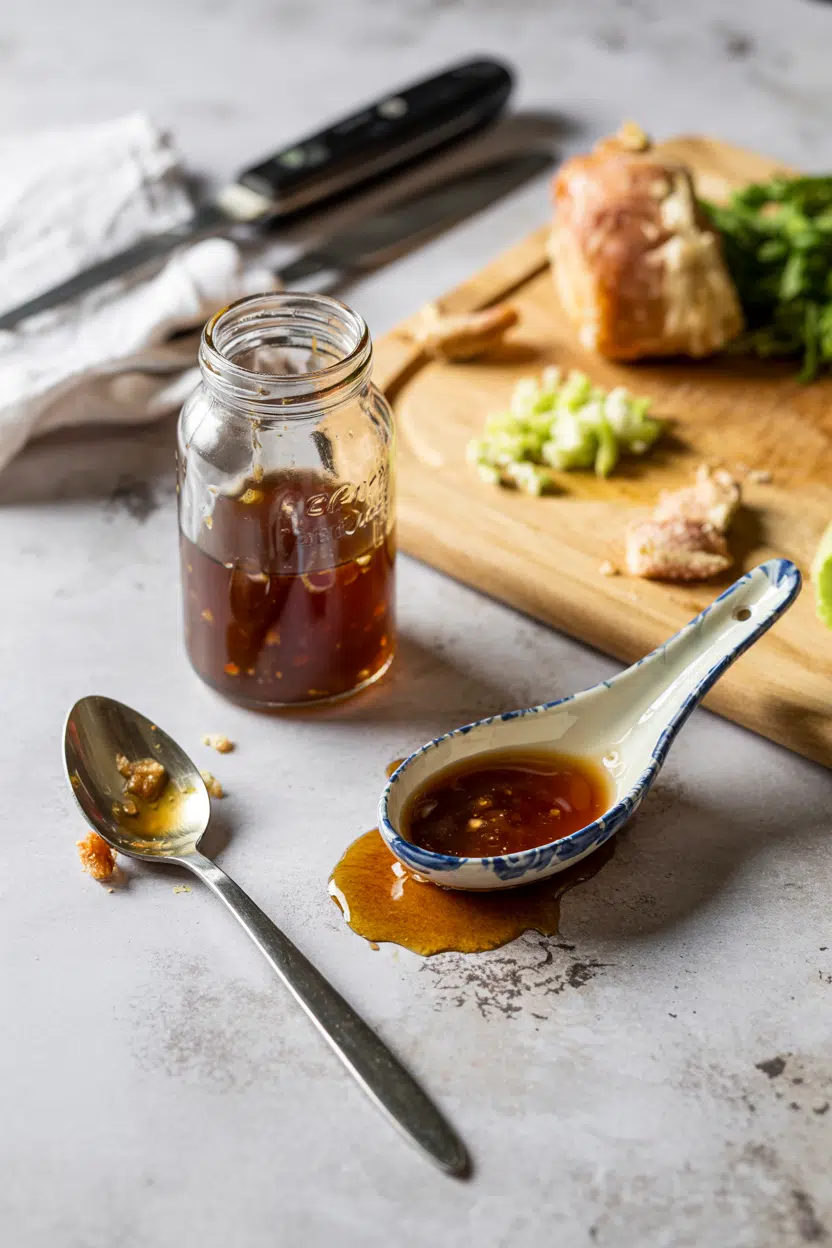
Unlike heavier soy-based sauces thickened with sugar or starch, ponzu stays thin and acidic, relying on citrus and a careful balance of salt and subtle sweetness. It's one of those condiments that quietly does a lot of work without announcing itself, and once you start reaching for it, you find uses everywhere.
Ponzu sauce is a thin, citrus-forward Japanese condiment combining soy sauce, citrus juice, and mirin or rice vinegar. It delivers bright tang and savory umami in one bottle, working as a dip, dressing, marinade, or finishing sauce across a wide range of dishes.
What Is Ponzu Sauce?
Ponzu is a citrus-based soy condiment originating in Japan, with deep roots in the Kansai and Tokyo regions. The name combines the Dutch word pons (citrus punch) with the Japanese su (vinegar), which tells you something about its dual identity as both acidic and savory.
Remember it later
Planning to try this recipe soon? Save it for a quick find later!
A traditional bottle contains citrus juice - most often yuzu or sudachi, though lemon appears in many commercial versions - alongside soy sauce, rice vinegar or mirin, and sometimes dashi or bonito flakes steeped into the liquid.
The result is called ponzu shoyu when soy is included, which is nearly always the case in what's sold in Western markets.
Several varieties exist, each with a different character:
- Yuzu ponzu - the most prized; yuzu delivers a floral, distinctly Japanese citrus note that lemon can't replicate
- Sudachi ponzu - sharper and greener in flavor, common in Tokushima-style cooking
- Lemon or citrus blend ponzu - more common in mass-market bottles; accessible but less complex
- Vegetarian/vegan ponzu - made without bonito, using kombu dashi instead for the savory backbone
What Does Ponzu Sauce Taste Like?
Ponzu tastes closest to a salty vinaigrette crossed with soy sauce, but that framing undersells it. The citrus hits first - bright and slightly tart - then the soy's umami rounds it out into something more complete.
Mirin or sugar softens the edge, keeping the sauce from tasting harsh or one-dimensional. When ponzu is made with katsuobushi, there's a subtle savory smokiness in the background - present but not dominant.
Ponzu doesn't taste particularly fishy even when made with bonito. The steeping process mellows any assertive fishiness into a clean, savory depth.
How to Use Ponzu Sauce
Ponzu works best in roles where citrus acidity and soy umami together do the lifting.
Raw and cold applications are where it genuinely shines - as a dipping sauce for sashimi, a dressing for seaweed salad, or tossed with chilled soba noodles alongside ginger and sesame oil.
| Method | Best For | Tip |
|---|---|---|
| 🥗 Dip/Raw | Sashimi, tataki, gyoza, tempura | Serve chilled; add grated daikon or scallion directly to the dish |
| 🥗 Dressing | Cucumber salad, seaweed salad, cold tofu | Whisk with sesame oil for a richer dressing; don't overdress |
| 🍳 Marinade | Tofu, chicken thighs, thinly sliced beef | Keep marinating time under 1 hour - longer dulls the citrus and over-salts proteins |
| 🍳 Finishing Sauce | Grilled fish, salmon, mackerel | Spoon over immediately after plating; the residual heat blooms the aroma without cooking it |
| 🍜 Sauce Blend | Ponzu mayo, dipping sauce for noodles | Mix with kewpie mayo 2:1 for a quick sandwich or tempura dip |
Ponzu bridges Japanese and modern fusion cooking cleanly. It pairs with soy-adjacent dishes naturally, however it also works well anywhere a vinaigrette-style balance is needed - think grilled salmon, cold noodle bowls, or even a quick ponzu sauce substitute in a citrus-heavy braise.
Avoid using ponzu in long, high-heat braises. The citrus brightness - the thing that makes it useful - evaporates early, leaving only salt and soy behind.
For braising, straight soy sauce handles that job better.
How to Buy and Store Ponzu Sauce
Look for bottles that name a specific citrus - yuzu ponzu or sudachi ponzu - rather than generic "citrus." These are more expensive, however the flavor difference over a lemon-based blend is significant.
The aji mirin vs rice vinegar balance varies by brand, so it's worth reading the ingredient list if brightness matters to you.
Storage is straightforward:
- Unopened - cool pantry shelf; stays good for 6-12 months before the citrus notes soften
- After opening - refrigerate immediately with the cap sealed tight to hold the aroma
- Opened shelf life - use within 2-3 months for best flavor; see our full guide on ponzu sauce freshness guide for signs of spoilage
- Allergy note - standard ponzu contains soy (gluten risk) and bonito (fish); choose tamari-based or vegan-labeled versions if either is a concern
Start With a Dipping Bowl
Ponzu is most convincing in its simplest job first. Buy one bottle and use it as a dipping sauce for seared fish, gyoza, or cold tofu with shiso and daikon.
That single use will tell you immediately whether this is a condiment your kitchen needs on rotation. From there, moving into marinades and dressings is a short step - and if you need to build something from scratch, a soy sauce substitute base with fresh lemon and mirin gets you most of the way there.
Frequently Asked Questions
Not always. Many commercial ponzu sauces are made with katsuobushi (bonito flakes), which is fish. Look for bottles labeled vegan or kombu-dashi ponzu - those use seaweed instead and are fully plant-based.
Traditional ponzu is steeped with bonito flakes, so yes - most authentic versions contain fish. Commercial bottles vary; always check the ingredient list if fish allergies are a concern.
Yes, and many store-bought versions already do. Lemon gives clean acidity but misses yuzu's floral, slightly bitter edge. A mix of lemon and a little grapefruit zest gets closer to that character.
Steep a piece of kombu in equal parts soy sauce and fresh citrus juice overnight, then strain and add a small amount of mirin. The kombu provides glutamate-driven umami without any fish.
A quick mix of soy sauce, fresh lemon juice, and a few drops of rice vinegar covers most use cases. Adding a pinch of sugar brings it closer to the sweetness that mirin provides in the real thing.



