
Honeycrisp is the closest swap for Pink Lady when you eat the apple raw, and Granny Smith is the safest choice for baking. Use either one 1:1 by weight, and for pie mix a tart apple with a sweet one so the filling keeps Pink Lady's sweet-sharp balance.
The swap to avoid in pie is Gala. The Washington grower Stemilt says Gala won't withstand pie-baking temperatures, and its mild flavor has none of Pink Lady's sharpness.
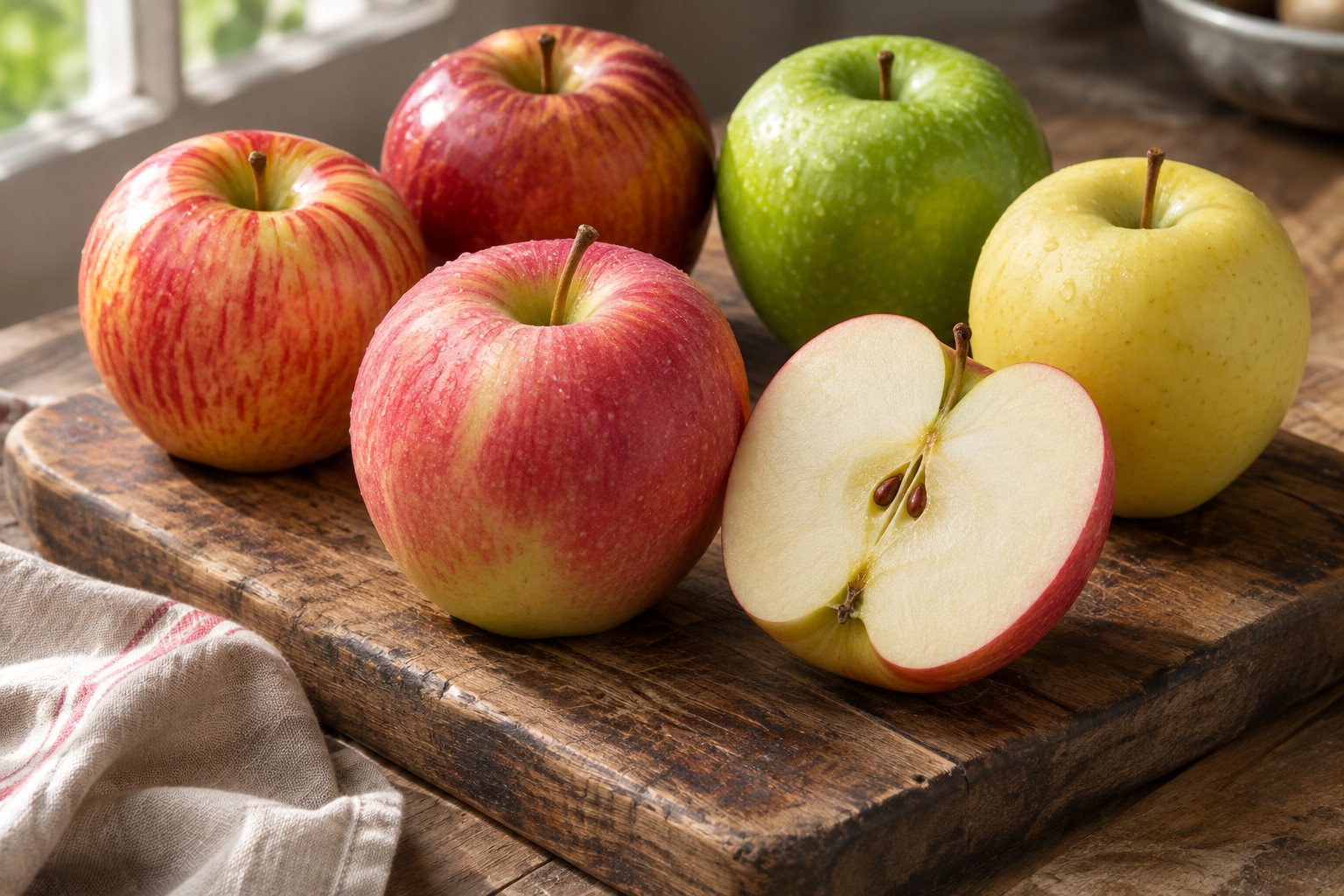
Honeycrisp is the closest raw swap. Use it 1:1; it is sweeter and juicier, with less sharp acid.
For pie, use half Granny Smith and half Honeycrisp or Golden Delicious. The Granny Smith keeps its shape and the sweet half fills in the flavor.
Skip Gala in pie. It is mild and does not hold up to oven heat.
What Does Pink Lady Do in a Recipe?
Pink Lady is a firm apple that is high in sugar and high in acid, with a crisp bite, according to the Washington Apple Commission. Our Pink Lady apple guide covers the flavor in full, so here the question is what a swap has to copy.
Remember it later
Planning to try this recipe soon? Save it for a quick find later!
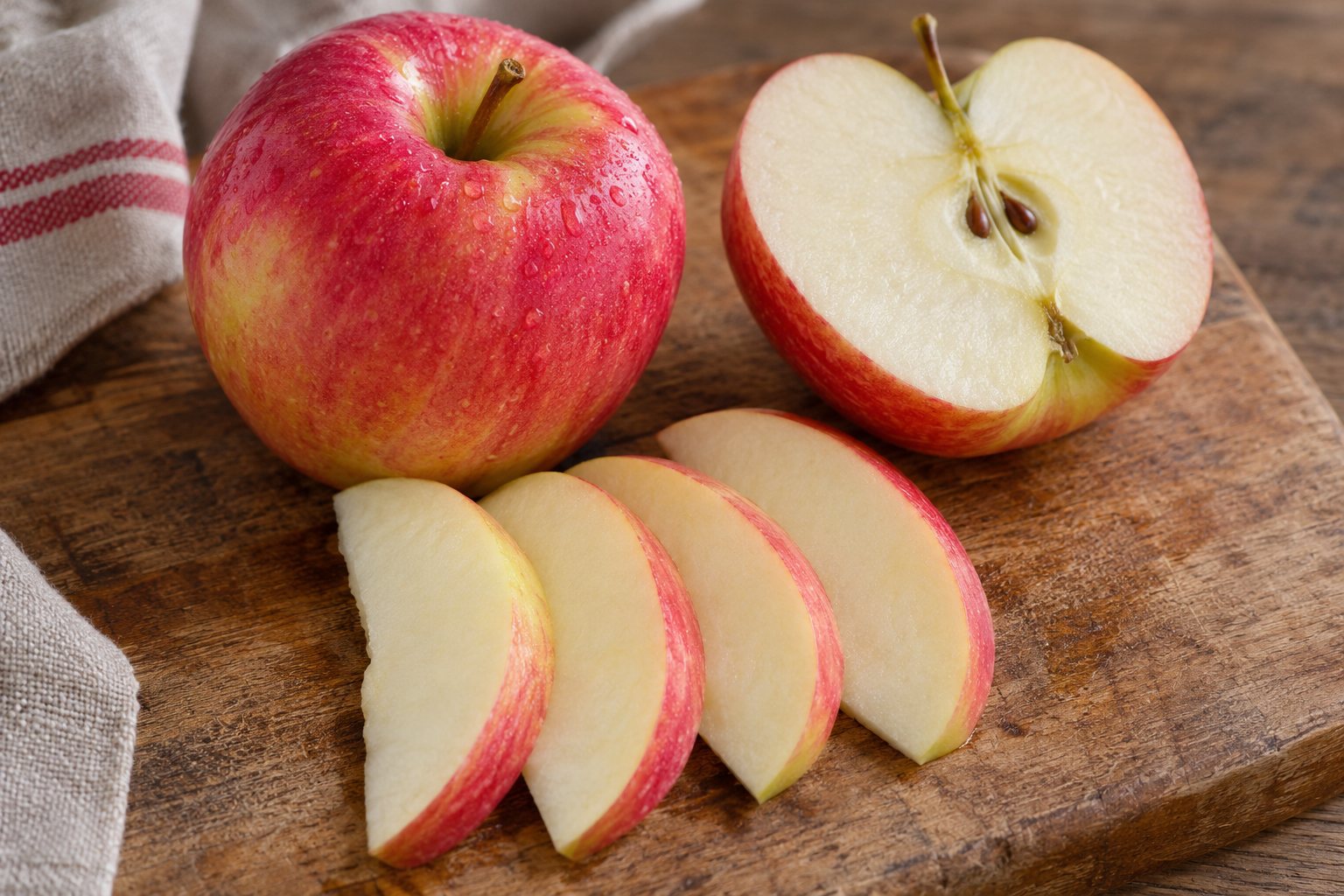
Four jobs decide whether a swap works:
- Sweet and sharp together: An apple that is only sweet makes a flat filling, and one that is only sour tastes harsh.
- A firm, crisp bite: Raw slices on a cheese board or in a salad need snap, which rules out soft, mealy apples.
- Slices that hold in the oven: Stemilt names Pink Lady as a pie apple for its sweet-tart flavor, so a swap should keep its slices in a pie too.
- Slow browning: Stemilt says cut Pink Lady flesh stays white for a long time, which helps on a fruit plate or in a packed lunch.
Which job matters most depends on the dish. In a pie, shape and a tart edge decide the swap.
For a salad or cheese board, crunch and slow browning decide it. In applesauce, only flavor matters, because the apples cook down anyway.
7 Best Substitutes for Pink Lady Apple, Ranked
The list runs from closest match to most limited. Swap 1:1 by weight or by cups of sliced apple, not by apple count, because varieties differ in size.
| # | Substitute | Best For | Ratio | Key Note |
|---|---|---|---|---|
| 1 | Honeycrisp | ✨ Both | 1:1 | Sweeter, juicier |
| 2 | Braeburn | ✨ Both | 1:1 | Zesty, holds shape |
| 3 | Cosmic Crisp | ✨ Both | 1:1 | Slow to brown |
| 4 | Granny Smith | 🥧 Baking | 1:1 | Tarter, holds shape best |
| 5 | Golden Delicious | 🥧 Baking | 1:1 | Mellow, needs a tart partner |
| 6 | Fuji | 🥗 Raw | 1:1 | Very sweet, juicy |
| 7 | Gala | 🥗 Raw | 1:1 | Mild, skip in pie |
Honeycrisp, Braeburn and Cosmic Crisp cover both raw and baked uses. Granny Smith and Golden Delicious are for the oven, while Fuji and Gala are best raw or in sauce.
1 – Honeycrisp
Honeycrisp is the best raw swap, at 1:1. The Washington Apple Commission calls it crisp and distinctly sweet, and very juicy, so you get the snap of Pink Lady with less sharpness.
In the oven it is less certain. The commission lists Honeycrisp among its favorite pie apples, but Stemilt says its flesh fractures, which suits eating better than baking.
Use it as the sweet half of a mixed pie, not on its own.
2 – Braeburn
Braeburn is the best swap for cooked dishes, at 1:1. It tastes crisp and zesty with a citrus edge, and baking guides from Tasting Table and America's Test Kitchen both say it keeps its shape when cooked.
That suits skillet dishes such as pork chops with apples and onions, where two firm apples simmer for 3 to 4 minutes and need to stay in slices.
3 – Cosmic Crisp
Cosmic Crisp is the best swap when sliced apples have to sit out, at 1:1. A Popular Science writer found cut slices took hours to turn brown, and called the flavor sweet and fruity, held in check by plenty of acidity.
How much to trust it depends on what you plan to do:
- Raw and sliced ahead: The slow browning and crunch are well described, so it is a safe pick for a fruit plate.
- Baked: Washington State University, which bred it, says baked slices hold their shape and turn tender, not mushy, but that claim comes from the breeder.
- Track record: Growers could first order trees in 2017, so it has less baking history than Granny Smith.
4 – Granny Smith
Granny Smith is the most reliable swap for pie, crisp and tart. America's Test Kitchen tested six baking apples that keep their shape and found Granny Smith held its shape best.
On its own it is sharper than Pink Lady, because the Washington Apple Commission calls its acidity lemon-like. Raw slices suit only people who like sour apples, so in a pie pair it with a sweet apple.
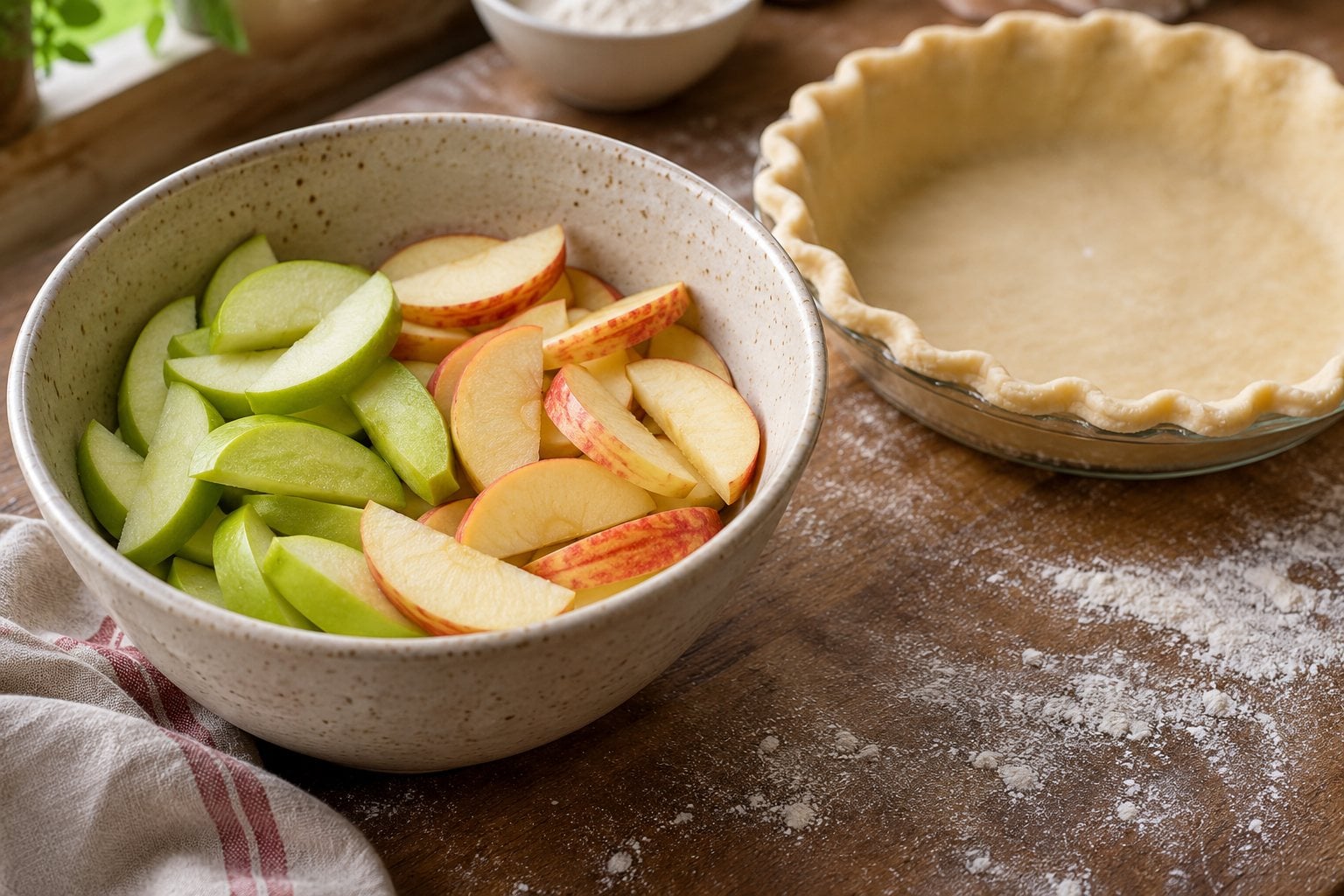
Our old-fashioned apple pie uses 6 to 7 medium Granny Smith apples sliced ¼ inch thick. Replace half of them with Honeycrisp or Golden Delicious and keep the same total.
5 – Golden Delicious
Golden Delicious is Pink Lady's parent, and it is a sound baking swap at 1:1. Stemilt says its flesh won't break down at pie temperatures, and America's Test Kitchen lists it among apples that keep their shape when cooked.
It is mellow and sweet, so it needs something sharp beside it. Stemilt suggests a tart apple or a little lemon juice, so fold it into a Granny Smith filling rather than using it alone.
6 – Fuji
Fuji is a raw swap at 1:1 when you want more sweetness. The Washington Apple Commission calls it one of the world's sweetest apples, and refreshingly juicy, so a cheese board or chopped salad tastes sweeter than it would with Pink Lady.
The Waldorf salad with apples and walnuts calls for Granny Smith, Fuji or Honeycrisp, tossed in 1 tablespoon of lemon juice to stop browning.
Baking is where sources split: the commission lists Fuji for baking, but Stemilt says juicy apples like Fuji can make a pie filling soupy. Use Fuji in sauce, not as the only apple in a pie.
7 – Gala
Gala is a raw-only swap, at 1:1. The Washington Apple Commission describes it as mildly sweet with a hint of vanilla, so it brings none of Pink Lady's sharpness.
For cooking, Stemilt says Gala won't withstand the temperatures of a pie. In applesauce it is fine, since the commission lists sauce among its uses.
Which Swap Fits Your Dish?
| If You Are Making | Pick | Why |
|---|---|---|
| Salad or cheese board | Honeycrisp or Cosmic Crisp | Crisp, and slow to brown when cut |
| Apple pie | Granny Smith plus Honeycrisp | Firm tart half, sweet half |
| Crisp, tart or galette | Braeburn or Golden Delicious | Both keep their shape when cooked |
| Skillet or roasted apples | Braeburn | Slices stay whole in the pan |
| Applesauce | Fuji or Gala | Sweet, and texture stops mattering |
Sauces are the forgiving case, because cooking apples down into applesauce or apple butter hides the texture difference, so the sweeter, softer apples work there. Pie is the dish where the swap shows most.
What Goes Wrong with the Wrong Swap?
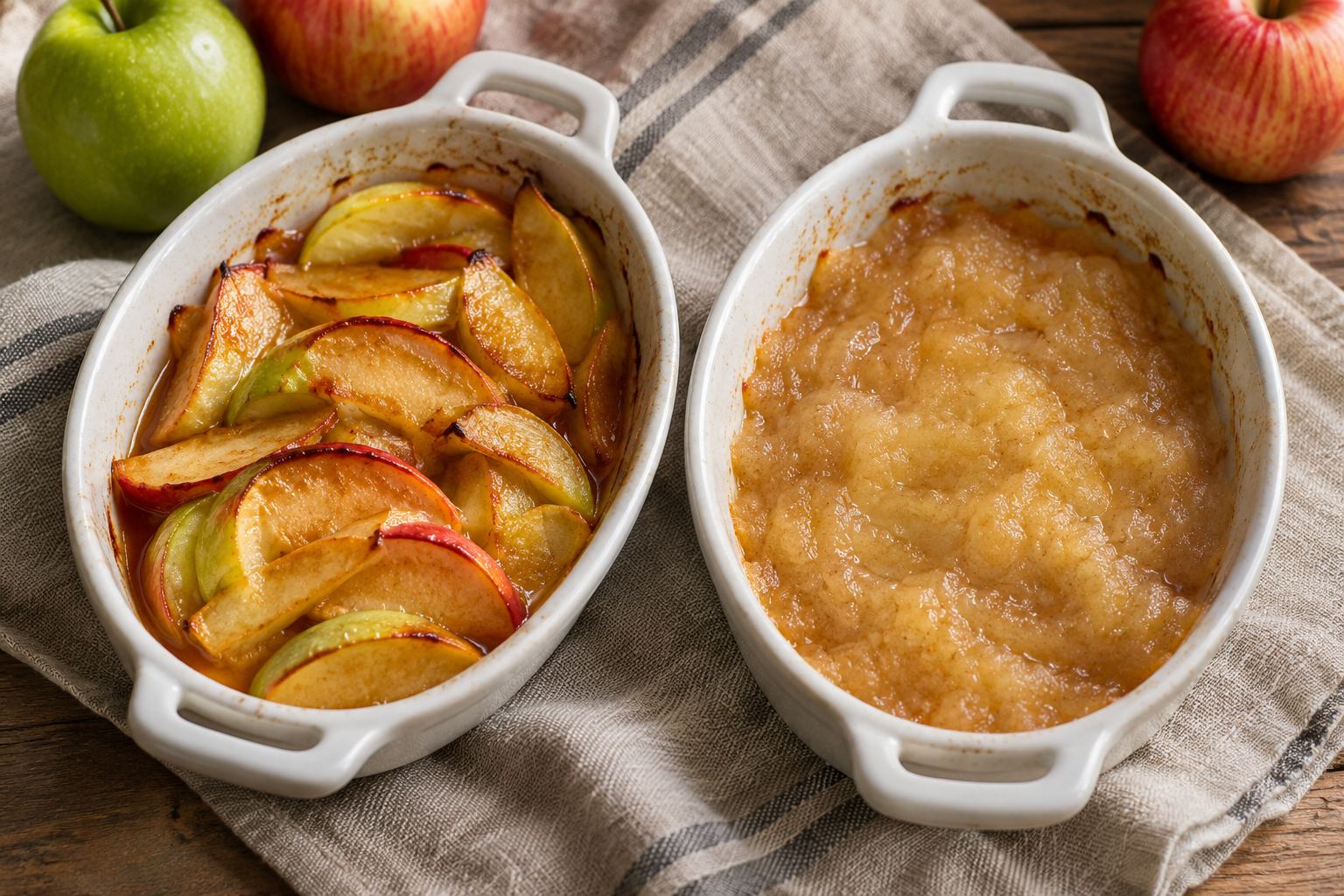
Two other swaps cause trouble in pie:
- Only sweet apples: The Washington Apple Commission wants a little tartness in a pie to help the fruit stand out from the sugar, so a pie of only Fuji or Golden Delicious tastes flat.
- Only Granny Smith: It holds its shape, but Amy Traverso advises at least two varieties for balance, because one tart apple alone eats sharper than Pink Lady does.
Are Pink Lady Apples Good for Baking?
Yes, the Washington Apple Commission lists Pink Lady among its favorite pie apples, and Stemilt recommends it for pie. You only need a swap when the store is out of them.
How Is Pink Lady Different from Fuji and Gala?
Pink Lady is higher in acid than both. The commission calls Fuji one of the world's sweetest apples and Gala mildly sweet with a hint of vanilla, while Pink Lady is high in both sugar and acid.
Is Cripps Pink the Same as Pink Lady?
Yes, Cripps Pink is the variety name and Pink Lady is the brand name used on it. An apple labeled Cripps Pink needs no substitute.
What If Honeycrisp or Fuji Is Also Out?
Go to Braeburn or Cosmic Crisp, the next closest. Our Honeycrisp apple substitutes page covers what else fits for Honeycrisp.
For Fuji, see the Fuji apple substitutes.



