
Apple butter earns its place on the table not as a condiment but as a workhorse ingredient - it glazes, binds, sweetens, and deepens flavor in ways a simple jam or applesauce cannot.
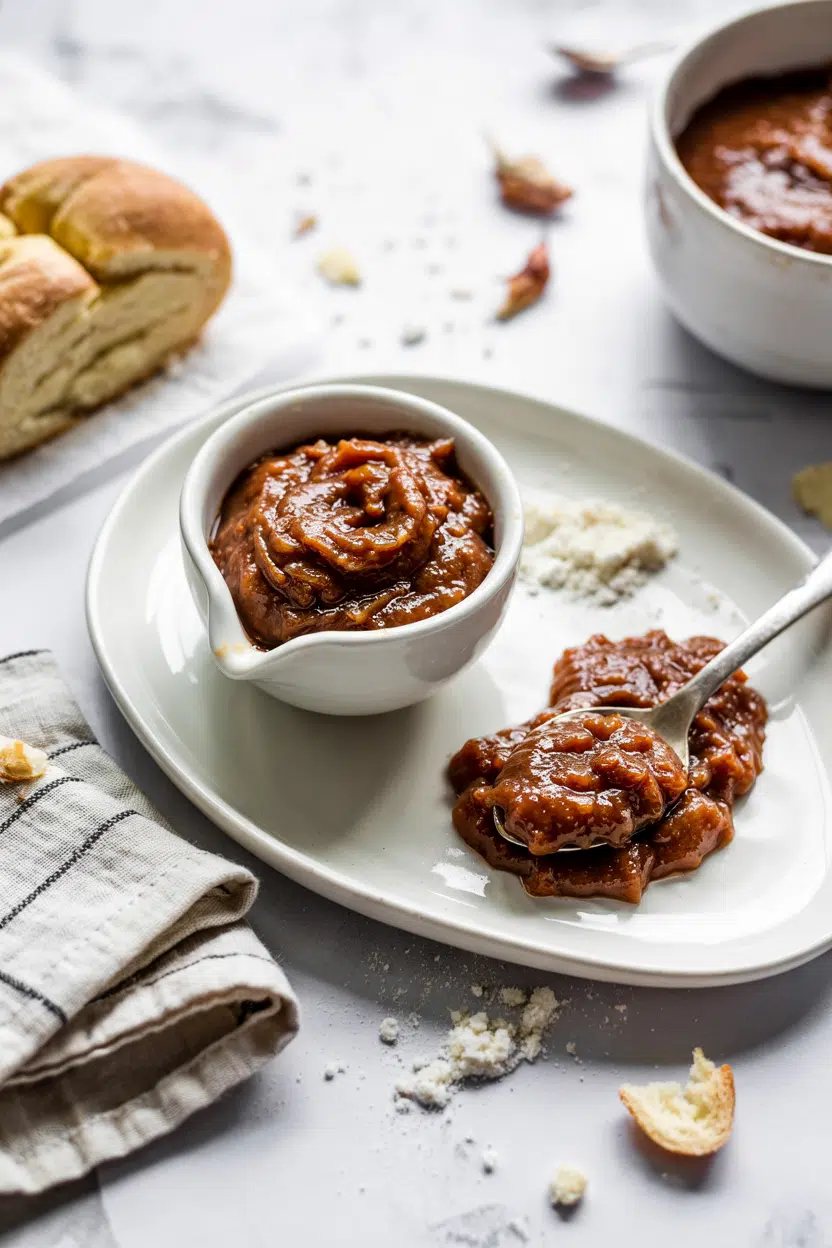
Unlike standard fruit spreads, which stop short of full reduction, apple butter is cooked down so completely that the apples essentially become themselves twice over: concentrated, caramelized, and spiced.
It sits in a different category from comparing jam jelly vs fruit preserves options on a technical level, and it behaves differently in a kitchen, too.
Understanding what it does best makes it easy to reach for the right tool.
Apple butter is a slow-cooked, caramelized apple spread with deep spice notes and tangy sweetness. Thicker and more concentrated than applesauce, it works as a spread, glaze, batter addition, or savory complement - and keeps for 4-8 weeks in the fridge once opened.
What Is Apple Butter?
Apple butter is a fruit butter - a category of spread made by cooking whole fruit down to a thick, paste-like purée with no actual dairy butter involved.
Remember it later
Planning to try this recipe soon? Save it for a quick find later!
The name refers to texture: smooth, spreadable, and rich enough to coat a knife cleanly.
Its roots trace to Pennsylvania Dutch cooking and Central European traditions, where the German equivalent, Apfelbutter, was a way to preserve autumn harvests before refrigeration existed.
The process is what separates it from applesauce. Long, slow reduction - traditionally over an open fire in copper kettles - drives off moisture and concentrates natural sugars until they caramelize.
The result is a deep mahogany spread that carries notes of malt and bittersweet toffee alongside the apple's original tartness.
Varieties range by apple base - Granny Smith lends brightness, McIntosh gives a softer, floral finish - and by spice blend, though cinnamon and clove are the constants.
Some producers add cider vinegar for extra acidity; others keep it simple with just apples and sugar.
Commercially, it's sold shelf-stable in jars; butter's shelf life is a useful comparison point for understanding how preservation differs across spread categories.
What Does Apple Butter Taste Like?
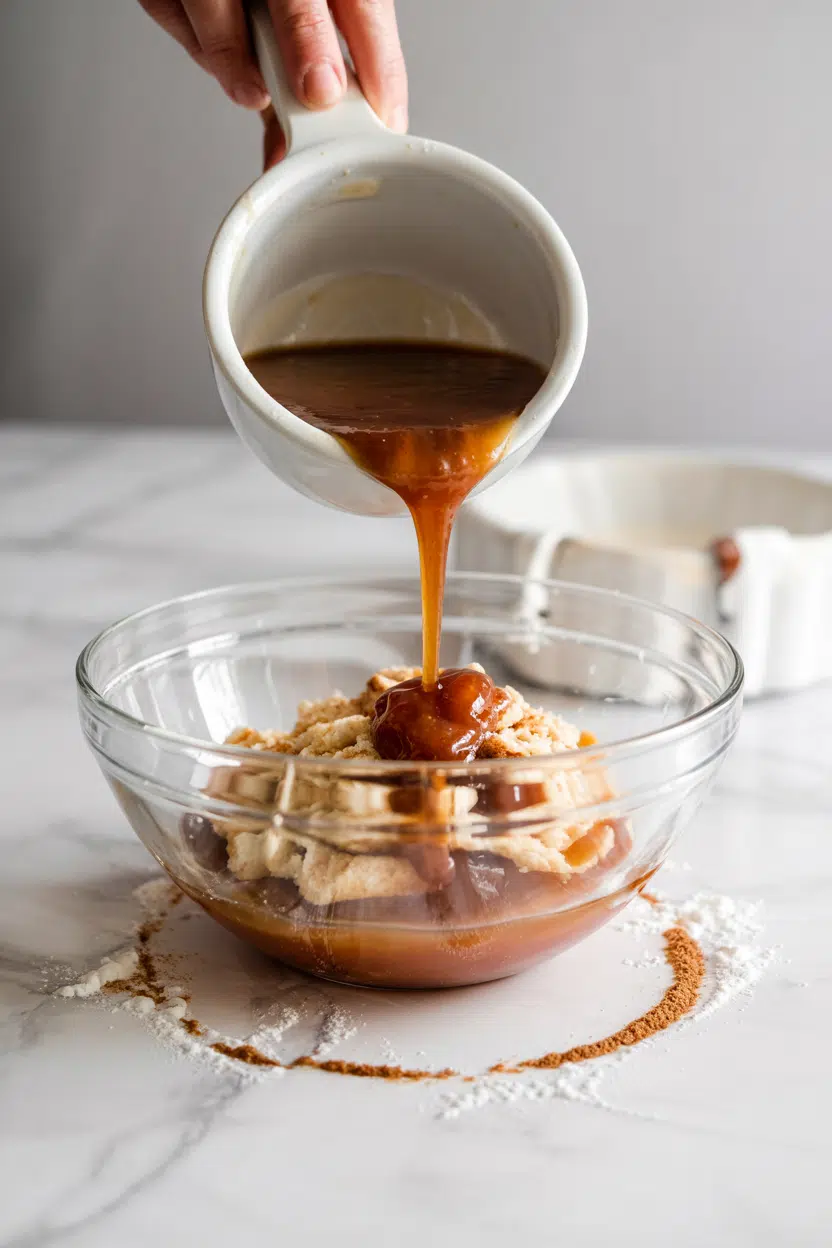
Apple butter tastes like concentrated applesauce that sat next to a caramel pot long enough to absorb its character. The front note is deep, malty apple sweetness - not fresh-fruit bright, but rounded and slightly toasty from the reduction.
Warm cinnamon and clove carry the mid-palate, and a quiet tangy acidity from the apples themselves keeps it from tasting heavy.
The closest comparison is pumpkin butter - similarly spiced and deeply reduced - though apple butter carries more tartness and a slightly thinner body.
If you're adjusting recipes that call for cloves and can't source them, clove swaps that work can help maintain that aromatic backbone without breaking the flavor profile.
How to Use Apple Butter
Apple butter moves between sweet and savory uses more naturally than most spreads. On the breakfast table, it belongs on toast, English muffins, or biscuits - spread alone or layered under sharp cheddar.
Swirled into plain yogurt or stirred into oatmeal, it acts as a spiced sweetener that also adds body.
In baking, it works as a moisture-adding ingredient folded into muffin, quick-bread, or pancake batter. A tablespoon or two deepens the caramel notes without adding oil.
For a layered breakfast, consider how using classic cinnamon french toast for creaminess shows the same principle - concentrated sweetness doing double duty as flavor and texture.
Its savory side is underused. Apple butter glazes pork chops and ham with a sweet-tangy crust that caramelizes under heat.
Stirred into barbecue sauce or whole-grain mustard, it adds sweet-tangy depth without tasting like dessert. The full range of pairing ideas for apple butter is broader than most people expect - especially the cheese and bread combinations.
| Method | Best For | Tip |
|---|---|---|
| 🥗 Spread | Toast, biscuits, English muffins, bagels | Layer under cheese for contrast |
| 🔥 Glaze | Pork chops, ham, roasted root vegetables | Brush on during last 10 minutes of roasting |
| 🧁 Baked In | Muffins, quick breads, pancake batter | Replace up to half the sugar; reduce added liquid slightly |
| 🫙 Stirred In | Oatmeal, yogurt, barbecue sauce, mustard | Start with 1 tablespoon - it concentrates quickly in hot dishes |
| 🥧 Filling | Thumbprint cookies, hand pies, sandwich cookies | Chill before piping; it firms up and holds shape better |
For recipes where apple butter stands in for other dairy-adjacent ingredients, the guide on apple butter in dairy recipes covers swap ratios and texture adjustments worth knowing.
How to Buy and Store Apple Butter
A good jar tells you what's inside before you open it. Look for a deep mahogany-to-rust color and a glossy, uniform surface - pale or watery-looking butter has been undercooked or over-diluted.
Avoid jars with visible separation, fermentation bubbles, or any sour smell when opened.
Once open, store it refrigerated with the lid tight.
- 🏪 Unopened commercial jars - Keep in a cool, dark pantry for up to one year
- ❄️ Opened jars - Refrigerate and use within 4-8 weeks
- 🏠 Home-canned jars - Follow water-bath canning timelines; up to one year after opening when refrigerated
- 🧊 Freezer option - Worth considering for large batches; [freezing apple butter](https://forkliftkitchen.com/apple-butter-shelf-life/) can extend shelf life significantly beyond the fridge window
Start Simple, Then Build
If apple butter is new to your kitchen, spread it on sourdough with aged gouda first - that pairing shows both the sweet and savory range in one bite.
Once you know how it behaves, move to glazing a pork chop or folding it into batter.
The ingredient rewards incremental use. Start with one application.
Add a second when the first feels natural. Apple butter doesn't need reinventing - it needs to be in the right recipe at the right moment.
Frequently Asked Questions
Apples, sugar, and warm spices - typically cinnamon and clove. The apples are cooked down slowly until they reduce into a thick purée. Some recipes add cider vinegar or apple cider for extra acidity.
No. Applesauce stops short of full reduction and stays pale and mild. Apple butter cooks far longer, losing most of its moisture and developing a dark color, concentrated sweetness, and caramel notes applesauce lacks.
Commercially sealed jars keep 4-8 weeks refrigerated after opening. Home-canned versions follow the same rule. Always check for off-odors or surface mold before using.
Yes - water-bath canning works well for apple butter because its acidity and sugar content support safe preservation. Use tested recipes and proper jar sterilization; processing time is typically 10-15 minutes depending on jar size.
No dairy butter is involved. The name refers to the spread's thick, butter-like consistency after long reduction. Apple butter is typically vegan and gluten-free, though labels should be checked for added preservatives.



