You reach for oyster sauce and the bottle's empty. The stir-fry is half-done, vegetables waiting in the pan.

Oyster sauce adds umami, sweetness, and a glossy finish that most other sauces don't deliver in one step. Swaps need to balance salty depth with a hint of sugar, and some require mixing to get close.
These options range from direct matches to quick pantry fixes. Start with what you have, adjust the ratio, and taste as you go.
| # | Substitute | Best For | Ratio | Key Note |
|---|---|---|---|---|
| 1 | Hoisin Sauce | 🍳 Cooking | 1:1 | Sweeter, thicker texture |
| 2 | Soy Sauce + Sugar | ✨ Both | 1 tablespoon soy + ½ teaspoon sugar per 1 tbsp | Saltier, no thickness |
| 3 | Mushroom Soy Sauce | 🌱 Vegan | 1:1 | Earthy, lighter salt |
| 4 | Fish Sauce | 🍳 Cooking | ½ tablespoon per 1 tbsp | Pungent, very salty |
| 5 | Black Bean Sauce | 🍳 Cooking | 1:1 | Fermented, richly savory |
| 6 | Vegetarian Mushroom Sauce | 🌱 Vegan | 1:1 | Mild, similar texture |
| 7 | Soy Sauce + Hoisin Combination | ✨ Both | 1 tablespoon soy + ½ tablespoon hoisin per 1 tbsp | Balanced salty-sweet |
Hoisin and soy sauce mixed with sugar best replicate oyster sauce's balance of sweetness and saltiness. Focus on flavor first, then adjust texture as needed. For soy sauce swaps, add sugar gradually to avoid overpowering saltiness.
7 Oyster Sauce Replacements for Better Texture
Some swaps stay close, while others require small adjustments. Pick based on what you're cooking and how much thickness or sweetness you need.
Remember it later
Planning to try this recipe soon? Save it for a quick find later!
1 - Hoisin
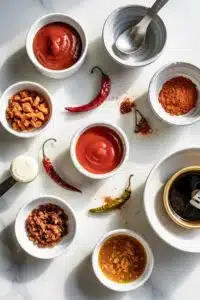
Hoisin sauce brings sweetness and a thick, glossy texture that mimics oyster sauce in stir-fries and glazes. The flavor leans sweeter with less brine, so it works best when you want a sauce that coats evenly without adding saltiness.
Use equal amounts-swap 1 tablespoon hoisin for 1 tablespoon oyster sauce. If the dish already includes sugar or honey, cut back slightly to avoid overwhelming sweetness.
Here's what to know:
- Texture - Thick and smooth, coats vegetables and proteins without running thin.
- Sweetness level - Noticeably sweeter than oyster sauce, with molasses and five-spice notes.
- Best for stir-fries - Works in dishes where a glossy finish and mild sweetness improve the flavor.
- Adjust for balance - Add a splash of soy sauce if the dish needs more saltiness.
If you're short on hoisin too, quick Hoisin Sauce replacements to try covers options that match thickness without adding extra sugar.
*Skip if::* You need a lighter, less sweet sauce or a stronger umami punch.
Hoisin Sauce
Works for: Stir-fries, glazes, dishes needing thick coating
Skip if: Recipe already sweet or needs lighter sauce
Soy Sauce + Sugar
Works for: Marinades, quick cooking, everyday seasoning
Skip if: Thickness or deep umami required
2 - Soy Sauce Mix
Soy sauce mixed with sugar delivers the salty-sweet profile of oyster sauce without the thickness. The saltiness hits first, then the sugar rounds it out.
This mix works in marinades, stir-fries, and any dish where you need seasoning more than a glossy finish. Use 1 tablespoon soy sauce plus ½ teaspoon sugar per 1 tablespoon oyster sauce.
Stir until the sugar dissolves before adding to the pan.
No Soy Sauce swaps by recipe type on hand either? That page narrows it to options that match saltiness without needing extra sweetener.
*Skip if::* You want a thick sauce or need stronger umami depth.
3 - Mushroom Soy
Mushroom soy sauce offers earthy umami without seafood flavor, making it a solid vegan alternative. The taste runs lighter and less salty than oyster sauce, but the texture stays pourable.
Use equal amounts-1 tablespoon mushroom soy for 1 tablespoon oyster sauce. It works well in Chinese dishes where you want umami without the brininess.
- flavor - Earthy mushroom notes with mild saltiness, no sweetness.
- Texture - Thinner than oyster sauce, closer to regular soy sauce consistency.
- Best for vegan cooking - Adds umami to stir-fries, noodles, and braised vegetables without animal products.
- Adjust for richness - Add a pinch of sugar or a splash of vegetable broth if the dish needs more body.
Missing mushroom soy too? Soy Sauce swaps that match lists plant-based options that deliver similar umami.
*Skip if::* You want traditional seafood flavor or need a thicker sauce.
4 - Fish Sauce
Fish sauce delivers intense umami and saltiness but no sweetness or thickness. The flavor runs pungent, so a little goes a long way.
Use ½ tablespoon fish sauce per 1 tablespoon oyster sauce. If the dish needs sweetness, add a pinch of sugar to balance the brine.
This swap works best in cooked dishes where the heat mellows the sharp edge.
- Intensity - Much saltier and more pungent than oyster sauce, with a sharp fermented note.
- No thickness - Stays thin and watery, won't coat ingredients the same way.
*Skip if::* You want to keep sweetness or need a sauce that clings to vegetables.
| Use | Ratio | Notes |
|---|---|---|
| Stir-fries | 1:1 hoisin | Sweeter, thick coating |
| Marinades | 1 tablespoon soy + ½ teaspoon sugar | Salty-sweet, thin |
| Vegan dishes | 1:1 mushroom soy | Earthy, light salt |
5 - Black Bean
Black bean sauce brings fermented, richly savory flavor that works in bold stir-fries. The taste runs saltier and more intense than oyster sauce, with a darker, more rustic finish.
Use equal amounts-1 tablespoon black bean sauce for 1 tablespoon oyster sauce. This swap shines in dishes where you want a stronger, more complex umami hit.
- Flavor intensity - Deeply savory with fermented bean notes, much bolder than oyster sauce.
- Texture - Thicker than soy sauce but not as glossy as oyster sauce, with visible bean pieces.
Out of black bean sauce as well? Black Bean replacements that work covers swaps that deliver similar fermented depth.
The swap works best in recipes where the fermented flavor complements other bold ingredients like garlic, ginger, or chili. If the dish needs sweetness, add a small pinch of sugar to round out the saltiness.
*Skip if::* You need a thick, glossy sauce or prefer milder, sweeter flavors.
6 - Vegetarian Mushroom
Vegetarian mushroom sauce mimics oyster sauce texture without seafood, offering a mild, earthy flavor. The consistency stays similar, making it a direct swap in most Chinese dishes.
Use equal amounts-1 tablespoon vegetarian mushroom sauce for 1 tablespoon oyster sauce. The flavor runs lighter and less salty, so you may need to adjust seasoning slightly.
*Skip if::* You need a thicker, sweeter sauce or want a more pronounced umami flavor.
7 - Soy & Hoisin Mix
Combining soy sauce and hoisin balances saltiness and sweetness without going too far in either direction. This mix delivers more complexity than soy sauce alone and less cloying sweetness than straight hoisin.
Use 1 tablespoon soy sauce plus ½ tablespoon hoisin per 1 tablespoon oyster sauce. Stir them together before adding to the pan so the flavors blend evenly.
The texture lands somewhere between thin soy sauce and thick hoisin, coating ingredients without pooling.
If you're also out of soy sauce, simple Soy Sauce substitutes list covers options that won't throw off the balance when mixed with hoisin.
*Skip if::* You want to avoid sweetness or need a thicker, glossy finish.
Before You Swap Oyster Sauce
Any of these substitutes will work in a pinch, but the best choice depends on your recipe. For stir-fries, hoisin sauce comes closest in texture and finish.
For quick cooking or marinades, soy sauce plus sugar delivers the right balance without extra shopping.
- Closest match - Hoisin for thick, glossy coating
- Easiest grab - Soy sauce + sugar, pantry staples
- Vegan option - Mushroom soy for umami without seafood
Frequently Asked Questions
Yes, but add a pinch of sugar to balance the saltiness. Soy sauce alone won't give the same thickness or sweetness, so the sauce will be thinner and more savory.
Not exactly. Hoisin is sweeter and thicker, with molasses and five-spice notes. Oyster sauce has more umami and brine. They work in similar dishes, but the flavor shifts toward sweetness with hoisin.
Mushroom soy sauce or vegetarian mushroom sauce. Both deliver umami without seafood, though they run lighter on salt and sweetness than traditional oyster sauce.
Yes, but use half the amount and add a pinch of sugar. Fish sauce is much saltier and more pungent, with no thickness or sweetness. It works best in cooked dishes where the heat mellows the sharp edge.
Mix 1 tablespoon soy sauce with ½ teaspoon sugar and a small splash of water or broth. Stir until the sugar dissolves. This won't match the thickness or complexity of oyster sauce, but it covers the salty-sweet base in most recipes.
7 Best Substitutes for Oyster Sauce
Ingredients
Method
- Choose your substitute based on the dish: hoisin for thick stir-fries, soy sauce + sugar for marinades, mushroom soy for vegan dishes, fish sauce for pungent umami, black bean for bold flavors, vegetarian mushroom or soy-hoisin mix for balanced alternatives.
- For mixes, stir ingredients (like soy sauce and sugar or soy and hoisin) in a small bowl until evenly combined and sugar is dissolved.
- Apply the substitute according to the specified ratios: for example, use equal parts hoisin, mushroom soy, black bean, or vegetarian mushroom sauces, half the fish sauce amount, or mixes as noted.
- Adjust seasoning by tasting during cooking; add soy sauce to balance sweetness or sugar to balance saltiness where needed.
- Incorporate the substitute into your dish during cooking, stirring to coat ingredients evenly and allow flavors to meld.
- Taste the finished dish and adjust if needed, remembering to add slowly to avoid over-salting or over-sweetening.