
MCT oil brings neutral flavor and liquid fat that stays clear at room temperature. We reach for it in bulletproof coffee, salad dressings, and smoothies where we want fat without changing taste or texture.
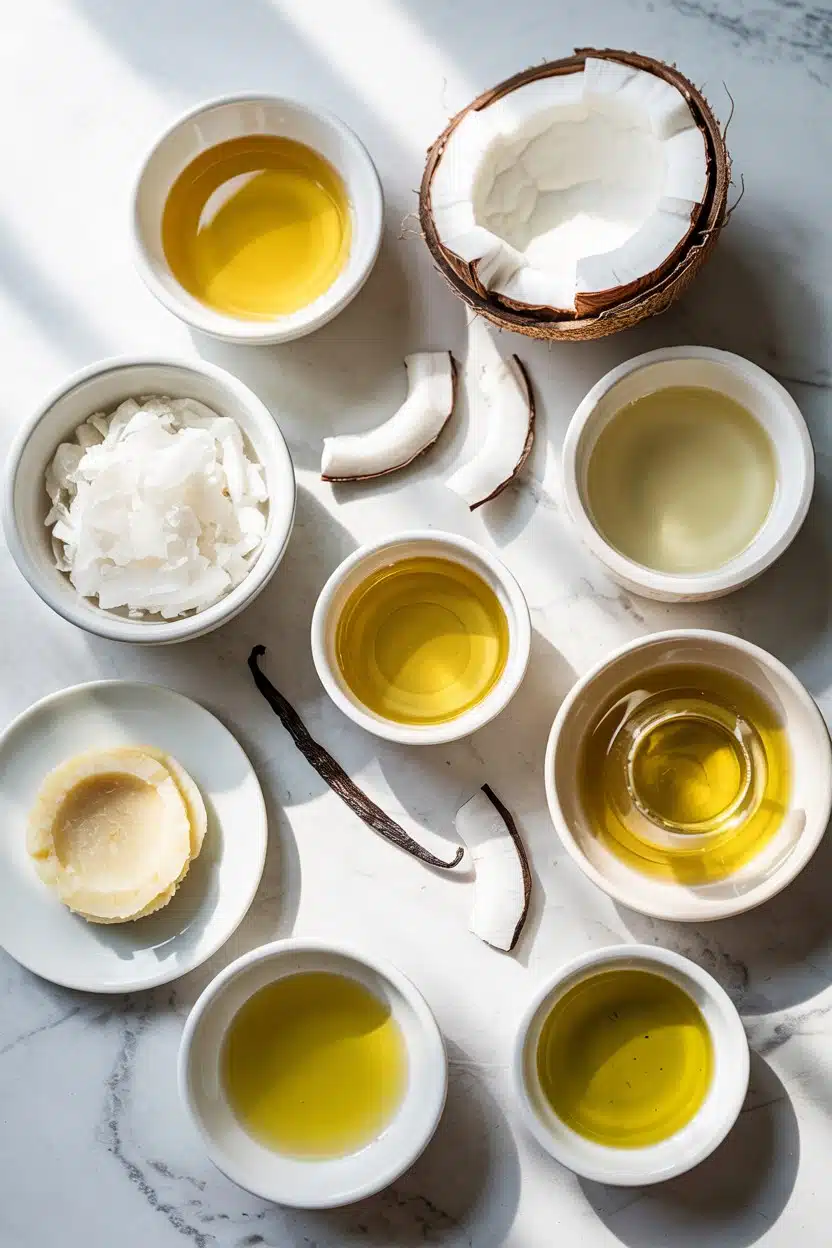
Swaps vary based on whether you need neutral flavor, high smoke point, or specific medium-chain fatty acids. Pick a substitute that matches your recipe's main job-cooking method, flavor, or nutritional goal.
| # | Substitute | Best For | Ratio | Key Note |
|---|---|---|---|---|
| 1 | Coconut Oil | ✨ Both | 1:1 | Mild coconut flavor |
| 2 | Avocado Oil | 🍳 Cooking | 1:1 | High heat stable |
| 3 | Light Olive Oil | 🍳 Cooking | 1:1 | Fruity undertone |
| 4 | Grapeseed Oil | ✨ Both | 1:1 | Very neutral |
| 5 | Vegetable Oil Blend | 🍳 Cooking | 1:1 | Pantry staple |
| 6 | Melted Butter | 🥧 Baking | 1:1 | Adds dairy richness |
| 7 | Macadamia Nut Oil | 🍳 Cooking | 1:1 | Buttery, nutty |
Coconut oil and avocado oil are top substitutes for MCT oil, focusing first on flavor and heat tolerance. Choose based on whether you want a hint of coconut or a buttery mild taste. For best results, adjust cooking temperature to suit the substitute's smoke point.
7 Simple MCT Oil Swaps to Save Time
Some swaps keep things neutral, while others bring their own flavor or texture. Pick based on your cooking method and whether you want the oil to disappear or add character.
Remember it later
Planning to try this recipe soon? Save it for a quick find later!
1 - Coconut Oil
Coconut oil shares MCT oil's tropical origin and similar fatty acid profile. It works in coffee, smoothies, and baking where a hint of coconut flavor fits the recipe.
The flavor leans creamy with mild coconut notes that stand out more than MCT oil's neutral base. Use refined coconut oil if you want less coconut taste, virgin if you're okay with the full flavor coming through.
Here's what to know:
- Solidifies below 76°F, so melt it first for cold recipes
- Swaps 1:1 in any recipe calling for liquid oil
- Works well in bulletproof coffee and energy bites
- Adds slight sweetness to baked goods
If you're short on coconut oil too, Coconut Oil swaps that match covers options with similar tropical profiles.
Skip if: you need completely neutral flavor for salad dressings.
Refined Coconut Oil
Works for: Neutral cooking, high-heat frying, baking where you don't want coconut flavor
Skip if: you want the full coconut aroma in desserts
Virgin Coconut Oil
Works for: Smoothies, energy balls, tropical-flavored baking
Skip if: the recipe needs zero coconut taste
2 - Avocado Oil
Avocado oil handles high heat without smoking and brings a buttery, mild flavor that won't overpower dishes. It stays liquid at room temperature and works in dressings, sautéing, and roasting where you need stable fat.
Use it straight from the bottle in the same amount as MCT oil. The flavor runs more hearty than MCT oil's neutral profile, with a subtle richness that works in savory cooking but can feel heavy in sweet recipes.
Skip if: you're making desserts or drinks where any savory note disrupts the taste.
3 - Light Olive Oil
Light olive oil offers a milder flavor than extra virgin and tolerates medium heat without turning bitter. It fits salad dressings, marinades, and gentle sautéing where you want some fruity undertone without the peppery punch of hearty olive oil.
The swap depends on what olive oil does in your recipe. If you're also out of olive oil, common Olive Oil swaps ranked narrows options by cooking method.
Skip if: you need high-heat frying or completely neutral flavor for baking.
4 - Grapeseed Oil
Grapeseed oil stays neutral in flavor and handles frying temperatures without breaking down. It works in baking, stir-frying, and any recipe where the oil should stay invisible.
Each substitute behaves differently. Understanding the role of grapeseed oil helps you pick the right match-if you're short on grapeseed oil too, Grapeseed Oil alternatives worth trying covers swaps by firmness and cooking behavior.
- Swap 1:1 in any MCT oil recipe
- Smoke point around 420°F makes it frying-friendly
- Very clean flavor that won't change the dish
Use it when you want fat without flavor influence. The texture runs lighter than avocado oil, closer to MCT oil's feel in smoothies and dressings.
Skip if: you're avoiding processed seed oils or want nutritional benefits beyond basic fat.
| Use | Ratio | Notes |
|---|---|---|
| Baking | 1:1 | Neutral flavor keeps cakes and muffins on track |
| Frying | 1:1 | High smoke point prevents burnt taste |
| Dressings | 1:1 | Won't compete with vinegar or citrus |
5 - Vegetable Oil Blend
Vegetable oil blends offer the most neutral option for frying and everyday cooking where you need fat without any distinct flavor. They handle high heat and work in baking, sautéing, and deep frying without changing the dish.
The flavor stays bland, which makes it useful when you want zero interference. Swap it 1:1 for MCT oil in any cooked recipe, though it lacks the medium-chain triglycerides if you're using MCT oil for specific nutritional reasons.
Each substitute behaves differently. Understanding the role of vegetable oil helps you pick the right match-if you're out of vegetable oil too, Vegetable Oil alternatives to try covers options by texture and heat tolerance.
Skip if: you're looking for unrefined or minimally processed oils.
6 - Melted Butter
Melted butter adds richness and dairy flavor that works in baking and sautéing where you want a creamy, slightly sweet note. It browns when heated, which adds nutty depth to sauces and roasted vegetables.
Each substitute behaves differently. Understanding the role of butter helps you pick the right match-if you're short on butter as well, Butter substitutes for cooking covers dairy-free and vegan options.
- Use 1 tablespoon melted butter per 1 tablespoon MCT oil
- Lower smoke point around 350°F means it burns faster than neutral oils
- Adds golden color and buttery aroma to baked goods
- Solidifies when chilled, so it won't work in cold drinks
The flavor shift is noticeable. Use it when that buttery note enhances the dish, not when you need neutral fat.
Skip if: you're making vegan recipes or drinks like bulletproof coffee.
7 - Macadamia Nut Oil
Macadamia nut oil brings a buttery, nutty flavor that works in dressings and low-heat cooking where you want subtle richness. It stays liquid at cool temperatures and adds a smooth, mild taste without overpowering other ingredients.
The swap depends on what macadamia nuts do in your recipe. If you're also out of macadamia nut oil, Macadamia Nuts substitutes ranked covers nut-based and neutral options.
What to expect:
- Swap 1:1 in dressings and finishing drizzles
- Lower smoke point around 390°F limits high-heat use
Use it when you want a luxurious feel in cold dishes. The flavor runs richer than MCT oil, so it shows up in salads and drizzles over roasted vegetables.
Skip if: you need high-heat frying or completely neutral flavor.
How to Choose an MCT Oil Substitute
The right choice depends on your cooking method and whether you need neutral flavor. For high-heat cooking, avocado oil or grapeseed oil handle frying temperatures without breaking down.
For baking and dressings where flavor should stay invisible, grapeseed oil or vegetable oil blends work best.
- Closest match - Coconut oil for similar fatty acid profile
- Easiest grab - Vegetable oil blend for pantry convenience
- High-heat option - Avocado oil for stable frying at 500°F+
Frequently Asked Questions
Yes, but light olive oil works better than extra virgin because it brings less peppery flavor. The texture blends smoothly when you use a frother or blender, though you'll taste a subtle fruitiness that MCT oil doesn't have.
Grapeseed oil or melted coconut oil work best because they stay neutral or add complementary sweetness. Use refined coconut oil if you want zero coconut flavor, grapeseed oil if you need completely neutral fat.
Coconut oil contains medium-chain triglycerides, but in lower concentrations than pure MCT oil. If you're using MCT oil for specific nutritional goals like ketone production, coconut oil provides some benefit but not the same potency.
No, butter solidifies when blended with cold ingredients and creates an unpleasant texture. Use liquid oils like avocado oil, grapeseed oil, or melted coconut oil for smoothies.
Avocado oil handles the highest heat with a smoke point around 520°F, followed by grapeseed oil at 420°F. Both stay stable without burning or creating off flavors during deep frying or searing.
7 Best Substitutes for Mct Oil
Ingredients
Method
- Choose a substitute that fits your recipe's main job-consider cooking method, flavor profile, or nutritional goal.
- If using coconut oil, melt it first especially for cold recipes to ensure smooth texture.
- Measure the substitute at a 1:1 ratio equal to the MCT oil amount called for in your recipe.
- Use oils with neutral flavor like grapeseed or vegetable blend when you want the oil to stay invisible in dressings or baking.
- Opt for high smoke point oils like avocado or grapeseed oil for frying or high-heat cooking.
- Avoid substitutes that add flavor if your recipe requires neutrality; for example, skip butter in smoothies and light olive oil for high heat frying.
- Taste test and adjust the recipe if the substitute oil flavor impacts the dish, especially with nutty or buttery oils.



