
Most people assume maida flour is just a South Asian rebranding of standard white flour - same product, different label.
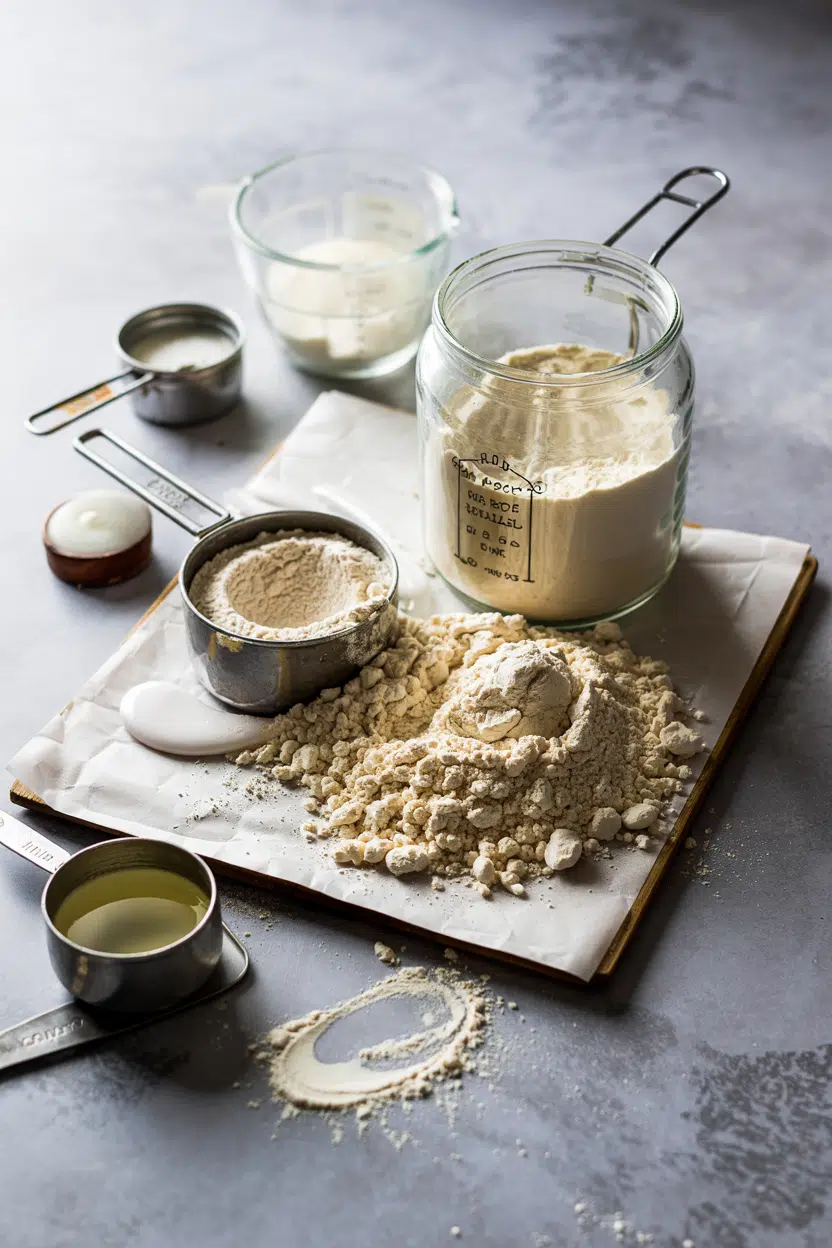
That assumption misses why samosa shells stay crisp without going greasy, why bhature puffs to a hollow pillow in hot oil, and why Indian bakery biscuits break with that specific short snap.
Maida flour is a finely milled, highly refined wheat flour made from the endosperm alone. It has a very mild, neutral flavor and produces crisp fried shells, soft puffed breads, and tender baked goods - a staple across South Asian kitchens and bakeries.
What Is Maida Flour?
Maida is a refined wheat flour produced by milling only the starchy endosperm of the wheat grain and discarding the bran and germ entirely.
Remember it later
Planning to try this recipe soon? Save it for a quick find later!
The result is a powder far finer than most Western all-purpose flours - silky to the touch, pale white, and almost uniform in particle size.
The flour originates from the Indian subcontinent and remains a foundational ingredient across Indian, Pakistani, and Bangladeshi cooking. You'll sometimes see it labeled all-purpose Indian flour or simply refined wheat flour, and the occasional misspelling "maidaa" appears on imported packaging.
Understanding how cooking wheat perfectly affects starch behavior helps explain why maida's extra refinement matters - finer particles hydrate faster and form a smoother, more elastic gluten network.
That network is what gives samosa wrappers their thin, taut stretch before frying.
Unlike cooking bread flour perfectly where high protein content drives structure, maida sits at a moderate protein level, giving it enough gluten for dough-based work without the toughness of a high-protein bread flour.
- 🌾 Origin - Indian subcontinent; still milled and used across South Asia daily
- 🔬 Composition - Endosperm only; no fiber from bran, no fat from germ
- 🏷️ Also called - All-purpose Indian flour, refined wheat flour, white flour
- ⚗️ Protein level - Moderate; sufficient for elastic dough, not overpowering
What Does Maida Flour Taste Like?
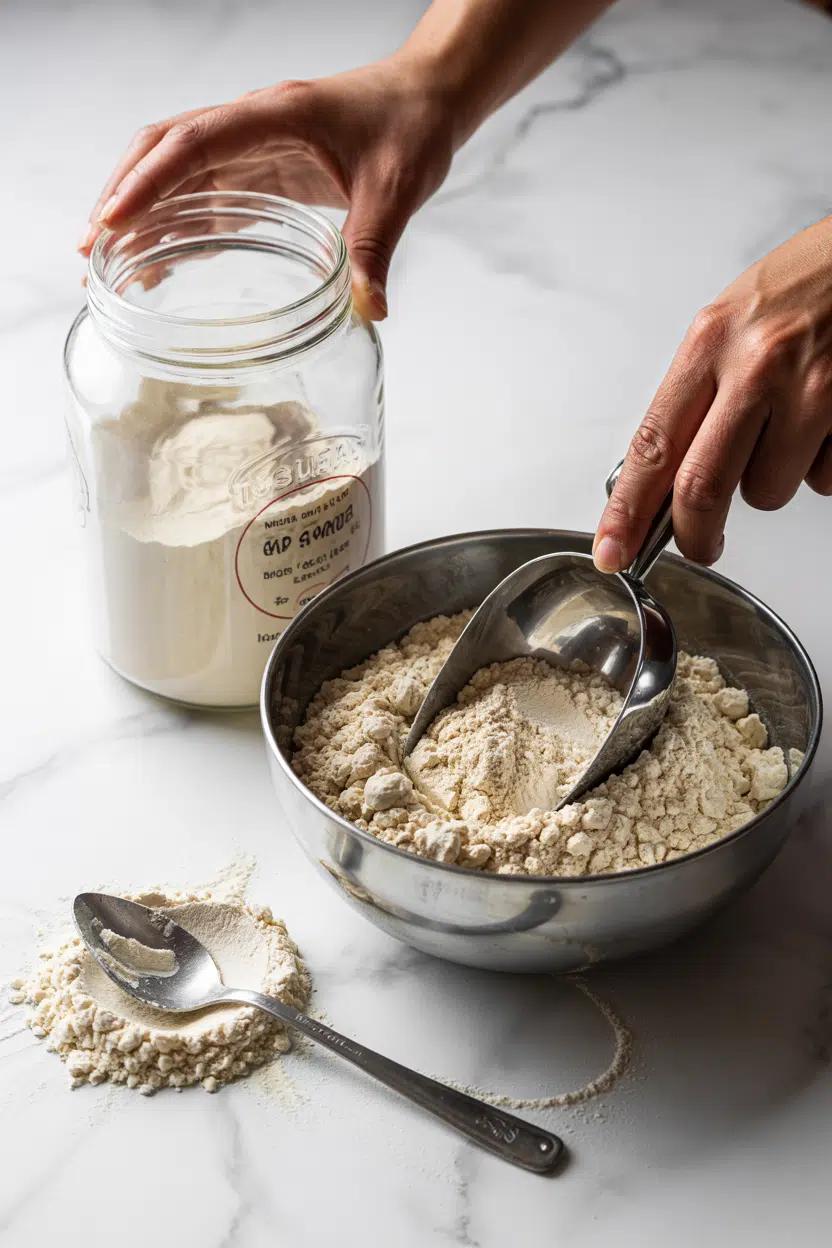
Maida's flavor is deliberately minimal. A faint sweetness from the starch and a low background grain note are all you'll detect on its own - the flour is engineered to stay out of the way of spices, ghee, and fillings.
Compared to U.S. all-purpose flour, the flavor is slightly milder and the mouthfeel of baked goods is notably finer in crumb. Raw dough made from maida has that clean, starchy quality with no wheaty bitterness that whole-grain flours carry.
Heat changes the picture. Frying pushes maida toward a light golden, subtly toasty note - which is part of why a well-fried samosa shell smells more interesting than it tastes alone.
Baking at moderate temperatures keeps the crumb pale and neutral, while over-baking introduces a faint biscuity edge.
How to Use Maida Flour
Maida earns its place across a wider range of cooking methods than most single-purpose flours.
The flour's fine particle size and moderate gluten mean it responds differently depending on how you handle it - rest the dough long enough and it becomes extensible; work it quickly in a cold fat and it turns short and flaky.
South Asian cooks use maida as the default wrapper flour. Samosa and kachori pastry relies on it for that thin, non-greasy shell that holds filling without cracking.
For what pairs with samosas, the neutral flavor of the maida shell means chutneys and dips define the plate, not the pastry itself.
| Method | Best For | Tip |
|---|---|---|
| 🍳 Deep-Frying | Samosa shells, kachori, bhature, pakora batter | Rest the dough at least 20 minutes for a more extensible, even shell |
| 🥖 Baking | Cakes, biscuits, cookies, Indian bakery breads, kulcha | Sift once before measuring to keep crumb fine and even |
| 🥘 Pan-Frying | Layered parathas, flatbreads needing tender layers | Use ghee between laminated layers for maximum flakiness |
| 🥣 Batters | Pakora, fritter coatings, light tempura-style dips | Add ajwain or cumin to the batter - maida's neutral base won't fight them |
| 🥄 Sauces | Roux-based white sauces, thickening gravies | Cook the roux fully to remove any raw flour taste |
Ghee, yogurt, and baking powder are maida's most common companions. Yogurt adds acidity that relaxes the gluten for softer breads; baking powder gives bhature and pav bhaji buns their lift. Eggs and milk extend its use into Western-style baking with no adjustment needed.
If you're experimenting with swaps, checking alternatives to maida flour or all purpose flour swaps that work covers both directions - substituting maida out and substituting it in.
How to Buy and Store Maida Flour
Good maida should look uniformly pale white - no gray, yellow, or off-white patches that signal age or poor milling. Smell the bag before you buy if you can; fresh maida is neutral, nearly odorless.
A musty or sour smell means oxidized fat from inadequate endosperm separation.
Check the manufacture or milling date rather than just the best-before date. Prefer recently milled stock when your store turns over inventory slowly.
Understanding how long flour keeps helps you decide whether a near-dated bag is still worth buying.
- Unopened - 6-12 months in a cool, dry pantry away from direct light
- Opened - Transfer to an airtight container; use within 3-6 months at room temperature
- Humid climates - Refrigerate after opening to prevent clumping and slow rancidity
- Freezing - Works well for long storage; bring to room temperature before using to avoid condensation
For more detail on shelf life and signs of spoilage, maida flour in grain dishes covers the storage window in depth.
Where to Start With Maida Flour
Start with samosa pastry or a simple bhature dough if you're new to maida - both recipes reveal exactly what the flour does differently from regular all-purpose. The samosa shell teaches you how resting time affects extensibility; bhature shows you how maida takes a leavened dough from dense to dramatically puffed.
If you've already cooked with maida and want a comparison, the taste of all purpose flour breaks down how the two flours differ in flavor and performance. The gap is subtle but it shows up clearly in fried applications.
Once you're comfortable with the basics, move into laminated flatbreads or a simple Indian bakery-style biscuit where the fine crumb becomes the point rather than the background.
Frequently Asked Questions
Close, but not identical. Maida is milled finer and typically has a slightly lower protein content than U.S. all-purpose flour. In most recipes they're interchangeable, but maida produces a noticeably smoother dough and finer crumb.
Yes, and it works well. Its fine particle size produces a tender, tight crumb similar to cake flour. No special adjustments are needed - just measure by weight for consistency.
It's low in fiber and has a higher glycemic index than whole wheat flour. Enriched versions add back some iron, but maida is not a nutritional substitute for whole-grain flours.
U.S. all-purpose flour is the closest swap at a 1:1 ratio. For fried applications, sifting all-purpose flour once brings the texture closer to maida's fine grind.
Maida's moderate gluten develops a strong, elastic network that traps steam when the dough hits hot oil. The absence of bran means nothing interrupts that network, so the steam expands it fully before the crust sets.



