
Most people assume liquid aminos is just a trendy name for soy sauce in a different bottle.
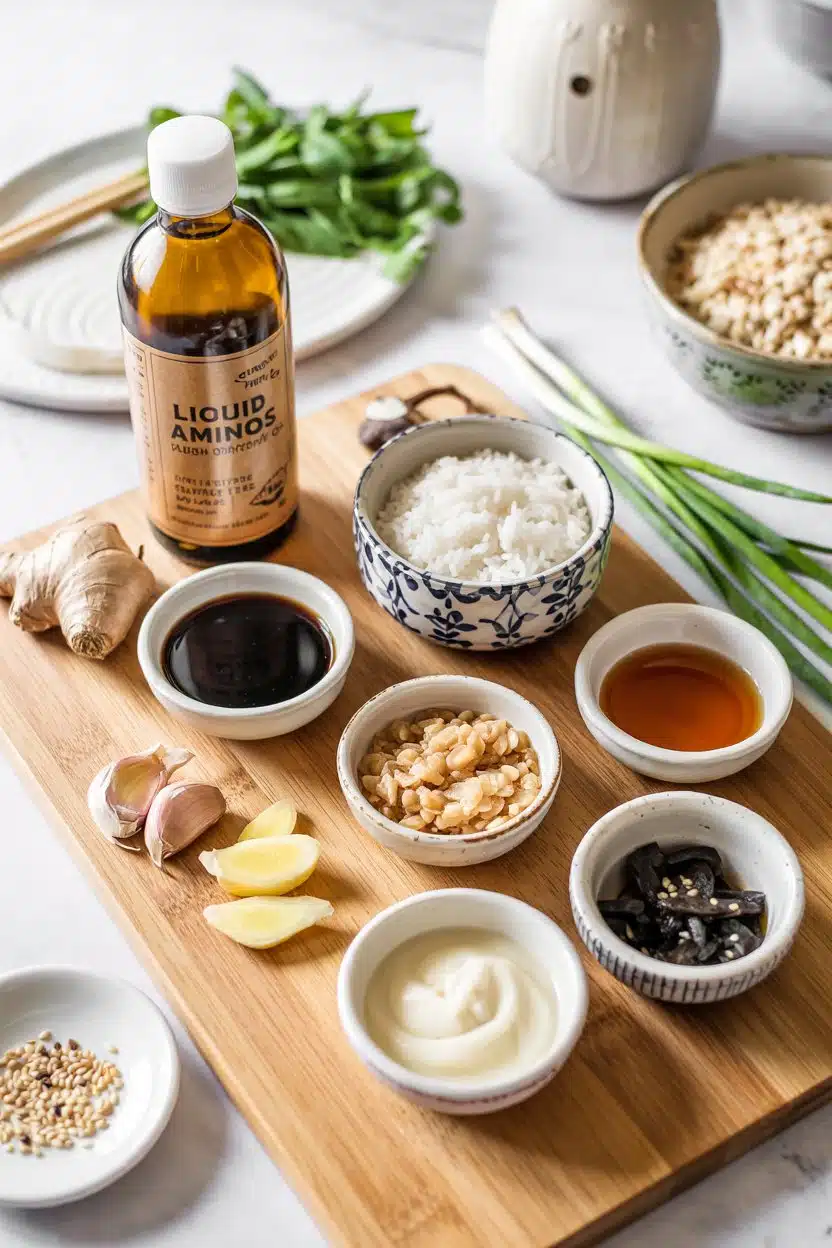
That assumption costs them - because the two seasonings behave differently at the table, and swapping them without knowing those differences leads to over-salted marinades and muddled sauces.
Liquid aminos is a dark, concentrated seasoning made from hydrolyzed soy protein (or coconut sap). It delivers strong umami with a cleaner, slightly sweeter finish than soy sauce. Use it as a finishing drizzle, in marinades, or whisked into dressings.
What Is Liquid Aminos?
Liquid aminos is a ready-to-use seasoning produced through hydrolysis - a process that breaks soy protein down into its component amino acids using water and sometimes acid.
Remember it later
Planning to try this recipe soon? Save it for a quick find later!
The result is a thin, dark amber liquid with no fermentation involved, which separates it from traditionally brewed soy sauce.
Bragg Liquid Aminos is the most recognized brand in the U.S. market, though the category now includes coconut aminos, which uses fermented coconut sap instead of soy and carries a slightly milder, sweeter profile.
Both versions are sold as condiments and cooking seasonings. Coconut aminos suits anyone avoiding soy, and you can find coconut aminos swaps that work if that version is unavailable.
Flavor
Texture
Aroma
Strong
What Does Liquid Aminos Taste Like?
Think of it as soy sauce with the fermented edge dialed back. The saltiness hits first, followed by a round, protein-forward umami note - but there's no sharp tang, no vinegar-like bite, and noticeably less bitterness than most traditionally brewed soy sauces.
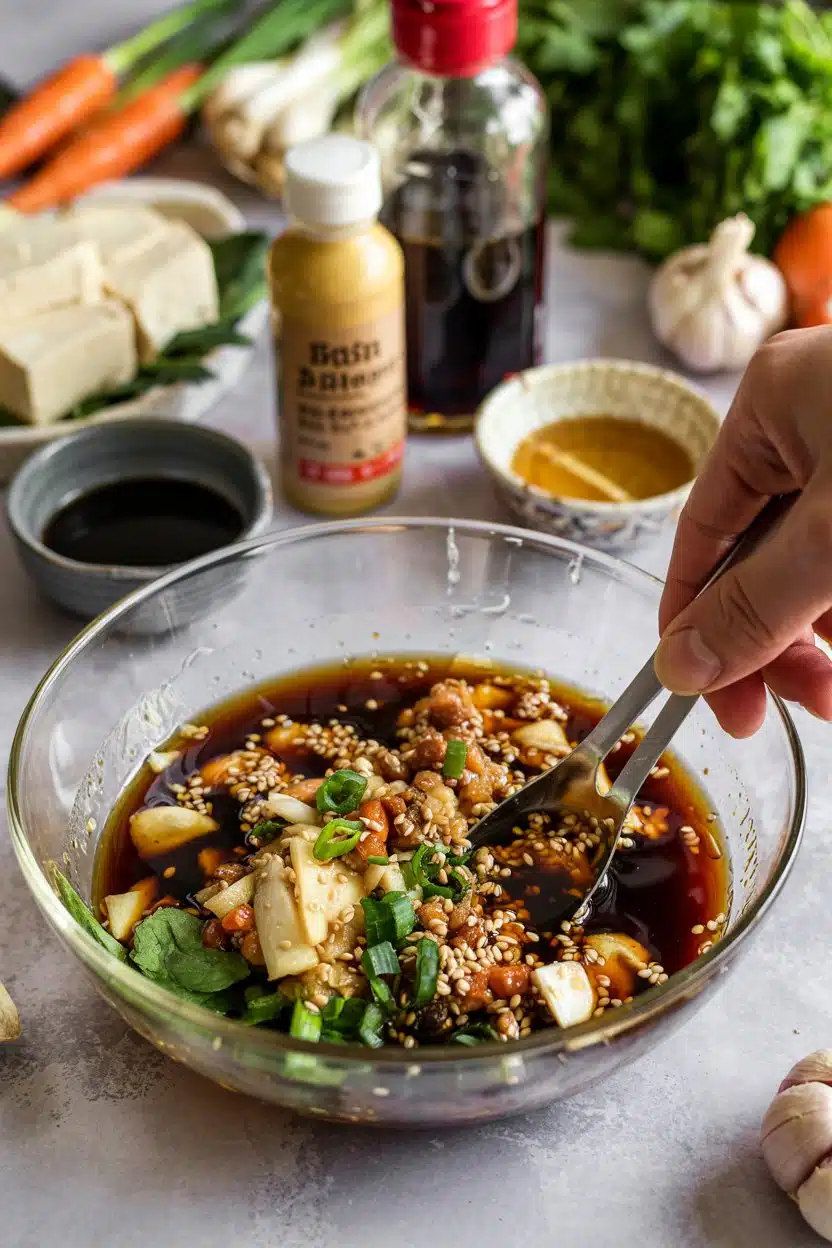
That cleaner soy protein sweetness is what makes it distinct.
Heat concentrates the flavor quickly. Add it too early in a stir-fry and the sweetness can turn slightly sharp; added in the last minute, it keeps its brightness.
Coconut aminos reads noticeably sweeter and milder on the palate - closer to a light teriyaki glaze than a straight salt substitute. The standard soy-based version sits between tamari and light soy sauce in intensity, which is why it functions well as a 1:1 swap in most savory applications. If you've been swapping out tamari in recipes, liquid aminos is a comparable transition.
How to Use Liquid Aminos
Liquid aminos works best as a finishing seasoning or a marinade base - not as a long-cooking ingredient. Its flavor is brightest when added late.
Because it lacks the caramel depth that comes from fermentation, it won't color a braise the way dark soy sauce does, but it seasons cleanly without muddying a broth.
| Method | Best For | Tip |
|---|---|---|
| 🥗 Finishing Drizzle | Steamed rice, grains, roasted vegetables | Add after heat; 1 teaspoon is enough for a full bowl |
| 🍳 Stir-Fry | Tofu, mushrooms, leafy greens | Add in the last 60 seconds to preserve brightness |
| 🥩 Marinade | Chicken, fish, tempeh, tofu | Use 1-2 tablespoon per serving; pairs well with ginger and sesame oil |
| 🫙 Dressings & Sauces | Vinaigrettes, dipping sauces for dumplings | Whisk in off-heat; it blends without heating |
| 🍲 Soup & Broth | Miso soup, ramen, vegetable stock | Add 1 teaspoon near the end - won't cloud the liquid |
It fits naturally into Asian-influenced cooking and plant-forward Western dishes. For a marinade-forward application, it anchors well in recipes like baked salmon marinades or Thai peanut dipping sauce where layered savory notes are the goal.
🌏 Pan-Asian
🌿 Plant-Forward Western
🔀 Modern Fusion
shiitake mushrooms
sesame oil
garlic
ginger
rice
green onions
mirin
How to Buy and Store Liquid Aminos
A good bottle has a short ingredient list - soy protein and water, or coconut sap for the coconut version.
Avoid anything with a cloudy appearance, sediment floating at the bottom, or a bloated cap; those are signs of contamination.
The color should read deep amber to dark brown, consistent throughout.
Understanding liquid aminos spoilage signs before you buy can help you evaluate older bottles at the back of a shelf.
Store unopened bottles in a cool, dark pantry for up to 24 months. Once opened, move it to the refrigerator - room temperature storage after opening accelerates color darkening and flavor loss.
Refrigerated, an open bottle holds well for 6-12 months.
When to Reach for Liquid Aminos
Use it when you want clean umami without fermented depth - finishing a bowl of rice, building a quick marinade, or whisking into a dressing in under a minute.
It's the right call for gluten-free cooking where soy sauce is off the table, and it works anywhere alternatives to soy sauce are needed without sacrificing the savory baseline.
Skip it on anything cream-based or delicately sweet - the salt load disrupts those dishes fast.
If you want to understand exactly what makes soy sauce distinct by comparison, that contrast sharpens your sense of when liquid aminos is the better tool.
Frequently Asked Questions
No - the production method is fundamentally different. Soy sauce is brewed through fermentation over weeks or months, which creates complex acidic and bitter notes. Liquid aminos skips fermentation entirely, using hydrolysis to break down soy protein, which produces a cleaner, slightly sweeter flavor with less tang.
Yes, in most recipes a 1:1 swap works without adjustment. The main difference is that liquid aminos is slightly less salty and lacks the fermented depth of soy sauce, so dishes may taste marginally milder. In strongly seasoned recipes - marinades, stir-fries, dipping sauces - the difference is minimal.
Standard soy-based liquid aminos are typically gluten-free because no wheat is used in hydrolysis - unlike most traditionally brewed soy sauces which include wheat. However, manufacturing cross-contamination is possible, so check the label for a certified gluten-free designation if you have celiac disease or a serious intolerance.
They provide free amino acids and trace minerals but aren't a meaningful protein source at typical serving sizes. The more relevant consideration is sodium - a teaspoon of Bragg Liquid Aminos contains around 160 mg of sodium, so heavy use adds up quickly. For lower-sodium needs, coconut aminos contains roughly 40% less sodium per serving.
Yes, and this is one of its strongest applications. A small splash over cooked grains, roasted vegetables, or eggs adds both salt and umami simultaneously, which a standard salt shaker can't replicate. Keep the bottle at the table the same way you would soy sauce - a few drops go further than you'd expect.



