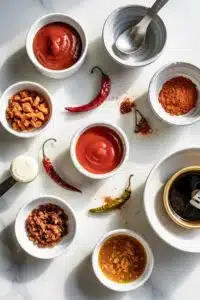
You just measured out the last tablespoon of kimchi for your jjigae, then realized the recipe calls for three. A good swap brings the same tangy heat and crunch.

We tested these swaps to find what works when the jar runs dry. Start by matching the recipe's need-fermented tang, spice, or texture-then adjust from there.
Spiced sauerkraut comes closest for stews and fried rice, while pickled napa cabbage works well as a fresh topping. Indian achaar brings bold heat but changes the flavor profile completely.
5 Easy Kimchi Swaps for Cooking
Kimchi delivers three things at once: fermented tang, spicy heat, and crisp texture. The best swap depends on which of those your recipe needs most.
Remember it later
Planning to try this recipe soon? Save it for a quick find later!
| # | Substitute | Best For | Ratio | Key Note |
|---|---|---|---|---|
| 1 | Spiced Sauerkraut | 🍳 Cooking | 1:1 + spices | Add 1 teaspoon gochugaru per tbsp |
| 2 | Pickled Napa | 🍳 Cooking | 1.5:1 | Softer texture, milder flavor |
| 3 | Indian Achaar | 🍳 Cooking | 0.5:1 | Very intense, different spice profile |
| 4 | Gochujang Mix | 🍳 Cooking | 1 teaspoon paste + 1 tablespoon cabbage | No crunch, sweeter finish |
| 5 | Quick Pickles | 🍳 Cooking | 1.5:1 | Less fermented depth |
1 - Spiced Sauerkraut
Sauerkraut brings fermented tang and that signature crunch kimchi is known for. Adding gochugaru and fresh garlic bridges the gap between German sour and Korean spicy.
Use equal amounts of drained sauerkraut, then stir in 1 teaspoon gochugaru and 1 finely minced garlic clove per tablespoon. The result tastes more tart than kimchi but hits similar notes in stews and fried rice.
Spiced Sauerkraut
Works for: Korean stews, kimchi fried rice, soup bases that need tangy heat
Skip if: You need authentic kimchi flavor for banchan or need exact spice balance
Plain Sauerkraut
Works for: Dishes where fermented tang matters more than heat
Skip if: The recipe depends on kimchi's spice or garlic punch
Here's what to know:
- Drain sauerkraut well before adding spices or it dilutes the gochugaru
- Fresh garlic works better than powder for matching kimchi's pungency
- The flavor skews more cabbage-forward since sauerkraut lacks radish and scallion
Out of gochugaru too? Korean chili swaps covers options that bring similar heat.
2 - Pickled Napa
Pickled napa cabbage offers sourness and a vegetable base close to kimchi's main ingredient. Chili flakes add the missing heat element.
Use 1.5 times the amount of pickled cabbage with a pinch of chili flakes stirred in. The texture stays softer and less snappy than kimchi, but the acidity registers clearly. Missing napa cabbage too? Cabbage swaps for cooking has alternatives that work in pickling.
Skip if: Your recipe needs kimchi's crunch, like in fresh ssam wraps or cold noodle toppings.
3 - Indian Achaar
Achaar packs intense fermented tang and complex spice in a dense, oil-based pickle. Mango or mixed vegetable versions both work.
Use half the amount of achaar compared to kimchi called for. Chop it finely before stirring into your dish. The flavor profile shifts toward Indian spices rather than Korean, but the fermented heat and acidity still work in bold soups and stir-fries.
The essentials:
- Fruity achaar varieties add sweetness kimchi doesn't have
- Oil content makes achaar coat dishes differently than kimchi brine
- Texture ranges from chunky to paste-like depending on the brand
- Works best as a finishing garnish rather than cooked-in ingredient
Skip if: You're making delicate dishes like soft tofu stew where kimchi's specific flavor is the star.
4 - Gochujang Mix
Gochujang delivers umami and fermented heat in paste form. Shredding fresh cabbage into it recreates some of kimchi's vegetable bulk.
Mix 1 teaspoon gochujang with 1 tablespoon shredded cabbage per tablespoon of kimchi. The paste dissolves into soups and stews easily but won't give you kimchi's texture. Don't have gochujang either? Fermented chili paste alternatives lists options with similar depth.
Skip if: Crunch matters, like in rice bowls or as a banchan where kimchi's texture is part of the experience.
5 - Quick Pickles
Quick-pickled vegetables made with rice vinegar and fresh chili bring clean acidity and snap. The trade-off is less fermented complexity.
| Use | Ratio | Notes |
|---|---|---|
| Fresh side dish | 1.5:1 | Clean snap, gentle heat |
| Cold noodle topping | 1.5:1 | Bright acidity, less funk |
| Cooked stew | 1.5:1 | Lacks deep umami |
Use 1.5 times the volume of quick pickles to compensate for milder flavor. The acidity hits fast but fades quicker than kimchi's long fermented tang.
Quick specs:
- Slice vegetables thin so they pickle faster
- Fresh chili gives heat without fermented depth
Out of rice vinegar as well? Vinegar swaps for pickling covers acidic options that work.
Skip if: Your recipe depends on kimchi's fermented funk, like in traditional kimchi jjigae.
Making Kimchi Substitutes Work
The best substitute depends on your recipe. Cooked dishes forgive differences better than fresh applications.
Match the core function-tang, heat, or crunch-then adjust from there.
- Closest match - Spiced sauerkraut for stews needing fermented crunch
- Easiest grab - Gochujang mix for quick soup bases
- Dietary option - Quick pickles for fresh vegan bowls
Frequently Asked Questions
Plain sauerkraut works 1:1 but tastes too mild. Add 1 teaspoon gochugaru and 1 minced garlic clove per tablespoon to bridge the flavor gap between German sour and Korean spicy heat.
Spiced sauerkraut comes closest for stew but still tastes different. The fermented depth and specific spice balance matter more in kimchi jjigae than in fried rice or quick stir-fries where swaps hide better.
Add 1-2 tablespoon water or broth per tablespoon of dry substitute like quick pickles. Kimchi releases brine as it cooks, so drier swaps need extra liquid to match the consistency.
Mix shredded napa cabbage with rice vinegar, gochugaru, minced garlic, and salt. Let it sit 30 minutes for a quick pickle that mimics kimchi's tang and heat but lacks fermented depth.
Gochujang adds heat and umami but no crunch. Mix 1 teaspoon paste with 1 tablespoon shredded cabbage to get closer to kimchi's texture and use it for flavor in fried rice or stir-fries.
5 Best Substitutes for Kimchi
Ingredients
Method
- Choose the substitute based on your recipe's need: fermented tang, spicy heat, or crunchy texture.
- For spiced sauerkraut, drain well before mixing in 1 teaspoon gochugaru and 1 finely minced garlic clove per tablespoon.
- Use pickled napa cabbage at 1.5 times the amount called for and stir in chili flakes to add heat.
- For Indian achaar, use half the amount named for kimchi, chop finely, and add gradually to taste due to its intensity.
- Mix gochujang paste with shredded cabbage at 1 teaspoon paste plus 1 tablespoon cabbage per tablespoon of kimchi needed.
- Use quick pickles at 1.5 times the volume; slice vegetables thin for faster pickling and add fresh chili for heat.
- Adjust seasoning and add 1-2 tablespoons water or broth per tablespoon for drier substitutes like quick pickles to match consistency.
- Taste and adjust amounts gradually to balance heat and tang according to your dish's requirements.