Crack open a raw hazelnut and the scent is almost nothing - mild, faintly green. Toast it, and the whole room shifts: brown butter, warm wood, a whisper of cocoa.
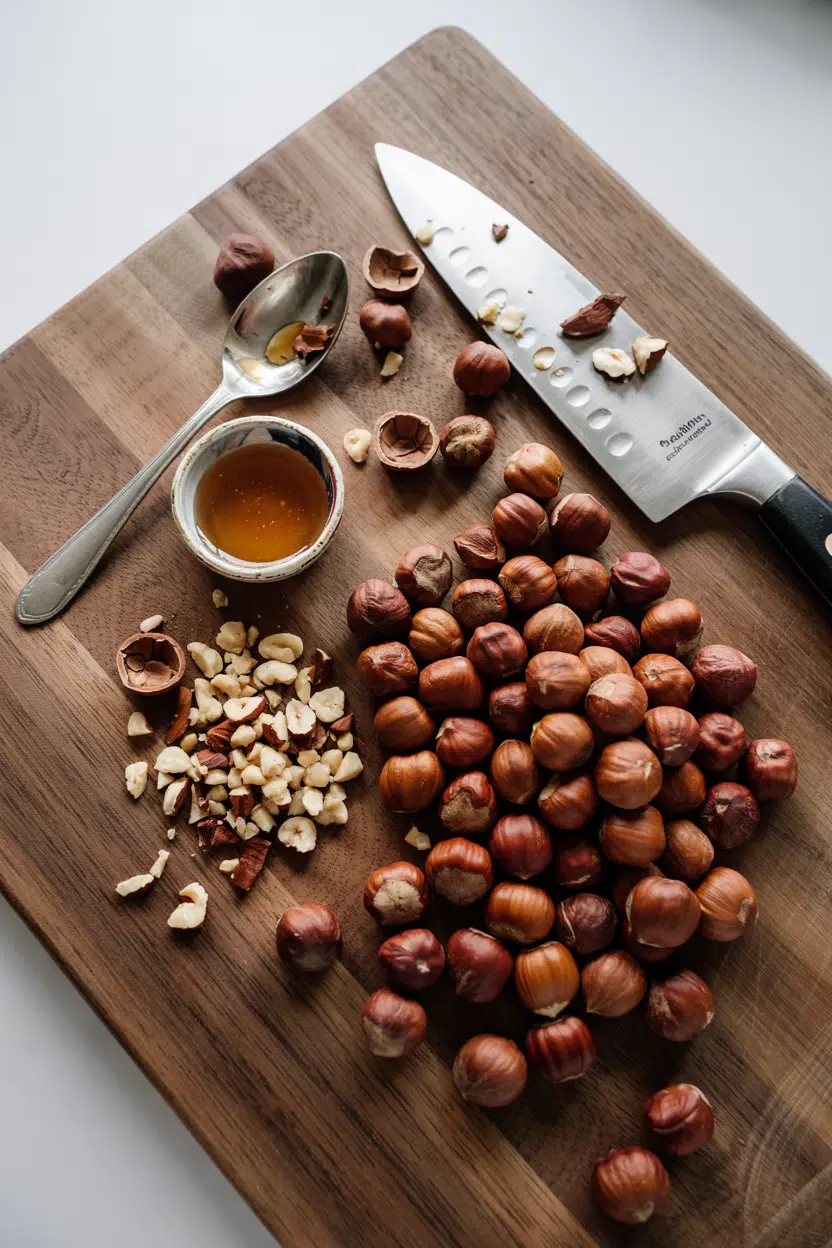
That transformation is the heart of what hazelnuts do, and it sets them apart from pecans and its flavor or any other nut in the same category.
If you've been reaching for a finishing oil and wondering about swapping out walnut oil, pressed hazelnut oil deserves a serious look.
The hazelnut is a small round tree nut with a sweet, buttery, toasty flavor that deepens dramatically with heat. Eaten raw, roasted, ground into praline, or pressed into oil, it's a staple in European baking and confectionery with a shelf life that rewards buying in bulk.
What Is Hazelnut?
The hazelnut is the seed of Corylus avellana, a shrub native to temperate Europe and western Asia. Turkey grows roughly 70% of the world's supply, which explains why it anchors so much of Middle Eastern and Italian confectionery.
Remember it later
Planning to try this recipe soon? Save it for a quick find later!
You'll find it sold under a few names. Filbert is the most common alternate name in North America; cobnut refers to a fresh, unhusked variety popular in the UK, eaten before full drying.
The nut sits inside a hard brown shell with a papery inner skin. That skin is bitter when raw - most recipes call for removing it after roasting by rubbing the warm nuts in a towel.
Three commercial forms dominate:
- 🌰 Whole in-shell - longest shelf life, best for long storage
- Shelled raw - ready to roast or grind, most widely stocked
- Blanched - skin already removed, used in fine pastry work and gianduja production
If your recipe calls for hazelnut and you're out, knowing the closest options for hazelnut butter stand-ins or full nut replacements is worth having on hand before you start.
What Does Hazelnut Taste Like?
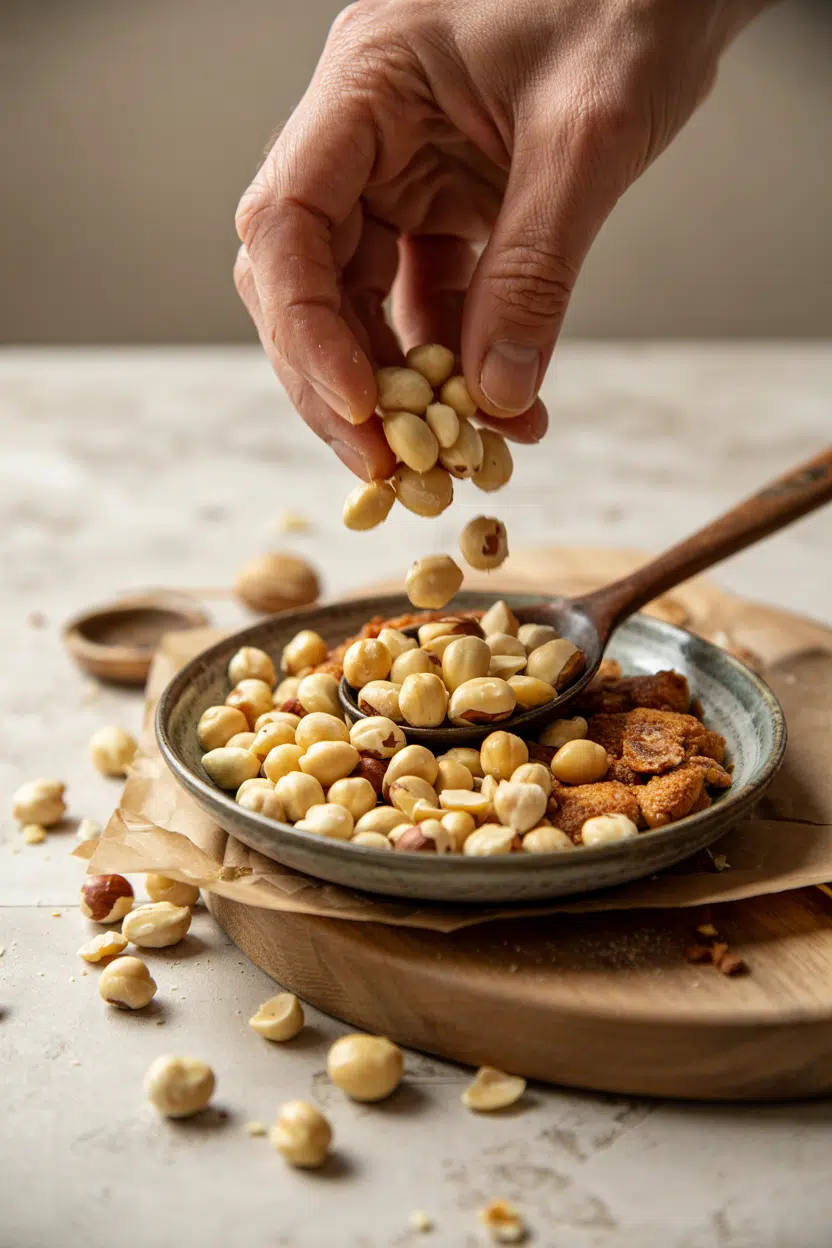
Raw hazelnuts taste mildly sweet and faintly earthy, closer to a fresh-pressed oil than a roasted snack. The flavor is round and low-key - not sharp, not astringent.
Heat changes everything. Dry-roasting pulls out deep buttery and toasty notes along with that characteristic cocoa-like edge, which is why most professional recipes specify roasted nuts even when the application is cold.
Compared to almonds and its flavor, hazelnuts are richer and rounder with less of the clean, dry crispness. The butter note is distinctly hazelnut's - almonds don't carry it.
How to Use Hazelnut
Hazelnuts cross between sweet and savory kitchens with little effort. Italian and French pastry traditions make the heaviest use of them - gianduja (the chocolate-hazelnut paste behind most commercial spreads), praline, and Paris-Brest are built around this nut.
| Method | Best For | Tip |
|---|---|---|
| 🥗 Raw | Muesli, granola, light salads | Skin-on adds slight bitterness; blanch first for cleaner flavor |
| 🔥 Dry-Roasted | Chopped toppings, nut butters, crusts | Roast at 160°C/325°F for 10-12 minutes; rub skins off while warm |
| 🎂 Ground/Paste | Praline, cakes, gianduja, spreads | Process roasted nuts until oil releases for smooth paste |
| 🫙 Pressed Oil | Finishing dressings, drizzling over roasted veg | Use unrefined oil cold; heat destroys its aroma fast |
On the savory side, finely chopped hazelnuts work as a crust for chicken or fish - the roasted notes pair well with rosemary and brown butter sauces.
Whole roasted hazelnuts scattered over grain bowls or roasted root vegetables add crunch and a nutty counterpoint to earthy flavors.
Chocolate and coffee are the closest flavor partners. Pear, vanilla, and brown butter also pull out the nut's sweeter register effectively.
One pairing to skip: very delicate fish like sole or flounder, where the nut's assertive roasted quality overwhelms the protein unless you're building a deliberate crust.
If hazelnut butter isn't available for a recipe, knowing your alternatives to macadamia oil or similar mild-fat options helps you stay on track.
How to Buy and Store Hazelnut
Buying whole in-shell hazelnuts gives you the most flexibility - shells protect the fat inside from oxidizing.
For shelled nuts, look for a uniform tan color with no oily sheen on the surface and no musty smell, both of which signal rancidity.
Storage is straightforward:
- Room temperature - airtight container, up to 3 months; fine for frequent use
- Refrigerator - airtight, 6-9 months; best for opened bags
- Freezer - up to 12 months with no quality loss; freeze in portion-sized bags
- Whole in-shell - cool, dry pantry for up to a month; no special container needed
A full breakdown of variables - humidity, shell-on vs. shelled, roasted vs. raw - lives in the guide to hazelnut's shelf life.
Where to Start with Hazelnut
If this nut is new to your kitchen, roast a small batch first. Smell the difference between raw and roasted - that shift tells you everything about why this ingredient works.
From there, the clearest entry points depend on what you cook most:
- Bakers - start with a simple praline paste; it takes 20 minutes and opens every French pastry application, including [making paris brest praline choux at home](https://forkliftkitchen.com/paris-brest-praline-choux/)
- Savory cooks - scatter toasted chopped hazelnuts over roasted carrots or squash with a drizzle of brown butter
- Spread lovers - blend roasted hazelnuts into a nut butter before adding any chocolate; the base flavor alone is worth knowing
Need to replace it? Swapping out hazelnut covers which nuts hold up in which applications.
Frequently Asked Questions
Yes, in most contexts. Filbert is the North American commercial name for the same nut - Corylus avellana. Some growers use "filbert" specifically for a longer, more tubular variety, but in grocery stores and recipes the two names are interchangeable.
Yes. Shelled hazelnuts freeze well for up to 12 months with no meaningful flavor loss. Pack them in airtight bags in small portions so you're not thawing and refreezing the whole batch repeatedly.
Hazelnuts are richer and more buttery; almonds are drier and cleaner-tasting. Hazelnuts also carry a faint cocoa-like edge that almonds don't have, making them better suited to chocolate pairings.
Unrefined hazelnut oil tastes intensely of roasted hazelnuts - nutty, buttery, and slightly sweet. It's used as a finishing oil, not for cooking, because heat destroys its aroma quickly.
They're high in monounsaturated fats (oleic acid), vitamin E, and manganese. They're calorie-dense, gluten-free, and suitable for vegan diets, but they're a significant allergen for anyone with a tree-nut sensitivity.