
Ground mustard does something no other spice quite replicates: it adds concentrated heat, sharpness, and emulsifying power all at once.
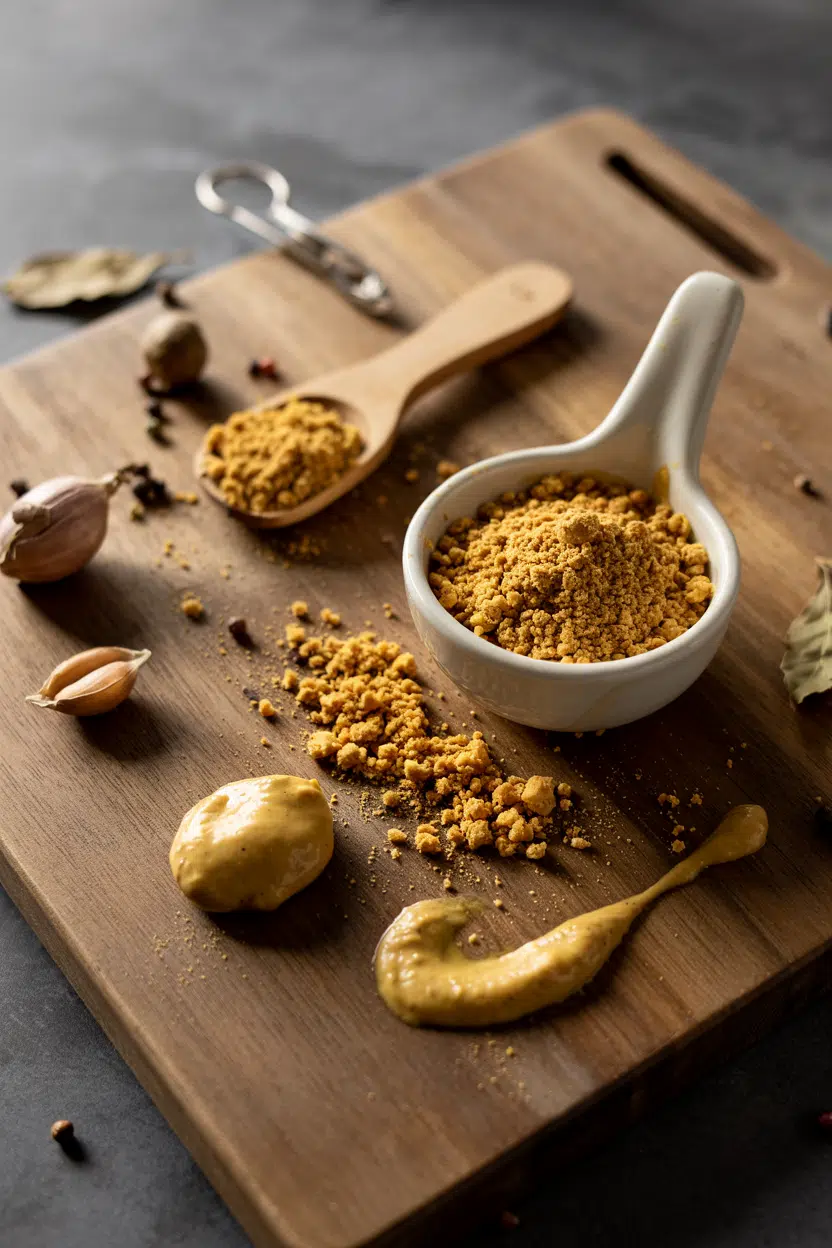
Understanding mustard seed and its flavor helps explain why the ground form carries such intensity - the volatile compounds responsible for that sinus-clearing punch only activate when the powder meets liquid.
Cooks who rely on brown mustard swaps that work quickly learn that finding a true like-for-like is harder than expected, because ground mustard's dry heat behaves differently from any condiment or paste.
Ground mustard is a dried, powdered spice made from yellow, brown, or black mustard seeds. It delivers sharp, pungent heat that only fully activates with liquid. Use it in rubs, sauces, glazes, and cheese dishes. Best within 6-12 months.
What Is ground mustard?
Ground mustard is the powdered form of dried mustard seeds - yellow, brown, or black - ground fine enough to dissolve smoothly into liquids, sauces, and batters.
Remember it later
Planning to try this recipe soon? Save it for a quick find later!
It goes by several names: mustard powder, dry mustard, mustard flour, and ground mustard seed are all the same product.
The distinction between comparing mustard flour vs mustard powder options comes down largely to grind texture and commercial labeling, not meaningful flavor differences.
Yellow mustard seeds produce the mildest, brightest powder. Brown and black seeds yield a sharper, more pungent result - these are common in Indian cooking, where ground mustard forms part of spice blends and tempering mixtures.
The spice originated in the ancient Mediterranean and South Asia, making it one of the oldest documented condiment ingredients on record.
- 🌱 Yellow mustard seed - mild, pale, standard in American and British products
- 🌿 Brown mustard seed - sharper and more aromatic, used heavily in Indian cuisine
- ⚫ Black mustard seed - most pungent, less common in ground form commercially
Unlike whole seeds, the ground form has no heat at rest. The enzyme reaction that creates pungency only triggers when water contacts the powder - a fact worth knowing before adding it to a dry rub.
What Does ground mustard Taste Like?
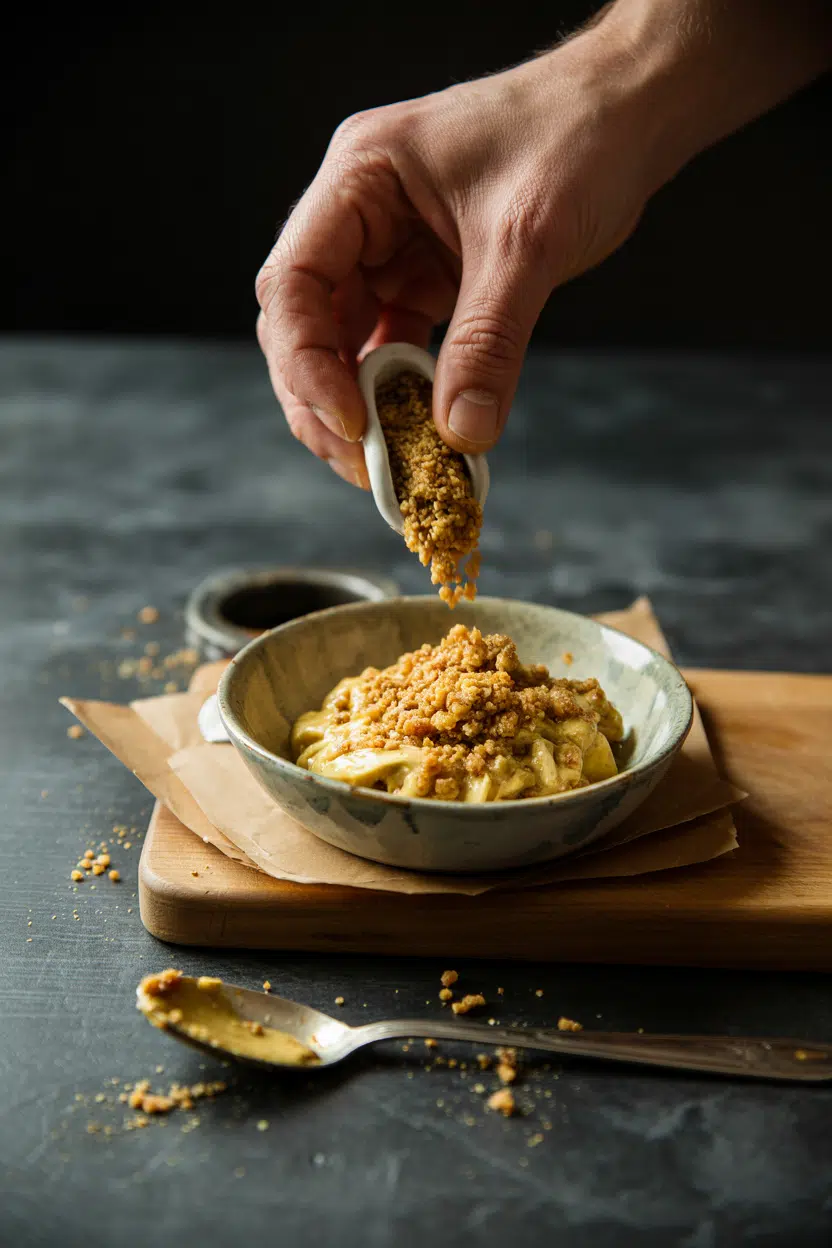
Raw from the jar, ground mustard tastes bitter and faintly sulfurous - not much like the heat it promises. The real flavor emerges fast once liquid is introduced.
Activated mustard heat sits closer to horseradish than chili - it's nasal and upward-moving rather than mouth-coating.
Cold water produces the sharpest result; hot water or vinegar tempers it.
Mixed with cream or butter, the bitterness softens significantly while the tang stays present.
Compared to a prepared mustard condiment, the dry form hits faster and more directly - there's no vinegar or brine diluting the initial punch.
How to Use ground mustard
Ground mustard earns its place across a wide range of cooking methods, and the approach you choose changes the final intensity noticeably.
| Method | Best For | Tip |
|---|---|---|
| 🧪 Rehydrated Paste | Dressings, marinades, sandwich spreads | Use cold water; rest 10 min before adding acid |
| 🍳 Whisked into Hot Liquid | Béchamel, cheese sauces, gravies | Add early so it fully dissolves; heat mellows sharpness |
| 🧂 Dry Rub | Braised meats, grilled pork, sausage blends | Activates on contact with meat juices during cooking |
| 🫙 Bloomed in Oil | Indian-style tempering, spiced butter sauces | Keep heat low - ground mustard scorches faster than seeds |
In French cooking, mustard-based vinaigrettes use dry mustard or Dijon interchangeably - the powder gives a cleaner, less sweet result.
German charcuterie relies on it heavily in sausage seasoning blends, where it contributes heat without moisture.
American barbecue rubs almost always include dry mustard alongside paprika and brown sugar, and British recipes lean on it in cheese sauce and baked ham glazes.
Cheese sauce is one of dry mustard's most practical homes. A half-teaspoon stirred into a cheddar béchamel cuts the dairy richness without announcing itself as mustard at all. If you run short, a look at replacements for ground mustard shows which condiments and spices come closest - though none replicate the emulsifying effect exactly.
Ground mustard also works in pickling brines, where it sharpens the overall flavor without clouding the liquid the way whole seeds can. Avoid it with delicate white fish or dessert applications - the bitterness clashes rather than complements.
How to Buy and Store ground mustard
At the store, look for a pale yellow to tan powder in a well-sealed container - no clumping, no dark specks, no musty smell. A recent pack date matters more than the brand.
Bulk bins are convenient but expose the powder to moisture and light, both of which degrade pungency fast.
Storage is straightforward:
- Container - Airtight and opaque; a sealed spice jar inside a dark cabinet is ideal
- Location - Cool, dry pantry away from the stove and any direct light
- Shelf life - Best within 6-12 months; potency drops noticeably after that, though it stays safe to use up to 24 months
If you've had a tin for over a year, rub a pinch between your fingers and smell it. Weak aroma means weak heat - use more, or replace it.
For long-term storage questions, freezing ground mustard can extend potency beyond what the pantry allows.
Start Here if You're New to dry mustard
Ground mustard rewards cooks who understand one rule: activate before you assess. Mix a small amount with cold water, wait ten minutes, then taste - that's what you're actually adding to a dish.
Start with cheese sauce or a vinaigrette.
Both are forgiving, and both show immediately how the powder performs.
If you're out and need a fast fix, alternatives to yellow mustard or a look at swapping out mustard seed covers the closest options for specific recipes.
Once you've cooked with it a few times, dry mustard stops being a supporting spice and starts being a first-reach ingredient.
Frequently Asked Questions
Mix it with cold water and let it rest for 10 minutes before adding any acid or heat. This window allows the enzyme reaction to complete. Adding vinegar or heat too early halts the process and reduces final pungency.
Yes, with adjustment. Use 1 teaspoon of ground mustard per tablespoon of prepared mustard, then add a small amount of water or vinegar. The dry form is more concentrated and lacks the brine or vinegar of condiment mustards.
No. Ground mustard is mustard seed that has been dried and milled to a fine powder. Whole mustard seeds release flavor more slowly and don't dissolve into sauces the way the ground form does.
Both deliver nasal, sinus-clearing heat rather than mouth-coating spice. Freshly activated ground mustard hits at a similar intensity to mild prepared horseradish, though horseradish tends to fade faster once exposed to air.
Peak pungency lasts 6-12 months from the pack date when stored in an airtight, opaque container. It remains safe to use up to 24 months but loses significant heat and aroma in the second year.



