
Pouring grenadine into a Tequila Sunrise is one of those rare kitchen moments where technique doubles as theater - the heavy syrup sinks through orange juice in a slow red bloom before anyone even stirs. That visual is no accident: grenadine's density and deep ruby color are as essential as its flavor, which is something most people underestimate.
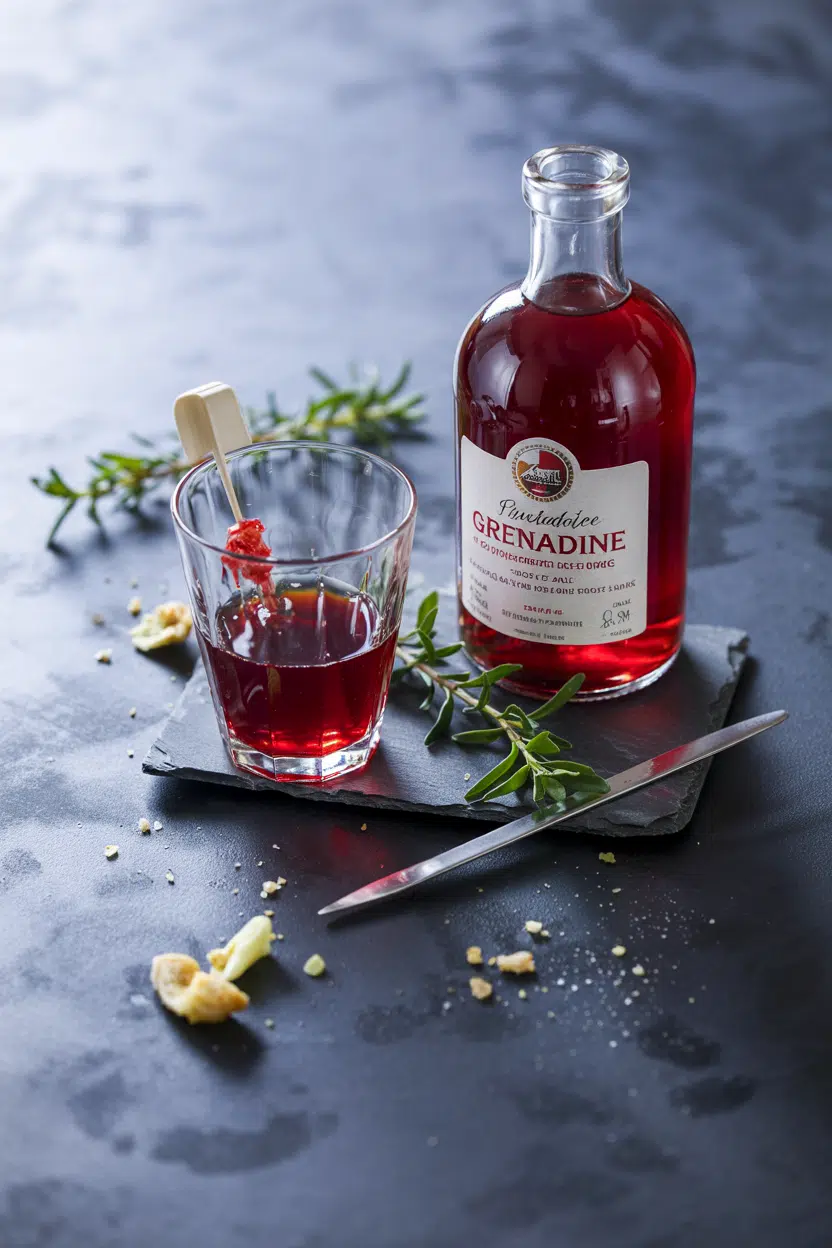
Far more than a sweetener, it carries a concentrated sweet-tart pomegranate character that shapes everything from cocktails to glazes, and knowing which bottle to grab - or when to reach for pomegranate alternatives - makes a genuine difference.
Grenadine is a sweet-tart pomegranate syrup used in cocktails, mocktails, and desserts. Quality varies widely - real pomegranate juice versions taste noticeably fresher and more complex than artificial alternatives. Use it for color, sweetness, and a faint tangy backnote.
What Is Grenadine?
Grenadine takes its name from the French word for pomegranate - grenade - and was originally made by reducing pomegranate juice with sugar into a thick, shelf-stable syrup.
Remember it later
Planning to try this recipe soon? Save it for a quick find later!
It developed mainly through French bar and café culture before becoming a staple in American cocktail mixing through the 20th century.
Today, grenadine covers a wide spectrum of products. At one end sit artisanal and homemade versions made from real pomegranate juice or concentrate; at the other sit mass-market commercial bottles built almost entirely from high-fructose corn syrup and artificial red coloring, with no pomegranate at all.
Both carry the grenadine label, which is why ingredient lists matter.
You may also find it labeled pomegranate syrup, grenadine cordial, or grenadine concentrate, depending on the country and brand. It's worth distinguishing grenadine from pomegranate molasses, its thicker, more acidic Middle Eastern cousin - that syrup is far less sweet and noticeably more bitter.
- 🍊 Classic grenadine - pomegranate juice reduced with sugar, balanced sweet-tart
- 🧪 Commercial artificial grenadine - corn syrup and dye, sweet without fruit complexity
- 🫙 Artisanal or homemade grenadine - freshest flavor, shorter shelf life, often richer color
What Does Grenadine Taste Like?
Grenadine at its best tastes like a sweeter, more viscous version of concentrated pomegranate juice - leading with candied fruit sweetness and following with a mild tartness that keeps it from being cloying.
There's a faint floral and berry-like backnote that recalls tart cherry or cranberry rather than any single fruit.
Artificial versions taste noticeably flatter - pure sugar sweetness with a vaguely medicinal red-fruit note and no real tartness. Heat concentrates the sweetness further and softens whatever tartness remains, which is worth accounting for when reducing grenadine into a glaze.
How to Use Grenadine
Grenadine earns most of its reputation in bar applications, and rightly so - its density makes it uniquely useful for layered drinks. In a Tequila Sunrise, a slow pour over the back of a spoon lets it sink below orange juice without mixing.
The classic Shirley Temple mocktail uses it as both sweetener and colorant in ginger ale or lemon-lime soda.
Beyond the glass, grenadine works in several cooking contexts that most people overlook.
| Method | Best For | Tip |
|---|---|---|
| 🍹 Stirred | Cocktails, mocktails, lemonade | Add last to layered drinks; stir only when full mixing is intended |
| 🍳 Reduced | Glazes for duck, carrots, or pork | Simmer over medium-low heat; sweetness intensifies quickly |
| 🥗 Whisked | Vinaigrettes and fruit salad dressings | Balance with lime juice or apple cider vinegar to cut sweetness |
| 🍨 Drizzled | Vanilla ice cream, panna cotta, yogurt | Use sparingly - a tablespoon adds color and tang without overwhelming |
Grenadine pairs well with citrus - lime and orange in particular - and holds its own against dark spirits like rum and whiskey. It also works alongside ginger and cinnamon, which sharpen its pomegranate notes rather than competing with them.
For savory cooking, roasted root vegetables like carrots benefit from a grenadine glaze the same way they do from a honey-based one, though the tartness reads differently.
If you're out of stock mid-recipe, a grenadine substitute can work in a pinch - cranberry juice concentrate with a little sugar comes close for color and tartness.
Avoid using it alongside delicate herbal teas or recipes that require subtle unsweetened acidity; the syrup's body will overwhelm both.
How to Buy and Store Grenadine
Read the label before buying. Pomegranate juice or concentrate should appear first in the ingredient list - anything leading with high-fructose corn syrup and artificial coloring will taste thin and overly sweet. Good grenadine runs deep ruby red and pours with visible viscosity; watery, bright red liquid is a reliable sign of a heavily artificial product.
Store unopened bottles in a cool, dark pantry for up to 12-24 months. Once opened, move the bottle to the refrigerator with the cap tight.
For a full breakdown of how long grenadine stays usable, see our guide to grenadine freshness guide.
- Opened commercial grenadine - refrigerated, best within 4-6 months
- Fresh or artisanal grenadine - refrigerated, use within 2-4 weeks
- Signs it's turned - dulled color, off-odor, or watery separation that doesn't remix
Start Here With Grenadine
Pick up a pomegranate juice-based bottle first and use it in a Shirley Temple or a simple citrus sour before committing to more complex recipes. That straightforward test tells you immediately whether the flavor is worth using in glazes or dressings.
Once you've tasted the real-fruit version, the difference from artificial grenadine becomes obvious - and choosing becomes easy. If you're building out a home bar, the Tequila Sunrise is the clearest showcase for what good grenadine actually does.
Frequently Asked Questions
Not always. Traditional grenadine is made from pomegranate juice and sugar, but many commercial brands use only high-fructose corn syrup and artificial coloring. Check the ingredient list - pomegranate juice or concentrate should appear first.
The Tequila Sunrise and Shirley Temple are the most recognizable. It also appears in the Singapore Sling, the Jack Rose, and various whiskey sours where it adds sweetness and body alongside citrus.
Most commercial grenadines are vegan - the standard ingredients are sugar, water, and fruit juice or flavoring. However, some brands use carmine (a red dye from insects) for color, so check the label if that matters to you.
Combine equal parts pomegranate juice and sugar in a saucepan over medium heat, stir until dissolved, then cool. Add a small amount of pomegranate molasses for extra depth. Homemade versions last 2-4 weeks refrigerated.
You can, but the result will be thinner and less sweet. Pomegranate juice lacks the syrup's viscosity and sugar concentration, so drinks won't layer the same way and dressings will be more tart than intended.



