
A bowl of Thai green curry that lands on the table still bubbling tells you immediately whether the cook used coconut milk or not - the sauce clings to the vegetables, pools around the chicken, and carries a faint sweetness that no other liquid replicates.
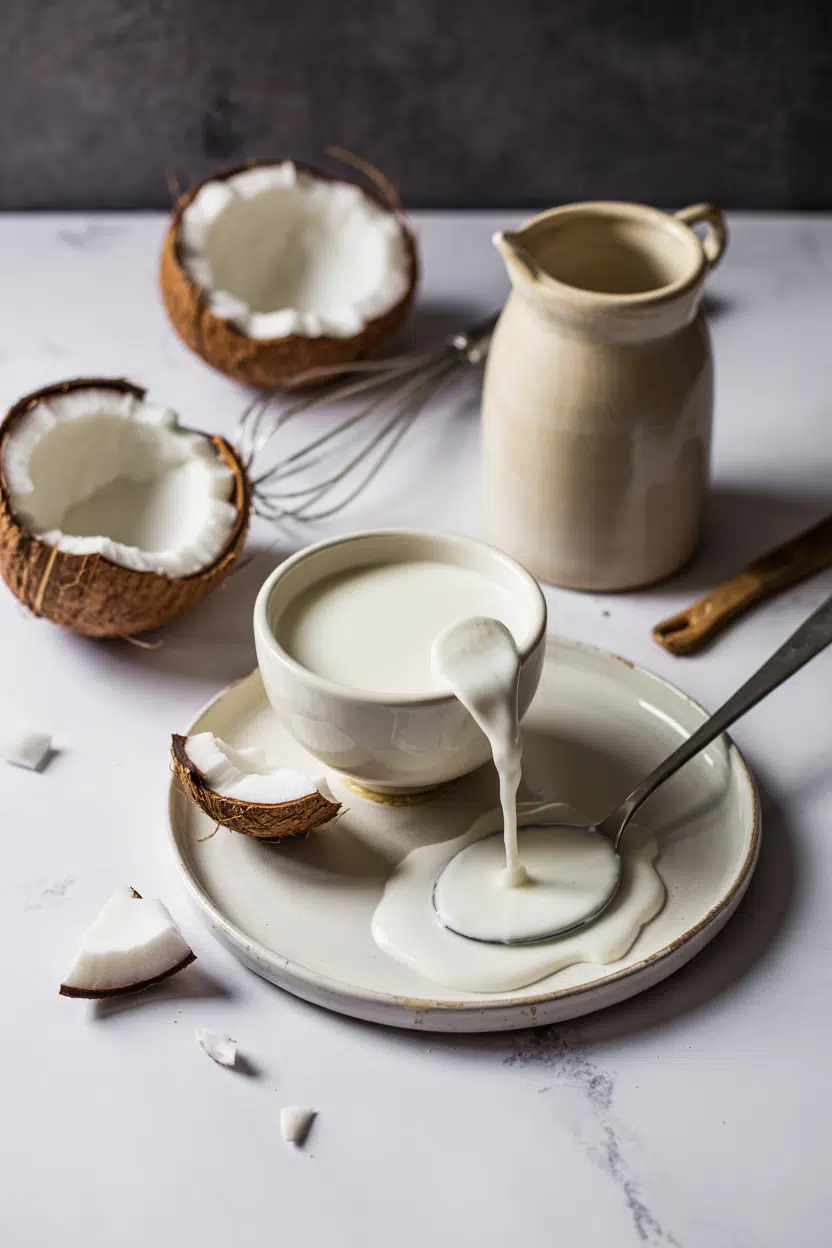
Coconut milk is extracted from grated mature coconut meat steeped in warm water, and its role in cooking extends well beyond curry: it shows up in Filipino rice desserts, Caribbean stews, and dairy-free ice cream with equal effect.
Unlike how long milk keeps in a refrigerator, an unopened can of coconut milk sits fine in a pantry for up to two years, making it one of the more reliable pantry staples around.
It is also a frequent companion to swapping out coconut oil in plant-based cooking, since both ingredients draw from the same source.
Coconut milk is a plant-based creamy extract pressed from mature coconut meat. It has a mildly sweet, rich, and nutty flavor with floral undertones. Use it in curries, soups, desserts, and dairy-free baking. Full-fat canned versions give the most body; carton versions work for drinking and lighter cooking.
What Is Coconut Milk?
Coconut milk comes from Southeast Asia and the Pacific islands, where it has been a kitchen staple for centuries under names like gata in the Philippines and santan in Indonesia and Malaysia.
Remember it later
Planning to try this recipe soon? Save it for a quick find later!
It falls into the category of plant-based culinary extracts - not a juice, not a nut milk in the almond-milk sense, but a pressed emulsion of grated mature coconut meat and warm water.
The two most common forms are canned coconut milk and carton coconut milk, and they behave very differently. Canned is thicker, higher in fat, and typically splits into a solid cream layer on top and a thinner liquid below when stored cold.
Carton versions are diluted and stabilized, designed more for pouring than for sauces.
Full-fat canned coconut milk is the version most recipes mean when they just say "coconut milk." Coconut cream is a separate product - even richer and thicker - and if a recipe calls for it specifically, replacements for coconut cream differ from swaps for the regular milk.
- 🥥 Gata / Santan - regional names used across Filipino and Indonesian cooking
- Canned coconut milk - higher fat, cream layer separates when chilled
- Carton coconut milk - diluted, stabilized, suited for beverages and cereal
- Light coconut milk - canned but with more water, lower fat content
What Does Coconut Milk Taste Like?
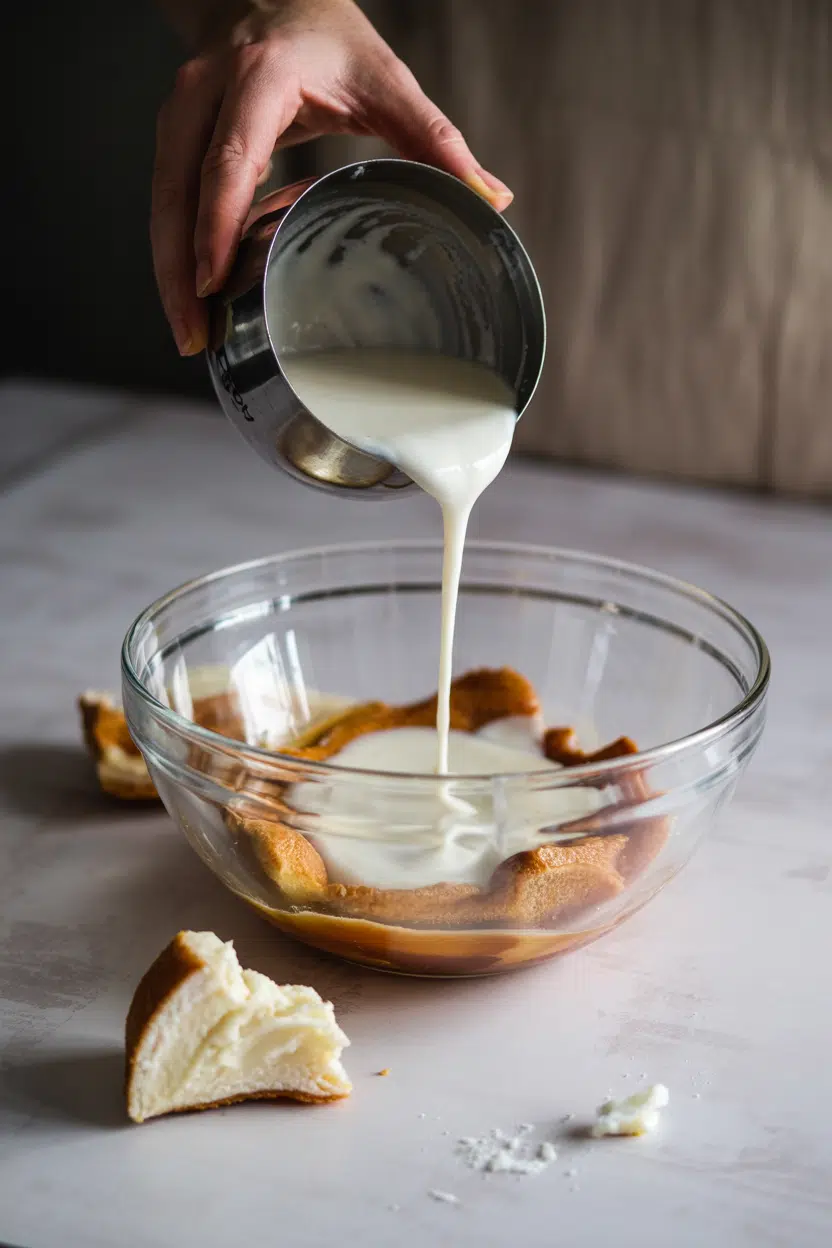
Coconut milk tastes mildly sweet and nutty, closer to a richer, more aromatic version of almond milk than to anything dairy-based.
The sweetness is gentle - it never reads as sugary on its own - and a faint floral note trails behind the fat.
Heat changes the character noticeably.
A long simmer concentrates the fat and draws out more coconut fragrance, while a quick stir into a finished dish keeps the flavor lighter and the texture silkier.
Adding raw lemon cold into coconut milk can push the fat toward slight separation - not curdling the way dairy curdles, but visually uneven.
That's worth knowing before finishing a sauce at the last minute.
How to Use Coconut Milk
Thai cooking relies on coconut milk more than almost any other cuisine: green curry, red curry, and Tom Kha Gai all use it as the primary liquid base. In Kerala and Goan cooking from southern India, it replaces cream in fish curries and lentil dishes. The Caribbean uses it in rice and stew dishes where it provides both fat and a background sweetness.
Coconut milk pairs cleanly with lime and tamarind for brightness, chili and ginger for heat, and brown sugar or palm sugar when you want to push toward dessert territory.
Fish and shellfish absorb it particularly well in a low-and-slow poach.
For occasions where this ingredient isn't on hand, swapping out coconut milk works best when you match the fat content, not just the liquid volume.
| Method | Best For | Tip |
|---|---|---|
| 🍲 Simmer | Curries, soups, stews | Keep heat medium-low; stir often to prevent fat separation |
| 🔥 Reduce | Concentrating flavor, thickening sauces | Stir frequently - it scorches faster than stock |
| 🥤 Blended | Smoothies, cocktails, salad dressings | Use carton version; canned is too thick for drinking |
| 🧁 Baked | Vegan brownies, cakes, custards | Full-fat canned gives the best moisture and binding |
| 🍨 Churned | Dairy-free ice cream base | Chill can overnight before churning for max fat content |
How to Buy and Store Coconut Milk
Full-fat canned coconut milk is the right buy for any recipe that needs a creamy body - curry, soup, or baked dessert. Aseptic carton versions work for beverages and lighter applications; check the ingredient list and look for just coconut and water if you want to avoid gums and stabilizers. Skip dented cans and swollen cartons.
Unopened cans keep in a cool pantry for up to two years - check the date stamp.
Once open, transfer leftovers to a sealed container and refrigerate; use within 4-7 days.
Homemade coconut milk pressed from fresh grated coconut moves faster, lasting only 2-3 days.
For a full breakdown of timelines, guidance on keeping coconut milk fresh covers opened, unopened, and homemade across different storage conditions.
If you're already relying on using cream for creaminess in other recipes, the same refrigerator rules apply here.
Start with the Canned Version
If coconut milk is new to your kitchen, reach for a full-fat can before anything else - it shows you the ingredient at its most expressive.
Simmer it into a simple Thai red curry or stir it into a lentil soup with turmeric and ginger.
Once you understand how the fat behaves and where the flavor lands, the carton version and light versions become easier decisions to make.
Frequently Asked Questions
No. Coconut milk contains no dairy - it's pressed from coconut meat and water. It is naturally lactose-free and vegan, making it a common substitute in dairy-sensitive cooking.
Light coconut milk is full-fat canned milk diluted with more water before canning. It has less body and a milder coconut flavor, so it works in soups but not in ice cream or thick sauces where fat content matters.
Yes, though texture changes after thawing - the fat and liquid separate more noticeably. It still works fine in cooked dishes like curries and soups once you whisk it back together.
Refrigerate an unopened full-fat can overnight without shaking it. The cream solidifies at the top; open carefully and scoop it off before the liquid below mixes back in.
Not really. Coconut water is thin, lightly sweet, and comes from inside the young coconut's hollow center. Coconut milk is opaque, fat-rich, and far more flavorful - the two come from different parts of the fruit.



