
Spread on a cracker alongside a glass of wine, Boursin looks deceptively simple - a pale ivory round flecked with green herbs.
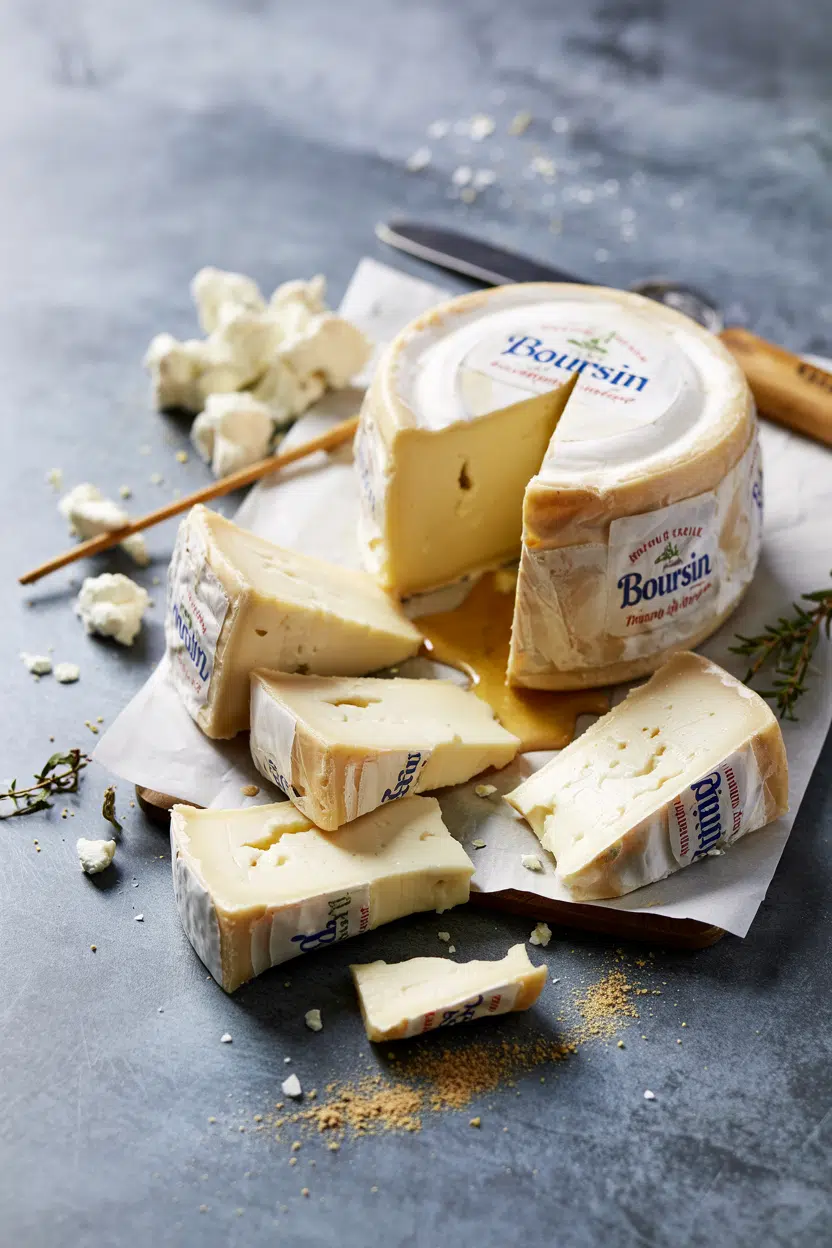
What most people don't realize until they start cooking with it is that this small foil-wrapped cheese can do far more than anchor a cheese board, from folding into pasta sauces to stuffing chicken breasts before roasting.
Boursin is a soft, spreadable cow's milk cheese from France, blended with garlic and herbs. It tastes buttery and garlicky with a mild tang, and works cold as a spread or stirred into warm dishes for a quick, creamy sauce.
What Is Boursin Cheese?
Boursin is a commercially produced soft cheese created in Normandy, France, by François Boursin in 1957. It falls into the same family as fromage frais - fresh, unaged, and light in texture - but is distinguished by its signature blend of garlic and herbs worked directly into the paste.
Remember it later
Planning to try this recipe soon? Save it for a quick find later!
If you ever need a swap, checking fromage frais replacements can point you toward similar fresh cheeses.
The cheese is made from pasteurized cow's milk and cream, giving it a rich, spreadable consistency. You'll find it sold as foil-wrapped rounds or in plastic tubs, both in the same small-portion format designed for easy serving.
Boursin also goes by "garlic and herb cheese" or "boursin garlic and herb" on some labels and menus.
Beyond the classic Garlic & Fine Herbs, the brand produces several flavor varieties:
- Garlic & Fine Herbs - the original; parsley, chives, and garlic dominate
- Shallot & Chive - milder, with a sweeter allium note
- Pepper - black and pink peppercorns pressed into the exterior rind
- Cranberry & Spice - a sweeter seasonal variant for cheese boards
- Fig & Balsamic - fruit-forward, less savory than the original
What Does Boursin Cheese Taste Like?
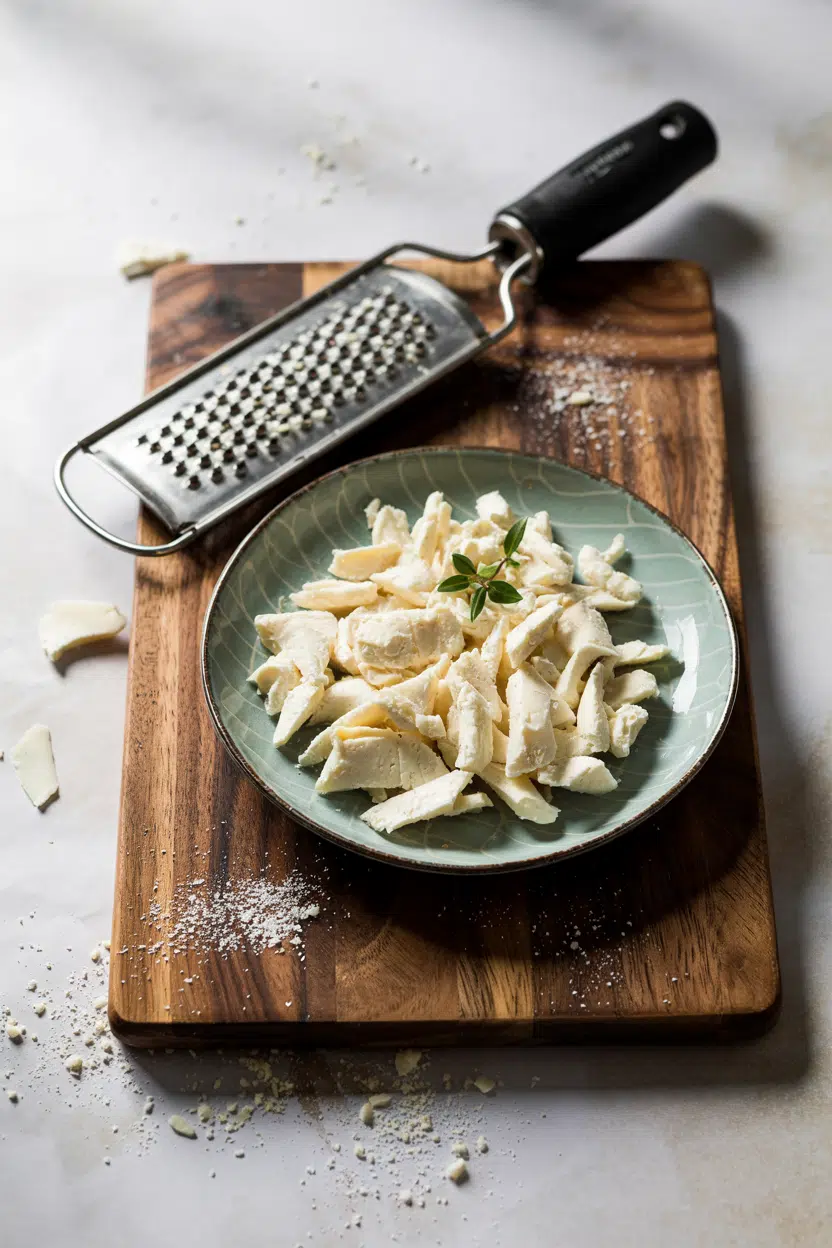
Garlic leads, followed closely by a buttery richness that coats the palate like a well-made compound butter. The cultured cream gives the paste a faint, pleasant tang - noticeably milder than cream cheese, and without the sharpness you'd get from aged soft cheeses. Herbs like parsley and chives come through as fresh, grassy notes rather than sharp spice.
Heat changes Boursin noticeably. Stirred into a warm pasta or soup, the garlic mellows and the cheese spreads into a velvety sauce rather than asserting itself as a distinct element.
Cold from the fridge, it's slightly grainy and the garlic is more upfront - letting it sit at room temperature for 20 minutes smooths both texture and flavor.
How to Use Boursin Cheese
At its most basic, Boursin needs no cooking. Spread cold from the tub onto sliced baguette or crackers, it works as a quick starter alongside cured meats like prosciutto or smoked salmon.
Crisp apples, pears, or grapes cut through the richness well on a cheese board.
Where Boursin earns its keep in the kitchen is as an instant sauce base. Stir a few tablespoons into hot, drained pasta with a splash of pasta water and it melts into a creamy garlic-herb coating in under a minute.
The same method works with warm vegetables - green beans, asparagus, or roasted potatoes stirred with Boursin off-heat come out glossy and well-seasoned.
| Method | Best For | Tip |
|---|---|---|
| 🥗 Cold Spread | Crackers, baguette, sandwiches, cheese boards | Bring to room temp 20 min before serving |
| 🍳 Stirred In | Pasta sauces, mashed potatoes, soups, warm vegetables | Add off-heat or at very end; avoid boiling |
| 🔥 Baked | Warm dips, stuffed chicken, filled pastry | Brief bake only; high heat causes oil separation |
| 🥄 Blended | Compound butters, dressings, cold dips | Mix with softened butter 1:1 for a steak finish |
For stuffed dishes, pack Boursin into a pocket cut in a chicken breast before pan-searing and roasting. The cheese melts into the meat as it cooks, keeping the interior moist.
If you want a baked warm dip, keep the oven at 350°F or below - anything higher risks splitting the fats. Looking for a substitute in these kinds of recipes, boursin cheese swaps covers the closest alternatives.
Boursin pairs naturally with French-inspired bistro cooking and American appetizer spreads. It holds its own against mild table wines with low tannins - a white Burgundy or a light Pinot Noir works cleanly.
How to Buy and Store Boursin Cheese
Foil-wrapped rounds and sealed plastic tubs are the two formats you'll find in most supermarkets. Either works well - the foil round is classic, while the tub is easier to scoop from directly. Check that packaging is fully sealed and that the paste inside looks pale ivory with visible herb flecks. Any green or gray mold spots, liquid pooling at the bottom, or a bloated lid means skip it.
Once open, use Boursin within 10-21 days for the best flavor and safety. Unopened tubs are typically good for 3-6 weeks refrigerated - always check the label.
Opened soft cheeses like this follow a similar timeline to ricotta: the sooner you use them after opening, the better. For a full breakdown by format and storage condition, see our guide on boursin cheese freshness guide.
Start Here
First time using Boursin? Serve it cold on crackers to understand the baseline flavor before you cook with it.
If you want a warm application, stir it into mashed potatoes - it's forgiving and gives you a clear sense of how the cheese melts. Pasta is the next step: boil, drain, add Boursin and a tablespoon of pasta water, toss off-heat.
Those three dishes cover what this type of cream cheese can and can't do under heat, and they set you up for the more involved uses like stuffed chicken or baked dips.
Frequently Asked Questions
Yes, commercial Boursin is made from pasteurized cow's milk. The label confirms this, making it generally safe for pregnant people who avoid unpasteurized cheeses. Always check your specific package, as formulations can vary by country.
Boursin is lighter and more spreadable, with garlic and herbs already blended in. Cream cheese is denser, tangier, and neutral in flavor. Boursin has a higher fat content from added cream, which makes it richer but less stable under direct heat.
Yes, but keep temperatures at or below 350°F and limit bake time. Higher heat or longer exposure causes the fats to separate, leaving an oily pool rather than a creamy texture. Stuffed chicken works well because the cheese is enclosed and protected.
Use opened Boursin within 10-21 days. Press plastic wrap directly on the surface before sealing the tub to slow drying. Discard if you see any mold, off smell, or watery separation that doesn't re-incorporate when stirred.
It works in most cold dips, but the garlic and herb flavor will dominate any recipe you use it in. Reduce or omit other aromatics in the recipe to avoid clashing. It won't hold structure as firmly as cream cheese in dense baked dips.



