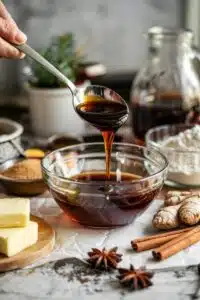
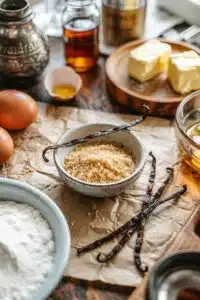
Bourbon hits warm and sweet before anything else - a rush of vanilla and caramel that settles into toasted oak, then a slow, spicy finish that lingers longer than most whiskey does.
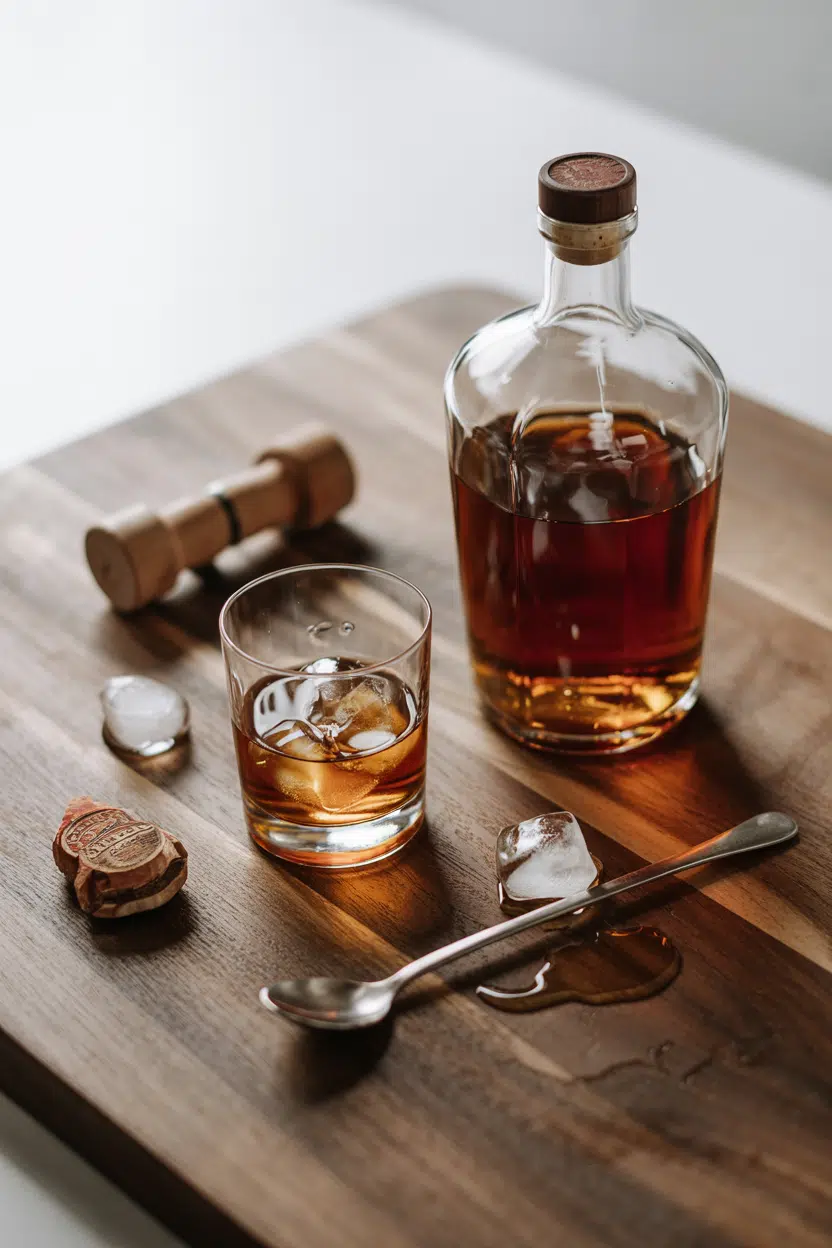
That sensory sequence is exactly what makes it useful across so many kitchens, from a deglazing pan over a hot stove to a rocks glass at the end of service.
Bourbon is an American whiskey made from at least 51% corn, aged in new charred oak barrels. It tastes sweet, oaky, and spicy - warm enough to anchor cocktails, bold enough to survive heat in sauces and glazes.
What Is Bourbon?
Bourbon is a straight American whiskey distilled from a grain mash containing at least 51% corn, with the remainder typically split between rye, wheat, and malted barley.
Remember it later
Planning to try this recipe soon? Save it for a quick find later!
Federal law mandates that it must be aged in new charred oak barrels - a requirement that gives it the signature vanilla and caramel profile no other whiskey category shares by rule.
Most bourbon is made in Kentucky, though the law doesn't restrict production to that state. Common subtypes include straight bourbon (aged at least two years with no added coloring or flavoring), bottled-in-bond (a stricter designation requiring four years of aging at 100 proof), and high-rye expressions that emphasize spice over sweetness.
Age statements on the label indicate the youngest whiskey in the bottle.
- Straight bourbon - aged minimum two years, nothing added post-distillation
- Bottled-in-bond - four years aged, 100 proof, single distillery season
- High-rye bourbon - more rye in the mash bill, spicier and drier on the finish
- Wheated bourbon - wheat replaces rye, producing a softer, rounder profile
What Does Bourbon Taste Like?
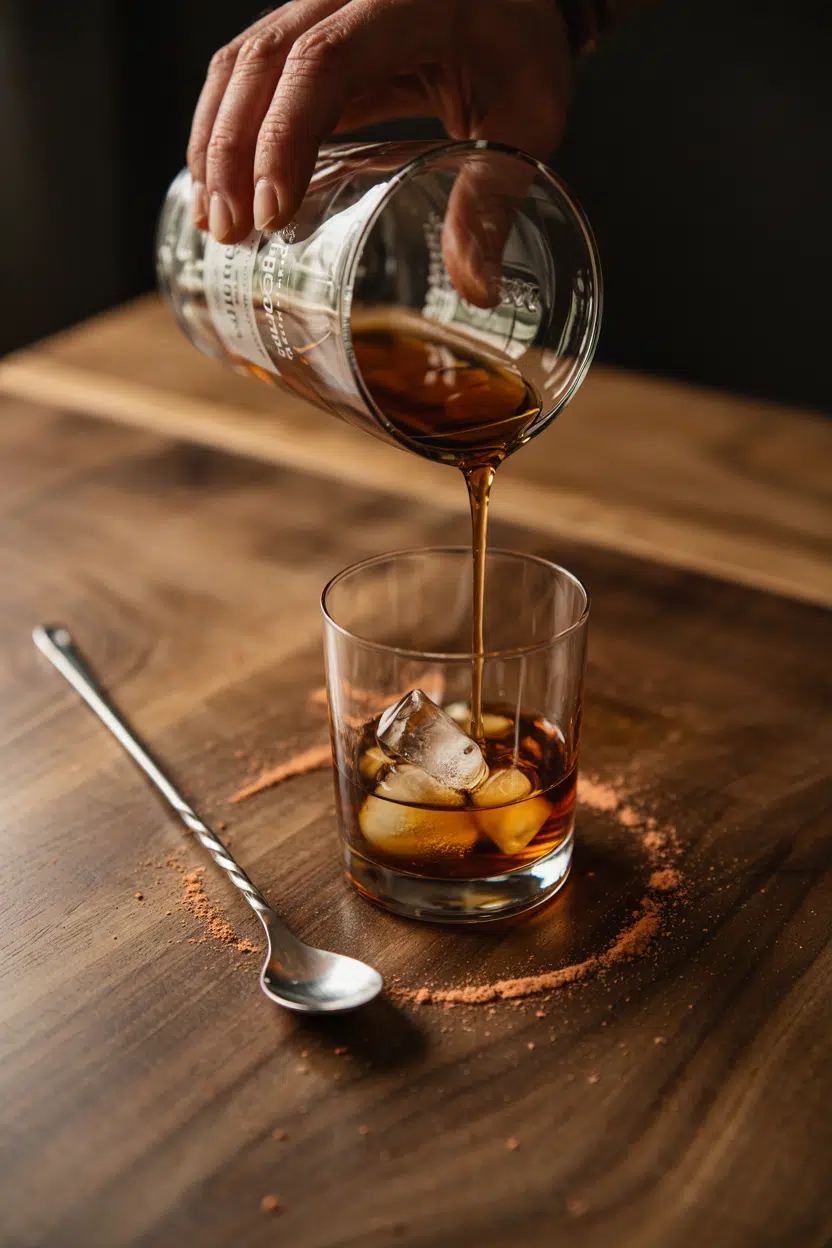
Vanilla and caramel arrive first - that sweetness comes directly from the charred oak reacting with the corn-heavy mash during aging. Oak tannins follow, adding structure and a dry, slightly bitter edge that keeps the sweetness from feeling flat.
Rye content in the mash bill tilts the flavor toward baking spice: think cinnamon, clove, and a mild peppery bite. Older expressions tend to pick up butterscotch and smoke as more time in barrel concentrates the char notes.
Compared to Irish whiskey or Scotch, bourbon is noticeably fuller-bodied and sweeter, with less of the grassy or peaty character those styles carry.
How to Use Bourbon
Bourbon survives heat better than most spirits because its bold oak and caramel notes don't disappear into the background the way a lighter spirit would.
That makes it well-suited for pan deglazing - after searing a pork chop or steak, a splash of bourbon lifts the fond and anchors a quick pan sauce with depth that wine alone won't match.
Reduction is where bourbon's sweetness becomes a structural ingredient. Cooked down with brown sugar and a touch of apple cider vinegar, it becomes a barbecue glaze sticky enough to coat ribs or grilled peach halves without sliding off.
Stir it into compound butter with pecans and maple for a finishing touch on grilled corn or sweet potatoes.
In Southern-style cooking, bourbon appears in marinades for brisket and pork shoulder, where the alcohol helps carry spice into the meat while the sugars aid browning.
It also works as a finishing splash in hot chocolate or espresso - enough to add warmth and vanilla without dominating the drink.
| Method | Best For | Tip |
|---|---|---|
| 🍳 Deglazing | Steak and pork pan sauces | Add off the direct flame; reduce by half before adding stock |
| 🔥 Reduction | Glazes for ribs, grilled fruit, roasted vegetables | Watch the sugar - it scorches fast at high heat |
| 🥩 Marinade | Brisket, pork shoulder, poultry brine | Combine with brown sugar and mustard for bark development |
| 🍮 Finish | Hot chocolate, espresso, compound butters | Add after heat is off to preserve volatile aromatics |
| 🍹 Cocktail base | Old Fashioned, Manhattan, bourbon sour | Match proof to the drink - higher proof holds up to sweet syrups |
Bourbon pairs cleanly with dark chocolate, smoked pork, aged sharp cheddar, toasted pecans, and anything with maple or brown sugar. Avoid it with delicate raw seafood or herb-forward salads - the oak and caramel will drown subtle, clean flavors.
How to Buy and Store Bourbon
Look for bottles labeled "straight bourbon" - that designation guarantees at least two years of barrel aging and no additives. An age statement is a reliable quality signal; no statement doesn't mean young, however it removes transparency.
For cooking, 80-90 proof works fine. For flambé or high-heat work, reach for something closer to 100 proof.
Store bottles upright in a cool, dark spot - heat and UV light accelerate oxidation and dull the aromatics. Once opened, the flavor stays near peak for roughly one to three years, though a bottle that's less than a quarter full will fade faster due to the increased oxygen-to-liquid ratio.
For more detail on how long an open bottle holds up, see our guide on bourbon storage life.
Starting Points for Bourbon
If you've never cooked with bourbon, deglaze a pan first. It's the lowest-commitment move - a few tablespoons into a hot skillet after cooking pork, then reduce for two minutes.
You'll immediately understand what the oak and vanilla do to a savory sauce.
From there, try a simple bourbon glaze on grilled peaches: reduce with brown sugar and a pinch of salt until syrupy. If you want to explore the spirit side, an Old Fashioned - bourbon, sugar, and angostura bitters - is the clearest showcase of what a well-chosen bottle actually tastes like.
Need a stand-in for a recipe? Our roundup of bourbon swaps covers the closest options.
Frequently Asked Questions
All bourbon is whiskey, however not all whiskey is bourbon. Bourbon is a specific American whiskey that must meet federal requirements: at least 51% corn mash and aging in new charred oak barrels.
Bourbon is sweeter and fuller-bodied, with dominant vanilla and caramel from new oak. Scotch is typically drier, grassier, and - in peated expressions - smoky in a way bourbon rarely is.
Peak aroma and flavor hold for roughly one to three years once opened. A bottle less than a quarter full degrades faster - the large air gap accelerates oxidation.
Distillation removes gluten proteins, so bourbon is generally considered safe for most people with gluten sensitivity. Those with celiac disease should consult a physician, as trace contamination risks vary by facility.
Yes, with a flavor trade-off. Rye is spicier and drier, so it works well in savory sauces but produces less caramel sweetness in glazes and desserts. Our guide to [rye whiskey under $50](https://forkliftkitchen.com/best-rye-whiskey-under-50/) lists approachable bottles to try.