Product note: ForkliftKitchen may earn a commission from qualifying purchases made through product links on this page. Learn more.
A beautiful salt flake can still spoil the bite when it is too hard for a tomato, too quick to melt on a steak, or too smoky for a sugar cookie.
Maldon is the safest one-box choice because its thin pyramids crunch, crush between your fingers, and work on both savory food and dessert.
We compared seven exact products after resolving every useful finishing-salt lane and excluding fine salt, grinder salt, fleur de sel, and narrow novelty flavors. The ranking weighs flake size, brittleness, dissolve speed, salt intensity, package usefulness, and the food each crystal finishes best.
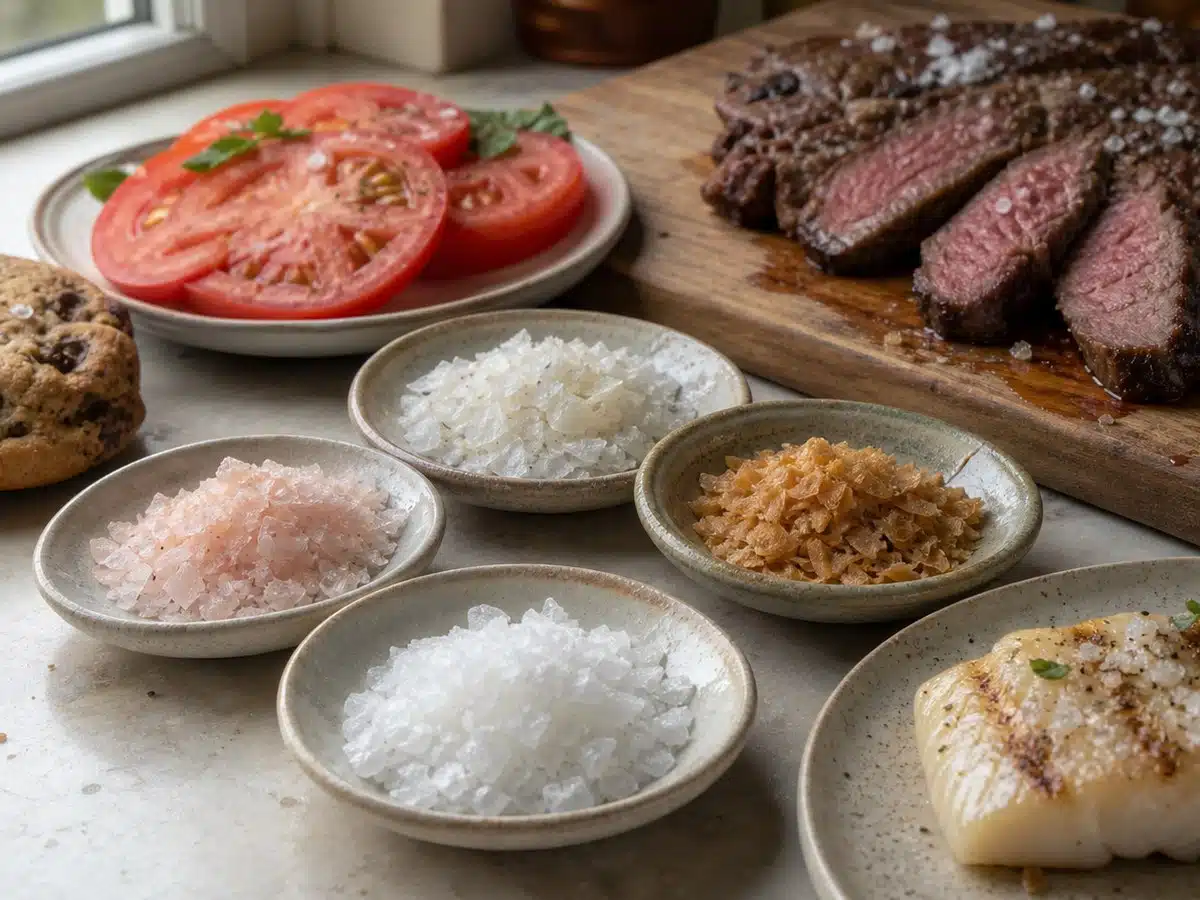
Which Flake Salt Gives the Best Finish Without Taking Over?
Maldon Sea Salt Flakes finish first because they give food a light crackle without leaving a hard crystal behind. Choose Maldon when one box needs to cover steak, vegetables, cookies, and table use.
Save this ranking
Comparing these products later? Save this ranking for a quick return.
The other salts earn narrower roles. Jacobsen stays bold on baked goods, Cornish melts fast on juicy produce, Murray River feels softer, and Falksalt Smoke changes the flavor as well as the texture.
Plain flakes belong in almost every kitchen. Smoked flakes belong only where smoke is part of the plan.
- 🧂 Flake body. Thin, airy, and large crystals should create different bites instead of acting like the same salt in new boxes.
- 🍽 Dissolve speed. A salt for tomatoes or fish should soften sooner than one meant to stay visible on cookies.
- 📦 Pinch control. The flakes should crush cleanly between fingers without turning into hard shards.
- 🔍 Food fit. Every pick needs a clear surface, moisture, or flavor reason to exist.
- 🛒 Exact package. Each buy link matches the stated salt, flavor, size, and container.
| # | Product | Best For | Key Note |
|---|---|---|---|
| 1 | Maldon Sea Salt Flakes | 🏆 Best Overall | Thin pyramids with balanced crunch |
| 2 | Jacobsen Pure Flake | 🧂 Biggest Flakes | Bold crystals for cookies and steak |
| 3 | Cornish Sea Salt Flakes | 💧 Fastest Melt | Thin flakes for tomatoes and salads |
| 4 | Murray River Salt Flakes | 🍃 Gentle Finish | Soft pink flakes for delicate food |
| 5 | Saltverk Flaky Sea Salt | 🪨 Mineral Pick | Icelandic flakes in a table jar |
| 6 | Falksalt Cyprus Organic Flakes | 🌱 Organic Value | Large plain box with light pyramids |
| 7 | Falksalt Smoked Flakes | 🔥 Smoked Finish | Golden flakes with clear smoke |
1. Maldon Sea Salt Flakes
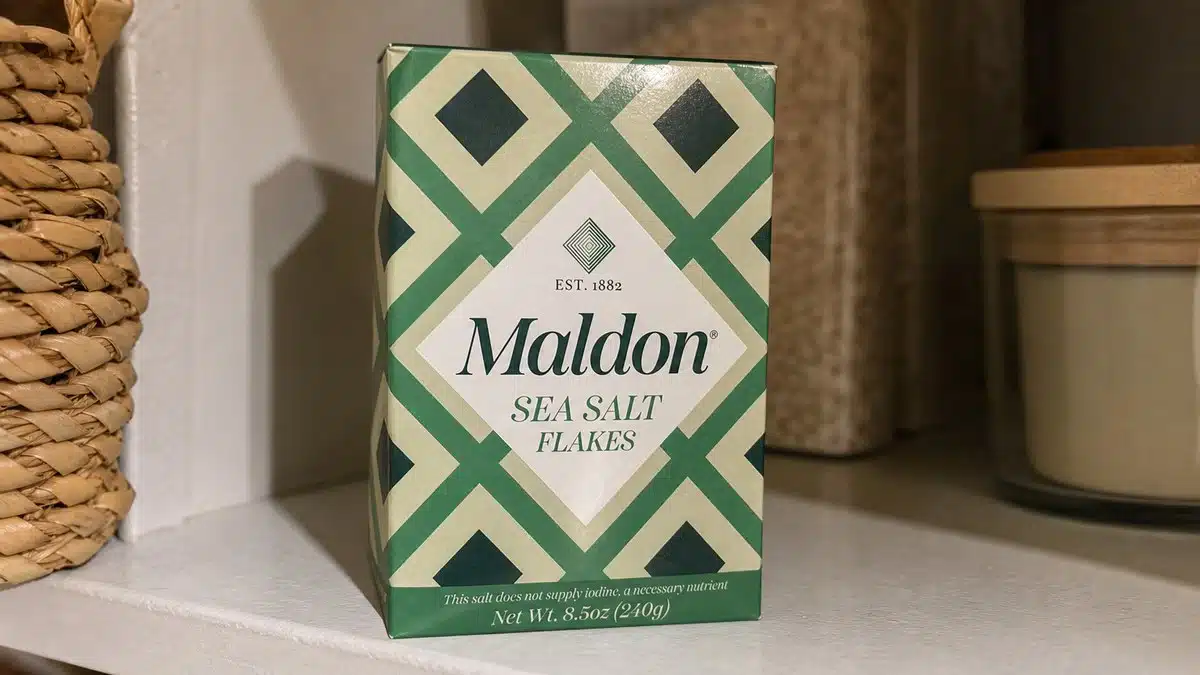
Maldon's hollow pyramids break with a light snap, then dissolve before they feel gritty. The salt lands in small bright bursts instead of coating the whole bite at once.
This is the box for cooks who want one finishing salt, not a salt collection. Crush it lightly over steak and roast vegetables, or leave a few flakes whole on brownies and caramel.
The wide opening makes pinching easy, while the 8.5-ounce box gives better everyday value than small glass jars. It also shows why finishing flakes solve a different problem from the cooking and grinder formats in our best Himalayan pink salt ranking.
Maldon is not the boldest crystal here. Move to Jacobsen when the flake must stay large and obvious after baking.
- Easy-to-crush pyramid flakes
- Balanced salty burst
- Broad sweet and savory use
- Can soften fast on wet food
- Less dramatic than Jacobsen
2. Jacobsen Salt Co. Pure Flake Sea Salt
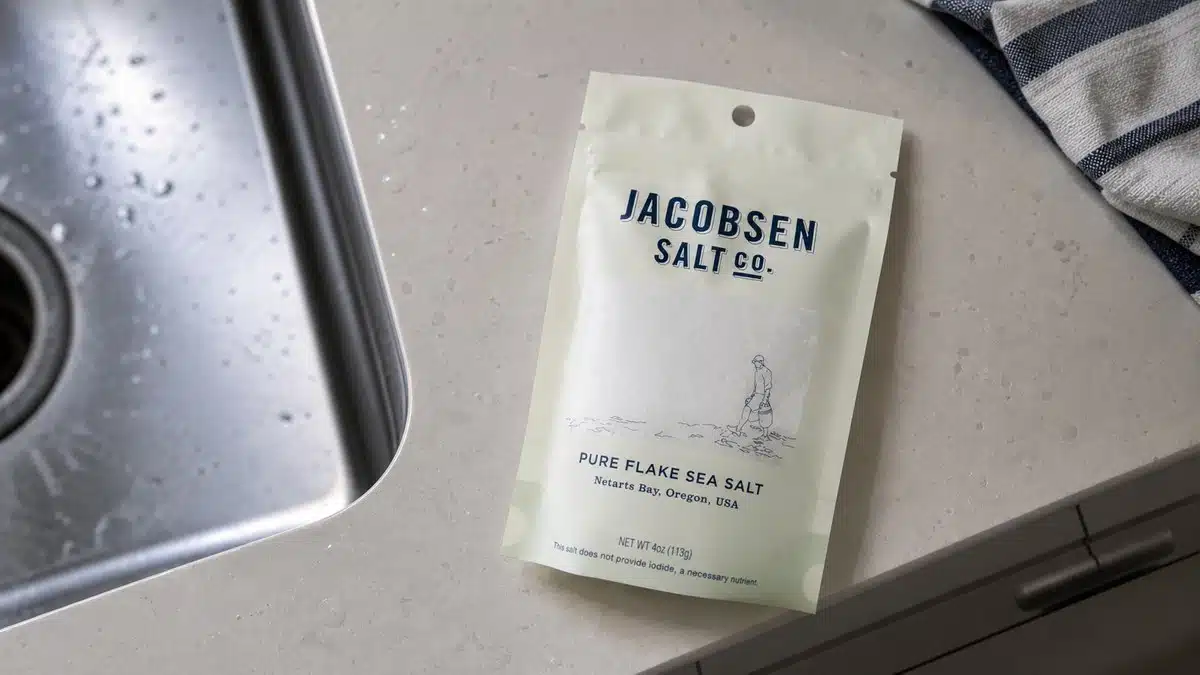
Jacobsen goes bigger and saltier than Maldon. Its broad crystals stay visible on a dark cookie or seared steak, so a few pieces can shape the whole bite.
Use fewer flakes and place them with care. The size works when you want contrast, but a heavy pinch can make a small cookie taste uneven.
The flakes feel firm at first and then fracture cleanly. On meat, they make more sense after the steak rests, while the blends in our steak seasoning picks handle the earlier crust-building job.
The four-ounce bag costs more per ounce than Maldon and offers less margin for a careless hand. That constraint keeps it in second place even though it creates the most dramatic finish.
- Largest visible flakes in the set
- Strong contrast on dark desserts
- Easy to place one flake at a time
- Easy to overdo on small bites
- Small bag for the price
3. Cornish Sea Salt Flakes
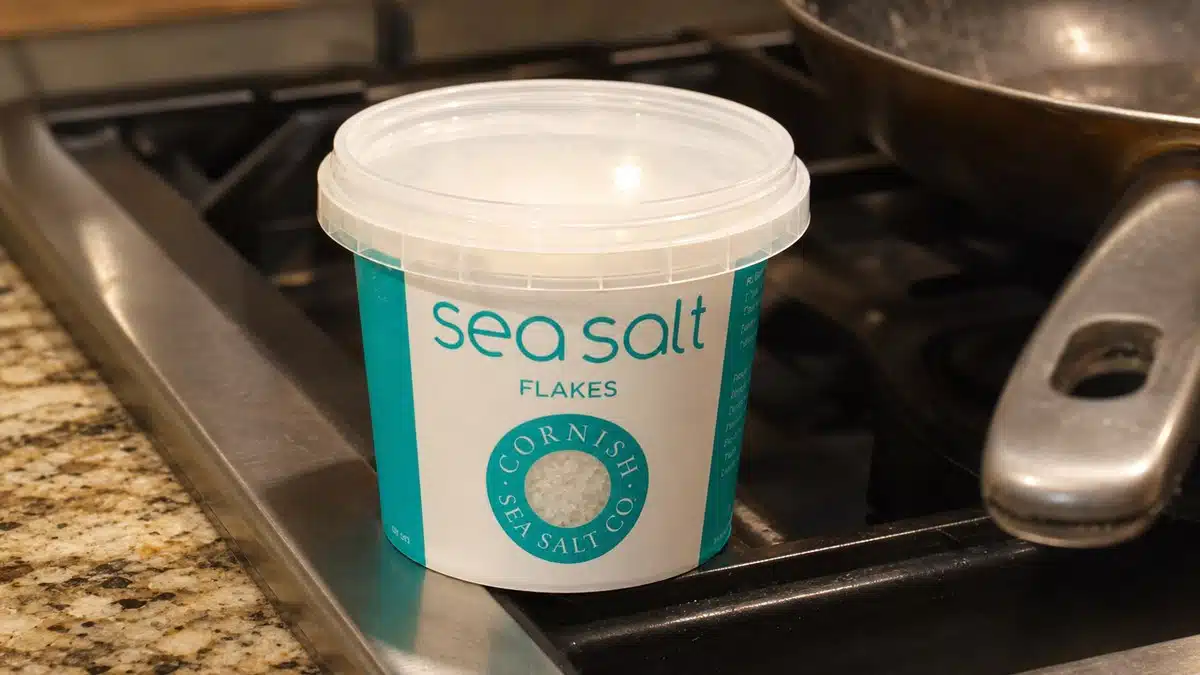
Cornish flakes feel light on the tongue, then open into a quick, bright salt hit. They bring less hard crunch than Jacobsen and fade sooner than Maldon.
Pick Cornish for food that already carries moisture. Tomato juice, salad dressing, and warm fish soften the thin crystals without leaving a rough grain behind.
That fast melt lets clean salinity lead while the food keeps its own texture. It also makes Cornish a useful direct alternative when a recipe suggests the style covered in our fleur de sel substitutes.
Dry cookies and steak can swallow the effect too quickly, especially if the flakes sit for several minutes. Choose Jacobsen or Maldon when the crunch needs to remain obvious.
- Thin flakes dissolve quickly
- Clean bright salinity
- Gentle texture on wet food
- Crunch fades fast
- Less impact on dry surfaces
4. Murray River Salt Flakes
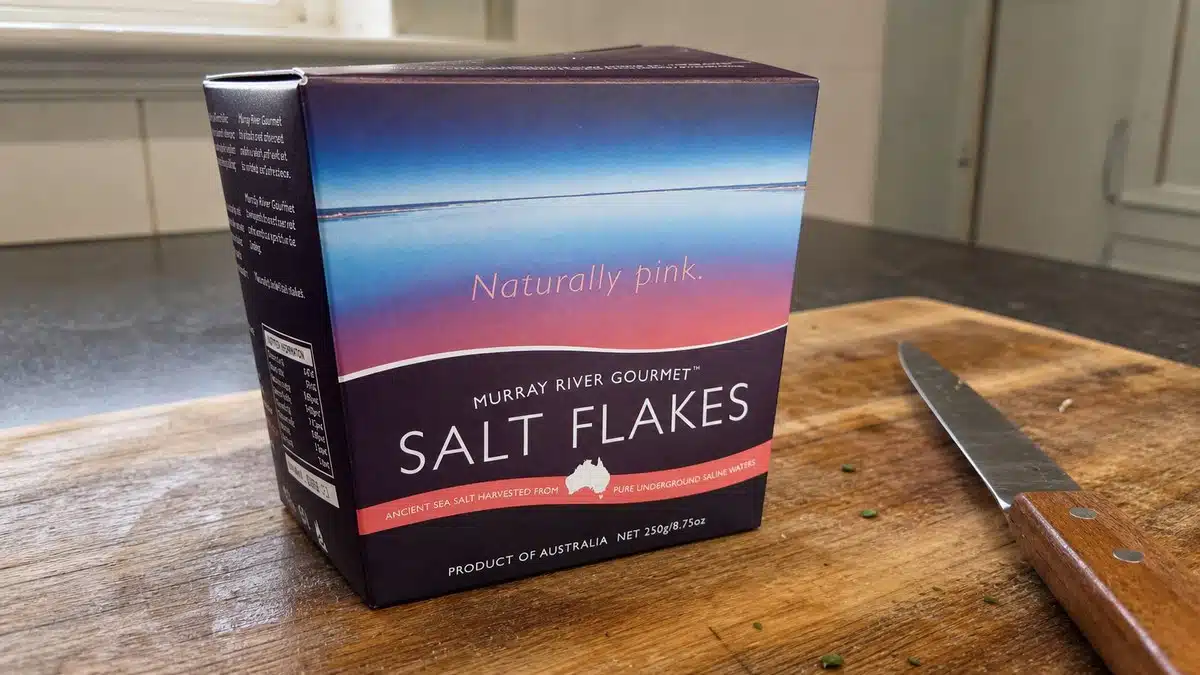
Murray River suits the cook who wants a softer crunch and a pale pink finish. The crystals feel more delicate than their color suggests and melt without a sharp mineral aftertaste.
Choose it when appearance matters but hard texture would distract. A few flakes show clearly on white fish, avocado, butter, or pale caramel.
The 8.75-ounce box is large enough for regular table use, and the pink color comes from the mineralized inland brine. Unlike coarse pink grinder crystals, these flakes are built to collapse under the teeth.
Color raises the price without making the salt more useful on every dish. Maldon still covers more meals, while Murray River makes sense for a cook who notices plating and a mild finish.
- Soft delicate crunch
- Natural pale pink color
- Large chef box
- Color carries a premium
- Too gentle for a bold crust
5. Saltverk Flaky Sea Salt
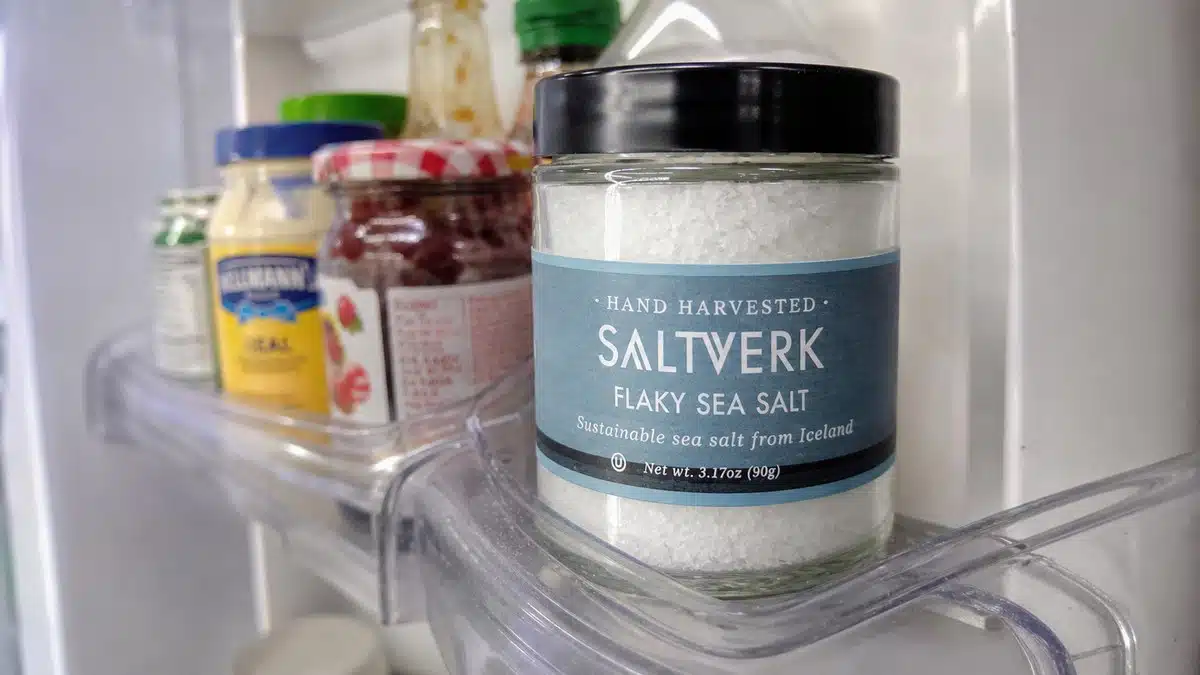
Saltverk brings a crisp mineral edge without turning into a hard shard. The brittle flakes crack lightly, cling to buttered food, and dissolve quickly once they meet warm fat or a wet surface.
Buy the jar for careful table finishing, not for salting pasta water. Its wide mouth is easy to pinch from, and the small size stays neat beside a serving board.
The salt comes from Icelandic seawater and geothermal production, which gives this pick a clear origin story. The crystal behavior still matters more at dinner: it starts crisp, tastes briny, and then clears the tongue.
Three ounces disappear fast if the jar becomes the house salt. It ranks behind Murray River because the premium package suits display and gifting better than heavy daily use.
- Crisp mineral-forward flakes
- Pinch-friendly glass jar
- Clear Icelandic origin
- Small amount for the price
- Wasteful for cooking water
6. Falksalt Cyprus Organic Sea Salt Flakes
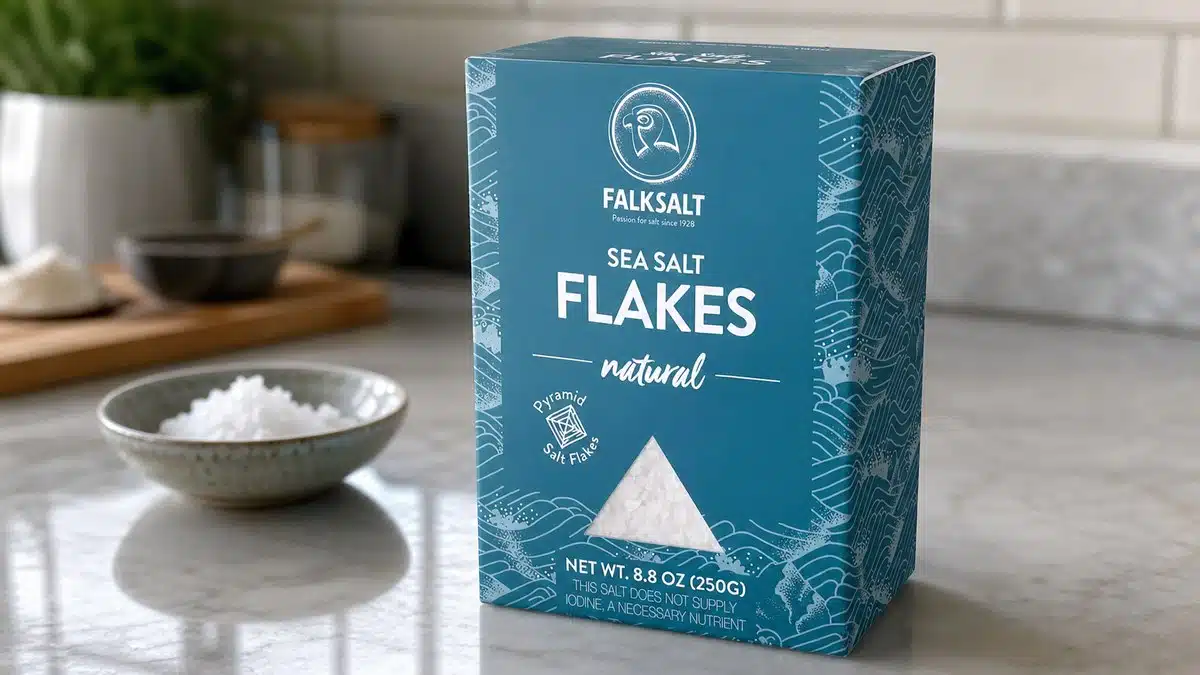
Falksalt's plain box challenges Maldon on size and price rather than on a new flavor. The light Mediterranean pyramids give a crisp finish, and the 8.8-ounce package supports regular use.
Choose it when organic certification and ounce count matter more than the most familiar brand. The flakes work on vegetables, meat, bread, and sweets without adding smoke or herbs.
They feel a little more rigid than Maldon's most delicate pieces, so crushing them between fingers gives better control. That extra step is useful on eggs and salads where a whole pyramid may taste too direct.
The overlap is also the limit. Falksalt does not create a clearer first-box reason than Maldon, but it is the stronger alternative when the larger organic package is priced well.
- Large 8.8-ounce box
- Organic plain-flake option
- Broad food range
- Needs fingertip crushing on small bites
- Overlaps Maldon's role
7. Falksalt Smoked Sea Salt Flakes
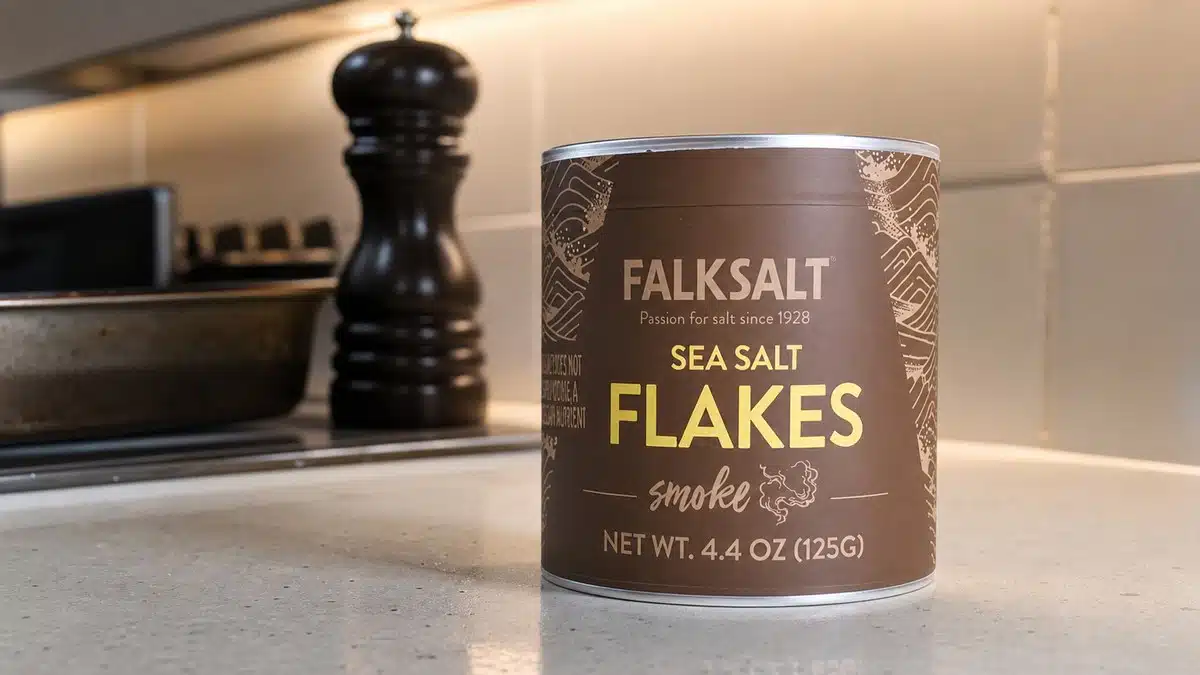
Smoke changes the entire job. These golden flakes add a campfire aroma before the salt even reaches the tongue, so they can make roasted food taste grilled.
Reserve this box for food that welcomes smoke. Beef, mushrooms, potatoes, dark chocolate, and some cocktails can take it; white fish, berries, and mild cheese usually cannot.
The pyramid shape still brings crunch, but flavor arrives first and lingers after the crystal dissolves. One or two flakes can change a bite more than a larger pinch of plain salt.
That power places Falksalt Smoke last in an all-purpose ranking. It is a useful second box, but a poor only box.
- Real smoky aroma
- Crunch plus flavor in one pinch
- Useful without a smoker
- Overpowers delicate food
- Too specific for daily use
Why Does Flake Size Change the Salt Hit?
Shape sets the hit.
Wide thin crystals expose more surface to saliva and food moisture, so they can dissolve faster than a compact grain. The first bite comes from shape, not a secret ingredient.
Large airy flakes occupy more room in a spoon while carrying less mass than tightly packed fine salt. They also create space between salty bursts, which is why one visible Jacobsen flake feels different from an even coat of table salt.
Thin flakes soften quickly on tomato or fish, while sturdier pyramids stay crisp longer on dry cookies and rested meat. Crushing a big crystal before sprinkling lowers the chance of one harsh spot.
| Flake Body | Mouth Effect | Best Surface | Easy Mistake |
|---|---|---|---|
| Large and firm | Bold crunch | Cookies, steak | Using too many |
| Thin pyramid | Light crackle | Roast food | Adding too early |
| Soft and airy | Quick melt | Fish, avocado | Losing the texture |
| Smoked flake | Aroma first | Grilled food | Treating it as plain |
This is also why kosher salt remains easier for seasoning during cooking. It costs less, spreads well across raw food, and does not ask the cook to preserve a fragile final crunch.
Which Flake Belongs on Cookies, Steak, Tomatoes, and Fish?
Surface decides.
Dry surfaces protect a flake longer, while juice, steam, and dressing pull it apart. Match the salt to how long the crystal should remain intact.
Sweet food can handle a bold isolated salt burst, but delicate fish and fresh vegetables need a softer exit. Smoke is a flavor choice, not a stronger version of plain salt.
| Food | Best Pick | Why It Fits | When to Add |
|---|---|---|---|
| Cookies and brownies | Jacobsen | Large flakes stay visible | Before baking |
| Sliced steak | Maldon | Crushes over the crust | After resting |
| Tomatoes and salad | Cornish | Thin flakes meet juice fast | At serving |
| Fish and avocado | Murray River | Soft crunch stays gentle | On the plate |
| Roast vegetables | Falksalt Natural | Firm pyramids handle warm oil | After the oven |
| Dark chocolate | Falksalt Smoke | Smoke deepens bitter cocoa | One flake per bite |
Flake salt can top bread, but it will not hold like the coarse crystals used on pretzels. Our pretzel salt substitutes explain the sticking and bake-time tradeoff when the dough needs a tougher crystal.
When Should You Sprinkle Flake Salt So the Crunch Survives?
Add flake salt at the last dry moment. Let meat rest, let vegetables stop steaming, and dress salads before the final pinch.
Cookies are the useful exception because the raw dough holds large flakes in place while the oven sets the surface. Warm fat can also catch a flake, but pooling juice will dissolve it.
- Finish cooking and move the food off direct heat.
- Rest meat or drain excess liquid from the plate.
- Crush large flakes between dry fingertips when the food needs a gentler hit.
- Sprinkle once, taste one complete bite, and correct only the unsalted spots.
Do You Need Both Plain and Smoked Flake Salt?
Most kitchens need one plain box. Maldon covers meat, vegetables, eggs, bread, fruit, cookies, and caramel without forcing another flavor onto the food.
Add a smoked box only if grilled food, mushrooms, dark chocolate, or smoky cocktails appear often enough to finish four ounces.
Flake Salt Questions Home Cooks Ask Before Buying
Use flake salt for texture and a final salt burst, then keep a cheaper cooking salt for the pan.
Maldon is the best first box here because its thin pyramids are easy to crush and fit both savory food and dessert. Jacobsen makes more sense when very large visible flakes are the whole point.
Do not swap them teaspoon for teaspoon because crystal shape changes how much salt fits in the spoon. Use weight for a precise recipe, or choose one of these kosher salt substitutes based on whether the salt must cook, brine, or finish.
Most specialty flake salts are not iodized, but the package is the authority. If iodized salt is an important dietary source for your household, keep it in the pantry and treat flake salt as a finishing tool.
Seal it in a dry box or jar away from steam. Moisture causes clumps and weakens the crisp crystal structure, even though the salt itself does not spoil like fresh food.
No. Finishing flakes are thin edible crystals made to crush and dissolve on food, while many rock-salt products use large hard crystals for grinders, curing, or non-food jobs.
Check the exact use before treating rock salt substitutes as a table finish.