
Rock salt brings coarse texture and slow-dissolving crystals to everything from grilled meats to ice cream makers. Its large, irregular grains control saltiness and add crunch where finer salts disappear too fast.
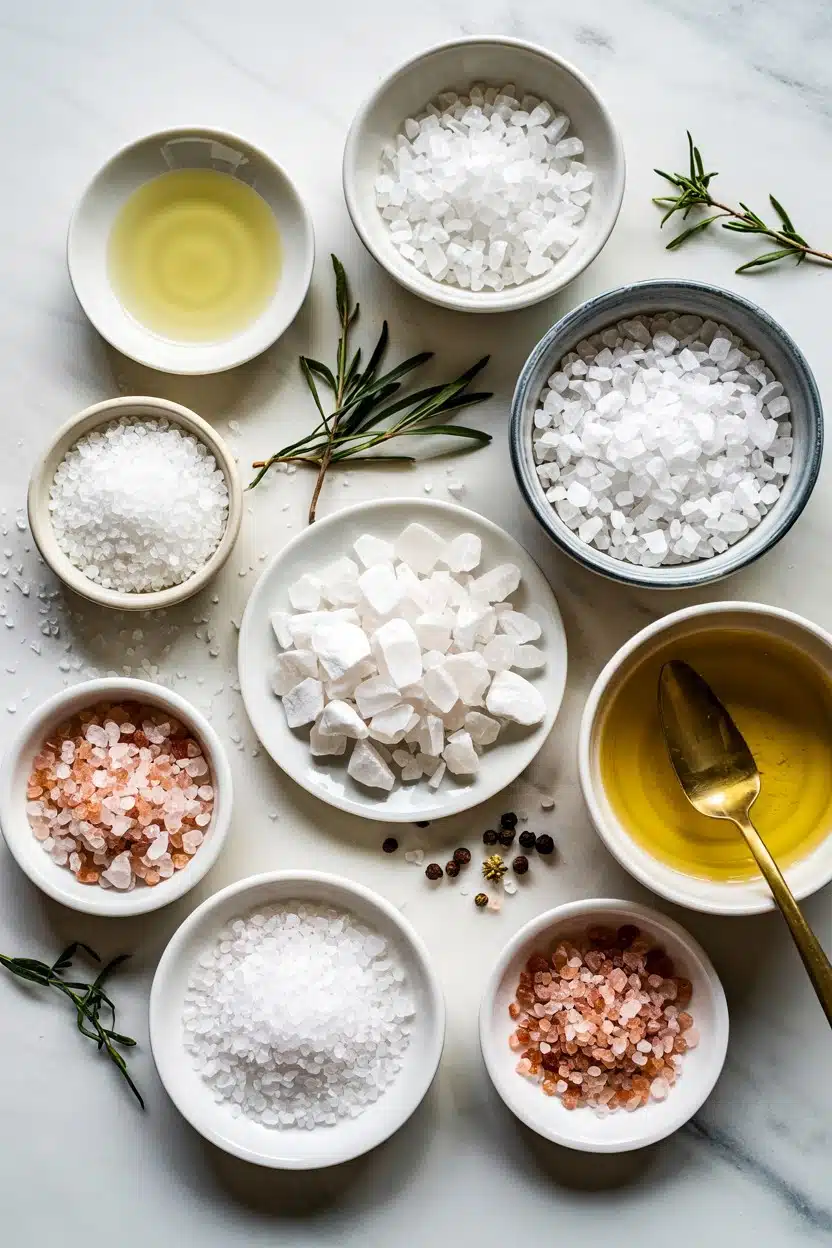
We test kosher salt, sea salt crystals, and Himalayan pink salt to find substitutes that match rock salt's texture and function. The best swap depends on whether you need slow dissolution, crunchy finishing, or just basic salinity.
These substitutes are ranked by how well they mimic Rock Salt.
For finishing and grilling, kosher salt and sea salt crystals both deliver coarse texture and clean salinity in a 1:1 ratio. We match crystal size first, then adjust for how fast the salt dissolves. In recipes where crunch matters-like steak finishes or roasted vegetables-bigger crystals hold up better than fine grains.
| # | Substitute | Best For | Ratio | Key Note |
|---|---|---|---|---|
| 1 | Kosher Salt | ✨ Both | 1:1 | Dissolves quicker than rock salt |
| 2 | Sea Salt Crystals | 🍳 Cooking | 1:1 | Variable crystal sizes |
| 3 | Himalayan Pink Salt | 🍳 Cooking | 1:1 | Pink color shows in light dishes |
| 4 | Flake Salt | 🍳 Cooking | 1.5:1 | Lacks crunch, dissolves fast |
| 5 | Coarse Table Salt | 🍳 Cooking | 1:1 | May have iodine aftertaste |
1. Kosher Salt (Closest Match)
Kosher salt has coarse, irregular flakes that mimic rock salt's texture in most cooking and finishing situations. It seasons meats evenly and holds up on grilled vegetables better than fine table salt.
Remember it later
Planning to try this recipe soon? Save it for a quick find later!
Ratio: Use 1 tablespoon kosher salt per 1 tablespoon rock salt.
- Seasoning steaks before grilling
- Finishing roasted vegetables
Kosher salt dissolves faster than rock salt, so add it closer to serving time for crunchy texture. It lacks the mineral notes some coarse salts bring, which keeps flavors clean.
If you also need replacements similar to Kosher Salt for other dishes, we match texture and salinity first. Running low means adjusting both crystal size and timing.
2. Sea Salt Crystals
Sea salt crystals bring a similar coarse crunch to rock salt with mild briny notes from trace minerals. They work well on salads and roasted vegetables where texture matters as much as salinity.
Crystal size varies between brands, so test half the amount first and adjust to taste. Larger crystals dissolve slower and hold up better on high-heat applications.
- Briny flavor adds subtle complexity
- Variable crystal sizes require testing
- Trace minerals may darken slightly when heated
Use the 1:1 ratio for finishing dishes where you want visible salt grains and a light crunch. Skip sea salt crystals in recipes that need uniform seasoning throughout, like baking salt crusts.
3. Himalayan Pink Salt (Adds Mineral Notes)
Coarse Himalayan pink salt delivers large crystals and clean salinity with earthy mineral undertones. It seasons grilled meats and salads where the pink color adds visual interest.
Ratio: Use 1 tablespoon Himalayan pink salt per 1 tablespoon rock salt.
- Pink color shows in light-colored dishes
- Mineral flavor comes through in delicate recipes
The mineral notes work well on charred steaks and roasted root vegetables. They compete with subtle flavors in fish or white sauces.
Himalayan pink salt holds its shape on high heat, making it practical for grilling and finishing. Avoid it in baking salt crusts where pure flavor and neutral color matter more than visual appeal.
4. Flake Salt
Flake salt provides mild salinity without the crunch rock salt brings. Its thin, delicate flakes dissolve fast, making it better for finishing baked goods and delicate vegetables than coarse seasoning jobs.
Use 1.5 tablespoon flake salt per 1 tablespoon rock salt to compensate for the lighter texture. The flakes disappear quickly, so add them just before serving.
Flake salt works when you want salt flavor without visible crystals or textural contrast. Skip it for grilled meats or roasted vegetables where crunch and slow dissolution matter.
Flake Salt
Works for: finishing soups, delicate salads, chocolate desserts
Skip if: you need crunchy texture or slow-dissolving crystals
5. Coarse Table Salt (Last Resort)
Coarse table salt delivers basic salinity with slightly larger grains than standard table salt. It dissolves faster than rock salt but works in a pinch for general seasoning.
Ratio: Use 1 tablespoon coarse table salt per 1 tablespoon rock salt.
- Lacks the crunch rock salt provides
- Often iodized, which adds metallic notes
- Dissolves too fast for finishing applications
Use coarse table salt in cooking where the salt disappears into the dish-pasta water, marinades, or braising liquids. Avoid it for finishing steaks or salads where texture and slow dissolution define the seasoning.
The iodine aftertaste comes through in raw applications and simple roasted vegetables. Stick with non-iodized versions if you have a choice.
How to Choose
We match crystal size to the job first, then adjust for flavor and dissolution speed.
Pick your substitute based on these priorities:
- For grilling and roasting: Kosher salt or Himalayan pink salt hold up to heat and provide visible texture
- For finishing delicate dishes: Flake salt or sea salt crystals dissolve gently without overpowering
- For general cooking: Coarse table salt works when texture doesn't matter and the salt disappears into the dish
When in doubt, start with half the amount and taste as you go. Rock salt dissolves slowly, so faster-dissolving substitutes can over-season if you use the full amount right away.
Making Rock Salt Substitutes Work
Start with the closest match. Adjust seasoning and cooking time as needed.
Most rock salt substitutes dissolve faster than the original. Add them later in cooking or just before serving to preserve texture.
Test the crystal size by rubbing a pinch between your fingers. Larger, irregular grains work better for finishing and high-heat cooking.
For recipes that need slow dissolution-like dry-brined meats or ice cream makers-stick with kosher salt or coarse sea salt crystals. Finer salts disappear too fast and concentrate the salinity in one spot.
Frequently Asked Questions
Yes, kosher salt works in ice cream makers at a 1:1 ratio with rock salt. It dissolves slightly faster, which can speed up the freezing process. Use it in the ice bath around the canister, not in the ice cream mixture itself.
Himalayan pink salt has mild mineral and earthy notes that rock salt typically lacks. The difference is subtle in most cooked dishes but more noticeable on raw vegetables or delicate fish. The pink color also shows up in light-colored foods.
Flake salt has a lighter, thinner structure that packs less densely than rock salt's chunky crystals. Use 1.5 tablespoon flake salt per 1 tablespoon rock salt to match the saltiness. The flakes also dissolve much faster, so they work better for finishing than for cooking.
Yes, most coarse salts grind well in a mortar and pestle or salt grinder. Kosher salt and sea salt crystals break down easily for even seasoning in rubs and marinades. Grinding removes the textural benefit, so skip this step if you want visible salt crystals on finished dishes.
Kosher salt is the top pick for grilling steak because it provides coarse texture and even seasoning without dissolving too fast. Use 1 tablespoon per tablespoon of rock salt and apply it 30-45 minutes before grilling. The larger crystals help form a better crust than fine table salt.
5 Best Substitutes for Rock Salt
Ingredients
Method
- Select your substitute based on intended use: grilling, finishing, or cooking.
- Adjust amount according to the recommended substitution ratio for each salt.
- Use kosher or sea salt crystals to maintain coarse texture and slow dissolution for grilling and finishing.
- Add faster-dissolving salts like flake salt just before serving to preserve saltiness without crunch.
- Taste and adjust the seasoning as needed, especially if using salts with variable crystal sizes.
Notes
- Test crystal size by rubbing a pinch between fingers to ensure texture suitability.
- Add salts with faster dissolution closer to serving to preserve texture.
- Use non-iodized coarse table salt to avoid metallic aftertaste.



