
You spot a small jar labeled "anise seed" near the fennel and caraway, pause, and wonder if it's worth adding to your spice rack - it is.
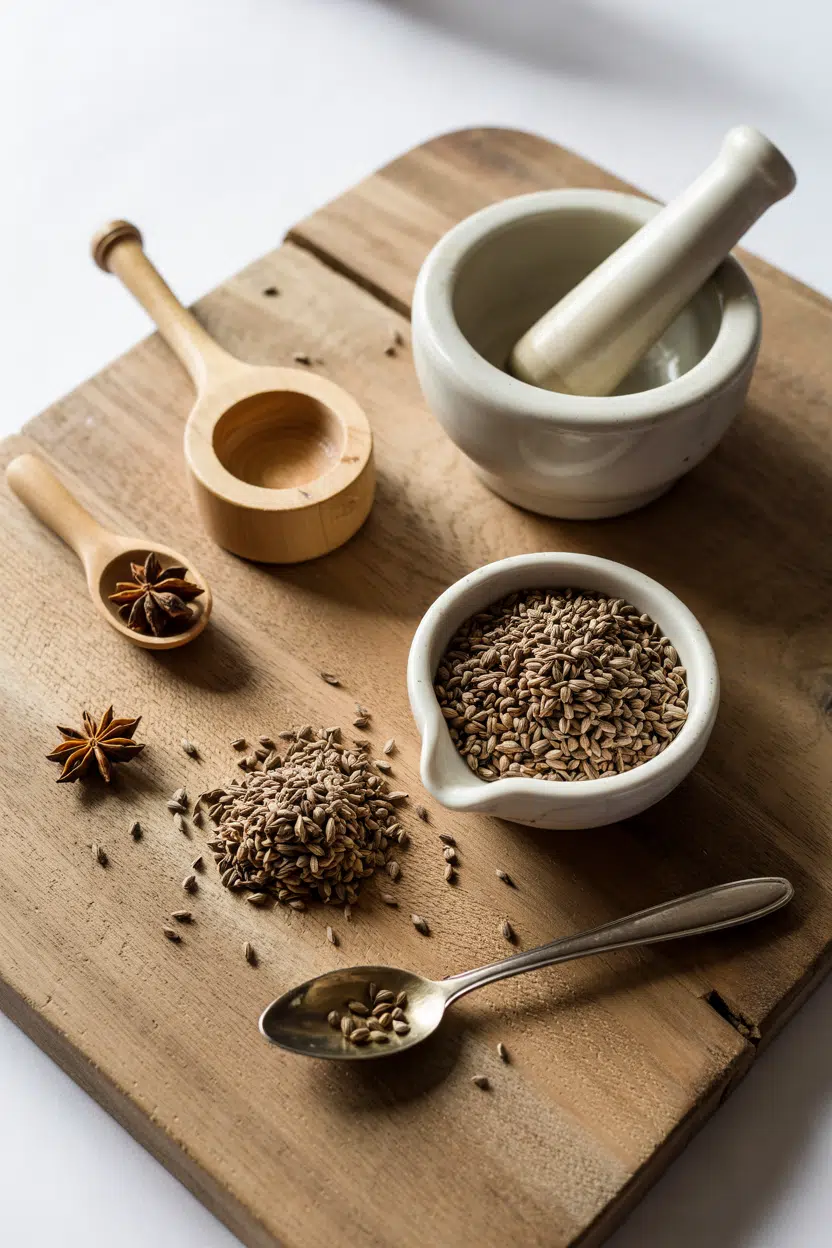
These tiny, ridged seeds carry the same sweet anethole oil that flavors ouzo and raki, making them one of the more distinctive spices you can work with in both baking and savory cooking.
Whether you're folding them into biscotti dough or steeping them into a braising liquid for lamb, understanding anise in cooking helps you use them with confidence rather than guesswork.
Anise seed is a sweet, licorice-forward spice from the Eastern Mediterranean used in baking, spirits, and savory braises. Its flavor comes from anethole oil, which intensifies when toasted. Whole seeds keep their aroma far longer than pre-ground.
What Is Anise Seed?
Anise seed is the dried fruit of Pimpinella anisum, a flowering herb in the Apiaceae family - the same botanical family as caraway, fennel, and dill.
Remember it later
Planning to try this recipe soon? Save it for a quick find later!
Native to the Eastern Mediterranean and Southwest Asia, the plant has been cultivated for thousands of years across Greece, Egypt, Turkey, and the Levant.
Each seed is small, roughly 3-5mm long, with a curved shape, longitudinal ridges, and a warm medium-brown color. You'll also see it sold as aniseed, or labeled anís in Spanish and anis in French markets.
One point of regular confusion: anise seed is not the same plant as star anise, though both share anethole as their dominant flavor compound - the differences between anise vs star anise come down to plant family, potency, and how each is best used.
- 🌱 Botanical name - Pimpinella anisum, unrelated to star anise (Illicium verum)
- 🌍 Origin - Eastern Mediterranean and Southwest Asia; now grown widely in India and Mexico
- 🧴 Active compound - Anethole, a phenylpropene responsible for its signature licorice aroma
- 🌾 Forms available - Whole seed, coarsely cracked, and ground (pre-ground loses aroma fastest)
What Does Anise Seed Taste Like?
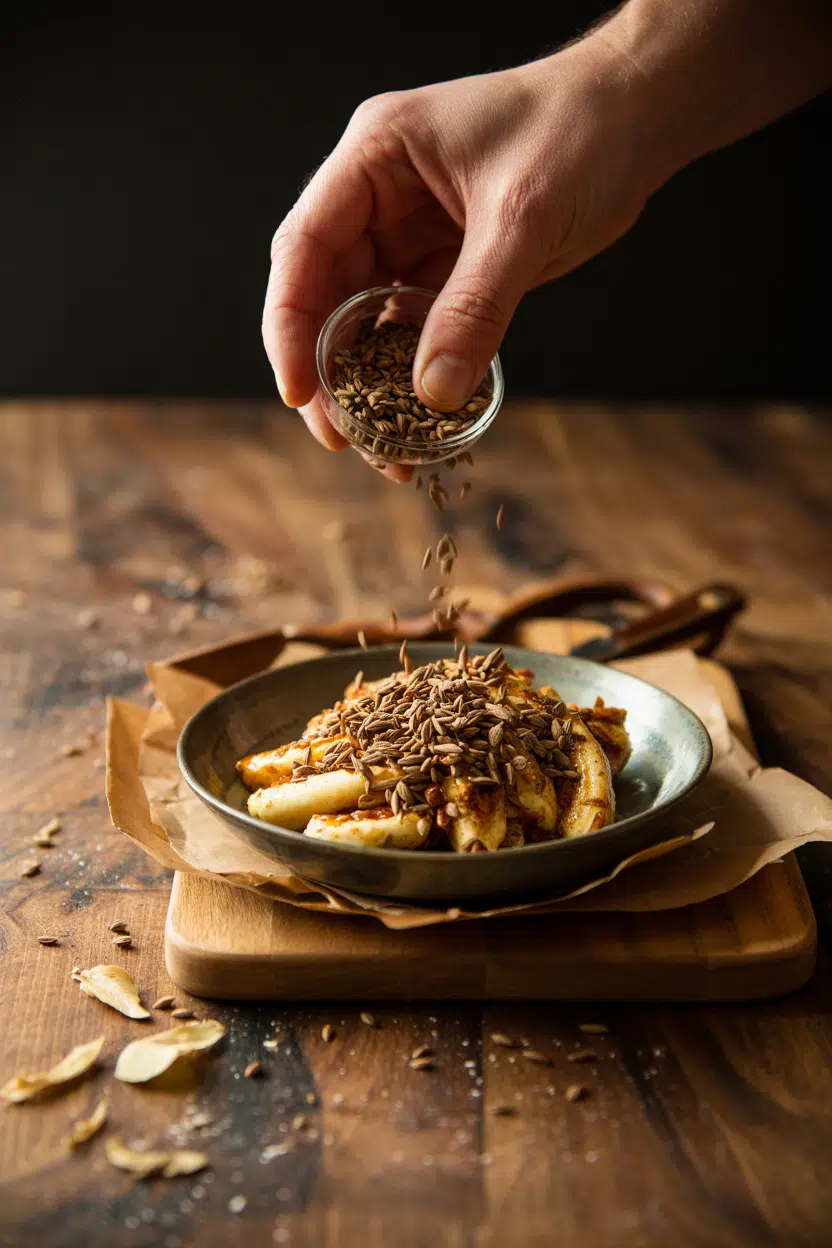
Anise seed leads with sweet, clean licorice - brighter and more candy-like than star anise, which carries a deeper, almost medicinal quality. There's a warm, slightly peppery edge underneath that keeps the sweetness from feeling flat.
Heat changes the profile noticeably. Toasting whole seeds in a dry pan deepens their sweetness and coaxes out a nuttier undertone, while grinding releases anethole immediately - meaning ground anise should go in close to when you need it.
Compared to fennel seed, anise seed is sweeter and more forward; compared to tarragon, it's warmer and less grassy. Both comparisons are worth understanding if you're weighing anise seed swaps that work in a specific recipe.
How to Use Anise Seed
Anise seed earns its place in both sweet and savory cooking, though baking is where most home cooks first encounter it. Italian anise biscotti rely on whole or lightly crushed seeds mixed directly into the dough, giving each slice an intermittent hit of licorice rather than uniform flavor.
Middle Eastern semolina puddings and ka'ak cookies steep anise in warm milk or syrups first, which softens the impact.
On the savory side, whole seeds work well in long braises.
Levantine braised lamb often includes them alongside cinnamon and allspice, where the anethole mellows over hours into something rounder and less sharp. Toasted and ground anise goes into sausage mixes and dry rubs for cured meats across Mediterranean kitchens.
| Method | Best For | Tip |
|---|---|---|
| 🌾 Whole | Biscotti dough, braises, pickling liquid | Add early so seeds soften slightly in moisture |
| 🔥 Toasted | Spice blends, sausage seasoning, dry rubs | Toast 30 sec in a dry pan, then grind immediately |
| 💧 Steeped | Teas, syrups, infused milk for puddings | Remove seeds after 10 minutes to avoid bitterness |
| 🧁 Ground | Cookie doughs, cake batters, spice mixes | Grind just before use - aroma fades within hours |
Anise seed pairs naturally with fennel seeds, orange peel, cardamom, cloves, and honey. It shows up across Greek, Italian, Lebanese, Turkish, North African, and South Asian kitchens.
Spirits like ouzo and raki are infused with it - if a recipe calls for one of those and you're out, knowing about swapping out ouzo keeps the project on track.
Keep it away from delicate herbs like chervil, which it overpowers, and avoid stirring it into cold raw dairy where the oil can turn cloying rather than fragrant.
How to Buy and Store Anise Seed
Buy whole seeds every time - pre-ground anise loses aroma within weeks, not months. Look for seeds that are uniformly plump, medium brown, and show clear longitudinal ridges.
Gray, dusty, or musty-smelling seeds have already lost most of their anethole.
Store whole seeds in an airtight, dark container away from heat and light - a spice drawer works, but a cabinet near the stove does not. Grind only what you need, when you need it.
For a full breakdown of how long they keep and what signs to watch for, anise seed's shelf life covers the specifics in detail.
- Whole seeds - best aroma within 2-3 years of purchase
- Ground anise - use within 6 months before the anethole fades
- Freezing - not necessary for whole seeds stored properly in an airtight jar
Start With the Biscotti
If this is your first time cooking with anise seed, fold a teaspoon of whole seeds into a batch of biscotti dough.
That single use teaches you how the seeds perform in heat, how their flavor distributes, and whether you want to go heavier next time.
From there, fennel seed in cooking is a natural next step - the two spices overlap enough that understanding one sharpens your instincts for the other, though their differences matter when precision counts.
Anyone weighing one against the other will also find fennel seed swaps that work a useful reference alongside anise.
Frequently Asked Questions
No. They share anethole as their primary flavor compound but come from completely different plants. Star anise (Illicium verum) is stronger and more medicinal-tasting; anise seed (Pimpinella anisum) is sweeter and brighter. They're not interchangeable at equal quantities.
Yes, with adjustments. Fennel seed is milder and slightly more savory, so use about 1.5 times the amount to approximate anise seed's intensity. The swap holds best in savory dishes and spice blends; it falls short in delicate baked goods where sweetness matters.
A mortar and pestle works well - toast the seeds first so they're brittle, then grind in short circular strokes. Alternatively, seal them in a zip bag and crush with a rolling pin for a coarser result suitable for doughs and rubs.
In culinary amounts it contributes iron, calcium, and manganese, and has a long history as a digestive tisane ingredient. Medicinal doses are a different matter - concentrated anethole can interact with certain medications and is not recommended during pregnancy.
It's genuinely at home in savory dishes. Whole seeds go into Levantine lamb braises and pickling liquids; toasted and ground seeds season sausages and cured meats across Mediterranean kitchens. The key is using heat or long cooking to mellow the raw sharpness.



