
Almond bark melts into a smooth, glossy coating that sets firm at room temperature. That behavior matters more than flavor when you're dipping pretzels or coating cake pops.

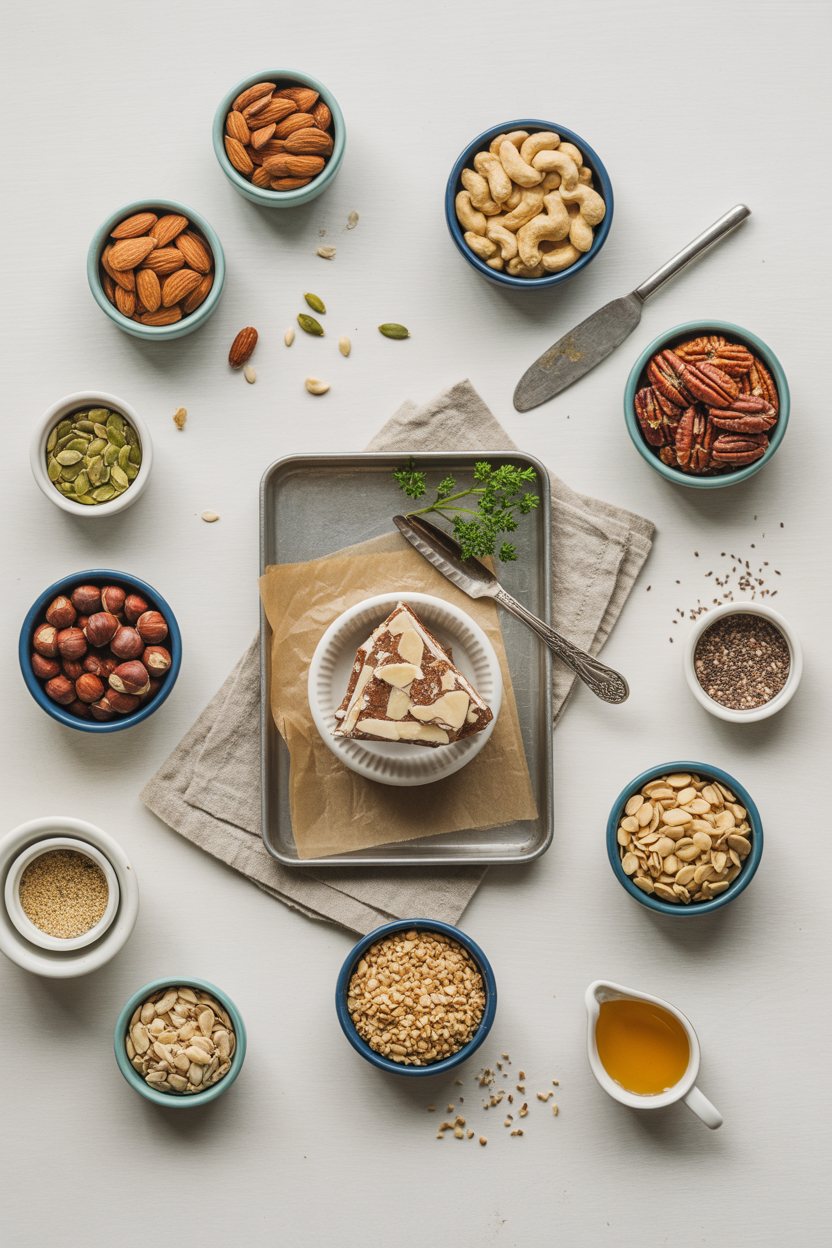
Compound chocolate and candy melts offer the closest texture and setting properties to almond bark. Prioritize matching the fat base and melting behavior for best results. Adjust thickness by adding a little vegetable oil if needed for smoother coating.
The right substitute depends on how the coating needs to perform-thin and pourable versus thick and moldable. Each option below handles heat and setting differently, so match the swap to your technique.
| # | Substitute | Best For | Ratio | Key Note |
|---|---|---|---|---|
| 1 | Compound Chocolate | ✨ Both | 1:1 | Sweeter, waxy finish |
| 2 | White Chocolate Chips | 🥧 Baking | 1:1 | Needs tempering or oil for thin coats |
| 3 | Modeling Chocolate | 🍳 Decorating | 1:1 | Pliable, won't pour |
| 4 | Candy Melts | ✨ Both | 1:1 | Color options, varied flavors |
| 5 | White Candy Coating | ✨ Both | 1:1 | Closest match, check brand |
5 Simple Almond Bark Swaps to Save Time
Some of these sit in your baking cabinet already, while others require a quick grocery run. Start with the closest texture match, then adjust based on what you're coating.
Remember it later
Planning to try this recipe soon? Save it for a quick find later!
1 - Compound Chocolate
Compound chocolate uses vegetable fats instead of cocoa butter, which means it melts smoothly and sets without tempering. The texture lands close to almond bark-firm shell, slight snap.
Expect a sweeter finish and slightly waxy mouthfeel. Use the same weight your recipe calls for and melt slowly over low heat to avoid seizing.
Skip if: you need a pure chocolate flavor or plan to store coated items at warm temperatures.
2 - White Chocolate Chips
Real white chocolate chips contain cocoa butter, so they melt differently than almond bark. The coating comes out thicker and creamier, with a richer dairy taste.
The essentials:
- Add ½ teaspoon coconut oil per cup of chips for thinner coatings.
- Melt in 20-second bursts, stirring between each.
- Let dipped items set in the refrigerator for faster firming.
If you're also short on chips, quick Chocolate Chips replacements to try covers options that melt similarly.
Skip if: you need a crisp, snappy shell-white chocolate stays softer.
Compound Chocolate
Works for: Dipping, coating, and candy making without tempering
Skip if: You want authentic chocolate depth
White Chocolate Chips
Works for: Richer flavor in baked goods and drizzles
Skip if: You need a hard, glossy finish
3 - Modeling Chocolate
Modeling chocolate trades pourability for workability. It bends, shapes, and holds fine details-useful for decorations, not dipping.
The flavor runs less sweet than almond bark, closer to actual chocolate. Warm it gently with your hands to soften, then press or mold into shape.
Key details:
- Roll thin sheets for wrapping cakes or forming ribbons.
- Cut shapes with cookie cutters while pliable.
- Store finished pieces at room temperature away from heat.
- Combine with fondant for a smoother texture if needed.
Skip if: your recipe requires a pourable coating or melted consistency.
4 - Candy Melts
Candy melts work almost identically to almond bark. They melt smoothly, set firm, and need no tempering.
The flavor varies by brand-some taste sweeter, others have a slight artificial note. Bright colors make them popular for themed treats.
What to expect:
- Melt at low heat; they scorch faster than almond bark.
- Add paramount crystals or coconut oil to thin if needed.
Skip if: you want a neutral, vanilla-forward flavor-candy melts can taste synthetic.
5 - White Candy Coating
Different brands sell white candy coating under various names, but the formula mirrors almond bark closely. Same vegetable fat base, same melting properties.
Check the ingredient list-some versions run sweeter or include artificial flavors that affect the final taste. Stick with a brand you've used before if possible.
Quick specs:
- Use equal weight as a direct swap.
- Melts between 86-90°F; avoid overheating.
- Sets slightly faster than some almond bark brands.
If white candy coating isn't available either, White Pepper replacements that work won't help here-but any compound chocolate will.
Skip if: ingredient labels matter to you; some brands use more additives than almond bark.
| Use | Ratio | Notes |
|---|---|---|
| Dipping pretzels | 1:1 | Compound chocolate or candy melts work best |
| Coating cake pops | 1:1 + oil | White chocolate chips need thinning |
| Molded candy | 1:1 | White candy coating sets firmest |
Picking the Right Replacement
Most of these swaps work without changing your technique, but compound chocolate and white candy coating come closest to almond bark's behavior. For decorations that need shaping rather than dipping, modeling chocolate fills a different role entirely.
- Closest match - White Candy Coating mirrors melt and set
- Easiest grab - Candy Melts sit in most baking aisles
- Richest flavor - White Chocolate Chips add dairy depth
Frequently Asked Questions
Yes, but add a small amount of coconut oil to thin the coating. White chocolate chips contain cocoa butter, which makes them thicker when melted.
Both use vegetable fats instead of cocoa butter and melt similarly. Candy melts come in more colors and flavors, while almond bark typically tastes more neutral.
Compound chocolate and white candy coating set just as firm. White chocolate chips stay slightly softer because of their cocoa butter content.
Almond bark doesn't need tempering, so substitutes like compound chocolate and candy melts work without that step. Real white chocolate requires tempering for a glossy finish.
White chocolate chips taste richer and more dairy-forward. Candy melts can have a slightly artificial sweetness depending on the brand. Compound chocolate and white candy coating taste closest to almond bark.
5 Best Substitutes for Almond Bark
Ingredients
Method
- Select a substitute based on the coating need: use compound chocolate or candy melts for dipping and coating or modeling chocolate for decorating and shaping.
- For compound chocolate and candy melts, melt slowly over low heat to avoid scorching or seizing; add coconut oil or paramount crystals to thin if necessary.
- For white chocolate chips, add ½ teaspoon coconut oil per cup and melt in 20-second bursts, stirring in between to achieve a thinner coating.
- Use modeling chocolate by warming gently with hands to soften, then mold or press into shape; it does not pour and is not suited for dipping.
- Apply substitutes at a 1:1 ratio by weight as directed, adjusting oil addition for thin coatings where advised; let dipped items set in refrigerator if needed.
- Taste and check the coating consistency; expect sweeter, waxy finish with compound chocolate, richer dairy with white chocolate chips, and fastest setting with white candy coating.



