
You're scaling up a batch and the adzuki beans in the pantry won't stretch far enough. These small red legumes bring a subtle sweetness and creamy texture that matters in both savory dishes and traditional desserts.
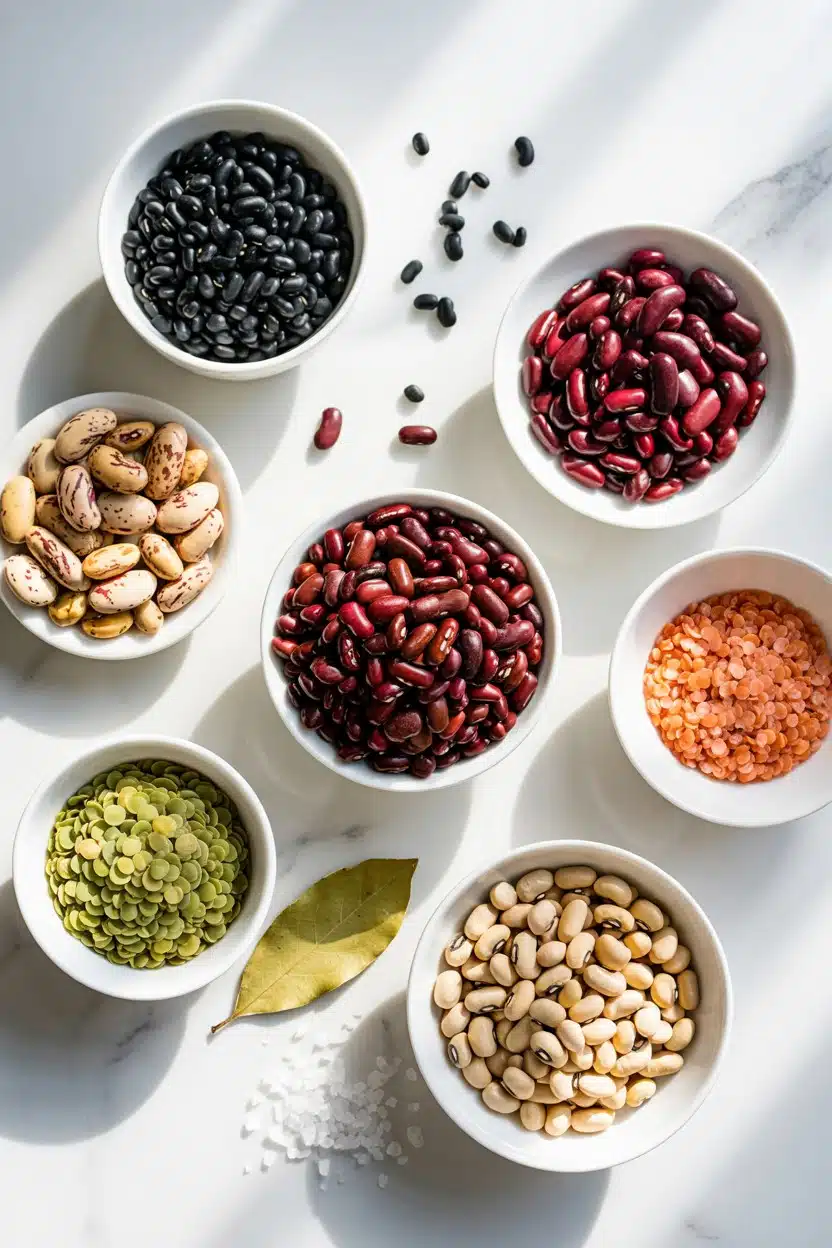

Mung beans and kidney beans offer the best balance of texture and flavor for most dishes. Prioritize texture for soups and flavor for stews. Adjust cooking times slightly to ensure even doneness and maintain dish integrity.
The right swap depends on whether you need that gentle sweetness or just a similar size and texture. Some options lean savory, others work for sweet applications, and a few handle both.
| # | Substitute | Best For | Ratio | Key Note |
|---|---|---|---|---|
| 1 | Mung Beans | 🍳 Cooking | 1:1 | Milder, slightly grassy |
| 2 | Kidney Beans | 🍳 Cooking | 1:1 | Heartier, robust flavor |
| 3 | Black Beans | 🍳 Cooking | 1:1 | Earthy, stronger taste |
| 4 | Red Lentils | 🍳 Cooking | ¾:1 | Breaks down quickly |
| 5 | Red Bean Paste | 🥧 Baking | 1:1 | Sweet, smooth texture |
5 Adzuki Bean Substitutes Without Big Changes
These options range from nearly identical swaps to workable stand-ins that shift the flavor profile. The closest matches come first, with bolder alternatives toward the end.
Remember it later
Planning to try this recipe soon? Save it for a quick find later!
1 - Mung Beans
Mung beans share a similar size and cook time, making them the most seamless swap for soups and stews. The flavor runs milder with a slight grassy note instead of adzuki's natural sweetness.
Use them anywhere you need beans that hold their shape without dominating the dish. They absorb seasonings well, so boost your aromatics slightly to compensate for the quieter taste.
The essentials:
- Same cooking time - No adjustment needed for simmering.
- Milder flavor - Add a pinch of sugar to savory dishes if sweetness matters.
- Holds shape - Works in salads and grain bowls without turning mushy.
If you're also out of mung beans, what to use for Mung Bean covers similar mild legumes.
Skip if: your recipe relies on adzuki's distinct sweetness for balance.
Mung Beans
Works for: soups, stews, grain bowls
Skip if: sweetness is essential
Kidney Beans
Works for: chili, hearty stews, tacos
Skip if: delicate or sweet dishes
2 - Kidney Beans
Kidney beans bring a meatier bite and robust earthiness compared to adzuki's gentler profile. They're larger, so the visual changes, but the texture holds up beautifully in long-cooked dishes.
Stick with these for chili, bean salads, or anywhere you want substantial presence. The stronger flavor pairs well with bold spices and tomato-based sauces.
Key details:
- Larger size - Cut in half if uniformity matters.
- Longer cooking - Add 10 minutes if using dried beans.
- Bold flavor - Reduce other strong seasonings slightly.
Don't have kidney beans either? Check Kidney Bean swaps for protein for hearty alternatives.
Skip if: you're making anything sweet or lightly seasoned.
3 - Black Beans
Black beans deliver an earthy depth with hints of sweetness, though stronger than adzuki. The dark color changes the look of your dish significantly.
They excel in Latin-inspired dishes, hearty soups, and anywhere bold flavor works. The creamy interior breaks down slightly when overcooked, so watch your timing.
If black beans aren't available as well, Black Bean alternatives that hold lists options with similar firmness.
Skip if: appearance matters or the dish needs subtle sweetness.
4 - Red Lentils
Red lentils cook faster and break down into a creamy consistency, making them ideal for purees, dal, and thickened soups. They won't hold their shape like adzuki beans.
Use three-quarters the volume since they absorb liquid differently. The mild, slightly nutty flavor blends easily into spiced dishes without competing.
What to expect:
- Fast cooking - Ready in 15-20 minutes versus 45+ for adzuki.
- Soft texture - Breaks down completely when stirred.
- Color shift - Turns golden-orange when cooked.
- Neutral base - Takes on surrounding flavors readily.
No red lentils on hand either? See Lentil swaps by recipe type for texture-matched picks.
Skip if: you need whole beans that stay intact.
5 - Red Bean Paste
Sweetened red bean paste delivers concentrated adzuki flavor in smooth form. It's made from adzuki beans, so the taste profile matches closely.
This works only for desserts-mochi fillings, buns, ice cream swirls, and sweet soups. The texture is spreadable rather than whole, and sweetness is already built in.
Adjust added sugar in your recipe since the paste brings its own. Start with half your usual sweetener and taste as you go.
Skip if: you need whole beans or anything savory.
| Use | Ratio | Notes |
|---|---|---|
| Mochi filling | 1:1 | Spread directly, no cooking needed |
| Sweet buns | 1:1 | Reduce recipe sugar by half |
| Dessert soups | 1:1 | Thin with water for smoother consistency |
Final Thoughts on Swapping Adzuki Bean
The best substitute depends on what you're making. Savory dishes handle most bean swaps gracefully, while desserts need closer attention to sweetness and texture.
- Closest match - Mung beans for similar size and mild flavor
- Easiest grab - Kidney beans from any grocery store
- Sweet option - Red bean paste for desserts and baked goods
Frequently Asked Questions
No. Kidney beans have a savory, robust flavor that doesn't work in sweet applications. Use red bean paste or mung beans sweetened with sugar instead.
Use three-quarters the volume of red lentils. They absorb liquid faster and cook down more than whole adzuki beans.
Not usually. Both beans cook in roughly 45 minutes when dried. Check tenderness starting at 40 minutes since batches vary.
Yes. Black beans release dark pigment that tints light broths and sauces gray. Use them only when color doesn't matter.
Usually yes. Most commercially available red bean paste is pre-sweetened. Check the label and reduce added sugar in your recipe accordingly.
5 Best Substitutes for Adzuki Bean
Ingredients
Method
- Select your substitute based on dish type: use red bean paste for desserts and the others for savory dishes.
- For whole bean substitutes, soak and cook mung, kidney, black beans as directed; adjust cooking times as noted for kidney beans and red lentils.
- Use mung beans in soups and stews without changing simmer time; add sugar if sweetness is important.
- Cut kidney beans in half for size uniformity and reduce strong seasonings to balance bold flavor.
- Watch black beans cooking to avoid overcooking; note they will tint light broths gray, so use only when appearance is not critical.
- Use ¾ the volume of red lentils as they cook faster and break down into a creamy texture, ideal for purees and thick soups.
- For red bean paste, spread or mix directly in desserts; reduce added sugar in your recipe by half and thin with water if needed for consistency.
- Taste test final dish to adjust seasoning, especially sweetness and texture, after substitution application.



