The store isn't an option, and the pantry has to cover this one. Blade steak brings beefy flavor with enough connective tissue to turn silky after a long braise.

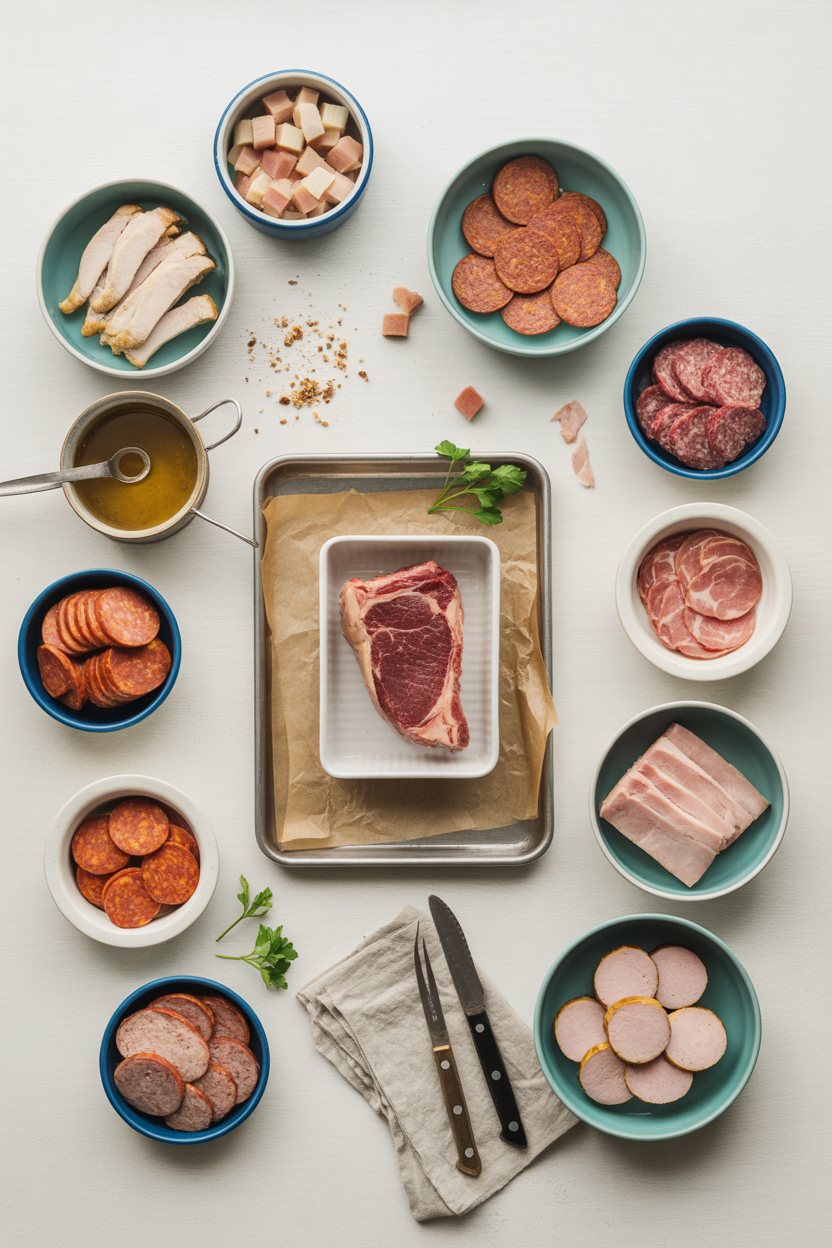
Chuck roast and flat iron steak are top substitutes; prioritize matching flavor and texture first. Adjust cooking time or heat depending on the cut. Remember, slow-cooking cuts need longer braising to become tender.
Not every cut handles the same cooking method, so match the swap to your technique first. Some work better on high heat, others need low and slow. The table below gives you the fastest answer.
| # | Substitute | Best For | Ratio | Key Note |
|---|---|---|---|---|
| 1 | Chuck Roast | 🍳 Cooking | 1:1 | Rich flavor, needs longer cook |
| 2 | Skirt Steak | 🍳 Cooking | 1:1 | Best for quick high heat |
| 3 | Flat Iron Steak | 🍳 Cooking | 1:1 | Tender, mild, sears well |
| 4 | Top Sirloin | 🍳 Cooking | 1:1 | Lean, roasts nicely |
| 5 | Beef Brisket | 🍳 Cooking | 1:1 | Fatty, needs hours to tenderize |
5 Easy Blade Steak Swaps for Cooking
These alternatives range from pantry-friendly braising cuts to quick-cooking steaks that sear in minutes. Pick based on your cooking method and what's already in your fridge.
Remember it later
Planning to try this recipe soon? Save it for a quick find later!
1 - Chuck Roast
Chuck roast comes from the same shoulder region as blade steak, so the beefy depth matches closely. The texture runs slightly tougher, which means it needs more time to break down.
Cut it into steak-sized portions and braise for at least two hours. The collagen melts into the sauce, giving you that same rich body blade steak delivers.
Skip if: you need something ready in under an hour.
Chuck Roast
Works for: pot roast, beef stew, shredded beef tacos
Skip if: grilling or pan-searing quickly
Blade Steak
Works for: braising, grilling after tenderizing, stir-fry
Skip if: you want uniform slices without a center seam
2 - Skirt Steak
Skirt steak cooks in the opposite direction-screaming hot, fast, and done. The fibers run long and loose, which creates that signature chew fajita lovers recognize.
Slice against the grain or it turns stringy. Keep it medium-rare at most; anything beyond that dries out quickly.
The essentials:
- Sear over high heat for 2-3 minutes per side.
- Rest 5 minutes before slicing thin against the grain.
- Season aggressively since the loose texture absorbs marinades well.
Skip if: your recipe calls for braising or stewing.
3 - Flat Iron Steak
Flat iron comes from the top blade muscle, making it one of the closest relatives to blade steak. The main difference is a center tendon that's already been removed during butchering.
Marbling runs through the whole cut, so it stays juicy without much effort. It sears beautifully and tastes mild, almost buttery.
Skip if: you're making a slow braise where tenderness develops over hours.
4 - Top Sirloin
Top sirloin runs leaner than blade steak, which means less fat to protect against overcooking. The flavor stays beefy but won't have that same richness from marbling.
Roast it whole or grill thick steaks to medium for the best results. Going past medium turns it chewy fast.
When you need similar texture with more options, what to use for Sirloin Steak covers cuts that hold up to dry heat.
Skip if: braising or any recipe that counts on fat rendering out.
5 - Beef Brisket
Brisket takes everything blade steak does and stretches it out. The fat cap and connective tissue need hours to render, but the payoff is shredded beef that falls apart at a glance.
Plan for 3-4 hours of low heat at minimum. Smoke it, braise it, or slow-roast it-just don't rush it.
Key details:
- Keep the fat cap facing up so it bastes the meat as it melts.
- Target 200-205°F internal temperature for pullable texture.
| Use | Ratio | Notes |
|---|---|---|
| Pot roast | 1:1 by weight | Add 1–2 hours to cook time |
| Smoked beef | 1:1 by weight | Low and slow, 225°F for 6+ hours |
| Shredded tacos | 1:1 by weight | Braise until fork-tender |
Skip if: you need dinner in under two hours.
Choosing the Right Blade Steak Substitute
The right swap depends entirely on how you're cooking. Fast and hot calls for skirt or flat iron. Low and slow opens the door to chuck roast or brisket.
- Closest match - Flat iron for similar tenderness and mild beef flavor
- Easiest grab - Chuck roast since most grocery stores stock it
- Bold alternative - Brisket when you have time and want deep, smoky richness
Frequently Asked Questions
Not directly. Chuck roast is too tough for quick grilling. Slice it thin and marinate overnight, or braise it instead.
Flat iron steak comes closest. It's cut from the same muscle group and has similar marbling and tenderness.
Skirt steak has long muscle fibers. Cutting against them shortens those fibers, making each bite tender instead of chewy.
It works but can turn dry. Top sirloin lacks the fat content that keeps blade steak moist during long simmering.
Expect at least double the time. Blade steak braises in 1-2 hours, while brisket needs 3-4 hours minimum to become tender.
5 Best Substitutes for Blade Steak
Ingredients
Method
- Choose your substitute based on the cooking method: use skirt or flat iron for quick high heat, chuck roast or brisket for low and slow.
- For chuck roast, cut into steak-sized portions and braise at least two hours until collagen melts into the sauce.
- For skirt steak, sear over high heat 2-3 minutes per side, rest 5 minutes, then slice thin against the grain.
- For flat iron steak, sear well and keep cooking quick to preserve tenderness; avoid slow braising.
- For top sirloin, roast or grill thick steaks to medium, and pull from heat at 130°F internal temperature.
- For beef brisket, cook low and slow for 3-4 hours minimum with fat cap facing up to baste meat.
- Adjust ratios 1:1 by weight for all substitutes, and ensure cooking time matches cut toughness and cooking method.
- Taste-test throughout to ensure desired tenderness and flavor balance.