
Wheat germ adds a nutty crunch and extra nutrition to baking and breakfast bowls, and most kitchens don't keep a backup.
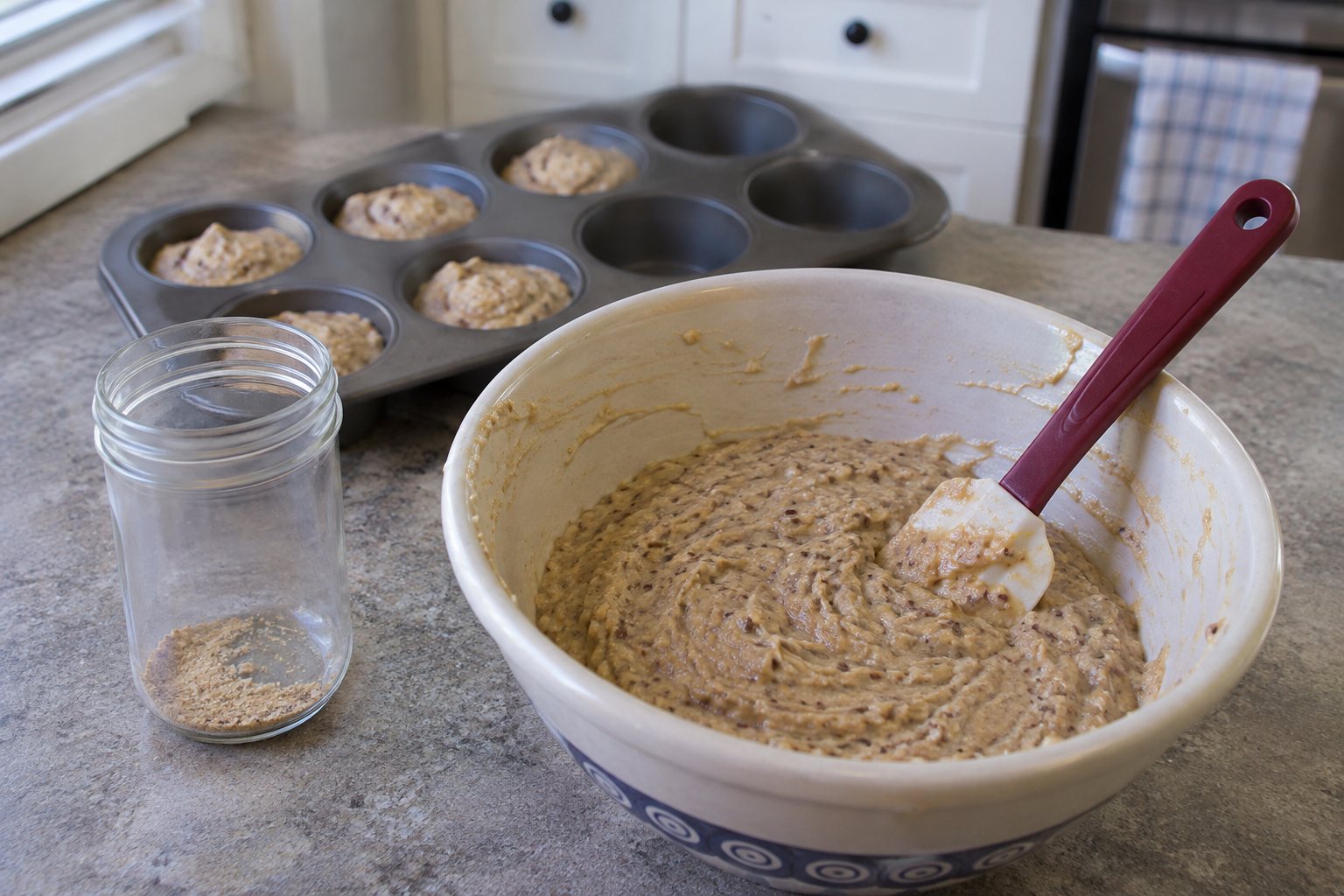
For muffins, pancakes and hot cereal, ground flaxseed or oat bran at 1:1 is the safest swap. Wheat germ itself contains gluten, so a gluten-free kitchen needs flaxseed, nuts or seeds instead.
| # | Substitute | Best For | Ratio | Key Note |
|---|---|---|---|---|
| 1 | Ground Flaxseed | ✨ Both | 1:1 | Nutty, slightly earthy flavor |
| 2 | Oat Bran | ✨ Both | 1:1 | Milder and softer texture |
| 3 | Chopped Almonds | 🍳 Cooking | Equal volume, chopped finely | Sweet, nutty crunch |
| 4 | Wheat Flour | 🥧 Baking | 1:1 | Neutral, finer texture |
| 5 | Sunflower Seeds (ground) | 🍳 Cooking | 1:1 | Earthy and slightly sweet |
| 6 | Sesame Seeds (toasted and ground) | ✨ Both | Equal volume | Toasty, nutty, stronger flavor |
| 7 | Wheat Bran | 🥧 Baking | 1:1 | Coarse and fibrous |
Ground flaxseed is the closest swap for wheat germ. Use the same amount, and a few tablespoons need no extra liquid.
Pick oat bran for a milder taste that blends into muffins and hot cereal without adding crunch.
Wheat bran soaks up more liquid, so add a tablespoon of water per ¼ cup if your batter feels dry.
What Does Wheat Germ Do in a Recipe?
Wheat germ is the embryo of the wheat kernel, the small part that would sprout into a new plant. It holds much of the grain's fat and most of its vitamins and minerals.
Remember it later
Planning to try this recipe soon? Save it for a quick find later!
In a recipe it adds nutty flavor, small crunchy flakes and some fiber, but almost no structure. One ounce of toasted wheat germ has about 4 grams of fiber and 8 grams of protein.
So pick the swap for the job wheat germ does in your dish:
- Flavor and crunch in granola, yogurt toppings and coatings: chopped almonds, ground sunflower seeds and toasted sesame seeds cover this best.
- Fiber and nutrition in muffins, pancakes, hot cereal and smoothies: ground flaxseed and oat bran add fiber without grit, and wheat bran adds the most.
- Bulk in a batter or dough: wheat flour fills the space and leaves the taste alone.
Most jars on the shelf are toasted, which slows rancidity and gives wheat germ its nutty taste. When a recipe asks for toasted wheat germ, toast the swap too.
Wheat germ turns rancid quickly at room temperature, so an opened jar belongs in an airtight container in the fridge, where it keeps for several months. If yours smells bitter or off, use a swap instead of baking with it.
7 Wheat Germ Swaps That Keep Flavor Balanced
1 – Flaxseed
Ground flaxseed brings a similar nutty flavor and works in both baking and smoothies. Swap it 1:1, so 3 tablespoons of wheat germ become 3 tablespoons of ground flaxseed.
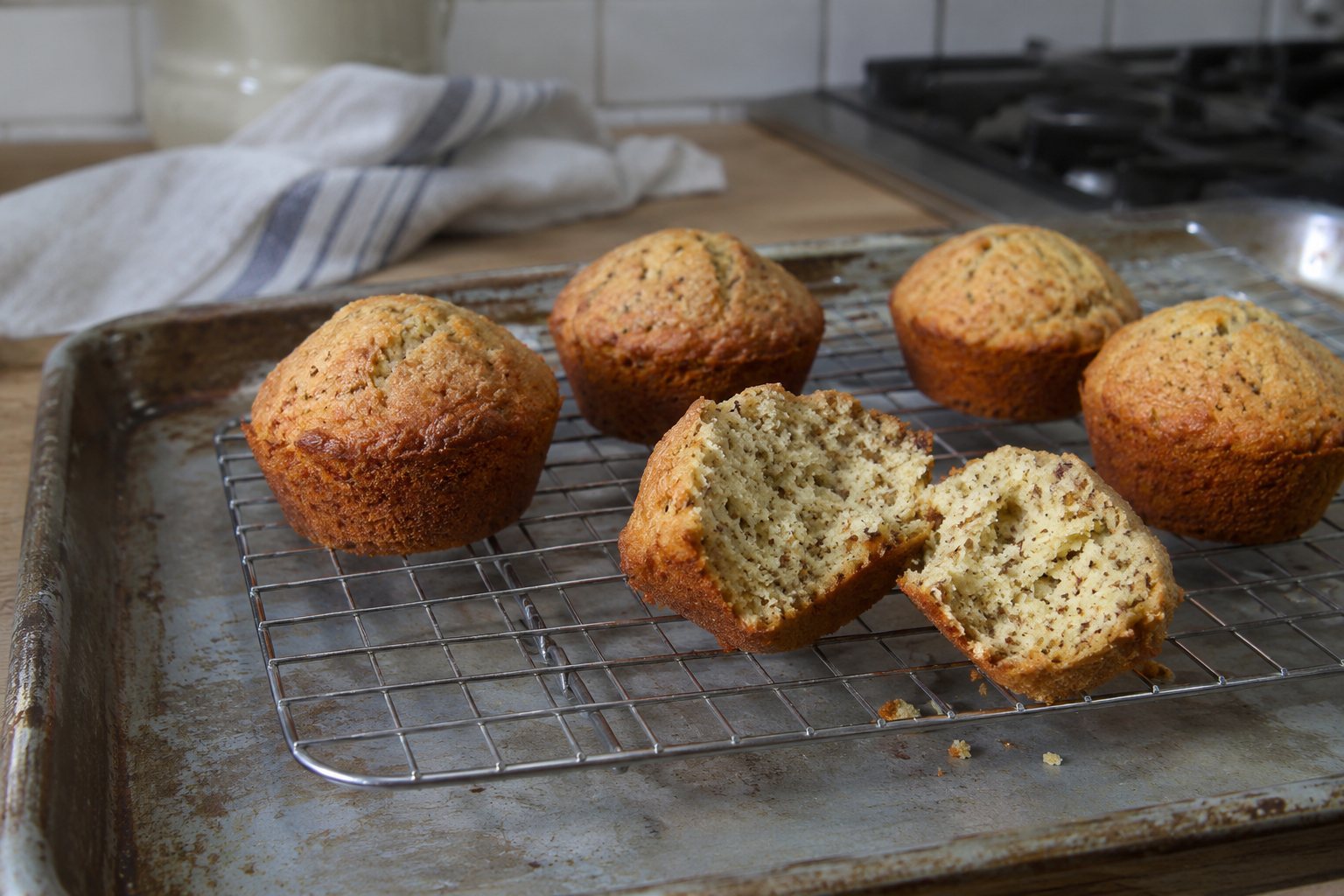
- Works in muffins, pancakes, and oatmeal at small amounts without changing the texture
- Adds omega-3s and fiber similar to wheat germ
- Has a slightly earthy undertone that reads more prominent in delicate pastries
Flaxseed holds more water than wheat germ, so a large swap of ¼ cup or more can leave a batter stiffer than expected. Stir in a splash of milk if it looks thick after a few minutes.
Ground flaxseed is also a common vegan binder, and the swaps for ground flaxseed list what else can do that job.
Skip if: You need a mild flavor that disappears into the background.
Flaxseed
Works for: Baking and smoothies with nutty flavor
Skip if: You want a neutral taste
Wheat Germ
Works for: Adding nutrition without strong flavor
Skip if: You need a gluten-free option
2 – Oat Bran
Oat bran delivers a milder flavor and softer texture than wheat germ. It blends into cereals and baked goods without adding crunch, making it a good choice when you want fiber without changing the feel of the dish.
Here's what to know:
- Use the same amount as wheat germ in any recipe
- Works best in muffins, breads, and hot cereals
- Adds soluble fiber that helps with moisture retention
- Needs slightly longer mixing time to incorporate evenly
- Counts as gluten-free only with a certified label, because most oat products pick up wheat during farming and milling
Because oat bran has no crunch, it replaces the fiber in wheat germ but not the texture. For a crunchy topping, pick almonds or seeds instead.
Out of oat bran as well? The substitutes for oat bran cover swaps for muffins and hot cereal.
Skip if: You want a noticeable crunch or need certified gluten-free ingredients.
3 – Almonds
Chopped almonds add a sweet, nutty crunch that works as a topping or mixed into granola. They bring more texture and a stronger flavor than wheat germ, so they stand out rather than blend in.
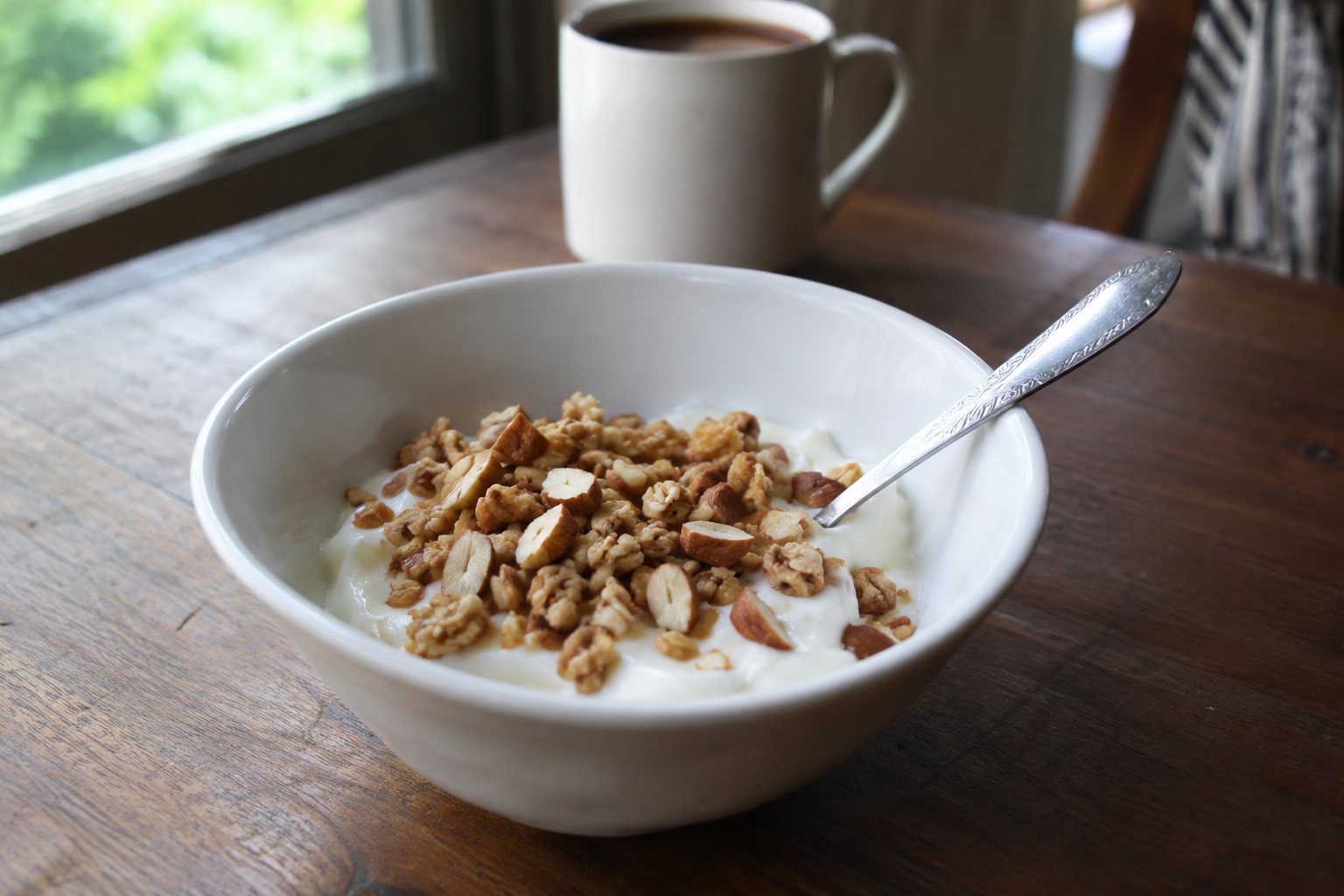
The crunch stays firm even after baking, which makes almonds ideal for recipes where you want visible pieces. Chop them finely to mimic wheat germ's size, or leave them coarser if you prefer a chunkier bite.
A few quick pulses in a food processor give flake-sized pieces, but a long run turns them into almond meal and then paste. Almonds are tree nuts, so leave them out of nut-free baking.
No almonds? Other nuts and seeds give a similar crunch.
Skip if: You need a fine texture or want the substitute to disappear into the dish.
4 – Wheat Flour
Wheat flour brings structure and binds ingredients in bread and baked goods, but it lacks the nutty flavor and nutritional punch of wheat germ. Reach for it when you need texture without altering taste.
Use the same amount as wheat germ, but expect a finer, less gritty result. The flour absorbs liquid differently, so doughs may feel slightly softer.
- Whole wheat flour is the closer pick, because whole grain flour keeps the germ and bran that white flour loses.
- White flour at 1:1 keeps the batter volume right but leaves out the nutty flavor, so mix in a spoonful of chopped almonds or toasted sesame seeds if you miss it.
The swaps for whole wheat flour cover what else gives a loaf its fiber and structure.
Skip if: You want added nutrition or a noticeable crunch.
5 – Sunflower Seeds
Ground sunflower seeds bring an earthy, slightly sweet flavor that works in savory coatings and salads. They add more oil than wheat germ, so the texture leans richer and softer.
- Grind them to match wheat germ's texture
- Works best in savory dishes where a mild sweetness fits
- Pulse in short bursts, because a long grind turns them into sunflower butter
- Can turn green in batters made with baking soda, which is harmless, and less baking soda or a little lemon juice reduces it
The higher fat content can overpower delicate baking, especially in recipes with subtle spices or vanilla.
The sunflower seed substitutes offer other ways to add crunch or oil-based richness.
Skip if: You're baking something sweet or need a neutral flavor.
6 – Sesame Seeds
Toasted and ground sesame seeds deliver a strong, nutty flavor that works in sauces, dressings, and baking. The taste is bolder than wheat germ, so it stands out in dishes with mild seasonings.
Use the same volume, but toast the seeds first to bring out the oils and deepen the flavor. A dry skillet over medium-low heat takes 3 to 5 minutes, and the texture stays slightly coarser, even when ground finely.
Sesame is one of the nine major allergens in the United States, so check with anyone who will eat the dish. If sesame is the seed you lack, what to use in place of sesame seeds covers nutty, crunchy options.
Skip if: The recipe relies on a subtle flavor that shouldn't compete with other ingredients.
7 – Wheat Bran
Wheat bran adds fiber and a coarse texture that works in baking, especially in muffins and breads where you want structure. It's nuttier but tougher than wheat germ, so the final product feels denser.
- Use the same amount as wheat germ
- Works best in high-fiber breads and muffins
- Absorbs more liquid, so add a tablespoon of water per ¼ cup if the batter feels dry
Wheat bran has much more fiber than wheat germ, so a 1:1 swap makes muffins noticeably heavier and drier without that extra water.
The wheat bran substitutes list what else gives fiber and structure in muffins and bread.
Skip if: You need a light, tender crumb or want the substitute to blend smoothly.
Which Swap Fits Which Dish?
Start with what the recipe needs from wheat germ, then use the row that matches.
| Use | Ratio | Notes |
|---|---|---|
| Bread and bars (mild flavor) | 1:1 | Use oat bran or wheat flour |
| Muffins, pancakes, smoothies | 1:1 | Ground flaxseed or oat bran blends in without grit |
| High-fiber breads | 1:1 | Wheat bran, with 1 tablespoon of water per ¼ cup |
| Granola, yogurt and other toppings | Equal volume | Chopped almonds, ground sunflower seeds or sesame seeds |
| Savory coating | 1:1 | Ground sunflower seeds or sesame seeds |
| Gluten-free baking | 1:1 | Ground flaxseed, or oat bran labeled gluten-free |
In granola, wheat germ is an add-in, not the base, so a swap barely changes the batch. Chopped almonds or ground sunflower seeds go in at the same spot, mixed with the oats before baking.
Cereal and smoothie bowls take ground flaxseed or oat bran the same way, stirred in by the spoonful.
Frequently Asked Questions
Most substitutes work at a 1:1 ratio, but wheat bran and large amounts of ground flaxseed absorb more liquid. Add a tablespoon of water or a splash of milk if the batter feels too dry.
Oat bran and wheat flour stay neutral, while flaxseed and sesame seeds bring a stronger nutty flavor. Chopped almonds and sunflower seeds add sweetness that works better in heartier recipes.
Wheat bran has much more fiber than wheat germ, and ground flaxseed adds plenty too. Oat bran adds soluble fiber that also helps with moisture retention.
Ground flaxseed and oat bran blend smoothly and don't alter the texture. Sesame seeds and sunflower seeds work if ground finely, but they add a stronger flavor.
Ground flaxseed, chopped almonds, ground sunflower seeds, and toasted sesame seeds are naturally gluten-free, but wheat germ, wheat flour and wheat bran all contain gluten. Oat bran is gluten-free only when the label says so, because oats often pick up wheat during farming and milling.
No. Wheat bran is the hard outer shell of the kernel and wheat germ is the embryo inside it, so bran is coarser and higher in fiber while germ is richer in fat and vitamins.
Usually yes, because in muffins, pancakes and granola the flour or oats hold the dish together and wheat germ only adds nutty flavor, fiber and crunch. Replace it with the same amount of flour or oat bran if you want the batter volume to stay the same.



