Mizithra cheese comes in two forms-fresh and aged-and most recipes don't specify which one they mean. Fresh mizithra spreads like ricotta; aged mizithra grates like parmesan.

The swap depends on what the recipe is doing with the cheese. Fresh versions add moisture and mild sweetness to pastries; aged versions add salty sharpness to pasta.
If you guess wrong, the dish changes completely.
The seven options below split between fresh-style and aged-style substitutes. Match the texture first, then adjust for flavor.
Mizithra ranges from fresh and mild to aged and salty, often used grated over pasta. For cooking, match salt level first, then adjust texture so it grates or crumbles the same way.
7 Best Mizithra Cheese Substitutes for Cooking
These swaps range from pantry staples to specialty finds. The first three work for grating over hot dishes; the rest handle fresh applications or crumbled toppings.
Remember it later
Planning to try this recipe soon? Save it for a quick find later!
| # | Substitute | Best For | Ratio | Key Note |
|---|---|---|---|---|
| 1 | Ricotta Salata | 🍳 Cooking | 1:1 | Saltier, firmer texture |
| 2 | Parmesan | 🍳 Cooking | ¾ cup per 1 cup | Sharper, nuttier flavor |
| 3 | Romano | 🍳 Cooking | ⅔ cup per 1 cup | Much saltier, tangier |
| 4 | Fresh Ricotta | 🥧 Baking | 1:1 | Wetter, creamier consistency |
| 5 | Feta | 🍳 Cooking | ¾ cup per 1 cup | Tangier, more acidic |
| 6 | Cotija | 🍳 Cooking | 1:1 | Saltier, crumbly texture |
| 7 | Aged Goat Cheese | ✨ Both | 1:1 | Tangier with goat funk |
1 - Ricotta Salata
Ricotta salata sits somewhere between fresh ricotta and aged mizithra. It grates cleanly over pasta and holds its shape when crumbled into salads.
The flavor runs slightly saltier than fresh mizithra but lacks the sharpness of aged versions. Expect a mild milky taste with just enough salt to carry a dish.
Skip if: You need a creamy, spreadable texture for pastries or desserts.
2 - Parmesan
Parmesan brings more punch than mizithra ever does. The nuttiness is bolder, the sharpness more assertive, and the sweetness completely gone.
This works best when you want that salty, savory finish on pasta but don't mind a stronger flavor. Use three-quarters of a cup for every cup of mizithra the recipe calls for-the intensity makes up for the reduced volume.
Missing parmesan as well? Quick Parmesan Cheese replacements to try ranks options by how sharp they hit.
- Ratio: ¾ cup per 1 cup mizithra
- Best for: Grated over hot pasta dishes
- Texture: Firm, grates into fine shreds
- Flavor: Sharp, nutty, assertive
Skip if: You're baking delicate pastries or desserts where mizithra's sweetness matters.
Over Pasta
Works for: Bold sauces, tomato-based dishes
Skip if: The dish relies on mild sweetness
In Baking
Works for: Savory breads, cheese crackers
Skip if: You're making sweet pastries
3 - Romano
Romano cheese hits harder than parmesan. The salt level is higher, the tang sharper, and the overall flavor more aggressive.
Use two-thirds of a cup for every cup of mizithra. The intensity compensates for the smaller amount, but you might still want to cut back on added salt in the recipe.
If romano isn't in the pantry either, easy Romano Cheese swaps that work covers picks with varying salt levels.
- Ratio: ⅔ cup per 1 cup mizithra
- Best for: Finishing savory pasta and vegetable dishes
- Flavor: Much saltier and tangier with a sharp bite
Skip if: You want a mild, delicate flavor in the final dish.
4 - Fresh Ricotta
Fresh ricotta matches the creamy, spreadable texture of fresh mizithra almost exactly. The mild sweetness is there, though the consistency runs wetter.
This swap works best in baking-pastries, fillings, and desserts where you need that soft, smooth bite. Drain excess liquid if the ricotta looks too wet; pat it dry with paper towels before mixing.
Out of fresh ricotta too? Ricotta Cheese alternatives worth trying lists options sorted by moisture content.
- Ratio: 1:1 for fresh mizithra applications
- Best for: Baking in pastries and sweet dishes
- Texture: Creamier and wetter; similar mild sweetness
- Flavor: Mild, slightly sweet, less tangy
Skip if: You need a hard grating cheese for pasta toppings.
5 - Feta
Feta crumbles like aged mizithra but brings more tang and salt. The acidity cuts through rich dishes, making it a good pick for Greek-style pasta or vegetable bakes.
Use three-quarters of a cup for every cup of mizithra. The flavor difference is noticeable-feta leans briny where mizithra stays neutral.
Not stocked on feta either? Feta Cheese alternatives to try covers less tangy crumbled options.
What to expect:
- Ratio: ¾ cup per 1 cup mizithra
- Best for: Crumbled over Greek pasta and vegetable dishes
Skip if: You're making sweet applications or need a delicate flavor.
| Use | Ratio | Notes |
|---|---|---|
| Pasta topping | ¾ cup | Expect more tang and salt |
| Salads | ¾ cup | Crumbles cleanly, adds brightness |
| Baking | Not ideal | Acidity changes flavor |
6 - Cotija
Cotija cheese crumbles dry and salty, similar to aged mizithra. The texture is firmer, and the salt level runs higher, so you might want to cut back on added salt elsewhere.
This works well crumbled over hot pasta, grain bowls, or roasted vegetables. The flavor stays savory without the sweetness mizithra sometimes carries.
Here's what to know:
- Ratio: 1:1 direct replacement
- Best for: Crumbled over hot pasta and grain bowls
- Texture: Saltier and more crumbly; similar dry texture
Skip if: You're baking or making desserts where saltiness interferes.
7 - Aged Goat Cheese
Aged goat cheese firms up enough to grate and carries a distinct tangy funk. The texture mimics aged mizithra, but the flavor is sharper and more assertive.
This works when you want a bold topping for pasta or a crumbly addition to salads. The goat milk character changes the dish noticeably, so it's not a neutral swap.
If aged goat cheese isn't available either, common Goat Cheese swaps ranked covers options with varying tang levels.
- Ratio: 1:1 direct replacement
- Best for: Grated over pasta or crumbled in salads
Skip if: You want a neutral, non-tangy flavor that stays in the background.
Making Mizithra Cheese Substitutes Work
The right choice depends on whether you need fresh or aged mizithra. For baking and sweet applications, fresh ricotta matches best; for grating over pasta, ricotta salata or parmesan delivers.
Start with the texture you need, then adjust for flavor and salt. Most of these swaps work without changing the recipe structure.
- Closest match - Ricotta salata for aged, fresh ricotta for spreadable
- Easiest grab - Parmesan works in most hot dishes
- Bold alternative - Romano or feta when you want more punch
Frequently Asked Questions
Yes, but use three-quarters of a cup for every cup of mizithra. Parmesan is sharper and nuttier, so the flavor will be more assertive. It works best in tomato-based or bold sauces where the stronger taste won't overpower the dish.
Fresh mizithra is soft, spreadable, and mildly sweet-similar to ricotta. Aged mizithra is firm, dry, and salty enough to grate over pasta. Most recipes assume aged mizithra unless they specify otherwise. Check the ingredient list for clues: if it's mixed into pastry or spread, it's fresh; if it's grated, it's aged.
Feta works well crumbled over pasta or vegetable dishes, but it's tangier and saltier than mizithra. Use three-quarters of a cup for every cup of mizithra and reduce any added salt in the recipe. Skip feta in sweet applications-the acidity will throw off the flavor.
No. Ricotta salata is salted, pressed, and aged, making it firm enough to grate or crumble. Fresh ricotta is soft, wet, and spreadable. Ricotta salata works as a substitute for aged mizithra; fresh ricotta works for fresh mizithra. They're not interchangeable.
Most hard grating cheeses-parmesan, romano, cotija, feta-carry more salt than mizithra. Start with less than the recipe calls for, taste the dish, then add more if needed. You can always add salt; you can't take it away.
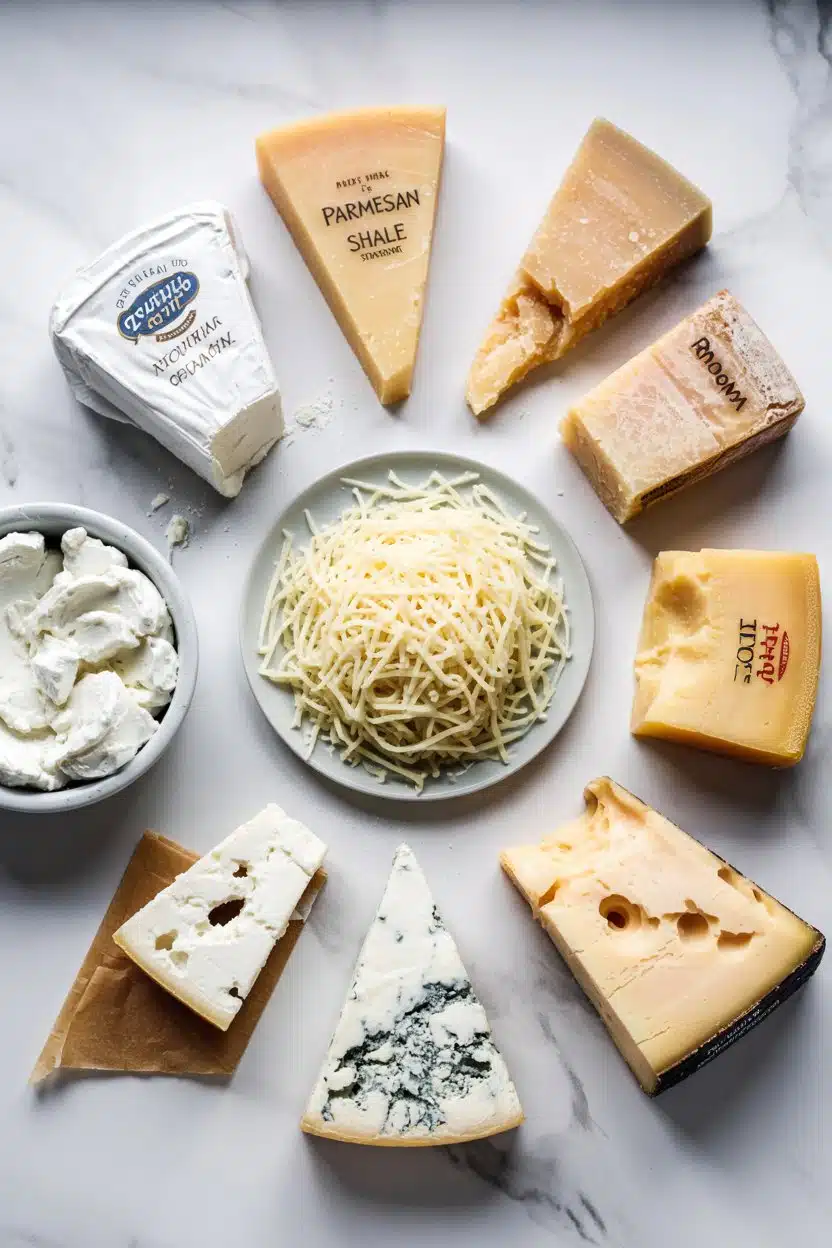
7 Best Substitutes for Mizithra Cheese
Ingredients
Method
- Choose your substitute based on whether you need a fresh or aged Mizithra cheese texture and flavor.
- For baking and sweet applications, prefer fresh ricotta; for pasta and grating, use ricotta salata or parmesan.
- If using fresh ricotta, drain excess liquid before mixing to avoid watery texture in your recipe.
- Apply the recommended substitution ratios given for each cheese carefully to maintain balance.
- Taste your dish before adding extra salt, especially when using saltier substitutes like Romano or Cotija.
- Adjust recipe seasoning as needed after adding substitute cheese to match desired flavor and saltiness level.
- Use aged goat cheese when you want a tangier, stronger flavor that will noticeably change the dish.