
The bottle is empty, and a martini or a coq au vin blanc is in progress. Dry vermouth adds herbal depth, slight bitterness, and acidity to both cocktails and pan sauces.

Not every substitute brings the same balance. Some lean sweeter, others skip the botanical notes entirely.
The swap depends on whether you are mixing a drink or deglazing a pan.
For cooking, mix 1 tablespoon dry white wine with ¼ teaspoon lemon juice per 1 tablespoon of vermouth.
Sherry swaps 1:1 for a nuttier, deeper flavor, and in a martini it adds weight without sweetness.
Sake also goes 1:1 and tastes clean and mildly sweet. Non-alcoholic vermouth swaps 1:1 when you want no alcohol.
6 Best Substitutes for Dry Vermouth to Try
The options start with the closest match and move to pantry-friendly alternatives. Check the ratio column below for quick conversions.
Remember it later
Planning to try this recipe soon? Save it for a quick find later!
| # | Substitute | Best For | Ratio | Key Note |
|---|---|---|---|---|
| 1 | White Wine Mix | ✨ Both | 1 tablespoon wine + ¼ teaspoon lemon per 1 tbsp | Lighter acidity, less herbal |
| 2 | Sherry | ✨ Both | 1:1 | Nuttier, deeper flavor |
| 3 | Sake | 🍳 Cooking | 1:1 | Clean, mildly sweet |
| 4 | Non-Alc Vermouth | ✨ Both | 1:1 | Alcohol-free, slightly sweeter |
| 5 | Grape Juice Mix | 🍳 Cooking | 1 tablespoon juice + ½ teaspoon vinegar per 1 tbsp | Sweeter, no herbal notes |
| 6 | Tea Infusion | ✨ Both | 1 tablespoon brewed tea per 1 tbsp | Floral, mild bitterness |
1 – White Wine Mix
A dry white wine with a squeeze of lemon mimics vermouth's acidity and brightness. The herbal notes disappear, but the tartness stays intact.
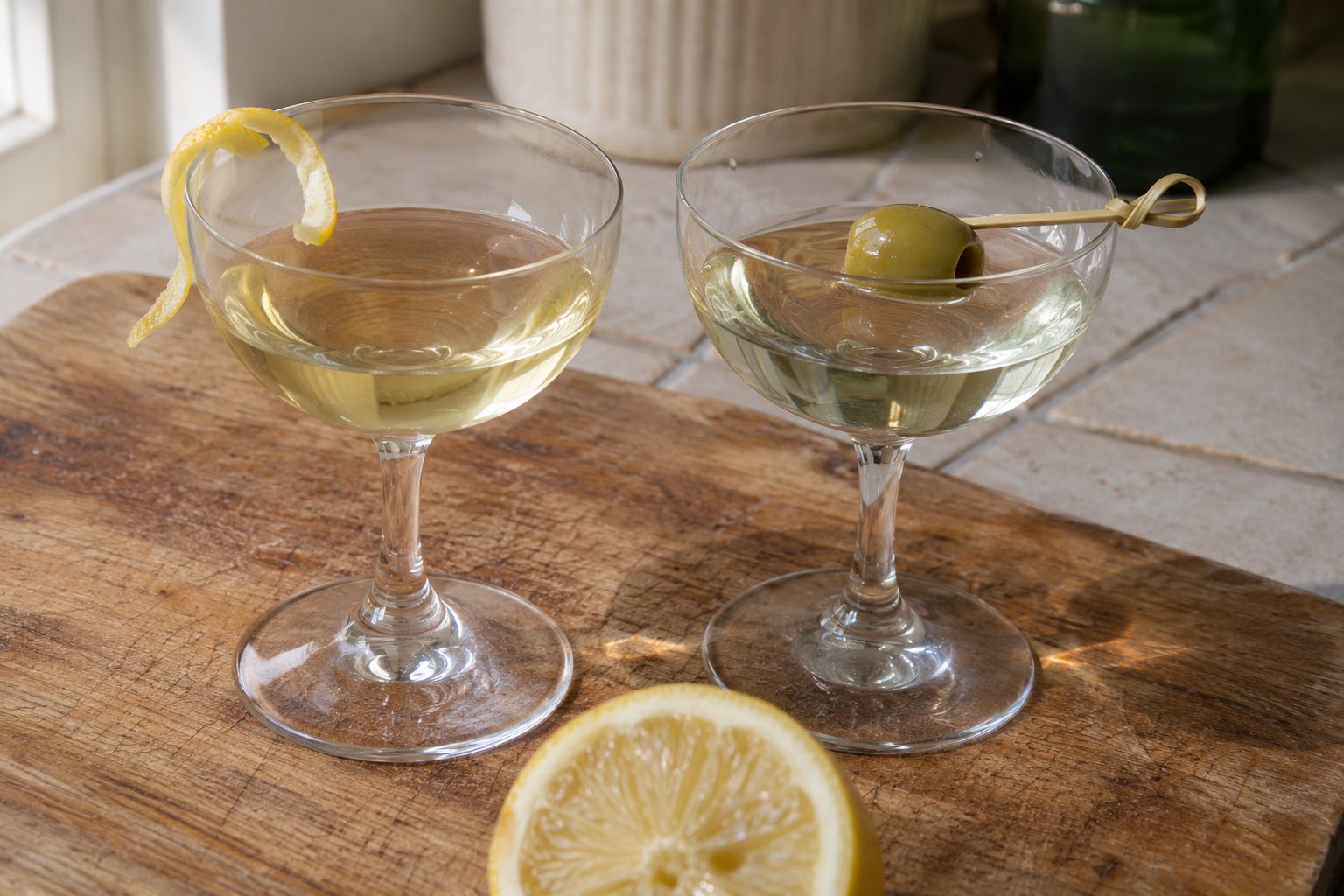
This swap suits cocktails where the botanicals are not the star, such as simple aperitifs or spritzers. In cooking, it deglazes pans cleanly and balances cream sauces without adding sweetness.
Pick a dry, crisp white such as Sauvignon Blanc or Pinot Grigio, because a sweet or heavily oaked bottle brings flavors vermouth does not have. It also makes a good steaming liquid for mussels.
- Ratio: 1 tablespoon white wine + ¼ teaspoon lemon juice per 1 tablespoon Dry Vermouth
- Best for: Martinis, cooking sauces, deglazing
- Flavor: Lighter acidity, less herbal, slightly fruity
Skip if: The recipe relies on herbal complexity. This swap falls flat in a classic martini where vermouth plays a supporting botanical role.
2 – Sherry
Fino or Manzanilla sherry brings a dry, nutty profile that works in both drinks and savory dishes. The flavor runs deeper than vermouth, with a slight oxidized edge.
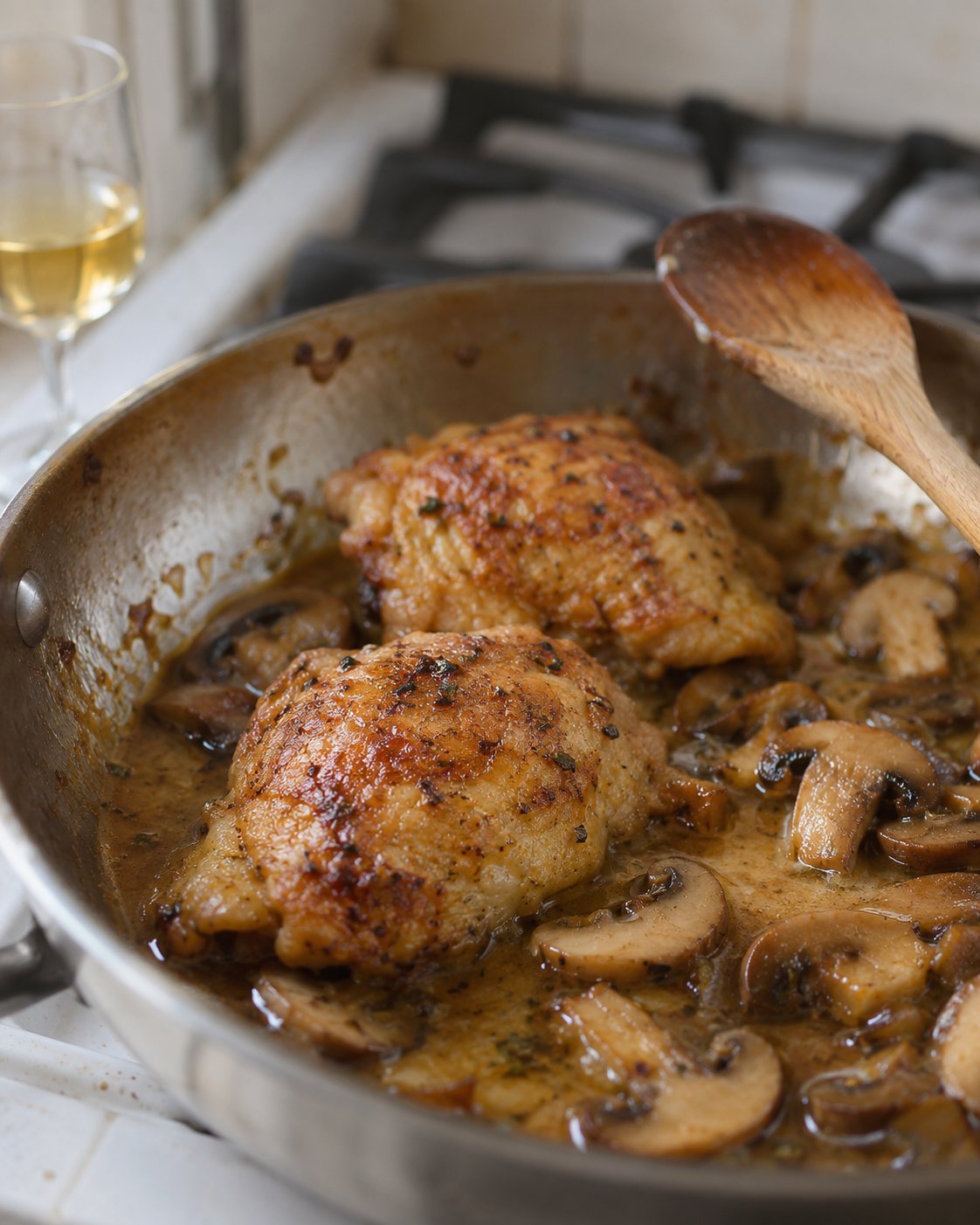
Use this in cocktails that handle bold notes, since sherry adds weight to a martini without sweetness. In cooking, it enhances pan sauces for chicken, mushrooms, or seafood, though the nuttiness shifts the final taste.
The dryness stays true, but the botanical notes are absent. Expect a rounder, richer finish.
- Ratio: 1 tablespoon per 1 tablespoon Dry Vermouth
- Best for: Mixed drinks, savory dishes, pan reductions
- Texture: Slightly viscous compared to vermouth
- Flavor: Nutty, dry, deeper
Skip if: You need a light, herbal touch. Sherry dominates delicate sauces and subtle cocktails.
In Cocktails
Works for: Dry martinis, aperitifs, bold mixed drinks
Skip if: You want a clean, neutral base
In Cooking
Works for: Pan sauces, mushroom dishes, seafood
Skip if: You need a light hand. Sherry overpowers cream-based recipes
3 – Sake
Sake offers a clean, mildly sweet profile with lower acidity than vermouth. The alcohol content is similar, but the herbal complexity is missing.
Use it in Asian-inspired sauces or stir-fries where the botanicals are not critical. The flavor stays neutral, letting other ingredients lead.
In cocktails, sake feels light but lacks the backbone vermouth provides. Use it for spritzers or low-ABV drinks where subtlety matters more than complexity.
If sake is not available either, sake replacements list options that give a similar clean base without overwhelming the dish.
4 – Non-Alc Vermouth
Non-alcoholic dry vermouth alternatives deliver the herbal notes without the alcohol. The flavor leans slightly sweeter and less bitter than traditional vermouth.
This works well in mocktails or for anyone avoiding alcohol. In cooking, the botanicals still come through, though the depth is reduced.
A zero-proof martini also needs a stand-in for the gin, so pair the vermouth with a non-alcoholic gin.
- Ratio: 1 tablespoon per 1 tablespoon Dry Vermouth
- Best for: Non-alcoholic cocktails, cooking
- Flavor: Herbal, slightly sweeter, less bitter
Skip if: You are making a classic martini or Negroni. These drinks need the alcohol content and bitterness to balance the spirits.
| Use | Ratio | Notes |
|---|---|---|
| Mocktails | 1:1 | Maintains herbal profile |
| Cooking sauces | 1:1 | Slightly sweeter finish |
| Deglazing | 1:1 | Less acidity, add a splash of lemon |
5 – Grape Juice Mix
White grape juice combined with apple cider vinegar mimics the sweetness and acidity but skips the herbal and bitter notes entirely. This swap is strictly for cooking and non-alcoholic drinks.
The sweetness is more pronounced, so use it in dishes where a touch of sugar is acceptable, such as braised chicken, glazes, or light marinades. The vinegar adds the necessary sharpness, but the botanical complexity is gone.
Skip if: You need dryness and bitterness. This swap leans sweet and lacks the structure vermouth provides in spirit-forward cocktails.
6 – Tea Infusion
Brewed chamomile or green tea concentrated with herbs offers mild bitterness and floral notes. The alcohol is absent, and the flavor is lighter, but the aromatic quality remains.
Use this in subtle cocktails or mocktails where you want a hint of complexity without weight. In cooking, use it in delicate sauces where vermouth's herbal touch matters more than its punch.
Brew the tea strong, then chill it before using. The flavor fades quickly, so make it fresh.
- Ratio: 1 tablespoon brewed tea per 1 tablespoon Dry Vermouth
- Best for: Aromatic cooking, subtle cocktails, mocktails
- Flavor: Mild bitterness, floral, no alcohol
Skip if: You are making a strong cocktail. Tea lacks the structure to hold up against spirits.
How to Choose a Dry Vermouth Substitute
Most of these swaps work without major adjustments, but the best choice depends on what you are making. For cocktails, white wine with lemon or sherry comes closest.
For cooking, any of these options work as long as you match the acidity or sweetness to your dish.
Test with a small batch if you are unsure. Most swaps need minor tweaks.
- Closest match - White wine with lemon for bright, clean acidity
- Easiest grab - Sherry for cooking and bold drinks
- Non-alcoholic option - Tea infusion for subtle herbal notes
- Sweeter option - Lillet Blanc 1:1 in cocktails and aperitifs, a little sweeter and more citrus-forward than dry vermouth
In a martini, vermouth is a small part of the glass. The IBA recipe uses 60 ml of gin to 10 ml (about 2 teaspoons) of dry vermouth.
Frequently Asked Questions
Not in most cases, because sweet vermouth adds sugar and darker botanicals that change the flavor completely. Use it only in drinks or dishes where sweetness works, such as a Negroni or braised short ribs, since it throws off the balance in martinis and light sauces.
Use 1 tablespoon white wine plus ¼ teaspoon lemon juice for every tablespoon of dry vermouth. The lemon adds the acidity vermouth brings, but if the recipe calls for more than ¼ cup, skip the lemon and use the wine alone, because too much citrus turns the sauce sour.
Yes, dry vermouth is wine, so it oxidizes and loses flavor once opened. Keep it in the fridge and use it within about two months; a flat or dull taste means it is past its prime, though it still cooks fine, and freezing extends shelf life slightly but dulls the botanicals.
Only in cooking, and only if you add acid, because chicken broth lacks the acidity and herbal notes vermouth provides. Add a tablespoon of white wine vinegar or lemon juice per cup of broth to mimic the tartness; use it for deglazing and sauces, never for cocktails.
Non-alcoholic dry vermouth alternatives are the closest match because they keep the herbal profile without the alcohol. If you cannot find one, use a small amount of brewed chamomile tea with a drop of lemon juice, which is lighter but adds complexity without sweetness.
Not completely: USDA figures show about 40% of the alcohol is left after 15 minutes of simmering and 5% after 2 ½ hours, but a quick deglaze keeps 75% to 85%. If you avoid alcohol entirely, use the non-alcoholic vermouth, the grape juice mix or the tea infusion instead.



