
You spot it on the shelf next to the vermouths-a pale-gold bottle labeled Lillet Blanc, origin Bordeaux, with an elegant understated label that gives almost nothing away.
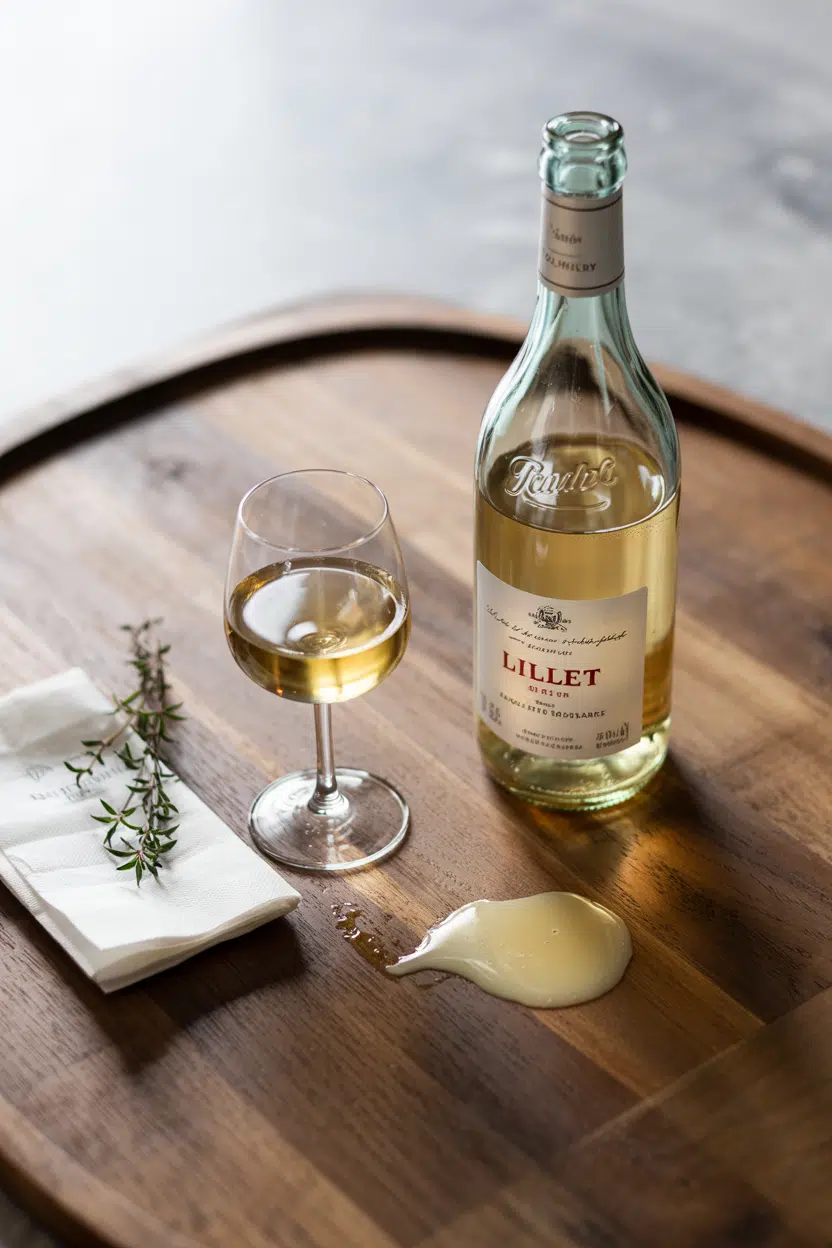
It's not wine exactly, not spirits, not quite a mixer in the conventional sense, yet bartenders and home cooks who know it reach for it constantly.
This aromatized aperitif sits in a category all its own, built on citrus botanicals and a subtle bitter backbone that makes it one of the more useful bottles you can own.
Lillet Blanc is a Bordeaux aromatized wine - pale-gold, lightly fortified, and flavored with citrus peels and botanicals. It drinks bright and gently sweet with a soft bitter finish. Sip it over ice, mix it into cocktails, or use it in the kitchen for sauces and fruit preparations.
What Is Lillet Blanc?
Lillet Blanc comes from the Bordeaux region of France, where the Lillet house has produced it since 1872.
Remember it later
Planning to try this recipe soon? Save it for a quick find later!
It's classified as an aromatized wine - a base of Bordeaux white wines fortified with a small amount of fruit liqueurs and infused with a blend of citrus peels, herbs, and botanicals.
Historically, the product was sold as Kina Lillet and contained a more pronounced quinine note, which is why it appears by that name in James Bond's original Vesper martini recipe.
The formula was reformulated in 1986 into the lighter, less bitter version sold today.
Lillet Blanc sits in a category alongside products like Cocchi Americano and sweet white vermouth, though it has its own distinct character. A few distinctions worth knowing:
- 🍷 Base - Made from Bordeaux Sauvignon Blanc and Sémillon wines, not a neutral wine base
- 🍊 Botanicals - Citrus peels (sweet orange, bitter orange) and quinine bark are the primary flavor drivers
- 🏷️ Also labeled as - Simply "Lillet" on older bottles; "Kina Lillet" is the discontinued historic version
- 🔢 ABV - Typically 17%, landing between table wine and fortified wine
What Does Lillet Blanc Taste Like?
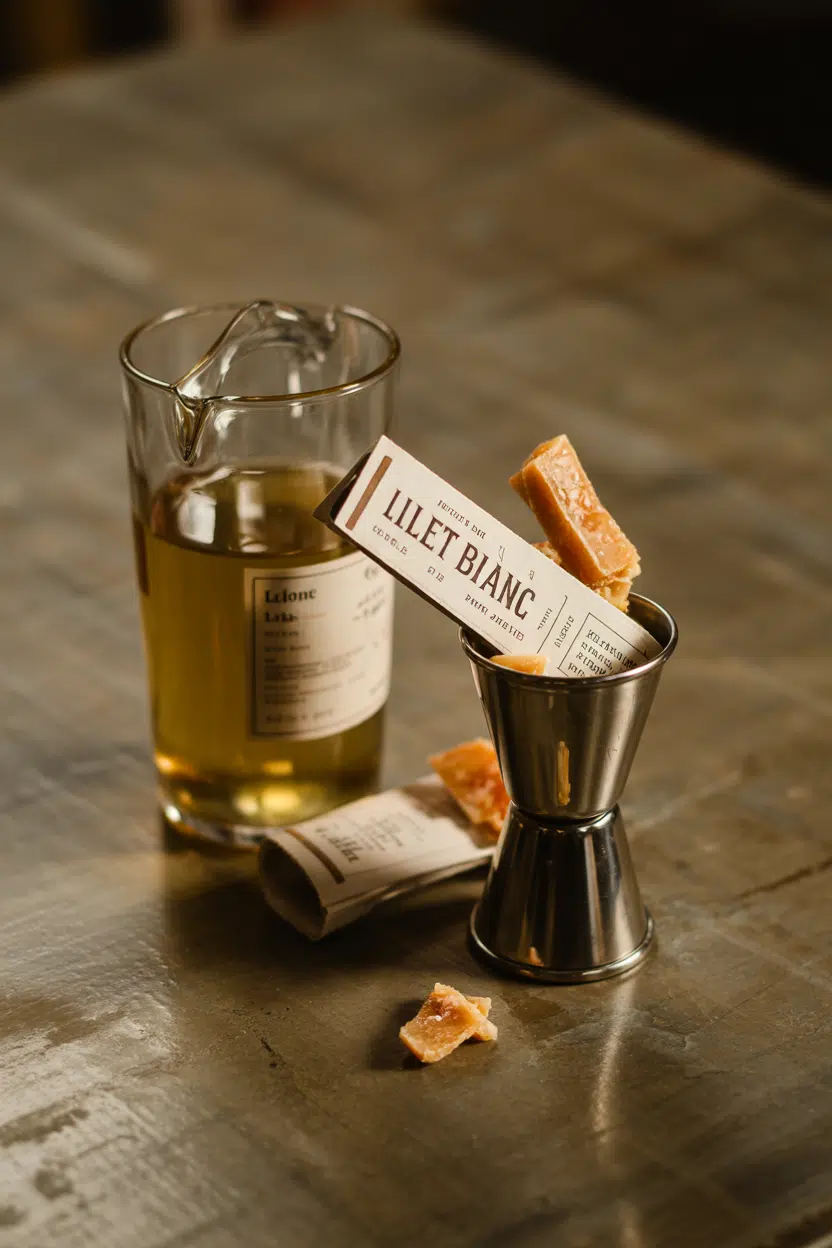
Lillet Blanc leads with citrus - specifically sweet orange and a hint of bergamot - followed by a honeyed mid-palate that never tips into cloying territory. The finish carries a soft bitter note from quinine, though it's far gentler than its historic Kina predecessor.
Against a sweet white vermouth, Lillet Blanc reads cleaner - less herbal weight, more direct citrus brightness. Chilled over ice, those citrus and floral notes sharpen noticeably.
In a warm reduction, the sweetness concentrates while the quinine edge softens into the background.
How to Use Lillet Blanc
Cocktails are where Lillet Blanc earns its reputation. The Vesper martini - gin, vodka, and Lillet Blanc - is the classic entry point, though the bottle works in any cocktail that calls for a lightly bitter, citrus-forward modifier. It pairs naturally with gin, vodka, and sparkling wine for spritzes.
If recipes call for white vermouth and you're considering swapping out lillet blanc, note that the substitution changes the drink's bitterness profile and sweetness level in ways worth planning for.
In the kitchen, Lillet Blanc is more capable than most people expect. Its citrus-botanical profile gives it a specific usefulness:
| Method | Best For | Tip |
|---|---|---|
| 🍸 Cocktail | Vesper martini, spritzes, aperitif over ice | Always chill the bottle; serve with a citrus twist |
| 🐟 Deglazing | Pan sauces for fish or chicken | Use over moderate heat; don't let it reduce to syrup |
| 🍑 Macerating | Poached pears, apricots, stone fruit | Add a strip of orange peel to reinforce the botanicals |
| 🍋 Glazing | Roasted salmon, pork tenderloin | Brush on in the last 5-8 minutes only |
| 🥗 Vinaigrette | Salads with goat cheese or fennel | Whisk with olive oil, Dijon, and lemon juice |
French and modern European cooking are its natural homes, especially preparations that want brightness without adding straight acid. Avoid it in long, heavily reduced braises - concentrated alcohol bitterness doesn't flatter deep, meaty sauces.
How to Buy and Store Lillet Blanc
Look for a clear, pale-gold color in the bottle - any cloudiness or visible sediment is a red flag. The label should read "Blanc" specifically; Lillet also produces Rosé and Rouge expressions, each with a different flavor profile.
Storing lillet blanc correctly matters more than most people realize - proper handling of an opened bottle is the difference between a bright, lively pour and something dull. For full guidance, storing lillet blanc correctly covers shelf life across opened and unopened conditions in detail.
- Unopened - Store upright in a cool, dark pantry; lasts many years
- Opened - Reseal tightly and refrigerate immediately after each use
- Use window - Best aromatics within 4-6 weeks of opening
Where to Start with Lillet Blanc
New to the bottle? Pour it over a large ice cube with an orange twist first - no mixing required, no recipe. That single serve tells you exactly what you're working with before you commit it to a cocktail or sauce.
Once you know its citrus-bitter character, the Vesper martini is the logical next step. From there, a quick pan deglaze for salmon or a fruit maceration shows the kitchen side.
It won't replace vermouth entirely, and it won't work in every sauce. However, for dishes and drinks that want clean citrus-botanical brightness without heavy herbal weight, few bottles cover the ground as efficiently.
Frequently Asked Questions
It's an aromatized wine, not a liqueur. The base is actual Bordeaux white wine - Sauvignon Blanc and Sémillon - fortified with fruit liqueurs and infused with citrus peels and botanicals. Its ABV (~17%) places it between table wine and spirits.
Lillet Blanc is sweeter than dry vermouth but less sweet than sweet (rosso) vermouth. It has a cleaner, more citrus-forward sweetness rather than the herbal-bitter complexity you get from most vermouths.
Yes, in many cocktails - with adjustments. Lillet Blanc has less herbal bitterness and more citrus sweetness than dry vermouth, so the drink will come out slightly sweeter and less complex. Cocchi Americano is a closer match where the quinine note matters.
The Vesper martini is the most famous - gin, vodka, and Lillet Blanc shaken together. It also works in spritzes with tonic or sparkling wine, and as a vermouth stand-in in gin-based cocktails that want a citrus-bright modifier.
No - Kina Lillet was the original, discontinued formula with a sharper quinine bitterness. The current Lillet Blanc uses a reformulated recipe introduced in 1986 that is noticeably lighter and less bitter than the original.



