
Granulated garlic does something fresh garlic can't reliably do: it stays put. Sprinkled into a dry rub, mixed into bread dough, or stirred into a spice blend, it distributes evenly without releasing excess moisture or sharp sulfur compounds that raw cloves would.
That controlled, consistent behavior is why it shows up in commercial seasoning packets and weeknight home cooking alike.
Granulated garlic is dehydrated garlic ground into coarse sandy granules. It delivers a mellow, savory garlic flavor - closer to lightly cooked than raw - and works best in dry rubs, doughs, sauces, and spice blends where even distribution and long shelf life matter.
What Is Granulated Garlic?
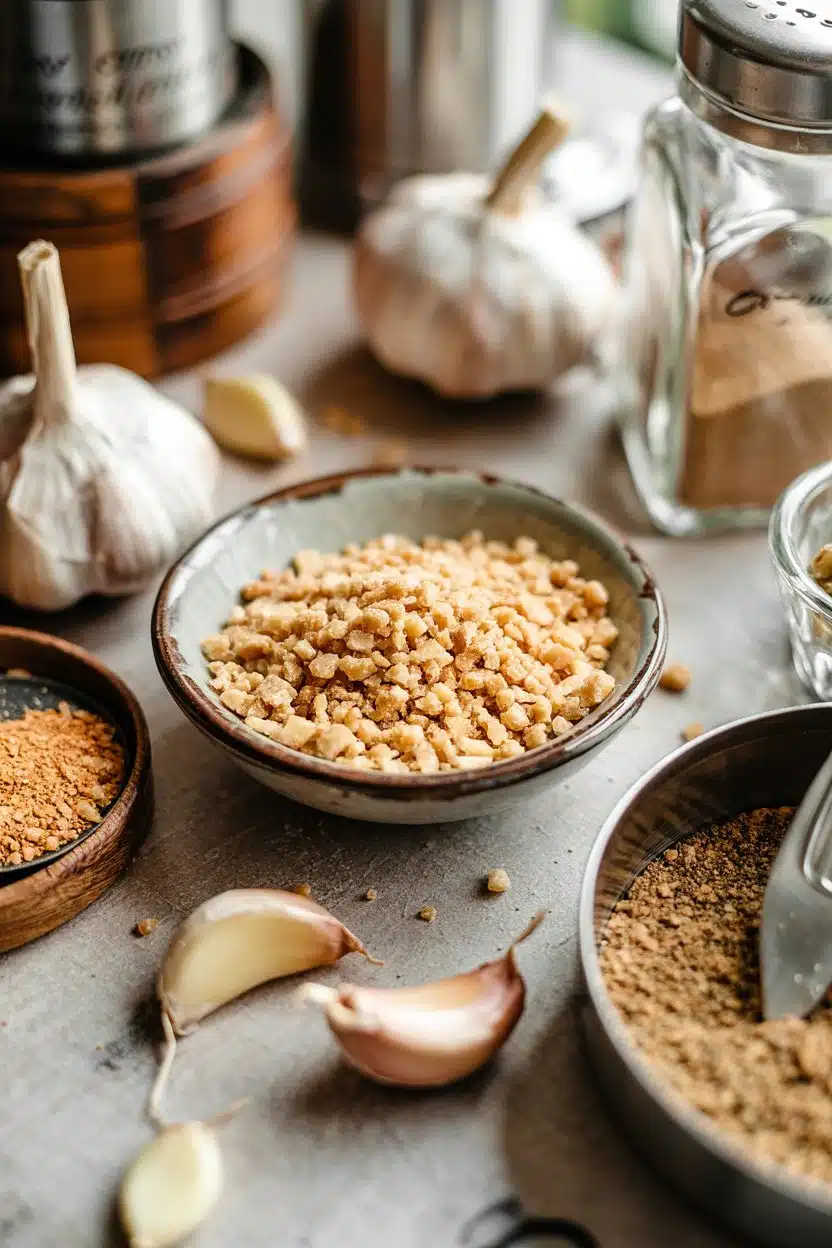
Granulated garlic is fresh garlic that has been fully dehydrated and then coarsely ground into sand-like granules measuring roughly 0.2-1 mm. That size puts it between garlic flakes (larger, visible pieces) and garlic powder (a fine, floury dust).
Remember it later
Planning to try this recipe soon? Save it for a quick find later!
You'll also see it labeled garlic granules or granulated dehydrated garlic - all the same product.
Most commercial supply comes from China and Spain, where common garlic varieties are harvested, sliced, dried at low heat, and milled to a consistent granule size.
The dehydration process concentrates the savory sulfur compounds while removing the volatile elements responsible for raw garlic's sharp edge.
Flavor
Texture
Aroma
Moderate
What Does Granulated Garlic Taste Like?
Think of lightly cooked garlic - the flavor you get after two minutes in a warm pan, before it browns. That's the closest comparison.
The harsh, almost medicinal bite of a raw clove is gone, and so is the fresh green sulfur note that makes raw garlic pop in a salsa or bruschetta topping.
What remains is rounded, savory, and faintly sweet.
Heat amplifies it.
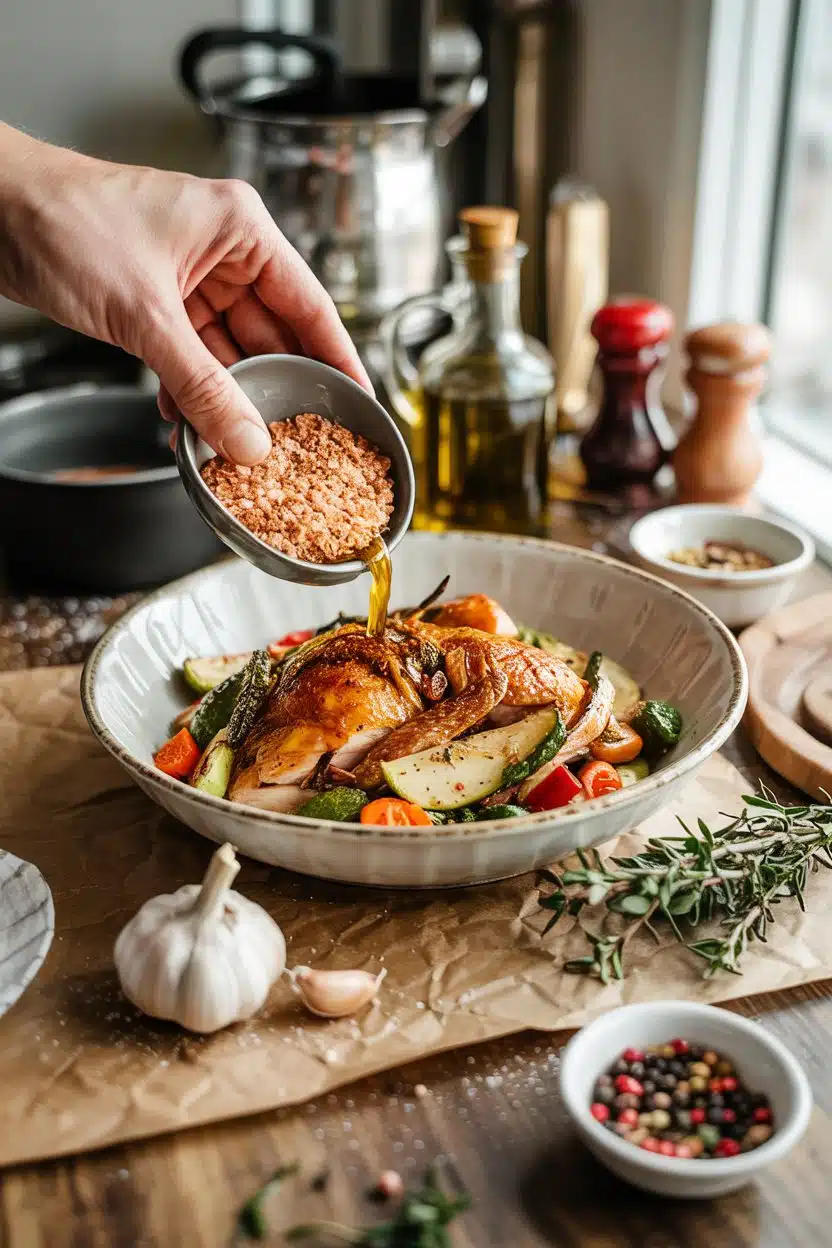
Bloomed in warm butter or oil, granulated garlic opens up noticeably, releasing a toasty, nutty aroma that leans closer to roasted garlic than to raw.
In a dry rub, that flavor develops slowly during cooking, which is exactly why it works so well on a long-smoked brisket or a roasted chicken thigh.
Moisture changes the texture too. Stirred into a sauce or soup, the dry granules absorb liquid and soften into small, almost imperceptible bits within minutes.
How to Use Granulated Garlic
Granulated garlic earns its place across a wide range of cooking situations. It's the practical choice when fresh cloves would add unwanted moisture or uneven distribution.
If you ever need alternatives to granulated garlic, garlic powder is the closest swap (use about half the amount).
| Method | Best For | Tip |
|---|---|---|
| 🧂 Dry Rub | Pork ribs, chicken thighs, brisket | Mix with paprika, salt, and onion powder; press firmly into meat |
| 🍞 Baked In | Bread dough, compound butter, biscuits | Add with dry ingredients; fresh garlic would steam and create gaps |
| 🍲 Rehydrated | Soups, sauces, braising liquids | Add early; give it 5-10 minutes to bloom and release aroma |
| 🥗 Dry Sprinkle | Roasted vegetables, popcorn, fries | Toss before oiling for even coating; after oiling it clumps |
| 🫙 Spice Blends | Seasoning packets, dry mixes, marinades | Extends shelf life better than fresh; combines cleanly with other powders |
🫒 Mediterranean
🌿 Middle Eastern
🏠 Pan-Global Home Cooking
butter
onion powder
paprika
rosemary
lemon zest
soy sauce
parsley
How to Buy and Store Granulated Garlic
At the store, check the label carefully. "Granulated" means visible coarse grains; if the label just says "garlic powder," you're getting a fine dust with different absorption behavior. Look for pale ivory to light tan color.
Dark specks or visible clumping indicate age or moisture exposure - skip those.
For storage, a cool, dark pantry shelf in an airtight container is all you need.
If you buy in bulk bags, transfer a working portion into a small jar to limit how often the main supply is exposed to air.
Knowing the granulated garlic spoilage signs helps you catch a faded batch before it ruins a recipe - the aroma simply flattens, and the color dulls toward gray-beige.
Unopened, it holds well for 24-36 months. Once opened, plan to use it within 6-12 months for reliable aroma.
Start Here If You're Reaching for It
Granulated garlic is the right call when you need consistent garlic flavor without moisture, timing flexibility, or a long-lasting pantry staple. Reach for it in dry rubs, baked goods, and blended seasonings.
Stick with fresh cloves when a dish relies on garlic's sharp, raw character - the two aren't always interchangeable, but each has its lane.
Frequently Asked Questions
No - both are dehydrated garlic, however granulated garlic is coarser (0.2-1 mm sandy grains) while garlic powder is milled to a fine, floury dust. Garlic powder dissolves faster and works better in smooth sauces and gravies, while granulated garlic holds up in dry rubs and doughs without clumping. Use about half the amount of garlic powder when substituting for granulated. You can also browse [alternatives to garlic powder](https://forkliftkitchen.com/garlic-powder-substitutes/) if you're out of both.
A standard conversion is ¼ teaspoon of granulated garlic per one medium fresh clove. Because dehydration concentrates flavor, that small amount carries meaningful garlic depth. Adjust up slightly for large cloves or bold dishes, and taste as you go since batch strength can vary by brand.
Yes, and it works well when added early. The granules need liquid and heat to fully release their aroma, so stirring them in during the first few minutes of cooking gives them time to bloom. Added at the end of cooking, they may leave a slightly gritty texture and underdeveloped flavor.
It can burn at high direct heat, similar to other dried spices. When blooming in oil, keep the heat low to medium and stir constantly - 30 to 60 seconds is usually enough. In dry rubs on grilled or roasted meat, the surrounding moisture from the protein generally prevents scorching under normal cooking temperatures.
Only in trace amounts. Allicin - the compound behind raw garlic's sharp bite and many of its studied health properties - forms when fresh garlic cells are crushed and then dissipates quickly. The dehydration process used to make granulated garlic significantly reduces allicin content compared to a freshly cut clove. It's best treated as a culinary seasoning rather than a functional garlic supplement.



