Sheet-pan dinners solve a problem you already know. One pan means less cleanup. But only when the shrimp and vegetables finish at the same time.

Lemon Butter Shrimp Sheet Pan Dinner combines roasted asparagus and cherry tomatoes with shrimp cooked last for perfect timing. Start roasting vegetables first, then add shrimp to avoid overcooking. A lemon-butter sauce finishes the dish with bright, rich flavor.
Shrimp cook in minutes. Vegetables need longer. The trick is starting vegetables first, then adding shrimp at the end so nothing overcooks. This version uses asparagus and cherry tomatoes-both roast fast enough to match shrimp timing without turning mushy.
The lemon-butter sauce ties it together. Melted butter mixed with fresh lemon juice creates a light glaze that coats everything without pooling at the bottom of the pan. If you like quick weeknight side options, this technique adapts to whatever vegetables you have.
Why This Recipe Works
High heat caramelizes vegetables and shrimp without steaming them. The sheet pan stays at 425°F throughout, creating browning on edges while keeping interiors tender. Serve with tender seafood like this when you want contrast.
Remember it later
Planning to try this recipe soon? Save it for a quick find later!
- Vegetables go in first. Asparagus and tomatoes need 12-15 minutes to soften and develop color before shrimp hits the pan.
- Shrimp cook last. Adding them at the end prevents rubbery texture and keeps the snap intact.
- Butter melts off heat. Mixing butter and lemon away from direct heat stops the sauce from separating or turning greasy.
- Fresh lemon zest matters. Zest adds brightness that bottled lemon juice cannot replicate, especially when tossed in at the end.
- Single layer spacing. Crowding traps steam, which softens vegetables instead of roasting them to a light crisp.
What You'll Need
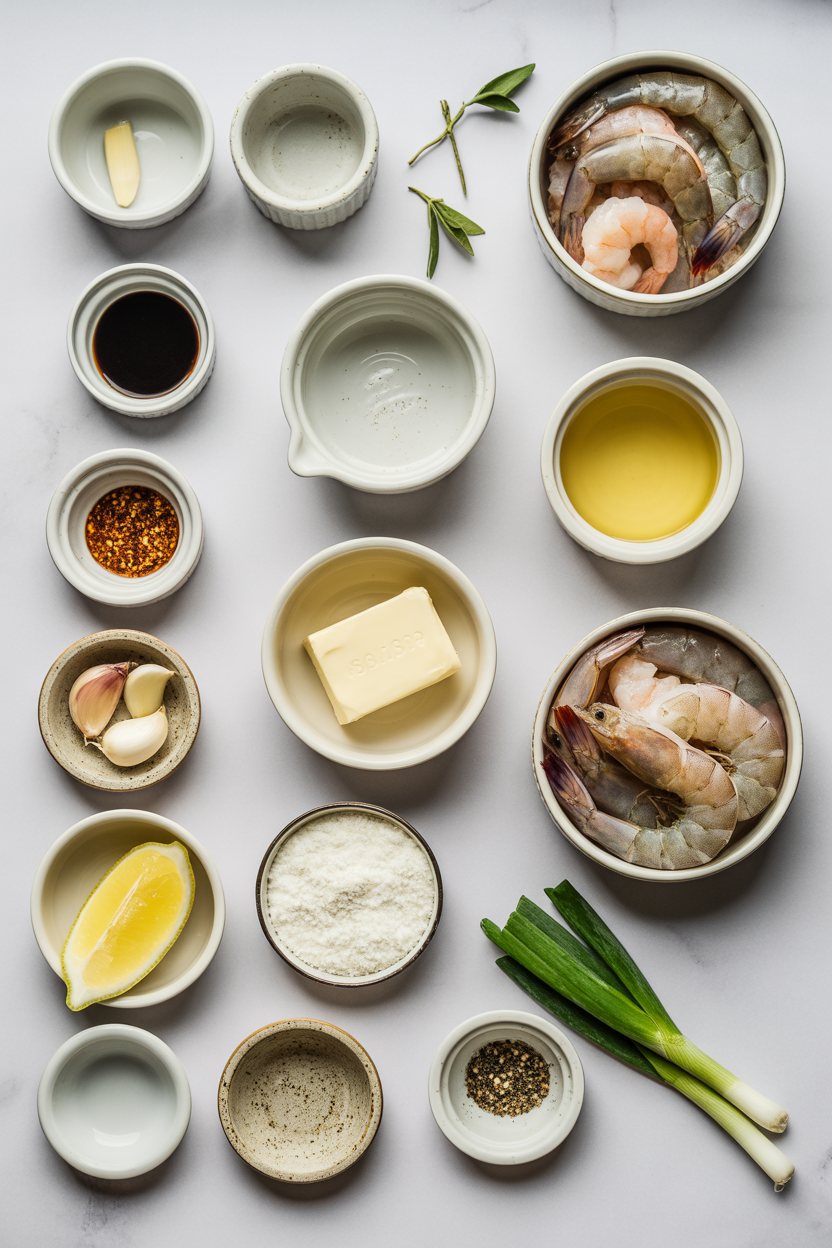
The ingredient list stays short-shrimp, vegetables, butter, lemon, garlic, and olive oil. Fresh lemon juice and zest provide the main flavor, while butter adds richness without heaviness. For a flaky variation, swap shrimp for scallops and adjust timing slightly.
- 1½ lbs raw shrimp, peeled and deveined
- 1 lb asparagus, trimmed
- 1½ cups cherry tomatoes
- 1 red bell pepper, sliced
- 4 cloves garlic, minced
- 1 lemon, zest and juice
- Fresh parsley
- 4 tablespoon butter
- 2 tablespoon olive oil
- Salt and pepper
Ingredient Details
- Raw shrimp Choose 16-20 count per pound for best texture-smaller shrimp overcook too quickly on a hot sheet pan.
- Asparagus Snap off woody ends by bending each spear near the bottom until it breaks naturally.
- Cherry tomatoes Leave whole so they burst slightly during roasting and release juices that mix with the butter sauce.
- Fresh lemon Zest the lemon before juicing it-once juiced, zesting becomes nearly impossible.
- Butter Use unsalted butter so you control salt levels, especially since shrimp can be naturally salty.
- Garlic Mince finely so it distributes evenly-large chunks burn on the hot pan before vegetables finish cooking.
Ingredient Swaps
The method stays the same whether you swap vegetables or protein. Green beans or zucchini work in place of asparagus, and scallops or firm white fish replace shrimp if you prefer. We often turn to something like this when the meal needs dipping contrast.
- Swap asparagus for green beans. Trim ends and roast for the same 12-15 minutes before adding shrimp.
- Use zucchini instead of bell peppers. Slice into ½-inch rounds so they roast evenly without turning mushy.
- Replace butter with olive oil. Keeps the dish dairy-free and lighter, though you lose some richness.
- Try scallops instead of shrimp. Pat dry thoroughly and add them at the same time as shrimp since cook times match closely.
Vegetable Swaps
Works for: Green beans, zucchini, or broccoli florets roast at the same temperature and timing
Skip if: You want identical texture-asparagus has a unique snap that other vegetables do not replicate
Protein Swaps
Works for: Scallops or firm white fish like cod cook in similar time when cut into 1-inch pieces
Skip if: You need exact flavor match-shrimp has a sweeter, brinier taste than most substitutes
Instructions
Preheat the oven and sheet pan together so vegetables start roasting immediately when they hit the hot surface. Add shrimp only in the final minutes to prevent overcooking.
Preheat oven to 425°F and place a sheet pan inside for 10 minutes. This jump-starts caramelization when vegetables hit the hot surface.
Toss asparagus, bell peppers, and cherry tomatoes with olive oil, salt, and pepper. Spread in a single layer on the preheated pan and roast for 12 minutes.
Pat shrimp dry with paper towels and toss with half the minced garlic. Remove the pan from the oven, add shrimp in a single layer, and return to oven for 3-4 minutes until shrimp turn opaque.
Melt butter in a small saucepan over low heat. Stir in remaining garlic, lemon juice, and lemon zest off heat so the sauce stays smooth.
Drizzle lemon-butter sauce over shrimp and vegetables. Toss gently to coat, then garnish with fresh parsley before serving.
What to Serve With It
Light sides balance the richness of butter without competing with the lemon brightness. Steamed rice or crusty bread work best for soaking up extra sauce. Check out more Shrimp Cocktail dinner ideas when you need complete menu planning.
| Side Dish | Prep | Why It Works | How to Serve |
|---|---|---|---|
| Steamed white rice | Easy | Soaks up lemon-butter sauce | Serve hot in shallow bowls |
| Crusty bread | Easy | Perfect for mopping up extra sauce | Warm slices with butter on side |
| Arugula salad | Easy | Peppery greens cut through butter | Toss with vinaigrette and serve cold |
| Garlic mashed potatoes | Medium | Creamy base balances bright lemon | Spoon onto plate first, top with shrimp |
| Quinoa pilaf | Easy | Light grain adds texture without heaviness | Fluff with fork and serve warm |
Three ways to serve it:
- Over rice or quinoa - stretches the meal and turns sauce into a coating for grains.
- With crusty bread - best for casual dinners where dipping sauce is part of the experience.
- On a platter - arrange shrimp and vegetables in the center with lemon wedges around the edges for easy serving.
Store and Reheat
Cool completely before storing to prevent condensation inside the container. Transfer shrimp and vegetables to an airtight container and refrigerate for up to 3 days. Freezing works but changes shrimp texture slightly-they become firmer and less tender after thawing. Pair leftovers with something to dunk for quick lunches.
| Method | Time | Best For |
|---|---|---|
| Stovetop with broth | 4 min | Keeps shrimp tender without drying out |
| Microwave covered | 90 sec | Quick single servings without extra dishes |
| Oven at 350°F | 8 min | Larger portions when feeding multiple people |
- Refrigerate within 2 hours. Leaving shrimp at room temperature longer risks bacterial growth and off flavors.
- Add broth when reheating. A splash of chicken or vegetable broth prevents shrimp from drying out on the stovetop.
- Microwave in 30-second intervals. Stop and stir between intervals so shrimp heat evenly without turning rubbery.
- Skip the air fryer. High heat in the air fryer toughens shrimp quickly and evaporates the lemon-butter sauce.
- Freeze in portions. Divide into single servings before freezing so you thaw only what you need without refreezing extras.
Frequently Asked Questions
Yes, but thaw them completely first. Place frozen shrimp in a colander under cold running water for 5-10 minutes until no ice remains. Pat dry thoroughly with paper towels before seasoning. Excess water from frozen shrimp creates steam on the sheet pan, preventing browning and leaving shrimp pale and soft instead of lightly caramelized.
Shrimp turn opaque and form a loose C-shape when fully cooked, usually after 3-4 minutes at 425°F. If they curl into tight O-shapes, they are overcooked and will taste rubbery. Check the thickest part of the largest shrimp-it should be opaque throughout with no translucent gray center remaining.
Cut vegetables into smaller, more uniform pieces so they roast evenly. Asparagus stems thicker than a pencil take longer to soften, so snap off woody ends and slice thick stalks in half lengthwise. If vegetables remain undercooked after shrimp finish, remove shrimp to a plate and return vegetables to the oven for 3-5 more minutes.
Replace butter with olive oil for a lighter, dairy-free version. Use 4 tablespoons of olive oil mixed with lemon juice and garlic, whisking vigorously to emulsify. The sauce will be thinner and less rich than butter-based versions, but the lemon brightness remains. For added richness, stir in 1 tablespoon of tahini or a splash of full-fat coconut milk.
Butter separates when it gets too hot or when lemon juice is added too quickly. Melt butter over low heat, then remove from heat completely before whisking in lemon juice slowly. If the sauce breaks, add a small ice cube and whisk vigorously until it re-emulsifies. Alternatively, blend the separated sauce in a small blender for 10 seconds to bring it back together.
Lemon Butter Shrimp Sheet Pan Dinner
Ingredients
Equipment
Method
- Preheat oven to 425°F and place a sheet pan inside for 10 minutes to get it hot before roasting.
- Toss asparagus, red bell pepper slices, and cherry tomatoes with olive oil, salt, and pepper in a bowl.
- Spread the vegetables in a single layer on the preheated sheet pan and roast for 12 minutes.
- Pat shrimp dry thoroughly with paper towels and toss with half the minced garlic.
- Remove the sheet pan from the oven, add shrimp in a single layer on top of vegetables, then return to oven and roast for 3 to 4 minutes until shrimp turn opaque.
- While shrimp cook, melt butter in a small saucepan over low heat. Remove from heat and stir in remaining garlic, lemon juice, and lemon zest to keep sauce smooth.
- Drizzle lemon-butter sauce over roasted shrimp and vegetables. Toss gently to coat evenly.
- Garnish with fresh parsley before serving.