Chicken and Veggie Lo Mein Preparation
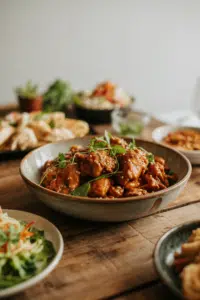
Tender noodles tossed with seared chicken and crisp vegetables. The sauce clings without sogginess, and the whole thing cooks faster than waiting for delivery.
Remember it later
Planning to try this recipe soon? Save it for a quick find later!

Chicken and Veggie Lo Mein features tender noodles tossed with seared chicken and crisp vegetables. High heat sears the chicken for flavor, and noodles finish cooking in the sauce to prevent sogginess and ensure even coating.
This works because the noodles finish cooking in the sauce. That step transforms separate ingredients into a cohesive dish-everything coats evenly, no dry patches.
High heat matters here. The chicken needs a sear, not a steam. Vegetables stay snappy when they hit a hot pan and move quickly. If you're after something juicy like this, the technique overlaps.
Serve it with a creamy sauce on the side for dipping or drizzling.
Why This Recipe Works
This dish balances protein, vegetables, and noodles in one pan. The sauce develops enough body to coat everything without pooling at the bottom, and a juicy variation uses a similar quick-cook approach for tender chicken.
- High heat sears the chicken. Medium heat steams the meat instead of browning it and creating flavor.
- Dry chicken before cooking. Pat with paper towels so moisture evaporates fast and the surface crisps.
- Undercook the noodles slightly. They finish cooking in the sauce, which prevents mushy texture and clumping.
- Stir-fry vegetables separately. Quick toss over high heat keeps them crisp-tender and prevents soggy greens.
- Sesame oil goes in last. Add it off heat so the aroma stays fresh instead of turning bitter.
What You'll Need

The noodles form the base, while chicken and vegetables bulk it up. The sauce-soy, oyster, and sesame-brings everything together with umami and a hint of sweetness.
- Lo mein noodles
- Chicken breast
- Bell peppers
- Carrots
- Snow peas
- Bok choy
- Soy sauce
- Oyster sauce
- Sesame oil
- Garlic
- Ginger
Ingredient Details
- Lo mein noodles Fresh egg noodles or dried spaghetti work if unavailable-cook until just shy of tender.
- Chicken breast Cut into ¼-inch strips across the grain for fast cooking and tender bites.
- Bell peppers Red and yellow add sweetness; green adds bitterness-use what you like.
- Soy sauce Use low-sodium if you want to control salt, or swap for tamari if gluten-free.
- Oyster sauce Adds umami depth and slight sweetness-hoisin sauce works in a pinch but tastes sweeter.
- Sesame oil Add at the very end and off heat-cooking it makes the aroma turn bitter and loses fragrance.
- Garlic and ginger Mince finely and add after chicken sears to prevent burning-burnt garlic tastes acrid.
Ingredient Swaps
You have options without losing the core flavor. The base stays soy-forward and savory, but swaps let you adjust for what's in the fridge or dietary needs.
- Lo mein noodles - Spaghetti or linguine work if cooked al dente, though texture differs slightly from fresh egg noodles.
- Soy sauce - Tamari keeps it gluten-free with the same saltiness, or coconut aminos for lower sodium and a hint of sweetness.
- Chicken breast - Thigh meat adds more flavor and moisture, or swap for shrimp that cooks in 2 minutes or pressed firm tofu.
- Snow peas - Snap peas, broccoli florets, or sliced mushrooms maintain the crisp-tender texture without changing prep time.
Noodle Swaps
Works for: Spaghetti or rice noodles give similar texture if cooked just underdone and tossed in sauce to finish
Skip if: You want exact chewiness-fresh lo mein noodles have a softer bite that dried pasta can't match
Protein Swaps
Works for: Shrimp cooks in 2 minutes, tofu needs pressing first for firm texture that doesn't crumble
Skip if: You need exact flavor match-chicken is mild and absorbs sauce best without competing tastes
Instructions
Heat the pan until oil shimmers. Add ingredients in stages-chicken first, then vegetables, then noodles and sauce.
Heat 1 tablespoon oil in a large skillet or wok over medium-high heat. Pat chicken dry with paper towels, then add to pan in a single layer. Cook undisturbed for 2 minutes until browned, flip, and cook another 2 minutes. Remove to a plate.
Add another tablespoon of oil to the same pan. Toss in sliced bell peppers and carrots. Stir-fry for 2 minutes until edges char slightly, then add snow peas and bok choy. Cook 1 more minute until greens wilt but stems stay crisp.
Push vegetables to the side of the pan and add minced garlic and ginger to the center. Stir for 30 seconds until fragrant-watch closely so they don't burn.
Add cooked noodles, soy sauce, and oyster sauce to the pan. Toss everything together for 1-2 minutes until noodles heat through and sauce coats evenly. Return chicken to pan and toss once more.
Remove pan from heat and drizzle with sesame oil. Toss gently to distribute, then garnish with sliced green onions or sesame seeds if desired.
What to Serve With It
This dish stands alone as a complete meal, but lighter sides balance the richness. For more sides for pesto chicken breast, that guide covers similar pairings.
| Side Dish | Prep | Why It Works | How to Serve |
|---|---|---|---|
| Steamed edamame | Easy | Protein-rich, salty contrast | Sprinkle with sea salt, serve in pods |
| Cucumber salad | Easy | Cool crunch balances warm noodles | Toss with rice vinegar and sesame |
| Miso soup | Easy | Adds warmth without filling | Small bowl on the side |
| Pickled ginger | Easy | Palate cleanser between bites | Small dish for sharing |
| Fresh fruit | Easy | Sweetness complements salty-savory | Orange segments or pineapple chunks |
Three ways to serve it:
- Over rice - stretches the meal and soaks up extra sauce for a more filling plate.
- In lettuce wraps - lighter option for a hands-on appetizer that skips carbs.
- With chopsticks - makes it feel more like takeout and slows down eating pace.
Store and Reheat
Cool completely before storing to prevent condensation. Leftovers keep in an airtight container in the fridge for up to 3 days, though noodles soften slightly over time.
| Method | Time | Best For |
|---|---|---|
| Stovetop with broth | 5 min | Keeps noodles moist and revives texture |
| Microwave covered | 2 min | Quick single servings without drying out |
| Oven at 350°F | 10 min | Crispy edges if you want texture contrast |
- Refrigerate promptly - Cool completely before storing to prevent condensation that makes noodles soggy and clumpy.
- Add liquid when reheating - A splash of broth or water revives dried-out noodles and prevents rubbery chicken.
- Freeze in portions - Divide into single servings in freezer bags for up to 2 months, though vegetables lose some crispness.
- Reheat on stovetop - Toss in a hot pan with a tablespoon of water or broth for even heating and restored texture.
- Avoid microwave overcooking - Heat in 30-second intervals, stirring between, to prevent tough chicken and gummy noodles.
Frequently Asked Questions
Yes. Cook spaghetti one minute less than package directions, then toss it in the sauce to finish. The texture differs slightly-spaghetti is firmer and less chewy than fresh lo mein noodles-but the dish still works.
Cut chicken into thin strips across the grain so it cooks in 2-3 minutes per side. Pat it dry before adding to the hot pan for a quick sear, then remove it promptly once cooked through. Overcooked chicken turns rubbery-slice it thinly to mask any dryness if it happens.
You either overcooked the noodles during boiling or added too much sauce. Cook noodles one minute less than package directions, drain them well, and toss them in the sauce off heat so they finish cooking without excess liquid. If noodles are already soggy, drain excess sauce and toss over high heat briefly to evaporate moisture.
You can prep ingredients up to a day ahead-slice chicken, chop vegetables, and mix the sauce. Store everything separately in the fridge. Cooking takes only 15 minutes, so it's faster to stir-fry fresh rather than reheat, which softens the vegetables and makes noodles gummy.
Use a 12-inch skillet or wok so ingredients spread in a single layer without crowding. Overcrowding the pan lowers the temperature, which steams the chicken and vegetables instead of searing them. If your pan is smaller, cook in two batches to maintain high heat.
Chicken and Veggie Lo Mein
Ingredients
Equipment
Method
- Heat 1 tablespoon oil in a large skillet or wok over medium-high heat. Pat chicken dry with paper towels, then add to pan in a single layer. Cook undisturbed for 2 minutes until browned, flip, and cook another 2 minutes. Remove to a plate.
- Add another tablespoon of oil to the same pan. Toss in sliced bell peppers and carrots. Stir-fry for 2 minutes until edges char slightly, then add snow peas and bok choy. Cook 1 more minute until greens wilt but stems stay crisp.
- Push vegetables to the side of the pan and add minced garlic and ginger to the center. Stir for 30 seconds until fragrant-watch closely so they don't burn.
- Add cooked noodles, soy sauce, and oyster sauce to the pan. Toss everything together for 1-2 minutes until noodles heat through and sauce coats evenly. Return chicken to pan and toss once more.
- Remove pan from heat and drizzle with sesame oil. Toss gently to distribute, then garnish with sliced green onions or sesame seeds if desired.