
Spoon stracciatella over a just-pulled pizza and watch it collapse into creamy, irregular ribbons - that moment is exactly what this cheese is built for.
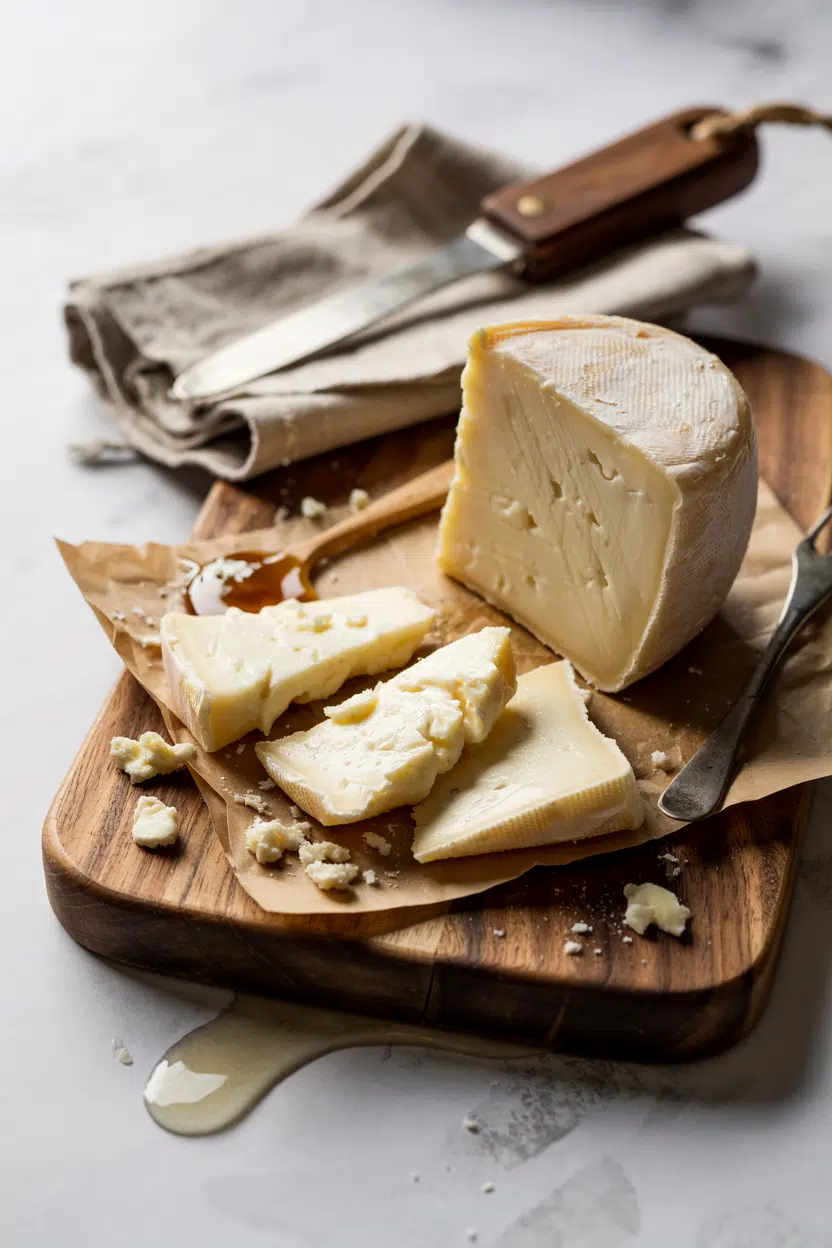
Unlike how long fresh mozzarella keeps or storing mozzarella correctly concerns fresh stretched curd at its simplest, stracciatella is a step further: shredded mozzarella curds stirred into cream, producing something richer, looser, and more perishable than either.
Stracciatella is shredded mozzarella curds mixed with cream - the loose, silky filling inside burrata. Mild and milky with a buttery finish, it's best used raw as a finishing cheese, spooned over hot dishes off the heat. Use within 3-5 days.
What Is stracciatella cheese?
Stracciatella originates from Puglia, the heel of Italy's boot, where cheesemakers in the mid-20th century began pulling fresh mozzarella curd into thin shreds and mixing them with cream.
Remember it later
Planning to try this recipe soon? Save it for a quick find later!
The name comes from stracciare - Italian for "to shred" or "to tear." Understanding how is fresh cheese made explained helps clarify why this process matters: the stretching and tearing opens the curd structure, allowing cream to coat every strand.
It belongs to the stretched-curd fresh dairy category, related to mozzarella but distinct in form and fat content. Most people encounter stracciatella as the interior of burrata - that soft outer shell holds stracciatella inside.
However, it's also sold on its own as loose, cream-soaked ribbons ready to spoon directly onto food.
You may see it labeled stracciatella di bufala, which indicates buffalo milk curds rather than cow's milk, yielding slightly richer fat and a fuller dairy note. Other common labels include stracciatella di burrata and stracciatella mozzarella.
Worth noting: this bears no relation to stracciatella gelato or stracciatella soup - the name simply means "shredded" in both cases.
- 🐃 Stracciatella di bufala - made from buffalo-milk curds; richer, higher in fat and calcium
- 🐄 Cow's-milk stracciatella - milder and more widely available; the standard commercial form
- 🧀 Burrata filling - the same product contained inside a mozzarella shell; sold separately in tubs
What Does stracciatella cheese Taste Like?
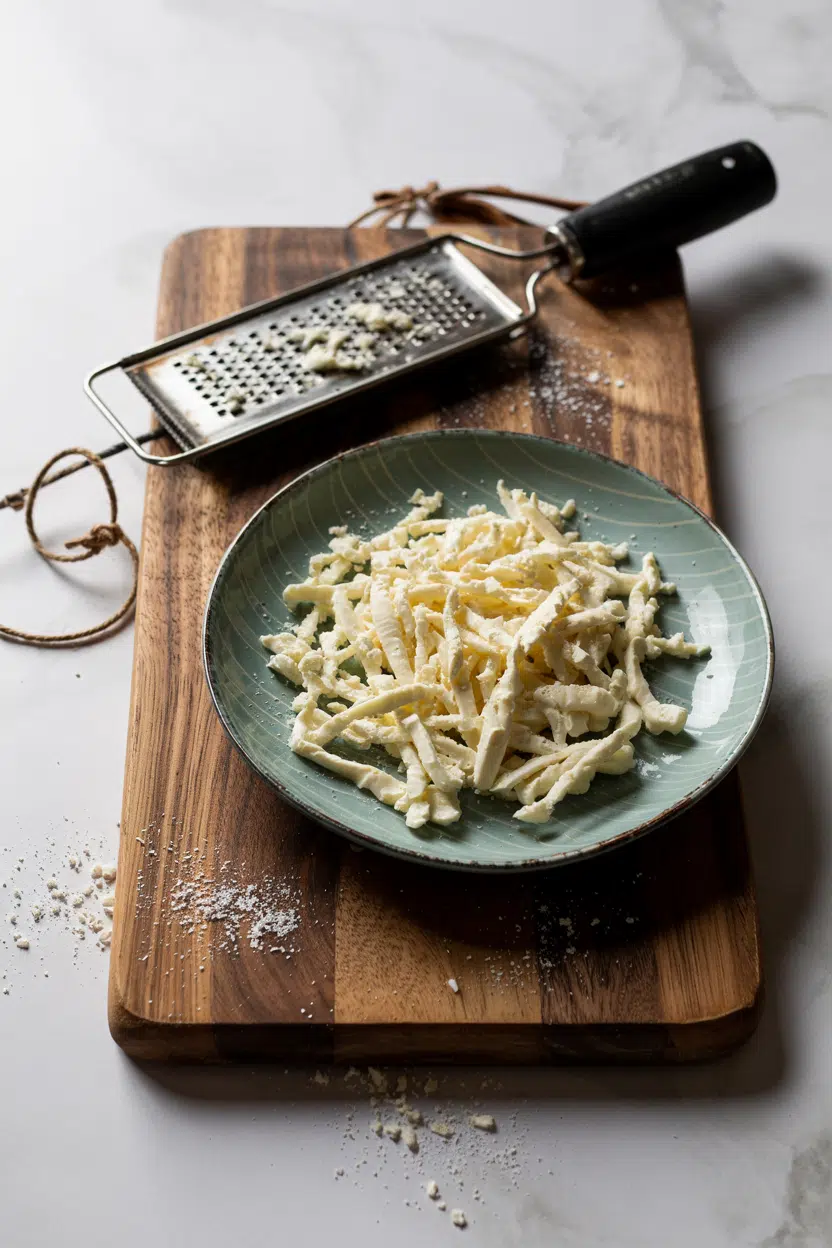
Stracciatella's flavor is quiet but distinctive. The dominant note is clean, fresh milk - not sharp, not aged, not funky. Behind it sits a gentle lactic tang, similar to fresh mozzarella but softened by the cream mixed through the curds.
That cream addition is what separates stracciatella from plain shredded mozzarella. It gives the finish a buttery roundness that coats the palate without heaviness.
Buffalo-milk versions push this further, adding a faintly grassy, more complex backdrop.
Heat changes it fast. Add stracciatella to a warm dish and the cream loosens further, creating pools of rich dairy rather than a distinct curd texture.
That's useful - but it also means high, sustained heat strips out what makes it special. Keep applications gentle.
How to Use stracciatella cheese
Stracciatella works as a finishing ingredient, not a cooking one.
The goal in almost every application is to let residual heat - from a hot pizza, a bowl of just-drained pasta, a plate of roasted vegetables - do the work without direct flame.
A classic move: spoon it over a freshly baked pizza straight out of the oven, letting the heat below turn it molten at the edges while the center stays cool and creamy.
With pasta, toss short shapes like rigatoni or orecchiette while still hot, pulling the cheese through right before serving. It melts into the sauce rather than replacing it.
Beyond pasta and pizza, stracciatella plays well with a wide range of simple preparations.
Because keeping extra virgin olive oil fresh matters as much here as the cheese itself - stale oil will dull the whole plate - always finish with a good pour.
When you can't source stracciatella, stracciatella cheese stand-ins cover the gap reasonably well using fresh mozzarella and heavy cream.
| Method | Best For | Tip |
|---|---|---|
| 🥗 Raw / Finishing | Pizza, tomato plates, crostini, grilled vegetables | Spoon over just before serving; do not stir in early |
| 🍝 Off-Heat Pasta | Short shapes - rigatoni, orecchiette, penne | Add after draining; toss for 30 seconds maximum |
| 🍲 Swirled Into Soups | Tomato soup, warm broth-based soups | Swirl in at table, not on the stove - heat breaks it |
| 🌽 Stirred Into Polenta | Creamy polenta just off heat | Fold in at the very end for dairy richness without added cream |
Pairings lean into contrast: ripe heirloom tomatoes and fresh basil balance its fat with acidity, while prosciutto or cured ham adds salt and savoriness. Grilled figs or peaches bring sweetness that works well against the lactic tang.
For drinks, acidic whites - Verdicchio, Sauvignon Blanc - cut through without overpowering.
How to Buy and Store stracciatella cheese
Look for stracciatella sold in glossy, cream-soaked ribbons - loose and moist, not compressed or dry. Fresh product smells faintly milky, not sour or sharp. At a cheese counter, ask when it was made; anything beyond four or five days old is past its window.
Commercially packed tubs carry a longer date but still move fast once opened.
At home, keep it submerged in its cream or brine in an airtight container and refrigerate immediately.
Don't let it sit exposed - the curds dry out and the texture turns grainy.
Full guidance on keeping stracciatella cheese fresh covers edge cases like opened vs. sealed tubs in detail.
For comparison, how long burrata keeps follows a similar short window given the shared cream-curd structure.
- Fridge temp - Store between 35-38°F (2-3°C); warmer fridge zones shorten the window fast
- Shelf life - Best within 3-5 days from production; opened tubs: use same day or next
- Freezing - Not recommended; the cream separates and curds turn watery on thaw
Start Here With Stracciatella
First time with stracciatella? Tomatoes, olive oil, and flaky salt. Slice ripe tomatoes, spoon the cheese over them, finish with a drizzle and a crack of pepper. Nothing else needed.
That one plate answers every question about what the cheese does and why it works.
Once you've nailed that, move to pizza or short pasta - both show you how residual heat changes its texture in useful ways. After that, the rest of the applications follow naturally.
Frequently Asked Questions
Stracciatella is the filling; burrata is the whole package. A burrata ball is a thin mozzarella shell wrapped around stracciatella. Buy stracciatella when you want just the creamy interior without the outer shell.
Only off-heat. Stracciatella melts into loose, creamy ribbons when added to hot food after plating, but direct sustained heat breaks the curds and cream, leaving a grainy, separated texture.
Best within 3-5 days from production. Once opened, use it the same day or the next - exposed curds dry out quickly and the cream can sour fast.
No - they share only the name. Stracciatella gelato is vanilla ice cream with chocolate shavings. The cheese is shredded mozzarella curds in cream. The Italian word "stracciare" (to shred or tear) links both names, nothing else.
Acidic whites work best - Verdicchio, Sauvignon Blanc, or Greco di Tufo cut through the cream without overpowering the mild dairy notes. Avoid heavy oaked whites or tannic reds, which clash with the delicate lactic flavor.



