
You spot it on the shelf - a slender bottle labeled Pinot Grigio, probably from somewhere in northern Italy - and you're not entirely sure if it'll work for drinking, cooking, or both.
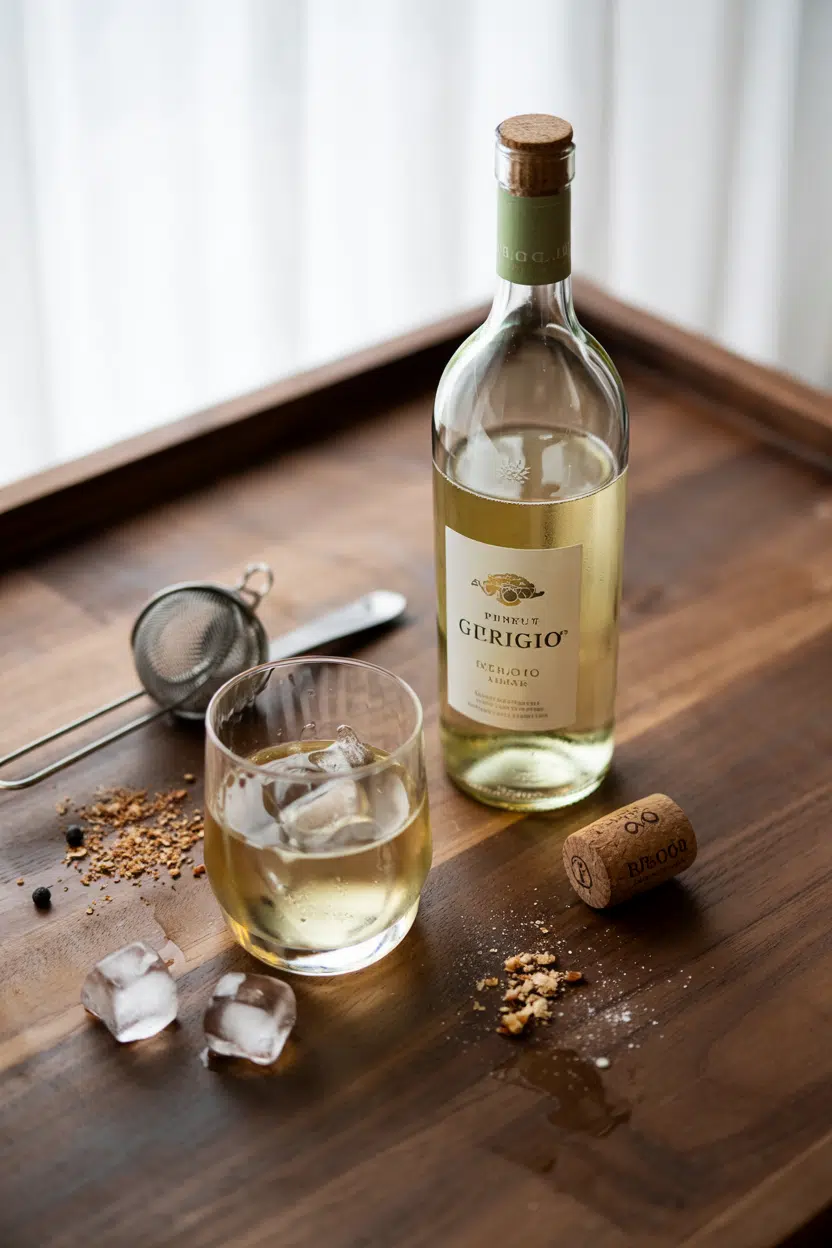
The answer is yes to all of it, and knowing white wine stand-ins helps clarify just how much of the work this grape actually does in a kitchen.
Pinot Grigio is a dry white wine from northern Italy, known for crisp acidity and clean citrus-driven flavor. Lighter Italian styles suit shellfish and pan sauces; richer Alsace Pinot Gris handles spiced or cream-based dishes. Opened bottles keep 3-5 days refrigerated.
What Is Pinot Grigio?
Pinot Grigio is a dry white table wine made from the Pinot Gris grape, grown most prominently in northeastern Italy - particularly the regions of Friuli-Venezia Giulia and the Veneto.
Remember it later
Planning to try this recipe soon? Save it for a quick find later!
The grape itself has grayish-blue skin, which puts it in an unusual middle ground between white and red wine grapes.
Two major styles exist, and they're distinct enough to behave differently at the table. Italian Pinot Grigio runs lean, high-acid, and pale straw in color.
Alsace Pinot Gris - same grape, French name - is fuller, richer, and sometimes carries faint spice.
The name confusion is common but easy to sort out:
- 🇮🇹 Pinot Grigio - Italian name; expect a crisp, lighter style
- 🇫🇷 Pinot Gris - Alsatian (French) name; expect more body and aromatic complexity
- P. gris - shorthand used on some wine labels
- Pinotgrigio - common misspelling, same wine
Quality Italian bottlings carry DOC or DOCG designations, with Alto Adige and Friuli labels generally outperforming bulk supermarket versions by a wide margin.
What Does Pinot Grigio Taste Like?
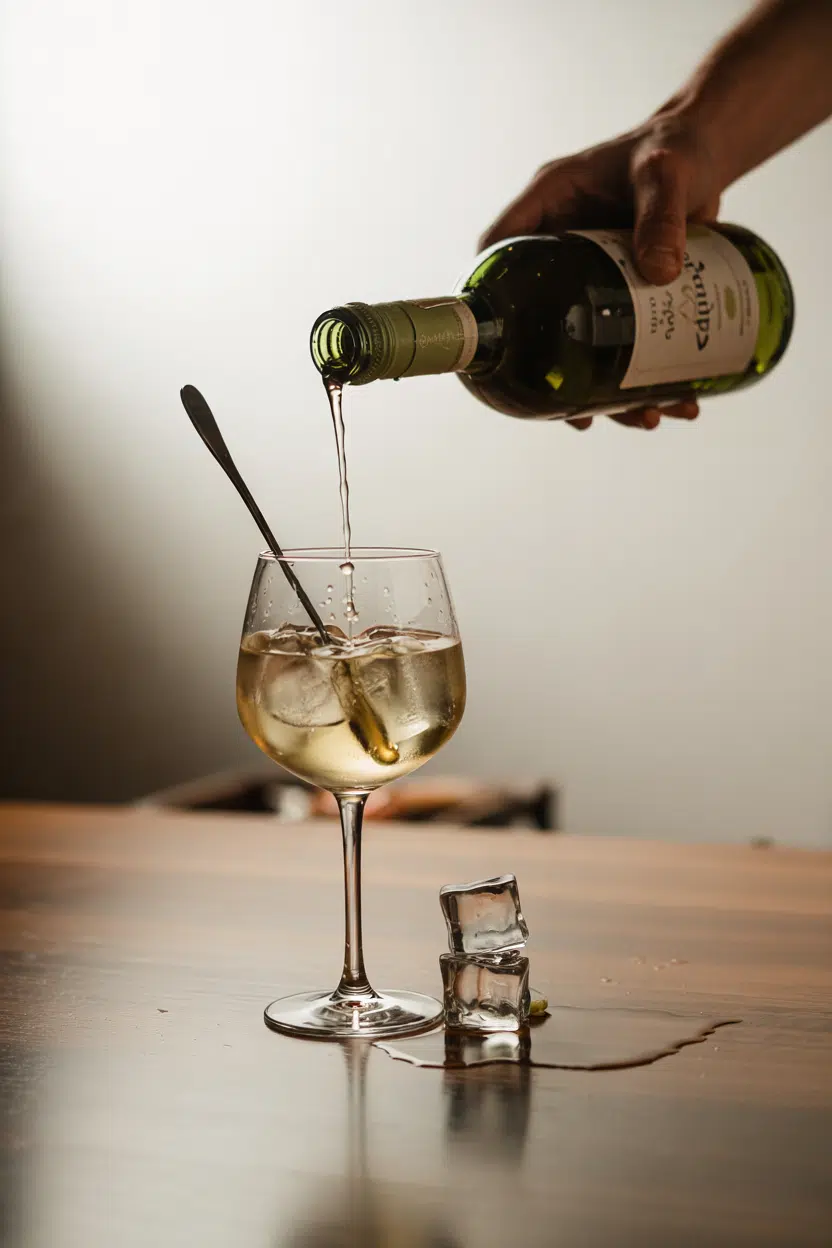
Italian Pinot Grigio lands on the palate as clean and bright - crisp green apple and lemon-citrus arrive first, followed by a quiet note of pear or white stone fruit.
The finish is dry with a mineral edge that some describe as wet stone or chalk.
Richer Alsace Pinot Gris shifts the profile noticeably. The acidity softens, an oily midpalate texture appears, and faint almond or spice can surface.
That's a different drinking and cooking experience than the standard Italian bottle.
Understanding the role sauvignon blanc plays in acidity-forward cooking helps put Pinot Grigio in context - the two overlap on clean citrus, though Pinot Grigio stays more restrained and less grassy.
How to Use Pinot Grigio
Pinot Grigio earns its place at the stove as well as the table. Its high acidity and dry profile make it a reliable deglazing wine - it lifts pan fond cleanly without adding sweetness or muddying a sauce.
| Method | Best For | Tip |
|---|---|---|
| 🍳 Deglazing | Chicken piccata, sole meunière pan sauces | Add off heat briefly, then return to medium to reduce by half |
| 🦪 Steaming | Mussels, clams (linguine alle vongole) | Use a full splash - the wine reduces into the broth |
| 🐟 Poaching | Halibut or cod in light citrus broth | Combine with lemon and fresh herbs; keep heat low |
| 🥗 Marinating | Firm white fish before grilling or roasting | Limit to 30 minutes - acid can break down delicate flesh |
| 🍚 Risotto base | Seafood risotto with asparagus | Add one ladle of wine early, let it absorb before adding stock |
Pairings skew toward Mediterranean and northern Italian cooking: shellfish (clams, mussels, shrimp, scallops), light white fish like cod or sole, lemon, capers, fresh herbs, and goat cheese all work well.
It also holds up next to sushi and sashimi, where its clean finish clears the palate between bites.
For lighter proteins, try stirring a small amount into a lemon vinaigrette - the acidity reinforces the dressing without adding richness. It also works added to a homemade dressing much the way acid does in any balanced vinaigrette.
How to Buy and Store Pinot Grigio
Label geography matters more than price here. Bottles from Friuli-Venezia Giulia or Alto Adige with DOC or DOCG markings consistently outperform generic "Italian Pinot Grigio" at a similar price. Check that ABV sits between 11-13% and avoid anything labeled sweet or late-harvest if you want the standard dry profile.
Storage is straightforward:
- Unopened bottles - store on their side at 50-55°F in a dark spot; inexpensive bottles are best within 1-3 years
- Higher-quality examples - can hold 5-7 years under proper conditions
- Opened bottles - reseal with a stopper and refrigerate upright; drink within 3-5 days
For anything beyond short-term storage, the details on freezing pinot grigio cover your options if a bottle has been open longer than expected.
Which Bottle to Reach For
Start with a Friuli or Alto Adige DOC for any recipe that calls for white wine - the acidity does the work without announcing itself. If the dish is richer or spiced, an Alsace Pinot Gris gives you more structure.
When you can't find either, look at replacements for pinot grigio - dry, high-acid whites handle most of the same cooking tasks well.
Frequently Asked Questions
Dry. Standard Italian Pinot Grigio contains little to no residual sugar and finishes clean. Only bottles specifically labeled "late harvest" or "vendange tardive" are sweet.
Serve chilled at 45-50°F - about 30 minutes in the refrigerator from room temperature. Serving it too cold mutes the fruit; too warm and the acidity reads as harsh.
Yes, typically. Italian Pinot Grigio is lighter-bodied with sharper acidity, while Chardonnay - especially oaked versions - is fuller and creamier. Unoaked Chardonnay narrows the gap.
For most seafood, chicken, and vegetable-based recipes, yes. It falls short in cream-heavy or very rich dishes where a fuller white like Chardonnay holds up better.
Not always. Some producers use animal-derived fining agents like isinglass or casein during production. Bottles labeled vegan have used alternative fining methods - check the label or producer's website.



