
Sorghum flour gets a reputation as a direct wheat swap, and that misconception leads to dense muffins and flat breads that put people off it permanently.
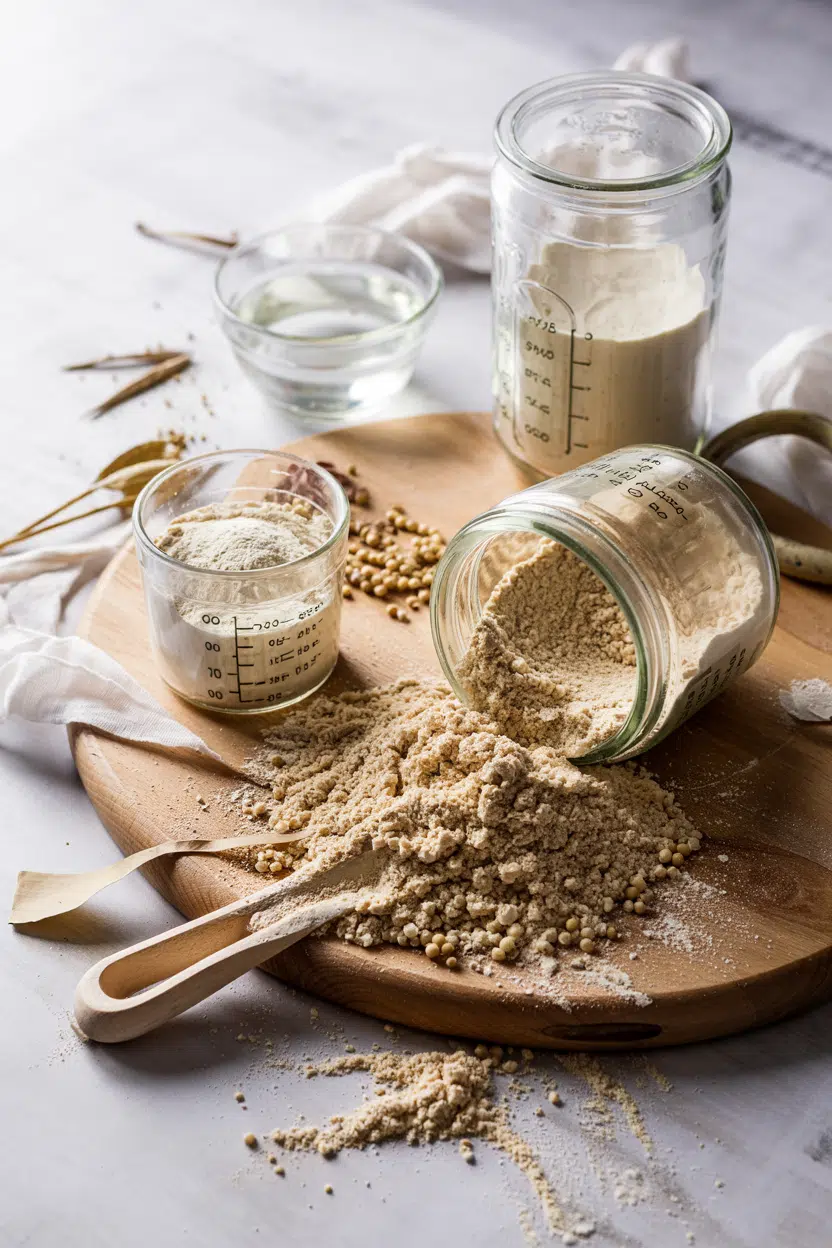
It shares some grain sweetness with the taste of millet, though it's lighter and less earthy.
Like most whole-grain flours, understanding flour's shelf life matters here because sorghum's natural oils turn rancid faster than refined white flour.
Once you understand what it actually does - and what it can't do alone - it becomes a reliable base for gluten-free baking.
Sorghum flour is a mild, slightly sweet cereal flour milled from whole sorghum grain. Naturally gluten-free, it works best blended into GF flour mixes for breads, pancakes, flatbreads, and gravies. White varieties are milder; red sorghum tastes more robust and bitter.
What Is sorghum flour?
Sorghum flour is ground from the whole grain of sorghum, a small round cereal grass domesticated in Sub-Saharan Africa and later cultivated widely across the Indian subcontinent.
Remember it later
Planning to try this recipe soon? Save it for a quick find later!
The grain itself has been a staple for thousands of years, and knowing how long rice keeps gives useful context - sorghum grain stores similarly well in dry conditions, though the milled flour is far less stable.
You'll find it sold under several names. Jowar flour is the most common Indian market label; milo flour appears in some American regional products; sorghum meal is a coarser grind used more for porridges than baking.
The two main types are:
- 🌾 White sorghum flour - pale tan, finely milled, mild and slightly sweet. The standard choice for GF baking blends.
- 🟤 Red (whole-grain) sorghum flour - darker, more robust, higher in tannins and polyphenols. Adds bitterness that some recipes benefit from and others don't.
Both are naturally gluten-free and contain no wheat proteins, making them suitable for celiac and gluten-intolerant diets without any processing changes.
What Does sorghum flour Taste Like?
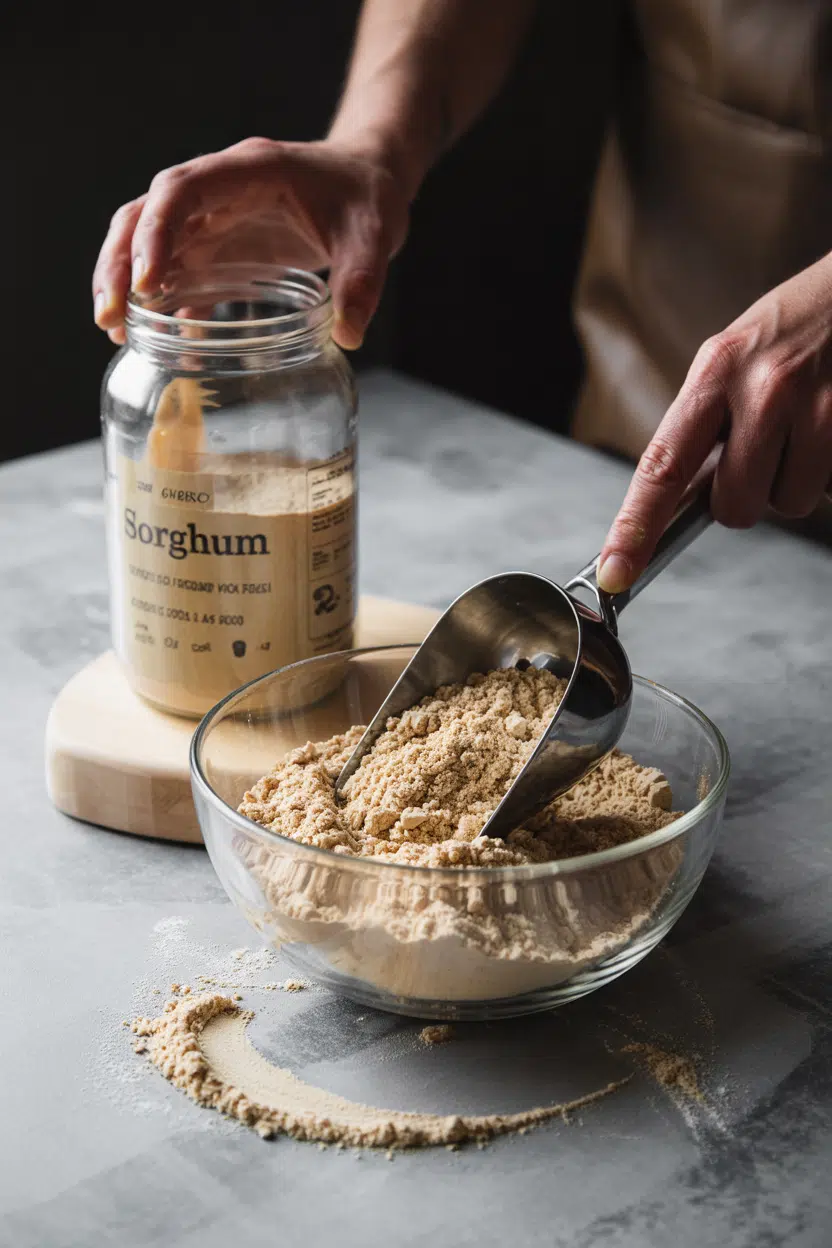
Sorghum flour tastes closest to a cross between mild whole-grain cornmeal and light whole-wheat - but sweeter than both and without the wheaty aftertaste. White sorghum keeps that sweetness clean and forward, which is why it dominates commercial GF flour blends.
Heat changes it noticeably.
Toasting sorghum flour dry in a skillet before use deepens the nutty character and pulls the grassy note back, leaving something closer to a warm, caramel-grain smell. Red sorghum varieties amplify that bitterness when baked, which works in savory flatbreads but can fight against sweet muffin recipes.
Raw in a blend, the flavor is easy to miss - mild enough that other ingredients lead. That mildness is an asset, not a flaw.
How to Use sorghum flour
Sorghum flour rarely works solo in baked goods because it has no gluten network to trap gas or provide stretch. Blend it with starches and binders, and it performs well across a wide range of applications.
| Method | Best For | Tip |
|---|---|---|
| 🧁 Baking | Quick breads, muffins, GF pizza crust, cookies | Blend 60-70% sorghum with tapioca or potato starch; add xanthan gum for lift |
| 🥞 Pan-frying | Pancakes, crepes, jowar rotis | 100% sorghum works in thin batters; rest the batter 5 minutes before cooking |
| 🍲 Thickening | Gravies, stews, chili | Whisk into cold liquid first to prevent lumps; no roux needed |
| 🍗 Crumbing | Fried chicken coating, vegetable fritters | Mix with cornstarch or potato starch for crispness |
For GF flour blends, a common ratio is two parts sorghum flour to one part starch - tapioca starch adds chew while cooking potato starch perfectly teaches you how to handle the other common starch option without gumminess.
Buttermilk or yogurt pair naturally here, adding tenderness and tang that complements sorghum's grain sweetness.
Warm spices - cinnamon, cardamom, ginger - amplify the natural nuttiness well.
In West African home cooking it appears in porridges and fermented flatbreads.
Across the Indian subcontinent, jowar rotis use it straight, rolled thin and cooked on a dry tawa.
If you're unsure whether this flour fits your needs, checking replacements for sorghum flour maps out when other options cover the gap better.
For comparison, replacements for teff flour shows how similarly structured alternatives cross over in GF baking.
How to Buy and Store sorghum flour
Choose bags labeled pale tan or cream-colored for the mildest flavor - this indicates white sorghum. A red-brown color signals whole-grain or red sorghum, which suits savory applications.
Check the packaging date; stone-ground versions are worth seeking for texture, though they carry more oil and go stale faster.
Storage is straightforward once the bag is open:
- Pantry (unopened) - Up to 3-6 months in a cool, dark spot away from heat sources.
- Refrigerator (opened) - Airtight container, 6-12 months. Bring to room temp before measuring.
- Freezer (opened or bulk) - Up to 1 year. Double-bag to block odor transfer.
For a full breakdown of timing and signs of spoilage, the guide on cooking sorghum flour perfectly covers what to watch for at each storage stage.
The choice of starch partner also affects batch planning - cooking tapioca starch vs xantham gum perfectly is worth reading before you commit to a GF blend formula.
Start With the Blend
If you're new to sorghum flour, don't open with a solo recipe.
Pick a quick bread or pancake where sorghum takes up 60-70% of the flour weight and a neutral starch fills the rest.
That ratio shows you what the flour actually contributes - mild sweetness, a light crumb, and a clean grain flavor - before you adjust for more complex bakes.
Frequently Asked Questions
Yes, sorghum is naturally gluten-free. However, cross-contamination at the mill is a real risk - look for bags explicitly labeled "certified gluten-free" if you have celiac disease.
Not at a 1:1 ratio. Sorghum lacks gluten, so direct substitution collapses structure in most baked goods. Blend it with a starch and a binder like xanthan gum or eggs for workable results.
It's close but sweeter and less bold than cornmeal. The grainy, slightly nutty flavor is the shared note - sorghum just carries it at a lower intensity with no corn-specific sharpness.
White sorghum flour is milder, sweeter, and better for most baking. Red sorghum is darker, more bitter, and higher in tannins and polyphenols - useful in savory flatbreads but noticeable in sweet recipes.
Sorghum flour works well in pancake batter at 100% or blended with tapioca starch. Rest the batter for 5 minutes before cooking - the flour hydrates fully and the pancakes hold together better on the griddle.



