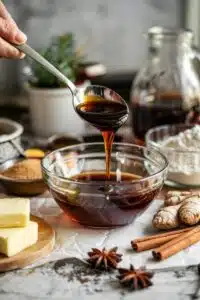
Mint does something no other leafy herb quite manages: it cools the dish while it flavors it.
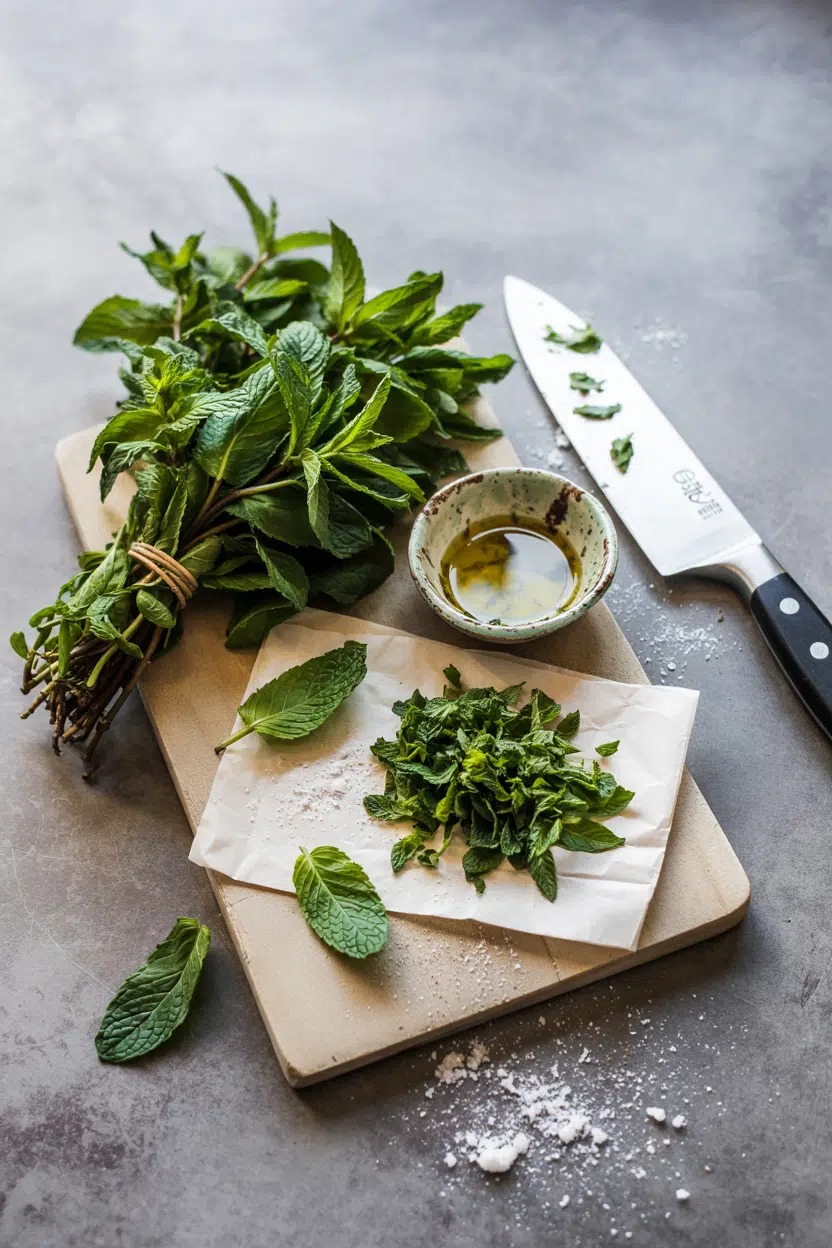
That dual action - menthol chill layered over a bright, grassy note - is why it appears in everything from parsley in cooking contexts to cocktail bars, and why a sprig of it over a bowl of yogurt changes the whole experience.
Much like a creamy cilantro lime dressing recipe depends on fresh herb oils for its lift, mint's impact depends entirely on how and when you add it.
Mint is a fast-growing aromatic herb with a cooling menthol flavor and bright green character. Use it fresh - heat kills its essential oils fast. It anchors tabbouleh, mojitos, lamb sauce, and raita, and keeps 5-10 days refrigerated with the water-jar method.
What Is Mint?
Mint - genus Mentha - is a perennial herb native to the Mediterranean and Western Asia, now grown in gardens and on farms worldwide.
Remember it later
Planning to try this recipe soon? Save it for a quick find later!
It's recognizable by its square stems, serrated oval leaves, and a volatile essential oil content so high that brushing the leaves releases scent immediately.
The two varieties most home cooks encounter are spearmint and peppermint. Spearmint (Mentha spicata) has a softer, sweeter profile and is the standard in cooking; peppermint (Mentha × piperita) carries more menthol and a sharper bite, making it better suited to confectionery and teas.
Garden mint, sold in most produce sections, is typically spearmint or a close hybrid.
Other names vary by region - "mint leaves," "nana" in Arabic-speaking kitchens, and simply "Mentha" in botanical references. Dozens of cultivars exist, including chocolate mint and apple mint, though these are niche.
For most cooking decisions, spearmint is the default.
What Does Mint Taste Like?
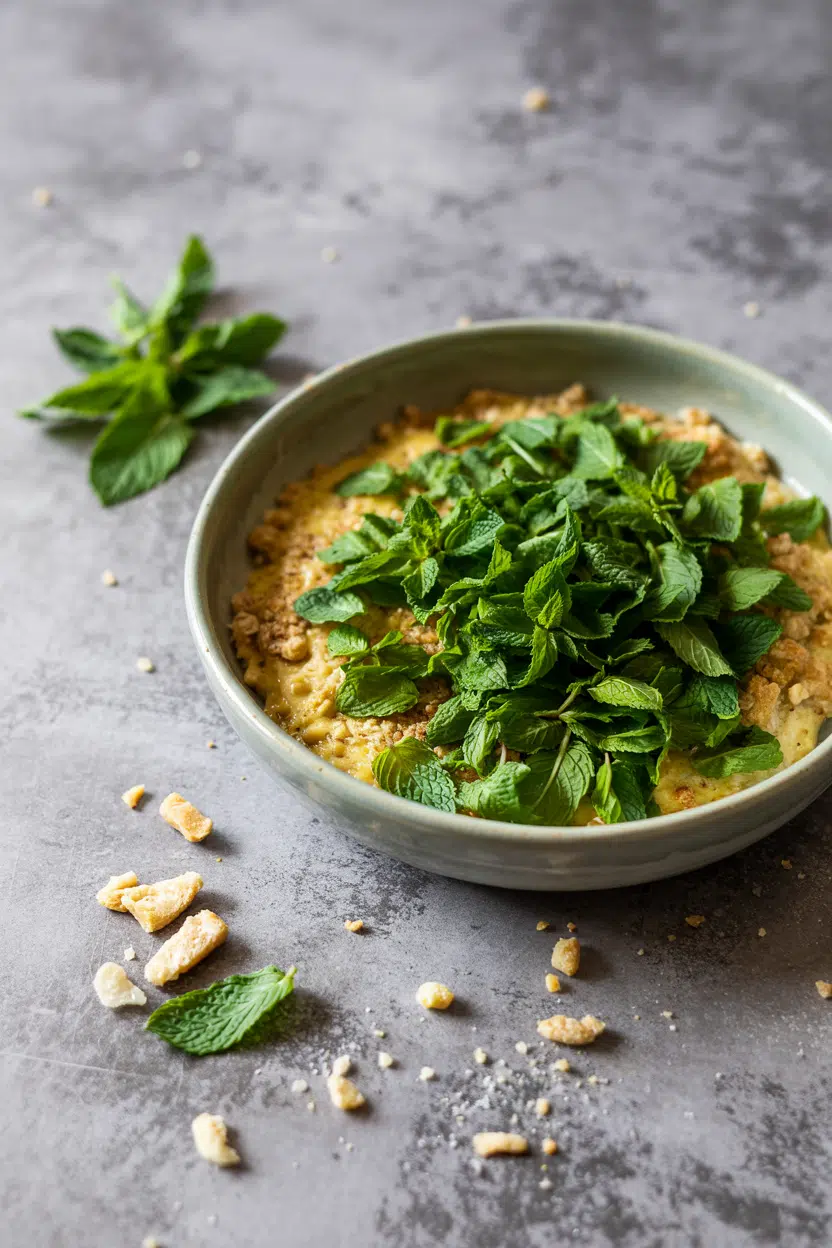
Mint leads with a cooling menthol top note that triggers cold receptors on the tongue - that's a physical effect, not just a flavor perception.
Underneath that chill sits a bright, grassy green character similar to basil, though cooler and without basil's peppery heat.
There's also a mild sweetness underneath - more noticeable in spearmint - and some varieties carry a faint anise or pepper edge.
Heat collapses the volatile oils almost instantly, which is why cooked mint tastes flat compared to fresh.
Dried mint, by contrast, loses the menthol brightness and takes on a more muted, slightly musty herb character - useful in some Middle Eastern spice blends, less so as a direct fresh-mint substitute.
If you need a swap, mint swaps that work covers the options with realistic expectations.
How to Use Mint
Add mint late or not at all - that's the core rule. Because its essential oils evaporate quickly, mint contributes most when torn or chopped and added at the very end, or kept entirely raw.
In Middle Eastern cooking, torn mint leaves go into tabbouleh alongside parsley and bulgur, where they add a cooling counterpoint to lemon and tomato.
Yogurt-based sauces like raita rely on chopped mint to cut through dairy richness.
British mint sauce - mint, vinegar, and sugar - pairs with roasted lamb, a combination that works because the herb's cool brightness offsets the fat.
A well-made a lamb chops with mint sauce recipe shows exactly how little mint you need for the pairing to land.
| Method | Best For | Tip |
|---|---|---|
| 🥗 Raw (torn/chopped) | Tabbouleh, salads, raita, fruit salads | Tear by hand - a knife bruises the leaf and speeds browning |
| 🍹 Muddled/bruised | Mojitos, mint juleps, cocktail bases | Press gently - over-muddling releases bitter chlorophyll |
| ♨️ Infused (then strained) | Simple syrups, mint oil, hot teas | Steep 5-10 minutes max; longer steeping dulls the bright note |
| ✨ Garnish | Hot dishes, plated desserts, drinks | Add at the last second - heat wilts leaves within a minute |
Mint pairs strongly with lamb, citrus, yogurt and cucumber, peas, chocolate, and berries.
Southeast Asian cooking - particularly Vietnamese - uses fresh mint leaves alongside other herbs as a table condiment with grilled meats and noodle dishes. Infused mint syrup is one of the most practical preparations: steep mint briefly in a hot sugar-water base, strain, and refrigerate for use across cocktails and desserts.
How to Buy and Store Mint
At the market, look for bunches with bright, unblemished green leaves and firm square stems. Pinch a leaf - fresh mint releases a sharp menthol scent immediately; a weak or absent aroma means low essential oil content and a flat flavor.
Avoid yellowing leaves, soft stems, or any slimy spots.
Alternatively, wrap leaves loosely in a damp paper towel and store in a perforated bag - effective but slightly shorter-lived than the water method.
For a full breakdown, mint's shelf life covers both methods side by side, plus what to do when leaves start to spot.
Dried mint lasts 6-12 months airtight and away from light - useful in spice rubs, though it behaves differently than fresh.
Compare this to basil's shelf life, which is shorter and even more sensitive to cold temperatures.
Start Here With Mint
Fresh mint is most reliably useful torn into a salad, stirred into yogurt, or briefly infused into a syrup. Those three entry points cover Middle Eastern, sauce-based, and drink applications without any cooking skill required.
- 🥗 First salad attempt - Add a small handful of torn leaves to tabbouleh or a cucumber-tomato mix for immediate impact.
- 🥛 Easiest sauce - Stir chopped mint into plain yogurt with salt and a squeeze of lemon; done in two minutes.
- 🍹 Drinks baseline - Simmer equal parts sugar and water, steep mint 8 minutes, strain. Use that syrup all week.
When you're comfortable with fresh mint's behavior, dried mint in spice rubs or comparing dried oregano vs ground oregano options gives useful context for thinking about how dried herbs differ from their fresh counterparts.
Mint rewards restraint - a little goes further than most cooks expect.
Frequently Asked Questions
Cooling and bright, with a menthol chill that sits over a grassy, mildly sweet base. It reads as refreshing rather than spicy, and the effect is more physical - triggering cold receptors - than purely flavor-based.
Neither, exactly. Spearmint leans mildly sweet; peppermint has a sharp edge some describe as near-spicy. The dominant sensation is cooling from menthol, which overrides both sweetness and heat.
Spearmint is sweeter and milder - better for food. Peppermint has a higher menthol concentration and a sharper, more medicinal bite that suits candy, tea, and extracts more than savory cooking.
Yes, but only briefly. Mint's volatile oils evaporate fast under heat, so add it at the very end of cooking or not at all. Long braises destroy its character entirely.
Lamb, yogurt, cucumber, lemon, lime, chocolate, and peas are the strongest pairings. Mint also works alongside berries and light grilled fish, where its cooling quality balances richness or sweetness.