
Bright acidity hits first - the citrus-sharp edge of lime cutting through ripe tomato, with cilantro's green freshness right behind it.
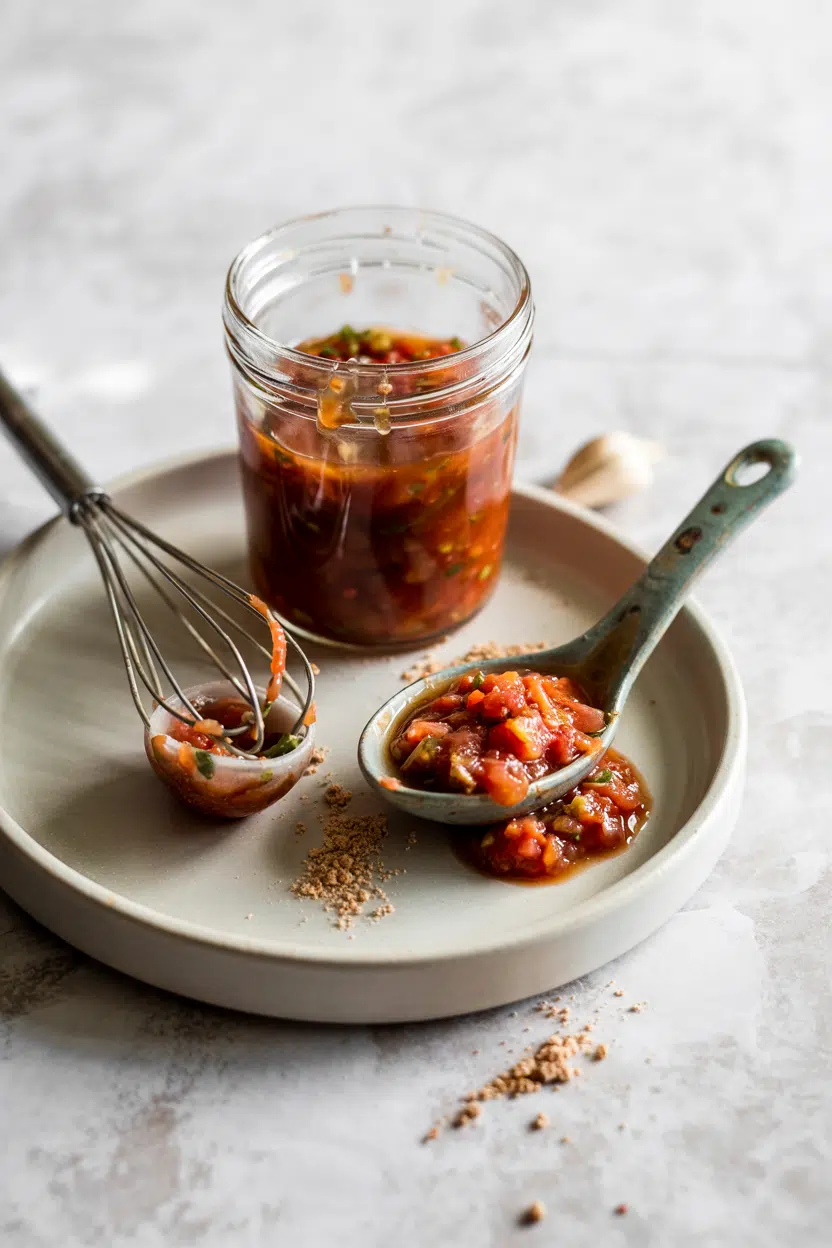
That's the opening note of a well-made salsa, and whether it's making pico de gallo at home or a blended, fire-roasted sauce, the sensory range is wider than most people expect.
Salsa isn't one thing; it's a whole family of condiments, and knowing the differences changes how you cook with them.
For anyone used to reaching for hot sauce swaps that work in a pinch, fresh salsa opens a different lane entirely.
Salsa is a fresh or cooked Mexican condiment built on tomatoes, chilies, onion, cilantro, and lime. Flavor ranges from bright and tangy in raw pico de gallo to smoky and complex in roasted or blended versions. Use it as a dip, topping, or cooking base.
What Is Salsa?
Salsa is a condiment from Mexico and Mesoamerica built on a core of tomatoes, chilies, onion, cilantro, and lime. The word simply means "sauce" in Spanish, and the category covers everything from uncooked relishes to long-simmered red cooking sauces.
Remember it later
Planning to try this recipe soon? Save it for a quick find later!
Pico de gallo - also called salsa fresca or salsa cruda - is the chunky, raw version: hand-chopped ingredients, no heat applied. Salsa roja is the cooked or blended red-tomato version, while salsa verde swaps tomatoes for tomatillos and brings a sharper, slightly more tart profile. Each style has its own texture and intensity.
The chilies used shift the whole character of the sauce.
Jalapeños give moderate, grassy heat; serranos push hotter; habaneros tip into serious fire. Chili's shelf life also affects when to use fresh versus dried, since dried and roasted chilies carry deeper, earthier notes into the salsa.
The onion base matters too - white onion is standard in Mexican versions, though swapping out cipollini onion can soften the sharpness when milder flavor is the goal.
What Does Salsa Taste Like?
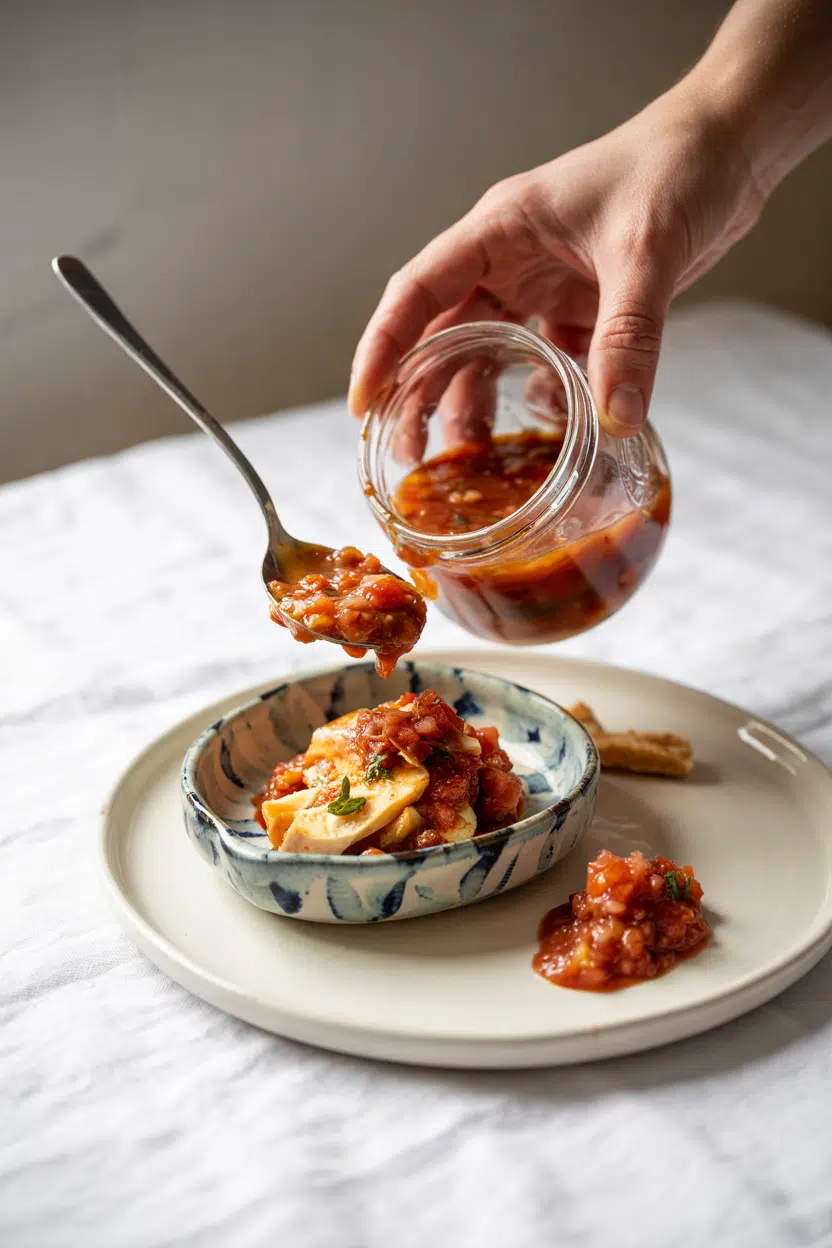
Raw salsa lands bright and sharp. The tomato gives a sweet-acid backbone, lime juice pushes the acidity forward, and cilantro adds an unmistakable green, slightly soapy freshness that anchors the whole thing.
Roasted and cooked versions read differently. Charring the tomatoes and chilies before blending introduces a mild smokiness that echoes low-heat barbecue - fuller and rounder than the raw version, with less citrus snap and more depth.
Think of it as the difference between a fresh tomato and a slow-roasted one.
Heat level shifts as salsa sits. Fresh jalapeño loses some sharpness after a day in the fridge, so a newly made pico de gallo will sting more than the same batch 24 hours later.
How to Use Salsa
Salsa covers more ground than most people use it for. The obvious moves - chip dip and taco topping - are just the starting point.
| Method | Best For | Tip |
|---|---|---|
| 🥗 Raw (Pico de Gallo) | Chip dip, taco topping, fish and shrimp, grain bowls | Use within 2 days for maximum crunch and acidity |
| 🔥 Blended & Cooked | Braised meats, huevos rancheros, rice bases | Simmer briefly after blending to concentrate and mellow the flavor |
| 🌑 Roasted / Charred | Smoky sauces, enchilada bases, grilled meat companion | Char tomatoes and chilies under a broiler or dry skillet before blending |
Stirred into scrambled eggs or spooned over huevos rancheros, salsa adds acidity where dairy might otherwise flatten everything. Grilled fish - tilapia or mahi-mahi especially - pairs well with the raw version because the lime and cilantro echo typical fish marinades without competing.
For braised meats, a cooked salsa roja works as the braising liquid itself, giving the dish its structure and heat.
The role guacamole plays alongside salsa is worth noting - the fat and creaminess of avocado balances salsa's acidity, which is why the two appear together so consistently.
Black beans, queso fresco, and corn tortillas round out the classic pairings.
When you're missing an ingredient entirely, knowing the salsa swaps that work keeps a recipe on track without a special trip to the store.
How to Buy and Store Salsa
Fresh salsa from a deli case should smell clean and bright - if the tomato scent is muted or the herbs look grey, pass on it. Pico de gallo is best bought within a day or two of preparation; it deteriorates faster than blended or jarred versions.
For jarred and canned salsa, check the expiration date and inspect the lid for any bulging. Sodium levels in store-bought versions can be high - something worth scanning on the label if that matters to you.
- 🫙 Unopened jar or can - store in a cool pantry; lasts several months up to the printed date
- ❄️ Opened jarred salsa - refrigerate immediately in an airtight container; good for 2-3 weeks
- 🍅 Fresh or homemade salsa - refrigerate and use within 3-7 days; acidity fades noticeably after day four
Watch for salsa spoilage signs like off-smell, liquid separation, or color changes before you assume it's still good. If you need to stretch ingredients further, knowing the replacements for canned tomato also helps when building a cooked salsa from scratch.
Start With Pico, Then Branch Out
If salsa is new territory, raw pico de gallo is the clearest entry point - fewest ingredients, most transparent flavors, and no cooking required. From there, a blended salsa roja shows how heat changes the profile entirely.
Anyone comfortable with both styles can start using salsa verde as a cooking sauce rather than just a condiment. That's where the real range opens up.
Frequently Asked Questions
Most salsas start with tomatoes, chilies, onion, cilantro, and lime juice. The exact ingredients shift by style - salsa verde replaces tomatoes with tomatillos, while some regional versions add roasted garlic or dried chilies for depth.
Refrigerated in an airtight container, homemade salsa lasts 3-7 days. Cooked versions tend to hold closer to the 7-day end; raw pico de gallo is best within 3-4 days before texture and brightness fade.
Yes, cooked and blended salsas freeze well for up to 3 months. Raw pico de gallo doesn't freeze well - the tomato and onion turn watery and soft when thawed, losing their crunch entirely.
Standard salsa roja is tomato-based and ranges from mild to hot. Salsa verde uses tomatillos instead, giving it a tarter, slightly more herbal flavor and a distinctly green color even after cooking.
Fresh salsa is low in calories and provides vitamin C, vitamin A, and potassium from tomatoes and lime. Store-bought versions can be high in sodium, so checking the label matters if you're watching intake.



