
Most people assume marshmallow is just sugar in pillow form - a one-note sweetness with nothing interesting going on beneath the surface.
That reading misses the point.
The aerated structure, the vanilla-forward baseline, and how dramatically the flavor shifts under heat make marshmallow one of the more nuanced confections in everyday cooking.
Whether it's floating in a lemon mint hot chocolate recipe or forming the sticky base of a no-bake bar, marshmallow behaves differently depending on how you treat it - and comparing vanilla extract vs vanilla powder options shows just how much the vanilla note in marshmallow can anchor or compete with other ingredients.
Marshmallow is a pillowy aerated sugar confection with a mild vanilla flavor and a spongy, dissolve-on-the-tongue texture. It comes as soft pillows, minis, roasting-size pieces, or spreadable creme. Best used in s'mores, hot chocolate, no-bake bars, and sweet potato toppings.
What Is Marshmallow?
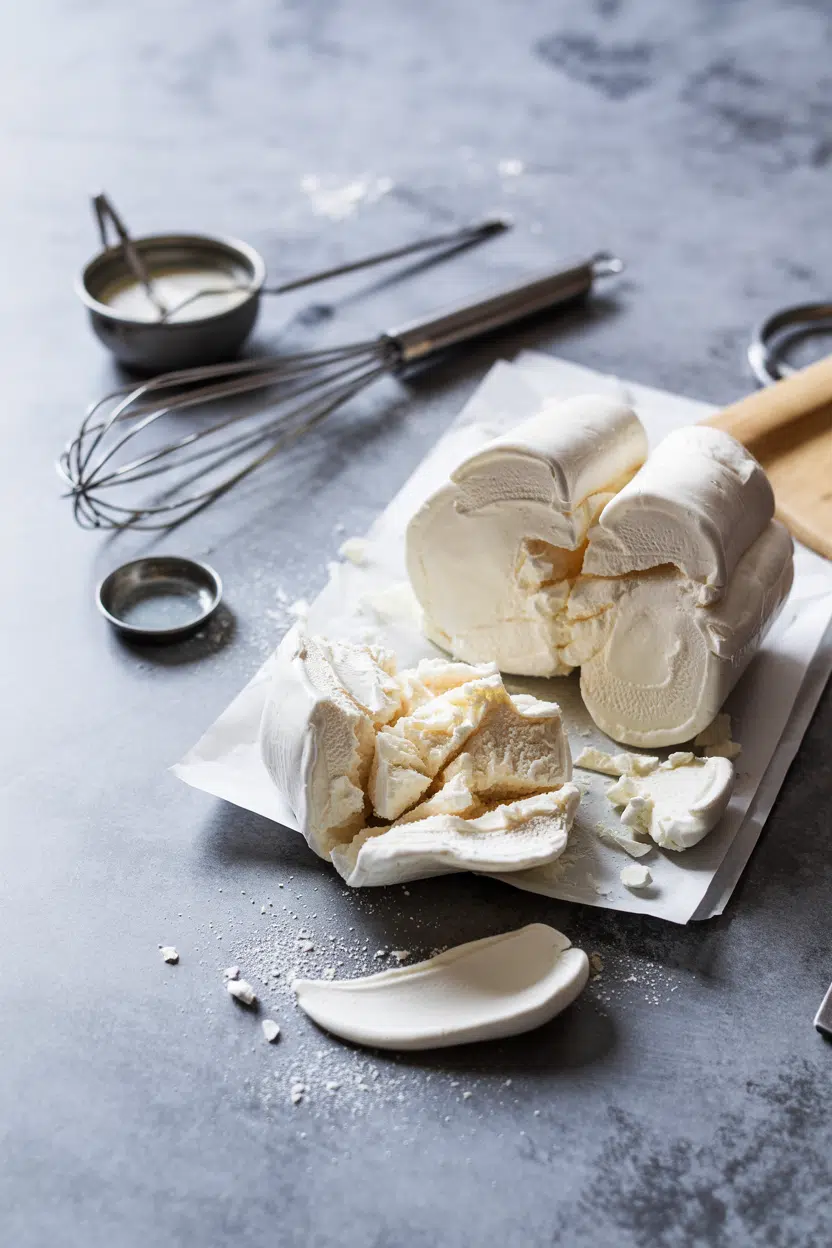
Marshmallow is an aerated sugar confection built from sugar, water, air, and a gelling agent - traditionally gelatin, which gives it the characteristic springy, foam-like structure.
Remember it later
Planning to try this recipe soon? Save it for a quick find later!
The name traces back to Althaea officinalis, the marshmallow plant, whose root sap was used in early medicinal confections in ancient Mediterranean cultures.
Modern marshmallow as we know it developed in France and the United States, where corn syrup replaced plant extract and industrial whipping made mass production possible.
Standard marshmallows come in several forms. Regular pillows and oversized roasting marshmallows suit campfire or torch applications.
Mini marshmallows dissolve faster in hot drinks and mix evenly into baked goods.
Marshmallow creme - sold in jars under names like Fluff - is a stabilized, spreadable version without the same gelatin structure. It pipes into frostings, folds into mousses, and layers directly onto desserts without needing to melt first. If you're working without the standard product, knowing your replacements for marshmallow matters, since creme and solid forms aren't always interchangeable.
Vegan marshmallows have improved significantly in texture, though some brands using agar agar behave differently under heat - agar agar's flavor and uses explains why it sets firmer and may not melt as smoothly as gelatin-based products.
What Does Marshmallow Taste Like?
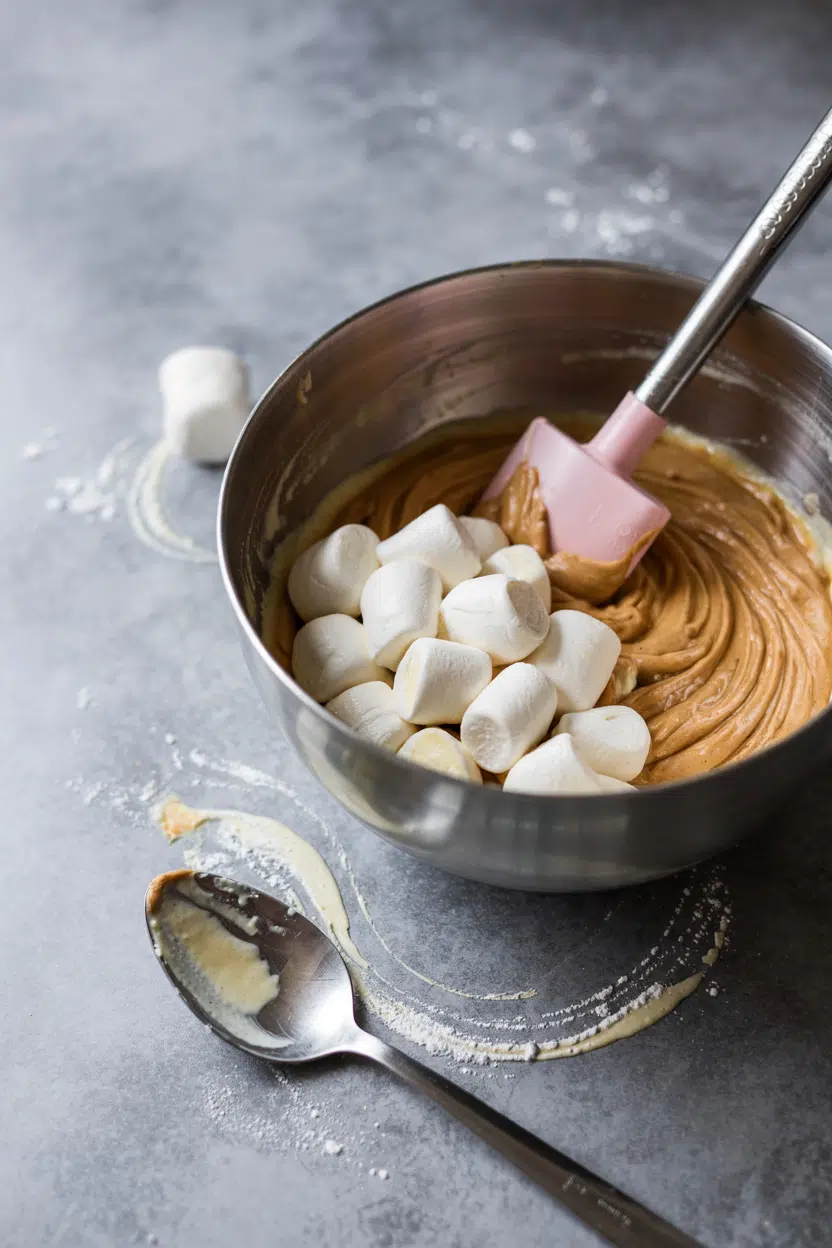
At room temperature, marshmallow tastes like clean, sweet sugar with a mild vanilla custard undertone. It's not sharp or acidic - the sweetness is round and soft, closer to spun sugar than hard candy.
There's a faint dairy-like note, likely from the combination of gelatin and vanilla flavoring used in most commercial versions.
Heat changes everything. Toasted marshmallow develops a browned outer shell through the Maillard reaction, producing flavors that genuinely resemble light caramel or crème brûlée.
The interior stays molten and stretchy, creating a contrast between the caramelized crust and the hot, sticky core.
That shift - from one-dimensional sweetness to something with real depth - is why roasting marshmallows over an open flame remains compelling well past childhood.
How to Use Marshmallow
Marshmallow functions as both a standalone ingredient and a structural component in no-bake recipes. How you apply heat determines which role it plays.
| Method | Best For | Tip |
|---|---|---|
| 🥗 No Heat | Hot chocolate topping, cake decorating, garnish | Use minis for faster melt in drinks; keep pieces dry to prevent sticking |
| 🔥 Roasting / Torch | S'mores, campfire desserts, torch-finished tarts | Rotate slowly for even browning; don't rush or the outside burns before the core melts |
| 🍳 Stovetop Melt | Rice krispie treats, marshmallow frosting, candy bars | Low heat and constant stirring prevent scorching; add butter first to coat the pan |
| 🍠 Oven / Broil | Sweet potato casserole, baked s'mores bars | Broil on high for 60-90 seconds only - they brown fast and collapse if left too long |
Classic pairings lean on contrast. Milk or dark chocolate cuts through the sweetness with bitterness; graham crackers add crunch and a faint honey note that balances the foam. Peanut butter adds fat and salt.
Espresso works particularly well with marshmallow creme in frosting, since the bitterness grounds the sugar without overpowering it.
American cooking owns most marshmallow applications - s'mores, sweet potato casserole, and rice krispie treats are all distinctly American. However, pastry and confectionery traditions worldwide use marshmallow-style aerated sugar under different names.
Modern dessert menus sometimes feature torch-finished marshmallow as a plated component, borrowing from s'more aesthetics without the campfire context.
Avoid pairing marshmallow with strong savory herbs or acidic dressings. Both collapse the foam structure and clash with the vanilla base.
If you're building a s'more variation and the cracker base isn't available, swapping out graham cracker opens up useful alternatives without disrupting the overall balance.
How to Buy and Store Marshmallow
Choose bags where the marshmallows are plump, evenly white, and not clumped together. Sticky masses or powdered-sugar-damp clumps signal moisture exposure.
For roasting, buy oversized or labeled "roasting" marshmallows - they hold their shape longer on a skewer. Minis work for drinks and baking.
Marshmallow creme should look glossy and spreadable, not separated or grainy.
Store unopened bags in a cool, dry pantry away from humidity. Once opened, reseal tightly or transfer to an airtight container.
A detailed breakdown of marshmallow's shelf life covers the full timeline, but the short version is: commercial marshmallows last months unopened and several weeks once the bag is open, provided they stay dry.
Most commercial recipes use corn syrup to prevent crystallization and keep texture smooth; if you're making marshmallows from scratch, alternatives to corn syrup covers what works and what doesn't in aerated confections.
Start Here Based on What You Need
Marshmallow is not a single-use ingredient, and the form you choose matters more than most people realize.
- 🔥 For roasting and s'mores - Buy oversized roasting marshmallows and use an open flame or culinary torch; minis burn too fast.
- 🍫 For no-bake bars and rice krispie treats - Regular marshmallows melted over low heat with butter produce the cleanest, most consistent result.
- 🎂 For frosting or mousse - Use marshmallow creme directly from the jar; it incorporates without remelting and holds structure better than melted solids.
- 🌱 For vegan cooking - Check labels specifically for agar- or carrageenan-based versions, since performance under heat differs from gelatin marshmallows.
The right form, treated correctly, does exactly what you need. The wrong one makes a mess.
Frequently Asked Questions
Sugar, water, air, and a gelling agent - typically gelatin - are the core components. Corn syrup is added to prevent crystallization, and vanilla flavoring gives it the signature taste.
Standard marshmallows are not. They contain gelatin derived from animal collagen, making them unsuitable for vegetarians or vegans. Plant-based versions using agar or carrageenan are available and widely labeled as vegan.
The browned exterior develops a caramelized, slightly smoky note similar to crème brûlée. The inside stays sweet and vanilla-forward, creating a strong contrast between the crust and the molten core.
Yes, and they freeze well for up to three months. Coat pieces lightly in cornstarch or powdered sugar before sealing to prevent clumping, and thaw at room temperature before use.
Marshmallow creme is a stabilized, spreadable version that skips the full gelatin structure of solid marshmallows. It doesn't need melting and incorporates directly into frostings or fillings, but won't toast or hold a shape on a skewer.



