
Most home cooks reach for shaoxing wine without fully knowing what they're adding to the pot - and that gap matters.
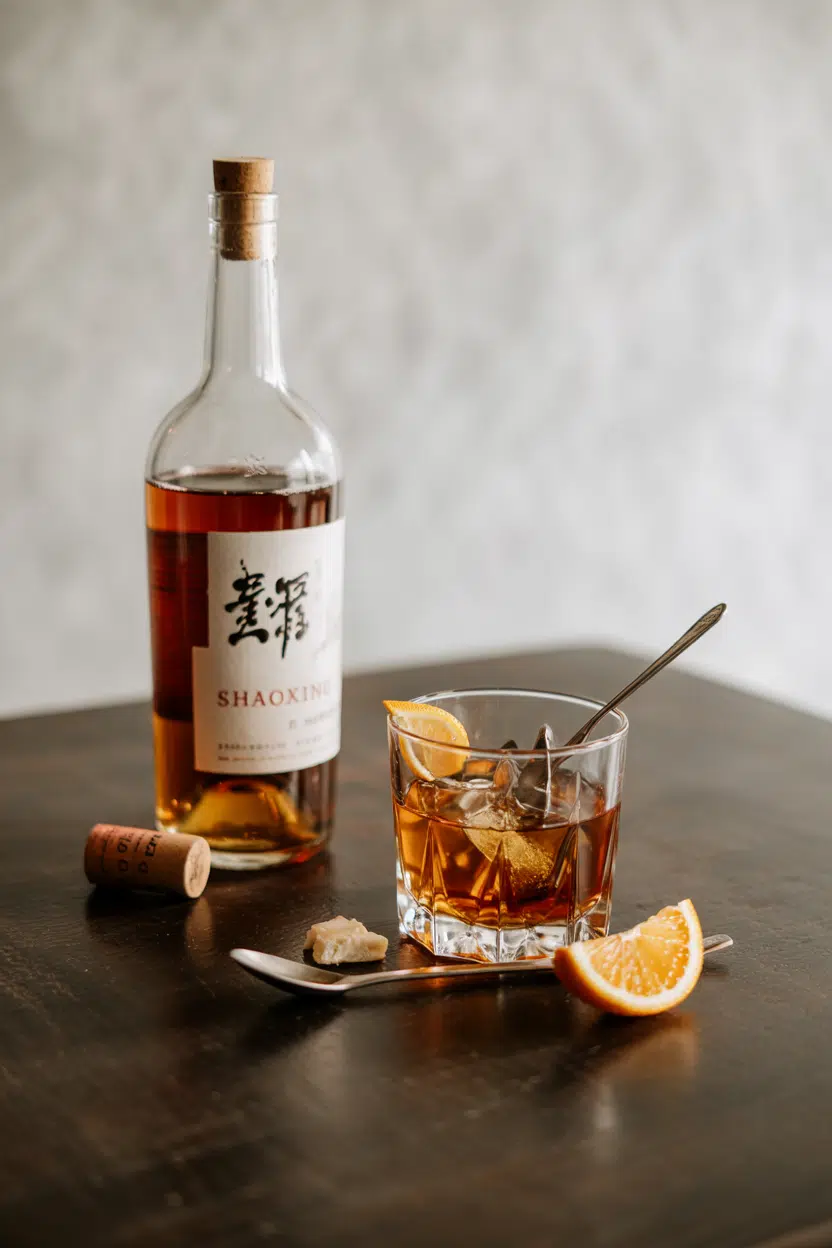
Unlike comparing aji mirin vs rice vinegar options, which splits into two distinct categories, shaoxing wine occupies a lane of its own: fermented, aged, and unmistakably savory.
It's not just a liquid seasoning - it's the backbone of some of the most recognized dishes in Chinese cooking, and using it well starts with understanding what it actually is.
Shaoxing wine is an amber fermented rice wine from Zhejiang province, China. It delivers nutty, umami-rich depth to braises, stir-fries, and marinades. Moderately alcoholic, shelf-stable when sealed, and a direct upgrade over generic cooking wine.
What Is Shaoxing Wine?
Shaoxing wine - also called huang jiu or Shaoxing yellow wine - is a fermented rice wine produced in Shaoxing, a city in Zhejiang province on China's eastern coast. It's been made there for over two thousand years, brewed from glutinous rice, wheat-based starter, and local water, then aged in sealed clay jars or wooden casks until it develops its characteristic amber color and layered aroma.
Remember it later
Planning to try this recipe soon? Save it for a quick find later!
The name huang jiu simply means "yellow wine," and it distinguishes this style from clear grain spirits or lighter rice wines.
Alcohol content typically sits between 14% and 20%, placing it closer to fortified wine than beer.
While many brands sell it specifically as a cooking wine, higher-grade Shaoxing expressions are also consumed as a table wine in China, sipped warm from small ceramic cups.
Understanding the role rice vinegar plays in balancing a dish helps clarify why shaoxing wine handles a different job entirely - acidity versus depth. The two are not interchangeable.
- 🍶 Shaoxing huang jiu - the broad category; includes cooking and drinking grades
- Hua Diao - a premium sub-style, longer-aged, sold in decorated ceramic jars
- Salted cooking wine - a supermarket version with added salt, not suitable for drinking
What Does Shaoxing Wine Taste Like?
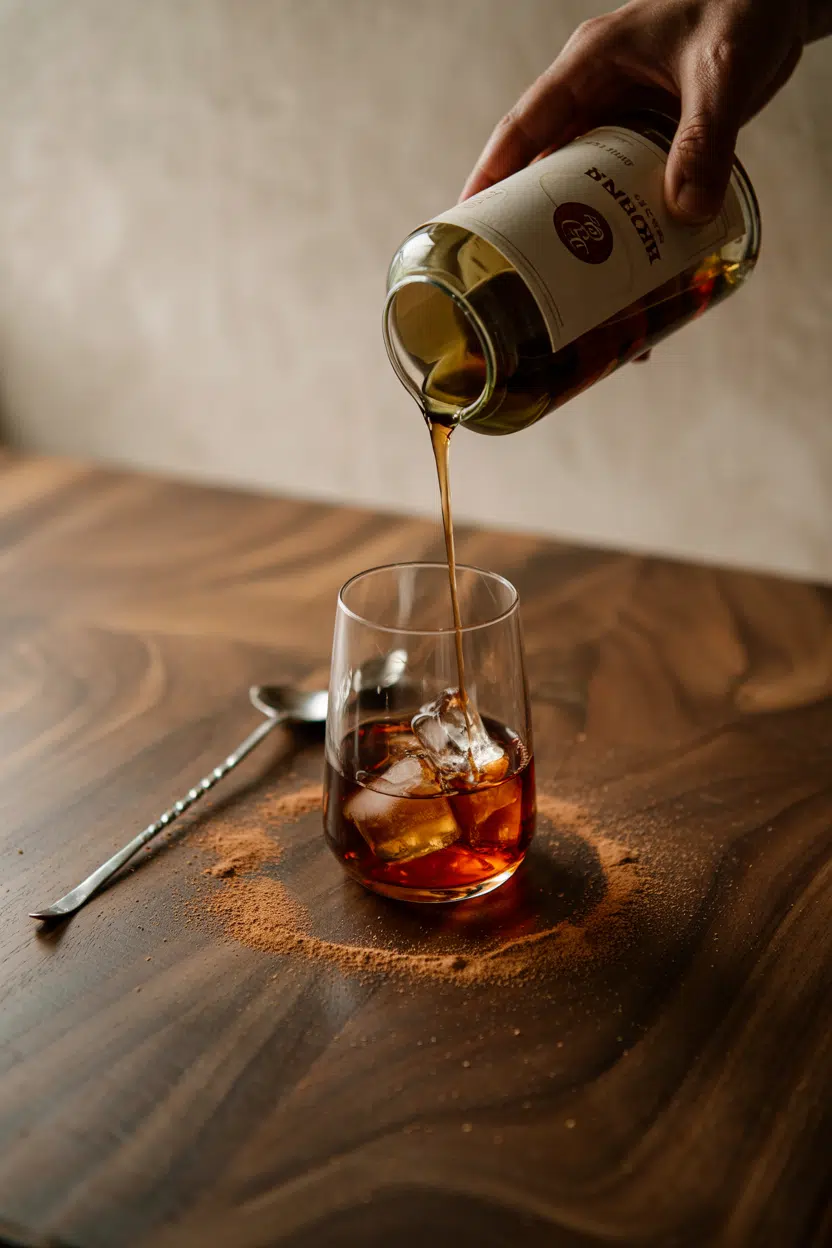
Shaoxing wine tastes closer to a dry sherry than anything else in the Western pantry - but the comparison only goes so far.
Sherry leans on oxidative, nutty notes from solera aging, while shaoxing wine brings a distinctly rice-derived umami alongside warm caramel and dried-fruit undertones.
The acidity is mild and background-level, never sharp. On the palate, the texture feels slightly viscous and silky, coating rather than cutting.
Aroma-wise, expect toasty fermented rice, faint soy-like warmth, and a caramel note that softens the savory edge.
In stir-fries, alcohol cooks off quickly under high wok heat, and what remains is a round, savory warmth that fills the background.
In long braises, the wine deepens over time, contributing to the complex glaze that makes hong shao rou (red-braised pork) so distinctive.
How to Use Shaoxing Wine
Shaoxing wine shows up across a wide range of Chinese cooking methods, and each one asks something slightly different from it.
The most important distinction: high heat drives off alcohol fast, while slow braises let the wine's sugars and amino acids integrate gradually into the sauce.
| Method | Best For | Tip |
|---|---|---|
| 🥩 Marinade | Pork, chicken, tofu - masks gaminess, tenderizes | Combine with light soy sauce and ginger; 30 min minimum |
| 🔥 Stir-Fry | Deglazing the wok to lift fond and add aroma | Add along the edge of the hot wok, not the center |
| 🍲 Braise | Soy-braised beef, hong shao rou, clay pot dishes | Add early so alcohol fully cooks off during simmering |
| 🥟 Filling/Sauce | Dumpling and wonton fillings, mapo-style sauces | A small splash rounds acidity without overpowering spice |
| 🐟 Steamed Fish | Finishing splash just before or during steaming | Use sparingly - heat volatilizes the alcohol, aroma stays |
In Chinese regional cooking, shaoxing wine anchors Jiangsu and Shanghai-style braises and appears constantly in Cantonese home kitchens.
It pairs tightly with light soy sauce, fresh ginger, scallions, star anise, and shiitake mushrooms - the core aromatics of many classic preparations.
Pork and chicken absorb its umami best, but firm tofu in a braise also benefits noticeably. Avoid pairing it with delicate fruit-forward preparations - the savory depth clashes rather than complements.
How to Buy and Store Shaoxing Wine
Look for bottles labeled "Shaoxing" or "Huang Jiu" with a clearly stated Zhejiang origin.
The color should be amber and clear - cloudy sediment in an unlabeled bottle is a quality warning, unless it's explicitly sold as an aged unfiltered variety.
If a bottle is labeled simply "Chinese cooking wine" without a regional name, it's likely a lower-grade product with added salt and fewer aromatic compounds.
Storage is straightforward.
Keep an unopened bottle in a cool, dark cupboard - it holds well for years.
Once opened, cap it tightly and refrigerate.
For specifics on how long shaoxing wine keeps under different conditions, the guide on how long shaoxing wine keeps covers refrigerated versus pantry timelines in detail.
General guidance: best aroma within 6-12 months of opening, still usable for cooking beyond that.
Where to Start With Shaoxing Wine
If you cook Chinese food more than twice a month, a bottle belongs in your kitchen permanently. Start with a marinade - combine it with light soy sauce, ginger, and a pinch of sugar, then use it on pork shoulder before braising.
That single application shows exactly what the wine contributes.
From there, try deglazing a hot wok mid-stir-fry. The aroma hits immediately.
If you can't find shaoxing wine locally, dry sherry is the most reliable swap - and sherry swaps that work lists fallback options when sherry itself isn't available. Skip generic "rice wine" labels that don't specify Shaoxing - they won't deliver the same depth.
Frequently Asked Questions
No. Shaoxing wine is a specific style of fermented rice wine from Zhejiang province, aged and amber-colored. Generic "rice wine" is a broader category that includes lighter, less complex products that won't replicate shaoxing wine's umami depth.
Yes, dry sherry is the closest Western substitute - similar alcohol level and nutty profile. It lacks shaoxing wine's rice-derived umami, so the result is slightly less savory but still functional in braises and stir-fries.
Yes. Alcohol content ranges from 14% to 20% ABV depending on grade and producer. Cooking burns off most of the alcohol, however a small residual amount may remain in quickly cooked dishes.
In a hot wok, alcohol volatilizes within seconds, leaving behind savory warmth and a faint caramel note. It rounds out the flavor of the dish without tasting "winey" - you notice its absence more than its presence.
No - they serve different functions. Soy sauce provides salt and concentrated umami; shaoxing wine adds aromatic depth and mild sweetness. If you're short on soy, check [replacements for soy sauce](https://forkliftkitchen.com/soy-sauce-substitutes/) for workable swaps instead.



