
Bite into a slice of edam cheese and the first thing you notice is restraint - a mild, milky warmth that doesn't shout.

It's the cheese that holds back, letting the ham, the mustard, the rye bread beside it have their moment, while still adding a quiet, slightly nutty richness to every bite.
If you've tried replacements for havarti cheese or explored what makes gouda cheese distinct, Edam sits comfortably in that same family - approachable, unfussy, and more capable than its mild reputation suggests.
Edam is a semi-hard Dutch cow's-milk cheese with a mildly nutty, buttery flavor and a firm yet springy texture. Sold in its iconic waxed rind, it slices cleanly, melts gently, and suits everything from cheese boards to grilled sandwiches. Young Edam is mild; aged Edam grows firmer and nuttier.
What Is Edam Cheese?
Edam originated in the town of Edam in North Holland, where it has been traded since at least the 14th century. It's a semi-hard cheese made from cow's milk, pressed into a round ball shape and coated in a distinctive paraffin rind - red for export, yellow for domestic sale.
Remember it later
Planning to try this recipe soon? Save it for a quick find later!
Inside, the paste is pale yellow, close-grained, and smooth.
Young Edam (aged around four weeks) is supple and mild; aged Edam (six months or more) turns firmer, drier, and noticeably nuttier - sometimes rubbed with black wax to signal its maturity.
You'll also see it labeled Edammer or Edamkaas in European markets. Edam is lower in fat than many comparable cheeses because it's made from part-skimmed milk, which is one reason its flavor stays subtle rather than rich.
- 🧀 Young Edam - Mild, springy, ideal for slicing and melting
- 🧀 Aged Edam (Belegen) - Firmer, nuttier, better for grating and cheese boards
- 🧀 Export Edam - Red-waxed rounds, the most common form outside the Netherlands
What Does Edam Cheese Taste Like?
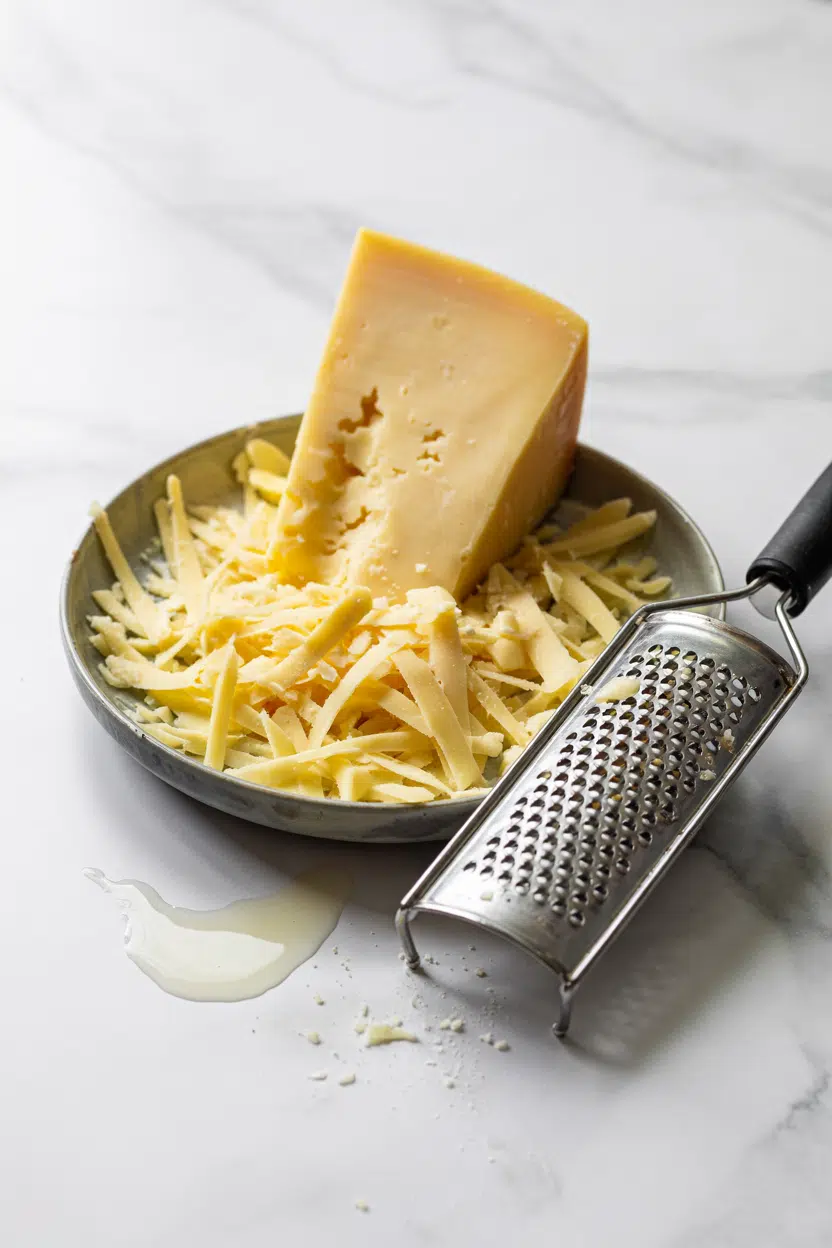
Young Edam tastes mildly nutty and lightly salty, with a faint buttery quality and the occasional ghost of something fruity - almost like a hint of dried apricot at the edge. It's close to young gouda in profile, though less creamy and a little leaner on the palate. If you enjoy using cheddar cheese for creaminess in recipes, Edam gives you a similar mild savory note with noticeably less richness.
As Edam ages, its flavor concentrates and sharpens. The nuttiness deepens, saltiness becomes more pronounced, and the texture shifts from springy to crumbly.
How to Use Edam Cheese
Edam earns its place on a Dutch-style lunch plate alongside rye bread, pickled gherkins, and cured ham - a combination that appears across Northern European kitchens.
In the Netherlands, it's a daily staple, and it features heavily in christmas food in netherlands guide spreads alongside mustard and seasonal breads.
Sliced thin, it fits naturally into a ham-and-mustard sandwich. Melted, it behaves well over gentle heat without turning greasy or breaking - a useful quality for grilled sandwiches, quiches, and savory tarts.
Edam also works in fondue blends where you need body without an overpowering flavor, and it grates cleanly over boiled potatoes or a simple bowl of soup.
For cheese boards, pair Edam with crisp apples or pears, red grapes, and whole-grain mustard. It also sits well beside a light-bodied riesling or a crisp lager.
On the cooking side, edam cheese stand-ins like young gouda or havarti behave similarly if Edam isn't available, while gouda cheese in dairy recipes covers fuller-fat swaps when richer melt is needed.
| Method | Best For | Tip |
|---|---|---|
| 🥗 Cold Sliced | Sandwiches, cheese boards, lunch plates | Slice thin for sandwiches; thicker for boards |
| 🍳 Melted | Grilled cheese, quiches, savory tarts | Use low heat - Edam melts cleanly without grease |
| 🫕 Fondue Blend | Adding body to fondue without overpowering | Combine with a sharper cheese for balance |
| 🧂 Grated | Topping soups, potatoes, baked dishes | Aged Edam grates cleaner and adds more flavor |
How to Buy and Store Edam Cheese
Look for wedges with a smooth, intact wax rind - no cracks, no wet patches on the cut surface. Press the cheese gently; young Edam should have slight give without feeling soft or sticky.
Avoid pre-grated Edam where possible, as it dries out quickly and loses its springy texture.
Store cut wedges in an airtight container in the fridge, where they'll last 2-3 weeks.
Whole waxed rounds hold at cool room temperature for short periods, but refrigerate them for any storage beyond a few days.
Grated Edam should be used within 5-7 days - for full guidance on keeping edam cheese fresh, the shelf-life breakdown covers every format.
Unlike fresh dairy (see how long milk keeps for comparison), waxed Edam has considerably more staying power.
Start With the Slice
Young Edam is where most people should begin - mild enough to suit almost anyone, firm enough to hold up on a board or in a sandwich. Once you've tried it cold, melt it once over low heat and see how cleanly it behaves.
If you want more punch, step toward an aged Edam or reach for gouda. If you want it even gentler, havarti is the closer call.
Edam rarely disappoints - it just asks you to let it play its role without competition.
Frequently Asked Questions
They're close but not identical. Edam is made from part-skimmed milk, so it's leaner and milder than young gouda, with less creaminess on the palate. Both share a nutty, buttery character that intensifies with age.
Young Edam is mild - one of the gentler semi-hard cheeses available. Aged Edam (six months or more) develops a noticeably nuttier, saltier edge, but it never reaches the sharpness of aged cheddar or aged gouda.
Yes, and it melts cleanly over low-to-medium heat without turning greasy or stringy. It works in grilled sandwiches, quiches, and fondue blends - just avoid high direct heat, which can cause the fat to separate.
It contains small amounts. Aging reduces lactose content, so older Edam has less than young Edam. People with mild lactose sensitivity often tolerate it, but it's not suitable for those with severe dairy intolerance.
The red paraffin wax coating seals the cheese for export, preventing moisture loss and surface mold during transit and storage. Dutch domestic Edam typically uses yellow wax; the red coating became the international standard.



