Cornmeal does one thing no other grain does quite the same way: it brings the natural sweetness and body of dried maize into batters, coatings, and porridges without losing that distinctly toasted corn character under heat.

Whether you're looking at swapping out corn flour in a flatbread or exploring replacements for grits in a Southern breakfast, the ground grain itself is worth understanding on its own terms.
Cornmeal is dried maize ground to varying coarseness. It delivers a sweet-corn, nutty flavor with a gritty or creamy texture depending on grind and cooking method. Use it for cornbread, polenta, grits, and frying coatings. Naturally gluten-free. Stone-ground lasts 3-6 months; degerminated keeps longer.
What Is Cornmeal?
Cornmeal is dried maize kernels that have been milled into granules, with grind size determining most of its cooking behavior. It originated in Mesoamerica, where indigenous peoples ground dried corn for centuries before the grain spread globally.
Remember it later
Planning to try this recipe soon? Save it for a quick find later!
The grind size - fine, medium, or coarse - changes everything from texture to cook time. Fine cornmeal behaves closer to flour in batters; coarse cornmeal holds its granular structure through long simmers.
Color is another variable that matters for recipes. Yellow cornmeal is the most common, with a fuller flavor; white cornmeal is milder; blue cornmeal, milled from blue maize, carries a slightly nuttier, earthier edge.
Regional names reflect how the same grain gets used differently across cultures:
- 🌽 Polenta - Italian term, typically coarse-ground yellow cornmeal boiled into porridge
- 🍚 Grits - Southern U.S. staple, often white cornmeal, stone-ground or hominy-based
- 🫔 Masa harina - a different product entirely, made from nixtamalized corn with a distinct lime-treated flavor
- 🌾 Maize meal - common name in parts of Africa and the Caribbean for similar ground corn products
Masa harina and cornmeal are not interchangeable - understanding masa harina and its flavor makes that distinction clear.
What Does Cornmeal Taste Like?
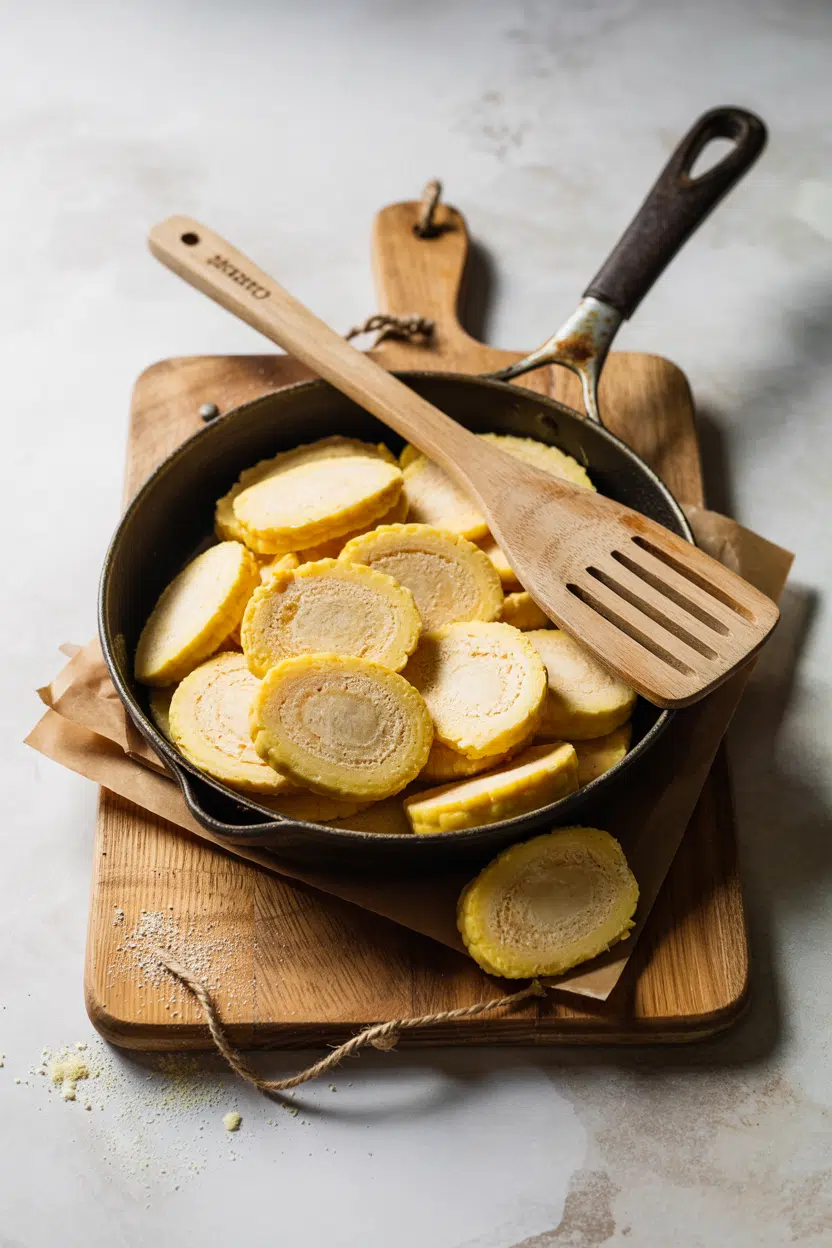
Raw cornmeal smells mildly sweet with a warm, dusty corn note. Cooked, it opens up into something closer to roasted corn - toasty, slightly nutty, and gently earthy.
It tastes less like fresh sweet corn and more like a corn tortilla or a dried corn kernel - drier in sweetness, with more grain-forward depth. The sweetness doesn't disappear under heat; it just becomes more subdued and toasted.
Stone-ground cornmeal retains the germ and hull oils, which adds a richer, slightly more complex flavor compared to degerminated varieties. Toasting dry cornmeal in a skillet before adding it to a recipe deepens those nutty notes noticeably.
How to Use Cornmeal
Cornmeal earns its place across several distinct cooking roles, and the grind size guides which role it fills. Fine or medium grind works for baked goods; coarse grind belongs in long-cooked porridges.
In Southern U.S. cooking, cornbread and grits anchor the grain's identity - and knowing the taste of grits helps explain why grind and water ratio matter as much as they do.
Polenta in northern Italian cooking follows similar logic with coarse yellow cornmeal simmered low and slow. Caribbean and West African porridges use maize meal in much the same way.
| Method | Best For | Tip |
|---|---|---|
| 🍞 Baking | Cornbread, muffins, skillet breads, flatbreads | Use fine or medium grind; mix with a binder like egg or buttermilk |
| 🍲 Boiling | Polenta, grits, porridge | Use coarse grind; stir frequently and allow 20-40 minutes for full creaminess |
| 🍳 Frying | Breading for fish, chicken, okra | Medium grind gives the best crunch without burning before the interior cooks |
| 🍕 Dusting | Pizza peels, baking sheets, bread proofing | Coarse grind prevents sticking and adds crunch to crust bottoms |
Cornmeal pairs well with butter, sharp cheddar, buttermilk, and honey in baked applications. For savory dishes, smoked meats, roasted vegetables, and chili bring out the earthy notes.
Herbs like thyme or chives cut through the richness of polenta or grits effectively.
Recipes that call for a masa or corn tortilla flavor require nixtamalized masa harina, not plain cornmeal - a common mix-up worth avoiding.
If you need to swap the grain out, cornmeal swaps that work covers what holds up in different applications.
A good place to put coarse-ground cornmeal to immediate use is a bowl of cornmeal grits with shrimp and eggs alongside the dishes it naturally anchors.
How to Buy and Store Cornmeal
At the store, the key choice is between stone-ground and degerminated cornmeal. Stone-ground retains the germ, giving fuller flavor and more fiber - but the natural oils mean it goes rancid faster.
Degerminated cornmeal has the germ removed, which extends shelf life significantly.
Check the color and smell before buying. Yellow, white, and blue varieties each suit different recipes.
Any oily or off smell indicates oxidized fats - skip it.
Storage method depends on which type you have. For guidance on storing cornmeal correctly, the approach differs enough between stone-ground and degerminated that it's worth confirming before you buy in bulk.
- 🧊 Stone-ground, opened - refrigerate in an airtight container; use within 3 months or freeze up to 1 year
- 📦 Degerminated, unopened - cool, dark pantry shelf; lasts many months past purchase date
- 🔒 All types - keep away from moisture; any clumping signals humidity exposure
Start With the Right Grind
If you're new to cooking with cornmeal, medium-grind yellow cornmeal is the entry point. It handles cornbread without becoming dense, works as a frying coating, and bridges the gap between fine and coarse applications.
Once you've used medium grind, move to coarse for polenta or grits - where replacements for polenta show just how central that grind texture is to the final dish.
Stone-ground is worth seeking out when flavor is the priority; degerminated works when shelf life and convenience matter more.
Frequently Asked Questions
Masa harina is made from nixtamalized corn - dried kernels soaked in an alkaline lime solution before grinding. That process changes the flavor, nutrition, and texture entirely. Plain cornmeal cannot replicate it in tamales or corn tortillas.
Yes, but drier and more toasted than fresh corn. The sweetness is present but subdued, closer to a corn tortilla than a cooked cob. Cooking brings out a nutty, earthy depth that raw kernels don't have.
Medium grind is the standard choice - it gives a slightly textured crumb without being gritty. Fine grind produces a softer, more cake-like result. Coarse grind is too rough for most cornbread recipes.
Cornmeal is naturally gluten-free. However, cross-contamination during milling is possible if the facility also processes wheat. Anyone with celiac disease should look for a certified gluten-free label.
Not as a direct one-to-one swap. Cornmeal lacks gluten, so a full substitution produces a crumbly, dense loaf. Most cornbread recipes use a partial blend with wheat flour or eggs and buttermilk to compensate.