Masa harina is the ingredient that makes corn tortillas possible without a corn grinder or a day's worth of prep. Nixtamalized corn flour - dried and finely ground - is what you hydrate, knead, and press into the dough that Central American and Mexican kitchens have relied on for generations.
Unlike plain corn flour replacements, masa harina carries a distinct alkaline character that no other flour replicates.
Masa harina is a dried nixtamalized corn flour used to make tortillas, tamales, and pupusas. It has an earthy, nutty flavor with a mild alkaline tang. Just add water to hydrate into workable dough. Naturally gluten-free and shelf-stable up to a year.
What Is masa harina?
Masa harina comes from Mesoamerica, where nixtamalization - the process of soaking dried corn in an alkaline solution of calcium hydroxide (lime) - has been practiced for thousands of years. That treatment transforms hominy from simple starch into something nutritionally and chemically different.
Remember it later
Planning to try this recipe soon? Save it for a quick find later!
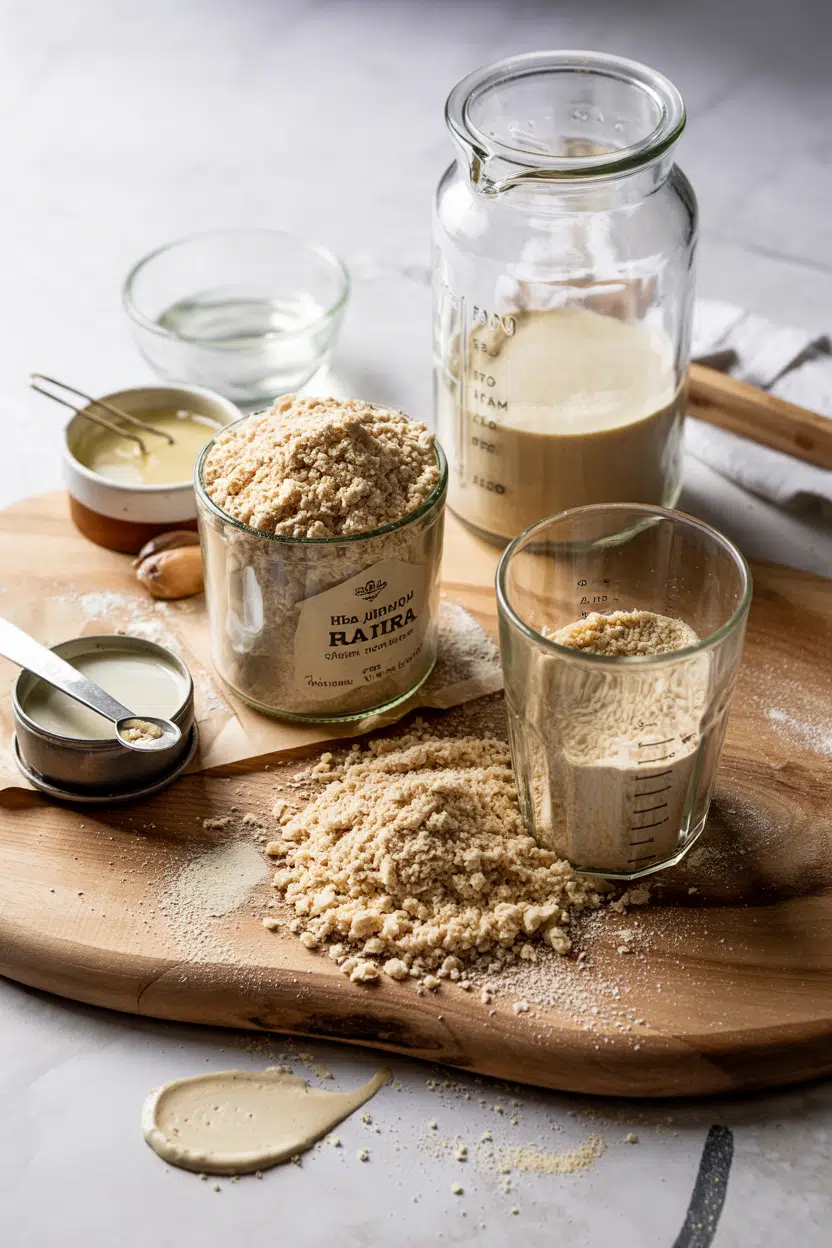
The treated corn is then dried and ground into the fine, pale off-white powder sold as masa harina.
You might see it labeled masa flour, masa de maíz, or just "corn masa harina." Don't confuse it with cornmeal, which skips nixtamalization entirely and lacks the alkaline character that defines this flour.
Several varieties exist: white corn masa harina is the most common, blue corn versions offer a slightly deeper, earthier note, and yellow corn falls somewhere between the two.
The nixtamalization step is what separates this flour from everything else on the shelf. It unlocks bound niacin, adds calcium when lime residues remain, and restructures the corn's starch so it binds into pliable dough without any gluten.
What Does masa harina Taste Like?
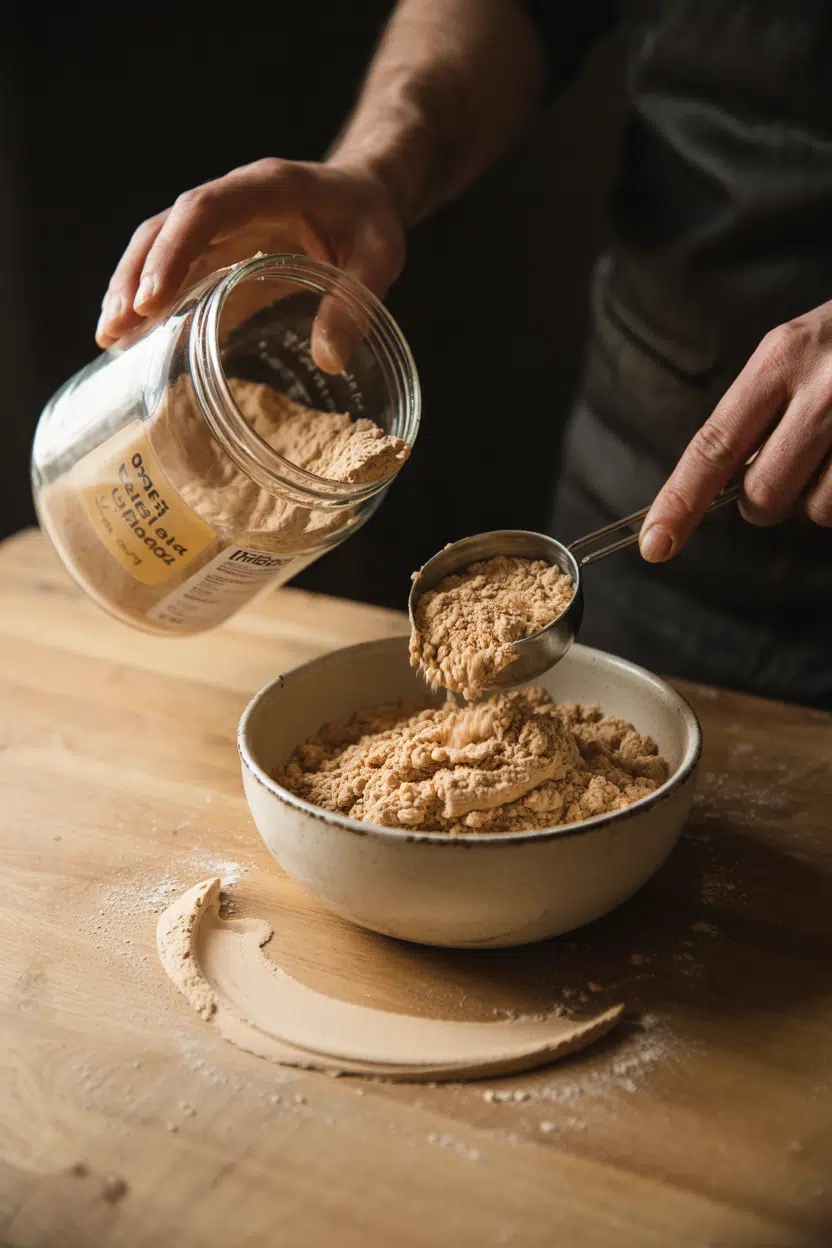
Masa harina has a moderate intensity that's distinctive but not aggressive. Dry from the bag, it smells of toasty corn with a warm, grainy note.
Once hydrated and cooked, that aroma deepens into something closer to a fresh corn tortilla - earthy and faintly sweet, with a nutty undertone from the nixtamalization process.
The alkaline tang is real but subtle. It's the same mild mineral note you detect in a warm tortilla straight off the comal, distinct from anything cornmeal or polenta delivers.
Cooked masa harina forms a soft, slightly gritty texture that firms as it cools.
How to Use masa harina
Hydration is the first step every time. Add warm water gradually - roughly ¾ cup per cup of flour - kneading until the dough feels like soft clay and doesn't crack at the edges when pressed. A small amount of lard or vegetable shortening worked into tamale dough adds richness and improves the texture once steamed.
From there, the applications branch widely. Tortillas go straight onto a hot comal or cast-iron pan - no oil needed, two minutes per side.
Tamales require a softer, more enriched dough that steams inside corn husks for 60-90 minutes. Pupusas and gorditas are thicker, formed by hand and griddled until the outside crisps and the inside stays tender.
| Method | Best For | Tip |
|---|---|---|
| 🫓 Griddle | Corn tortillas, pupusas, gorditas, sopes | Medium-high heat, dry comal; flip when edges lift |
| ♨️ Steam | Tamales, masa dumplings | Add lard or shortening for a lighter, tender crumb |
| 🍳 Pan-fry | Corn cakes, tlacoyos, masa patties | A thin film of oil gives a crispier crust than dry-griddling |
| 🥣 Stir in | Thickening pozole-style stews, corn batters | Whisk into warm liquid first to prevent lumps |
Masa harina pairs naturally with fresh chiles like ancho, guajillo, and jalapeño, as well as cotija or queso fresco, black beans, lime, and salsa verde. It anchors Mexican, Salvadoran, Honduran, and Guatemalan kitchens equally.
If you're building a filling-based dish, pairings for tamales is worth a look for pairing ideas.
How to Buy and Store masa harina
Read the label carefully. The bag should say "nixtamalized" or "masa harina" - not simply cornmeal, corn flour, or fresh masa. A fine, pale off-white powder with a fresh corn aroma is what you want. Avoid bags with hard clumps (a sign of moisture exposure) or any sour, musty smell.
Storage is straightforward:
- Pantry (unopened) - keeps 6-12 months in a cool, dry spot away from direct light
- Pantry (opened) - 6-9 months in an airtight container; check for off-odors before use
- Refrigerator - extends shelf life in humid climates; bring to room temperature before hydrating
For a full breakdown of signs of spoilage and whether refrigeration is worth it, the masa harina freshness guide guide covers it in detail.
Start Here
New to masa harina? Make tortillas first. The ratio is simple, the cook time is under five minutes, and nothing demonstrates the flour's character faster than a fresh tortilla off a hot pan.
Once that clicks, tamales and pupusas follow the same logic - just more water, more fat, and more time.
If you can't find it locally or need a workaround, masa harina alternatives lists what actually works and what doesn't. For the best results, though, there's no real shortcut - this flour is the ingredient.
Frequently Asked Questions
No. Cornmeal is ground from untreated dried corn and won't hydrate into dough. Masa harina is made from nixtamalized corn, giving it a distinct alkaline character and the binding properties cornmeal lacks.
Masa harina is naturally gluten-free. However, cross-contact during processing is possible, so check the label if you have celiac disease or a serious gluten sensitivity.
Add warm water gradually - start with ¾ cup per cup of flour - and knead until the dough holds together without cracking. Let it rest for five minutes before pressing or shaping.
Nixtamalized corn is dried corn soaked and cooked in an alkaline solution, traditionally calcium hydroxide (lime). The process softens the kernels, loosens the hull, and increases the bioavailability of niacin and calcium.
Not as a direct swap. Masa harina produces corn tortillas, not flour tortillas - the texture, flavor, and hydration ratio are all different. Use it specifically when you want nixtamalized corn flavor and a gluten-free result.