
Ginger ale shows up in a whiskey highball, in a nauseous traveler's tray, and in a quiet glaze over braised pears - few drinks cross that many contexts.
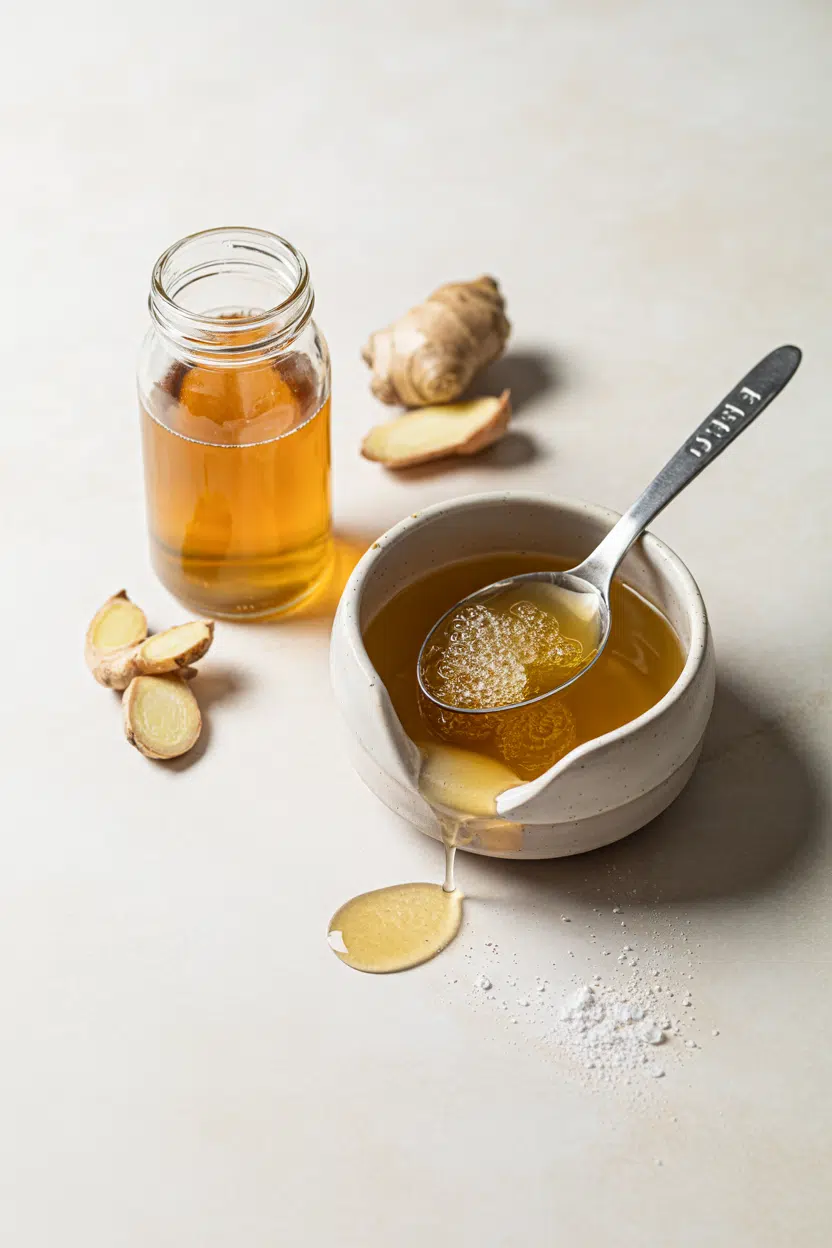
Unlike club soda's flavor and uses, which stays neutral by design, ginger ale brings a mild, sweet spice that actually interacts with food and spirits.
Understanding where that interaction pays off is what separates a good pour from a wasted one.
Ginger ale is a carbonated soft drink with mild ginger warmth and a sweet citrus backbone. Available in dry (lighter) and golden (spicier) styles, it works as a standalone soda, a cocktail mixer, and a light cooking ingredient. Opened bottles last 48-72 hours before carbonation fades.
What Is Ginger Ale?
Ginger ale is a carbonated soft drink made from carbonated water, a sweetener - sucrose or high-fructose corn syrup - and ginger flavoring or extract.
Remember it later
Planning to try this recipe soon? Save it for a quick find later!
Modern commercial production took hold in North America, though the drink's roots trace back to Caribbean and European ginger beverages from earlier centuries.
Two distinct styles dominate the market. Dry ginger ale is pale, mild, and lightly sweet - the style most associated with big brands like Canada Dry. Golden ginger ale, associated with brands like Vernors, runs darker, spicier, and more pronounced in actual ginger character.
You'll also see it labeled as ginger soda or dry ginger ale depending on the producer.
Unlike real ginger root - where ginger in cooking brings sharp, peppery heat - most commercial ginger ale uses flavoring that softens and sweetens the profile considerably.
- 🧴 Dry style - light, clear, mildly sweet; the default mixer in most bars
- 🟤 Golden style - darker, fuller-bodied, spicier; closer to craft ginger beer territory
- 🌿 Craft versions - often use real ginger extract for a sharper, more herbal bite
What Does Ginger Ale Taste Like?
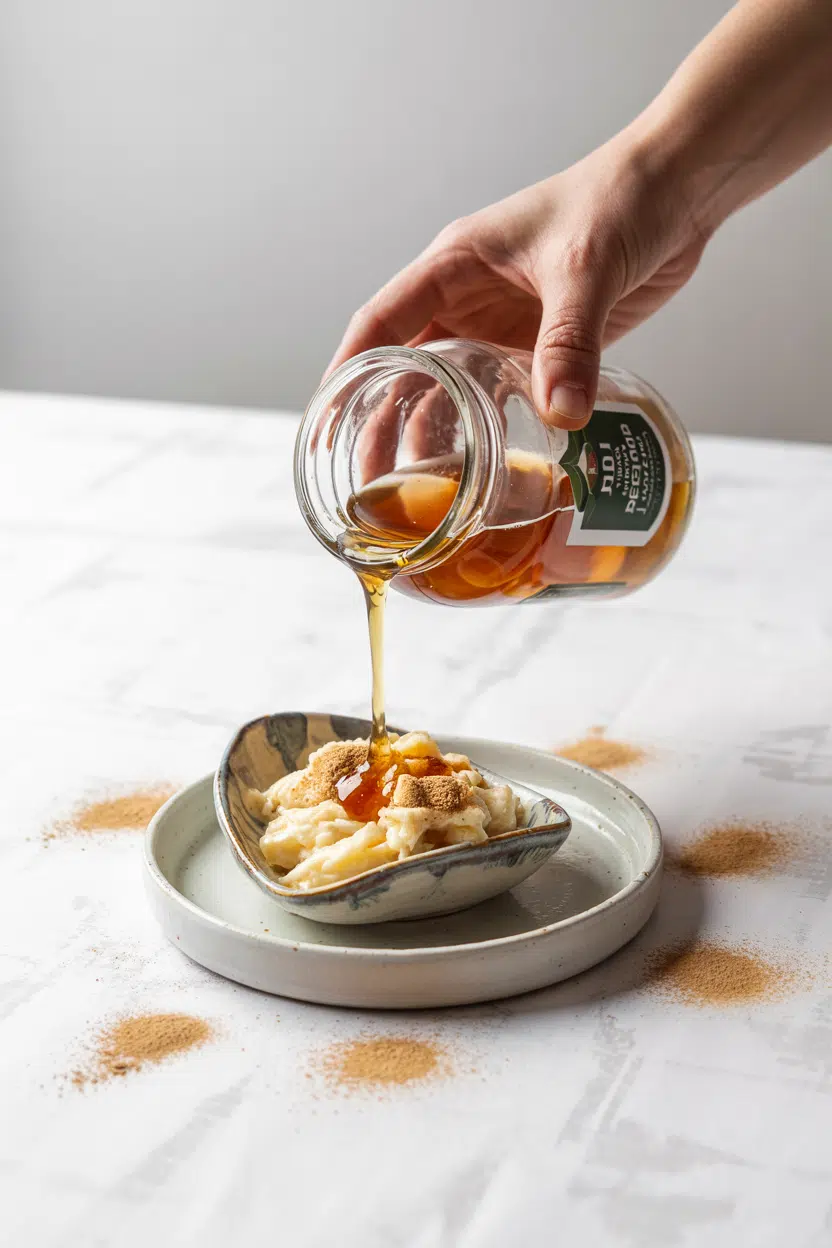
Ginger ale lands somewhere between candied ginger in soda form and a diluted ginger beer. The sweetness hits first, followed by a mild spicy warmth - never hot, never aggressive.
Compared to ginger beer, ginger ale is noticeably softer - less bite, more bubble, and a sweeter finish. The citrus note comes primarily from added flavoring rather than actual juice, which keeps it bright but thin.
Reduced into a glaze, the sweetness concentrates and the ginger character sharpens slightly. Cold, straight from the can, the effervescence dominates, making the spice feel even gentler.
How to Use Ginger Ale
Ginger ale earns its place most reliably as a cocktail mixer. A whiskey highball is the classic pairing - the drink's mild spice lifts the spirit without competing.
For anyone curious about the role whiskey plays in mixed drinks, ginger ale is one of the more forgiving partners.
Beyond the glass, ginger ale works in the kitchen more than most people expect. A gentle reduction with pear or apple slices creates a sparkling glaze that wouldn't come from plain sugar syrup.
It can also deglaze a pan after searing chicken, leaving behind a mild, sweet-ginger fond.
| Method | Best For | Tip |
|---|---|---|
| 🥤 Cold mixer | Highballs, mocktails, nonalcoholic sodas | Use chilled; add last to preserve carbonation |
| 🍳 Pan deglaze | Chicken, pork, light pan sauces | Use golden style; reduce on medium-low to prevent bitterness |
| 🍐 Fruit glaze | Braised pears, apples, sparkling glazes | Add sugar sparingly - ginger ale is already sweet |
| 🥗 Cold maceration | Quick fruit ceviche, marinades for fish | Effervescence helps tenderize; keep cold and brief |
Ginger ale also pairs well in mocktail builds with lime, mint, and cranberry juice - the carbonation provides structure where spirits normally would.
If you need a swap for a recipe, a look at ginger ale stand-ins covers the closest options.
Avoid pairing it with very spicy dishes or delicate dairy emulsions. The mildness disappears against heavy chili heat, and the carbonation can break cream-based sauces.
How to Buy and Store Ginger Ale
Dry ginger ale is the right choice for mixing - it's lighter, clearer, and won't overwhelm. Choose golden ginger ale or labels that specify real ginger extract when you want more pronounced warmth for cooking. Check cans for bloating and bottles for dents; both signal compromised seals.
Store unopened cans and bottles in a cool, dark pantry or refrigerator. Once opened, refrigerate upright with the cap secured and use within two to three days.
Craft and premium versions with real ginger may settle; a gentle swirl before pouring is fine.
Most ginger ales run high in added seasoning with sugar - sucrose or HFCS - so diet and low-sugar versions exist for those watching intake. All standard versions are caffeine-free.
Which Style to Reach For
Dry ginger ale is the default - grab it for mixing drinks, topping mocktails, or anytime you want carbonation with just a hint of spice.
Reach for golden or craft versions when the recipe needs the ginger to actually read through heat or reduction.
Knowing seasoning with tonic water vs ginger ale helps clarify when ginger ale is the right call over other carbonated mixers.
The short version: use it where mild, sweet ginger is an asset, not an afterthought.
Frequently Asked Questions
No. Ginger ale is a non-alcoholic carbonated soft drink. It contains no alcohol at any stage of production, which is why it's commonly used as a mixer alongside spirits rather than on its own as a standalone alcoholic drink.
No - ginger beer is significantly spicier and often brewed with real ginger, giving it a sharper, more peppery bite. Ginger ale is milder, sweeter, and carbonated with added CO2 rather than fermentation.
The evidence is thin. Most commercial ginger ales contain very little real ginger, so any benefit is likely from the carbonation settling the stomach rather than the ginger itself. Flat ginger ale, often recommended, removes the one mechanism that may actually help.
Considerably milder. Ginger ale registers as a gentle, sweet warmth - ginger beer can be sharp enough to cause a throat tingle. Golden ginger ale closes the gap slightly, however dry ginger ale is firmly in the mild category.
Yes, with limitations. Ginger ale works in cake syrups and glazes where its light ginger note adds background flavor. The carbonation dissipates in the oven, so it won't leaven batter - use it for flavor, not lift.



