
Doujiang - warm, lightly savory soy milk served alongside a fried dough stick - is how millions of people in China start their morning, and it's one of the clearest windows into what soy milk actually is before sweeteners and fortification get involved.

Most Western shoppers encounter it as a carton on the shelf, a replacements for milk option sitting next to oat and almond, but soy milk has a longer history and a more distinct flavor than that shelf position suggests.
Understanding it on its own terms changes how you use it.
Soy milk is a plant-based beverage made from whole soybeans. It has a mildly beany, nutty flavor with a smooth, medium body. Use it in hot drinks, soups, baked goods, and as a base for silken tofu. Shelf-stable cartons last months; refrigerate after opening and use within a week.
What Is Soy Milk?
Soy milk is made by soaking whole soybeans, grinding them with water, boiling the slurry, and filtering out the solids.
Remember it later
Planning to try this recipe soon? Save it for a quick find later!
The result is a smooth, opaque liquid - the soybean equivalent of what pressing almonds or oats produces, though the process predates both by centuries.
It originated in China, where it remains a staple known as doujiang (豆浆). From there it spread through East Asia and into Korean and Japanese food cultures, each developing their own soy-based drinks and coagulated products.
Outside Asia, it became the first widely available dairy alternative in Western markets.
You'll find it sold under several names - soya milk, soymilk, soybean milk - and in multiple formats:
- 🛒 Shelf-stable cartons - the most common form; sweetened or unsweetened
- ❄️ Refrigerated fresh soy milk - closer to traditional doujiang in flavor; shorter shelf life
- ☕ Barista-style soy milk - formulated with extra fat or stabilizers to foam and resist curdling in espresso
- 🏠 Homemade - made from dried or fresh soybeans; strongest beany character
Understanding milk's flavor and uses helps put soy milk's profile in context - it replaces dairy functionally but doesn't mimic it exactly.
What Does Soy Milk Taste Like?
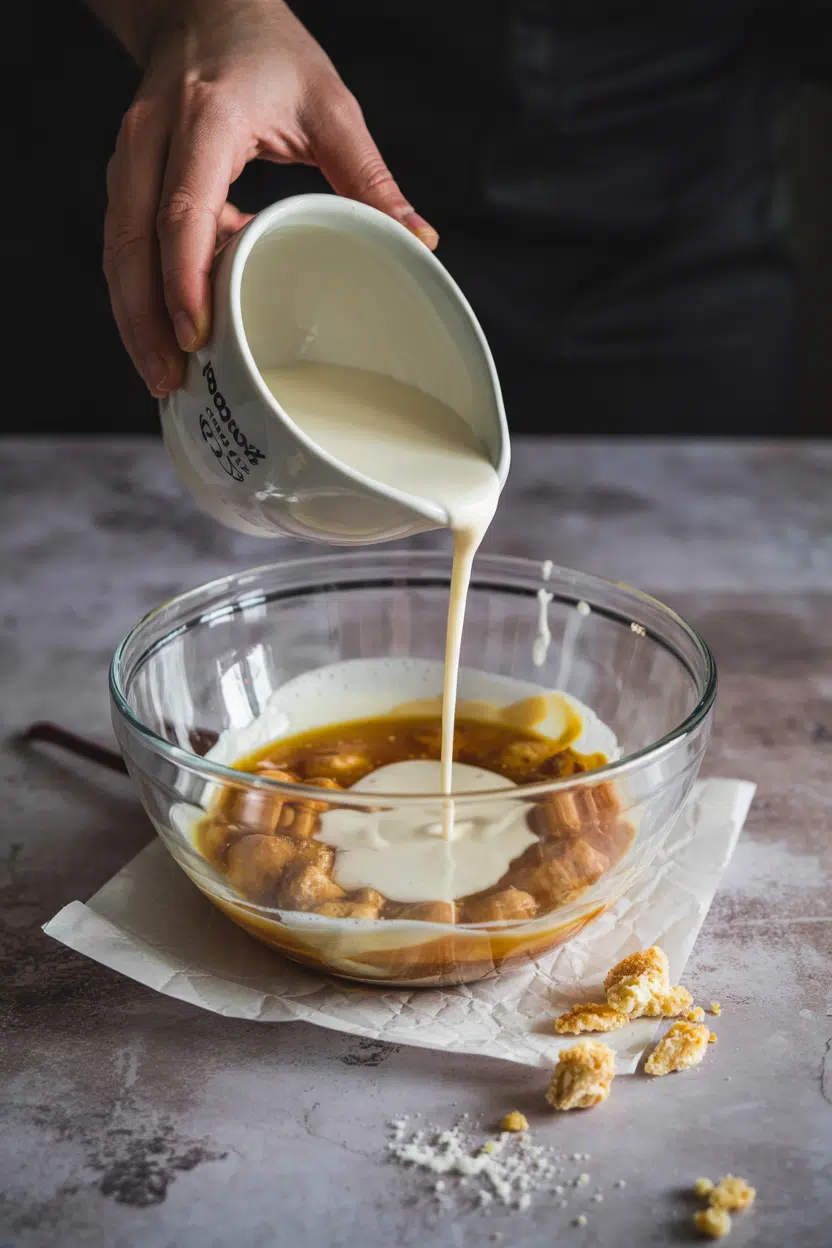
Soy milk has a mild, beany, nutty flavor with a quiet sweetness from the soybeans' natural sugars.
Unsweetened versions have a slight savory edge - earthy and green-forward - that sets them apart from the cleaner sweetness of oat or rice milk.
Heat softens the raw, grassy note and brings out a toasty quality - warmed soy milk smells noticeably different from cold.
If you've ever made swapping out silken tofu part of a recipe, you'll recognize that same mild, neutral-savory baseline in the liquid form.
Compared to almond or pea milk, soy milk has more protein-forward body - less watery, more substantial on the palate. Sweetened commercial versions taste closer to conventional low-fat milk than most alternatives.
How to Use Soy Milk
Soy milk is one of the more structurally capable plant milks - it has enough protein to hold together in heat, enough fat in full versions to create creaminess, and a flavor neutral enough to stay in the background when you need it to.
| Method | Best For | Tip |
|---|---|---|
| 🥤 Cold/Blended | Smoothies, protein shakes, cold doujiang | Use unsweetened to control sweetness of your drink |
| 🍲 Heated | Soy lattes, miso soup, Asian noodle broths | Warm gently - avoid a rolling boil to prevent skin forming |
| 🧁 Baked | Cakes, muffins, pancakes, custards | Swap 1:1 for dairy milk; add a splash of vinegar to mimic buttermilk |
| 🧊 Coagulated | Homemade silken tofu, soy pudding | Use fresh, unfortified soy milk with nigari or gypsum as coagulant |
In Chinese cooking, soy milk anchors savory doujiang - seasoned with soy sauce, chili oil, dried shrimp, and scallions, then served with youtiao. Japanese cooking uses it in sauces and soft puddings.
Korean cuisine builds on soy in drinks and bean curd preparations.
For coffee, barista-style soy milk is the right choice. Its added stabilizers prevent the curdling that plain soy milk can develop when it hits hot espresso.
For smoothies, using soy milk for creaminess alongside fruit and nut butters builds a richer texture than most thin plant milks can manage.
Soy milk pairs naturally with coffee, cocoa, vanilla, cinnamon, miso, and bananas. It holds its own in savory contexts where almond milk swaps that work often fall short due to their sweeter, thinner profile.
How to Buy and Store Soy Milk
Unsweetened soy milk is the most useful format for cooking - it works in both sweet and savory recipes without adjustment. For coffee drinks, look specifically for a barista label, which signals added stabilizers and a higher fat content for foaming.
Fresh refrigerated soy milk - often labeled "fresh" and sold near tofu - has a cleaner, more traditional flavor. Shelf-stable cartons are convenient for pantry stocking.
- 🛒 Unopened shelf-stable - store at room temperature until the printed date
- ❄️ After opening - refrigerate in the original container and use within 5-7 days
- 🥛 Fresh refrigerated - keep cold; use within 7-10 days unopened, faster once open
Knowing how to manage soy milk in dairy recipes that call for extended storage is worth checking if you're cooking in large batches and relying on milk in dairy recipes timelines as a comparison point.
Where to Start with Soy Milk
If you're new to cooking with soy milk, start with unsweetened and use it anywhere a recipe calls for dairy milk at moderate heat - soups, sauces, baked goods. That covers most situations without overthinking it.
Once you're comfortable there, try it cold in a blended drink, or warm it gently with miso paste to see how well its savory side holds up.
Barista-style soy milk earns its place only if coffee drinks are a regular use case.
Frequently Asked Questions
Yes - unsweetened soy milk delivers roughly 7-9 grams of complete protein per cup, more than any other plant milk. It contains all essential amino acids, which sets it apart from almond, oat, or rice milk.
Plain soy milk can curdle when it hits hot, acidic espresso - the proteins react with the acid. Barista-style soy milk is formulated with stabilizers that prevent this and also foam more reliably.
Yes - soy milk is entirely plant-based and contains no animal products. Check labels on fortified versions, as some brands use lanolin-derived vitamin D3; plant-sourced D2 or lichen-based D3 are vegan-safe alternatives.
Soak dried soybeans overnight, blend with fresh water, boil the mixture for 15-20 minutes, then strain through a fine cloth. The resulting liquid is fresh soy milk; the leftover solids are okara, which is edible and used in Japanese cooking.
For most people, yes - major health authorities consider moderate daily consumption safe. Soy contains isoflavones (phytoestrogens), but current evidence does not link typical dietary intake to hormone disruption in healthy adults.



