
Fine, dry, and faintly gold, corn flour carries the smell of a warm tortilla press before you've added a drop of fat. It's one of those pantry ingredients that signals a dish will taste like real corn - not artificial corn flavoring - before anything hits the heat.
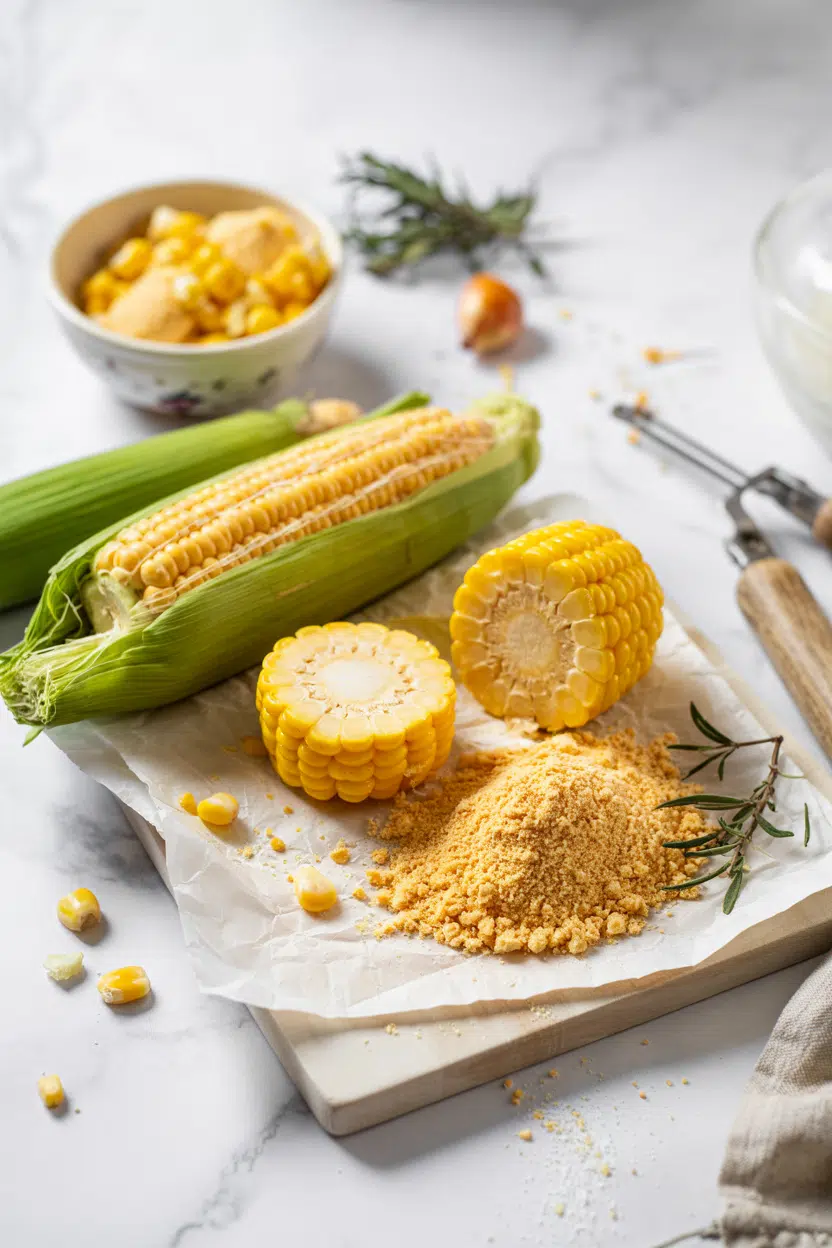
Understanding what makes it distinct from cornstarch or masa harina saves you from reaching for the wrong bag at the worst moment.
Corn flour is finely milled whole dried corn, ground to a soft, powdery texture. It delivers a mild, grainy-sweet corn flavor that deepens when cooked. Use it for cornbread, coatings, flatbreads, and thickening - not as a direct swap for cornstarch or wheat flour.
What Is Corn Flour?
Corn flour is made by milling whole dried corn kernels - including the germ, endosperm, and bran - into a fine, smooth powder.
Remember it later
Planning to try this recipe soon? Save it for a quick find later!
That whole-kernel composition is what separates it from cornstarch, which is pure extracted starch with no bran or germ, and from coarser cornmeal, which is ground to a much coarser consistency.
You'll find it sold under several names depending on where you shop. In the UK, "cornflour" almost always means cornstarch - a persistent source of confusion for bakers working across recipes from different regions.
- Corn flour / maize flour - finely milled whole corn, pale yellow or white
- Cornmeal - same source grain, coarser grind, more gritty texture
- Cornstarch - pure starch only, no fiber or germ, neutral in flavor
- Masa harina - nixtamalized corn flour, chemically distinct, not a substitute
Nixtamalization - the process of soaking corn in an alkaline solution - changes corn's flavor and nutritional profile so significantly that masa harina and corn flour behave like different ingredients in a recipe. Don't swap them without knowing the consequence.
What Does Corn Flour Taste Like?
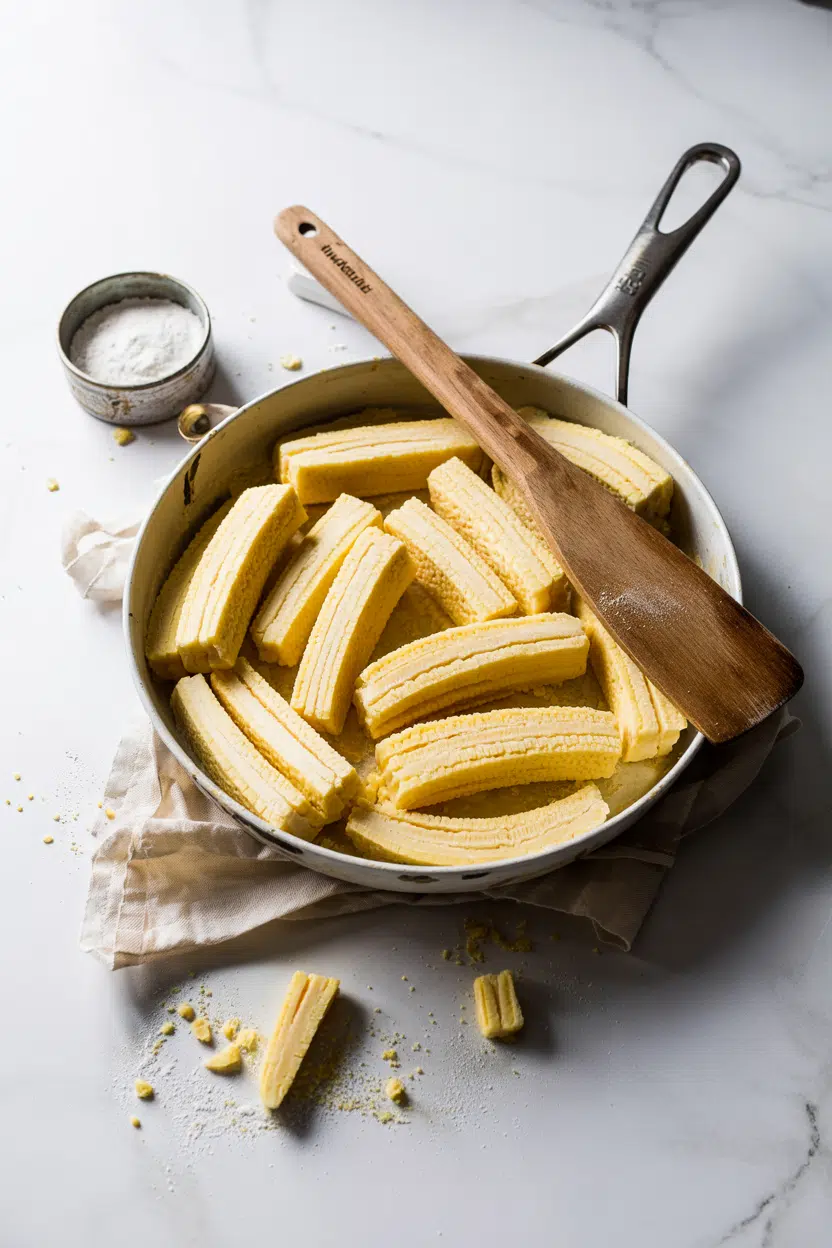
Raw corn flour smells like dried field corn - clean, slightly starchy, faintly grassy. That changes fast once heat is applied.
In a hot pan or oven, the grainy-corn note sharpens into something more toasty and rounded, closer to the outside crust of a skillet cornbread than to a fresh cob. It's less sweet than sweet corn kernels and nowhere near as neutral as wheat flour.
Think of it as sitting between the two.
Overworking a corn flour batter can also bring out a slightly gritty texture, particularly in flatbreads. Work the dough until just combined, then stop.
How to Use Corn Flour
Baking is where corn flour performs most consistently. Used alone or blended with wheat flour, it produces a tender, close crumb with a pronounced corn flavor - standard in cornbread, muffins, and hush puppies across the Southern United States and Caribbean.
Mixing it with wheat flour gives quick breads more structure while keeping that corn-forward character. A 50/50 blend works well for pancakes.
Going 100% corn flour in pancakes is possible - they'll be more fragile and noticeably denser.
| Method | Best For | Tip |
|---|---|---|
| 🔥 Baking | Cornbread, muffins, hush puppies, flatbreads | Blend with wheat flour for better rise and structure |
| 🍳 Coating & Frying | Fried chicken, fish, shrimp with a corn crust | Season the flour well - corn flavor needs salt to pop |
| 🍲 Thickening | Chili, stews, bean soups where corn flavor is welcome | Whisk into cold liquid first to prevent lumping |
| 🫓 Dry Dusting | Tortillas, griddles, pizza peels | Light hand - too much creates a raw-flour taste |
Frying with corn flour produces a crispier, more golden crust than all-purpose wheat flour alone. Smoked pork, chicken thighs, and white fish all coat well. Pair the coating with buttermilk or a jalapeño brine beforehand for maximum adhesion.
For thickening, corn flour adds mild corn flavor alongside its thickening power - which means it doesn't suit delicate sauces or custards where a neutral starch is needed. Use it in chili, bean stews, or anything already built on corn or tomato.
If you need a flavor-neutral thickener, cornstarch swaps are worth reviewing first.
Corn flour pairs naturally with butter, cheddar, honey, and buttermilk in baked goods, and with tomato, smoked pork, and jalapeño in savory applications.
How to Buy and Store Corn Flour
Look for bags labeled "corn flour" or "maize flour" with a uniform pale yellow or white color and a soft, powdery feel through the bag. Dark specks, clumping, or a flat stale smell are signs of age or moisture exposure - skip those.
Once opened, transfer corn flour to an airtight container immediately. Pantry storage works for 3-6 months; refrigerating or freezing extends that significantly.
For a full breakdown of how different flour storage life timelines compare, it's worth checking before you stock up. Corn flour's shelf life runs shorter than refined wheat flours because the germ - retained from the whole kernel - contains oils that go rancid over time.
Where to Start With Corn Flour
Corn flour rewards a simple entry point: skillet cornbread. One bake tells you everything about its flavor, crumb texture, and how it behaves with fat and dairy.
From there, use it as a partial replacement in pancake batters, then try it as a frying coat. If a recipe calls for it but you're short, corn flour replacements can bridge the gap without abandoning the dish.
The more you cook with it, the easier it becomes to place corn flour's distinct flavor exactly where it belongs.
Frequently Asked Questions
No. Corn flour is milled from whole dried corn kernels and retains fiber, germ, and flavor. Cornstarch is pure extracted starch - neutral in taste, with no fiber or germ. They thicken differently and are not interchangeable in most recipes.
Grind size. Both come from dried whole corn, but cornmeal is coarser, producing a grittier texture in baked goods. Corn flour is ground fine enough to feel powdery, giving a smoother, more tender crumb.
Yes, pure corn flour contains no gluten. However, cross-contamination at the mill is a real risk - check for a certified gluten-free label if you're cooking for someone with celiac disease.
Not as a direct one-to-one swap. Corn flour has no gluten, so baked goods won't rise or hold structure the same way. Blending it with a gluten-containing or binding flour gives better results than substituting fully.
It adds a pronounced toasty corn flavor and a slightly denser, more tender crumb than wheat-only versions. The crust browns more deeply, and the interior stays moist without tasting starchy or gummy.



