
You spot it at the grocery store - soft, slightly puffy, with visible scorch marks across its surface - and it looks nothing like the sliced bread a few shelves over. Naan bread sits in a category of its own among leavened flatbreads: enriched with yogurt or milk, baked at intense heat, and finished with a brush of ghee or butter that gives it a richness most breads don't have.
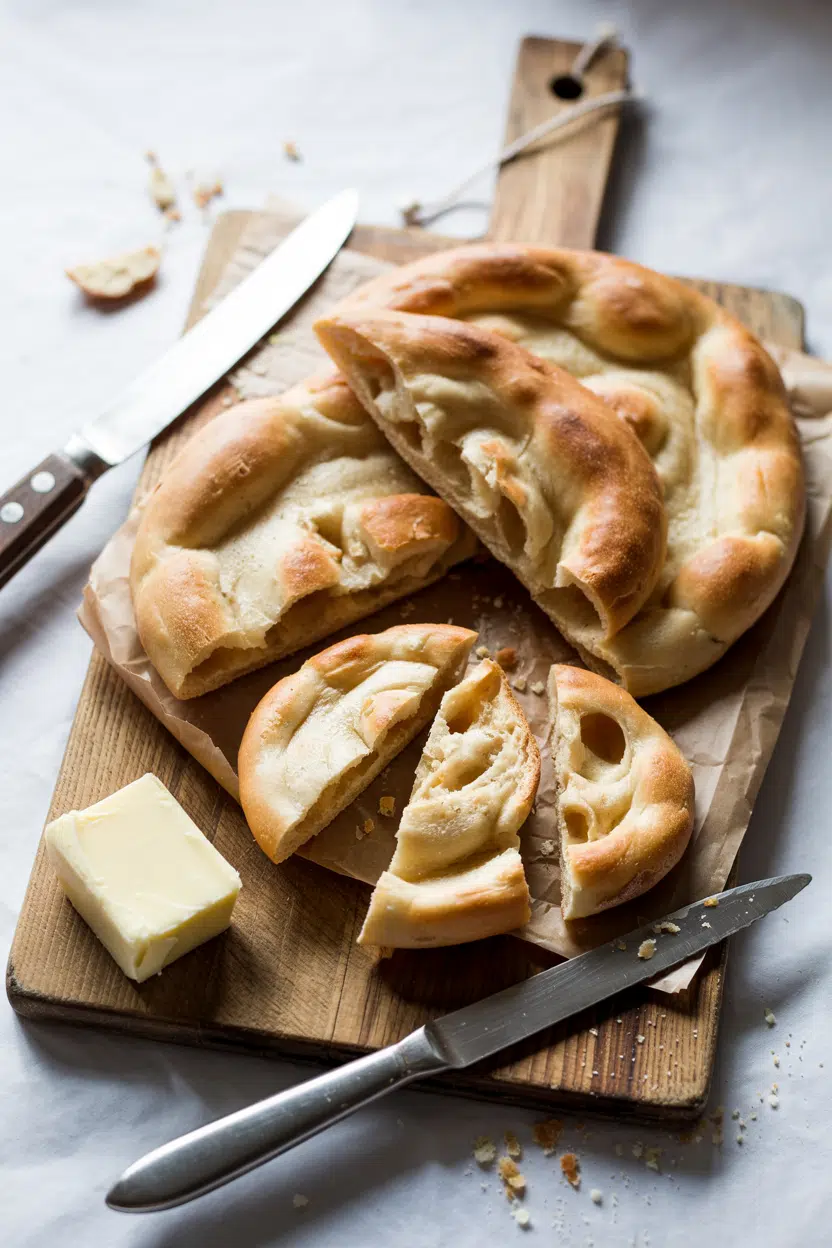
Understanding what makes it distinct helps you use it well.
Naan is a soft, leavened flatbread from the Indian subcontinent - chewy, mildly tangy, and rich from ghee or butter. It's traditionally baked in a clay tandoor oven, which gives it signature charred blisters. Best with curries, dips, or kebabs. Fresh naan lasts 1-2 days at room temperature.
What Is naan bread?
Naan is a leavened flatbread originating from the Punjab region of the Indian subcontinent, now central to North Indian, Pakistani, and Afghan cooking. The word itself simply means "bread" in several South and Central Asian languages.
Remember it later
Planning to try this recipe soon? Save it for a quick find later!
What sets naan apart from other flatbreads is its enriched dough. Traditional recipes use all-purpose flour (maida), yogurt, milk, a little oil or ghee, and either yeast or baking powder as the leavening agent - sometimes both.
That combination produces a dough that's softer and richer than most flatbreads.
The defining cooking method is the tandoor, a cylindrical clay oven that reaches temperatures above 480°C (900°F). Bakers slap the raw dough directly onto the inner wall, where it bakes in under two minutes, puffing and charring into its signature blistered shape.
Home cooks and restaurants without a tandoor use a cast-iron skillet or tawa at high heat, or a broiler, to approximate that char.
Common variations include garlic naan, stuffed with minced garlic and herbs; butter naan, finished generously with melted butter; and peshwari naan, filled with nuts and dried fruit.
What Does naan bread Taste Like?
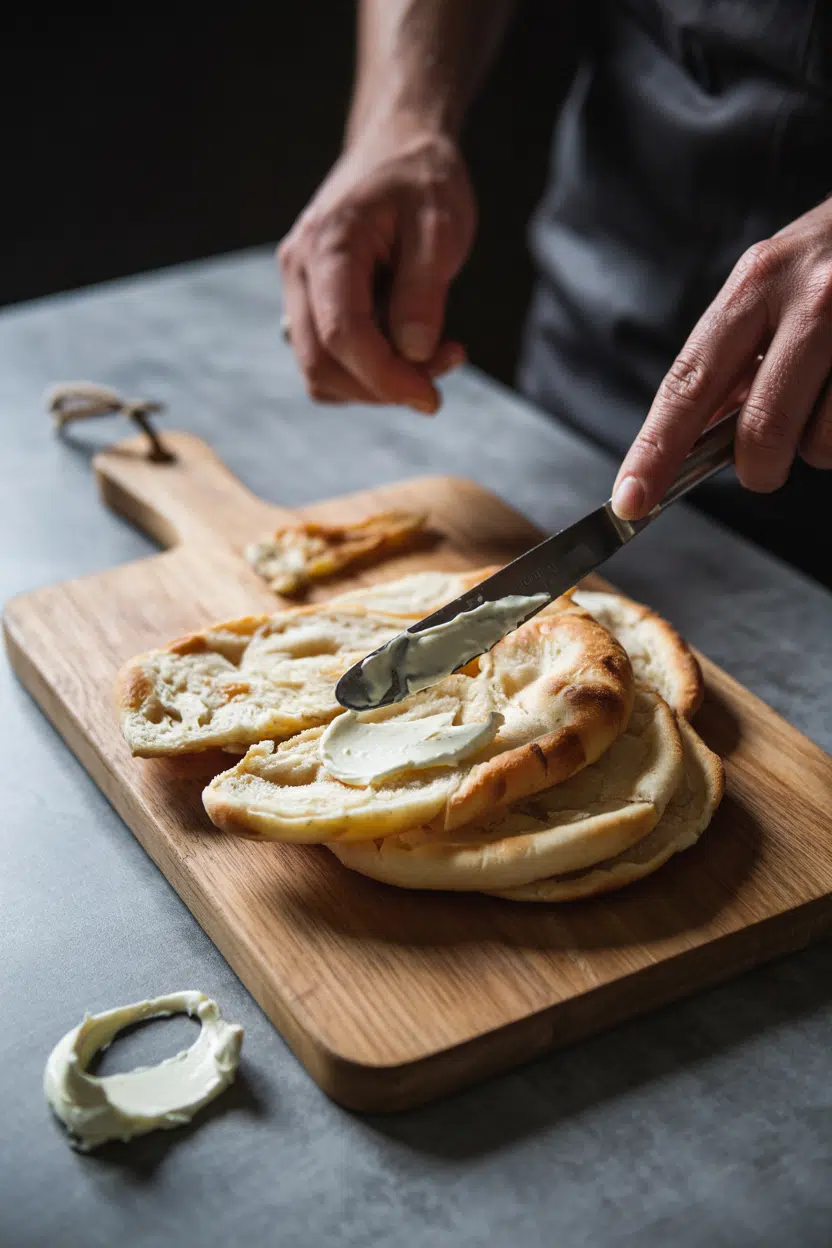
Naan has a flavor that's mild but layered. The yogurt or fermented starter in the dough contributes a gentle tang - noticeable but not sharp, closer to a mild sourdough note than anything acidic.
Underneath that tang sits a slight sweetness from the wheat flour and milk, which keeps the bread from tasting austere. Then there's the finish: a brush of ghee or butter after baking adds richness that lingers across the whole piece.
Pita is the closest structural comparison, but naan is richer and tangier. Its center chew is more like focaccia.
Cold or day-old naan loses most of its smoky aroma and the edges turn leathery. A quick reheat on a dry skillet or directly over a gas flame brings back the char and softens the center again.
How to Use naan bread
Naan's structure - chewy but pliable, thick enough to hold weight - makes it genuinely useful across a wide range of meals, not just as a side bread.
Its most traditional role is as a scoop. Tear a piece and use it to pull up butter chicken, dal makhani, or paneer tikka from the plate.
The bread's body holds up to thick, saucy curries without collapsing. It also wraps well around tandoori meats and kebabs, functioning as a handheld sandwich with sliced onions and mint chutney tucked inside.
Beyond Indian cooking, naan works well as a flatbread pizza base - its thickness holds toppings better than thin pita, and the existing char on the surface adds depth. Toast it briefly under a broiler with toppings, and it's done in under five minutes.
| Method | Best For | Tip |
|---|---|---|
| 🫓 Torn | Scooping curries, dipping in raita or chutney | Tear across the grain for wider, sturdier pieces |
| 🔥 Skillet-heated | Wrapping kebabs, reheating leftovers | Dry skillet, 30 seconds per side - no oil needed |
| 🍕 Oven-baked | Flatbread pizza base, topped and broiled | Broil at high heat; naan is thick enough to hold toppings |
| 🌮 Wrapped | Handheld kebab wraps, naan sandwiches | Warm first so it bends without cracking at the edges |
Avoid pairing naan with very watery broths - the bread goes soggy fast and loses its texture advantage. For a version made from scratch, this homemade naan recipe walks through the full process.
How to Buy and Store naan bread
Good naan has visual tells. Visible blistering and slight charring on the surface indicate proper high-heat baking - a pale, uniformly beige naan has likely been baked at too low a temperature and won't have much flavor.
Give packaged naan a gentle squeeze; it should feel soft but springy, not dense or stiff.
On packaged naan, check the ingredient list for yogurt or milk, which confirms traditional enrichment. Check the best-by date carefully - packaged naan has a shorter margin than most bagged breads.
- Room temperature - Seal in a bag and use within 1-2 days. Longer than that and the edges dry out.
- Refrigerated - Airtight container keeps naan fresh for up to 7 days, though texture firms up slightly.
- Frozen - Wrap individual pieces in plastic, then place in a heavy-duty freezer bag. Good for up to 3 months with no significant quality loss.
Reheat straight from frozen on a skillet over medium heat - no thawing required.
Start With the Skillet
If you're new to naan, skip the oven entirely. A hot, dry cast-iron skillet is the fastest route to properly blistered bread at home.
Warm packaged naan for 30 seconds per side, brush with garlic butter immediately after, and serve alongside a simple dal or yogurt raita. That single combination covers what makes naan worth buying over any other flatbread on the shelf.
Frequently Asked Questions
Roti is unleavened and made from whole wheat flour, giving it a thinner, drier texture. Naan uses all-purpose flour, yogurt, and a leavening agent, making it thicker, softer, and richer. Roti is an everyday bread; naan is typically reserved for restaurant meals or special occasions in South Asian households.
The tang comes from yogurt in the dough, which contains lactic acid from fermentation. Some recipes also use a longer rest time, allowing yeast to develop additional acidity. The result is a mild sourness similar to a light sourdough - not sharp, just present.
Yes - milk or a dairy-free alternative like coconut yogurt can substitute for plain yogurt. The bread will be slightly less tangy and may have a softer rise. The core texture remains similar as long as a leavening agent is still used.
Unopened packaged naan typically lasts until its printed best-by date, often 1-2 weeks from purchase. Once opened, use within 1-2 days at room temperature or refrigerate for up to 7 days in an airtight container.
For dipping and wrapping, naan works well in place of pita - it's thicker and richer, so it holds up to heavier fillings. It won't pocket like pita does, so stuffed sandwiches need a fold-and-wrap approach instead. See [pita bread substitutes](https://forkliftkitchen.com/pita-bread-substitutes/) for a full comparison.



