
Watercress does something in a dish that mild salad greens simply can't: it pushes back. That sharp, peppery bite cuts through rich dressings, holds its own against smoked fish, and adds a fresh, water-forward edge that makes everything around it taste more awake.

It's one of the few leafy greens that functions equally well as a main salad base, a blending herb, or a last-minute soup addition - each role relying on the same assertive character.
Watercress is an aquatic brassica with a strong peppery, slightly bitter flavor. It works raw in salads, wilted into soups, or blended into sauces. Use it fresh - it softens fast and loses its sharp edge within minutes of heat. Shelf life is short: 3-7 days refrigerated.
What Is Watercress?
Watercress (Nasturtium officinale) is a semiaquatic brassica native to Europe and Western Asia, where it grows naturally in slow-moving streams and spring-fed beds.
Remember it later
Planning to try this recipe soon? Save it for a quick find later!
Today it's cultivated in irrigated channels across the UK, the US, and parts of Asia, arriving at markets as loose, delicate bunches with small round leaves and thin hollow stems.
It belongs to the same family as mustard greens and broccoli, which explains its sharp bite. Unlike most leafy greens, watercress requires flowing, oxygenated water to thrive - a growing condition that also concentrates its peppery compounds and distinctive freshness.
You may see it labeled Nasturtium officinale at specialty markets, though it's unrelated to the garden nasturtium flower. "Garden cress" is a common mislabel; those are two distinct plants with different flavors and growing habits.
- 🌱 Wild form - grows in streams; slightly more intense and bitter than farmed
- 🌱 Cultivated bunches - the standard market form; milder, with uniform leaf size
- 🌱 Micro watercress - young shoots used as a garnish; sharp flavor in a small package
What Does Watercress Taste Like?
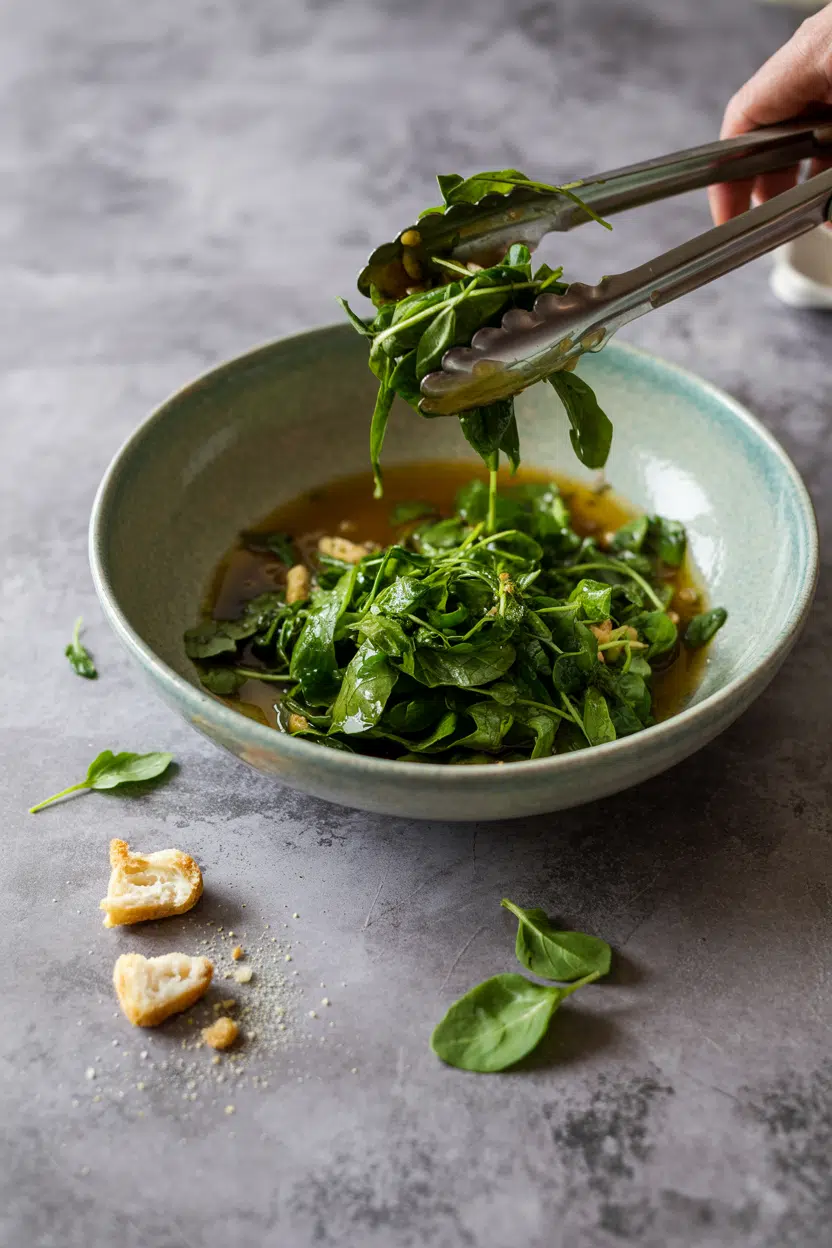
Watercress hits with a sharp, peppery front note that lands somewhere between arugula and mustard greens - but with a cleaner, more water-forward sharpness than either. There's a brightness to it that feels almost mineral, followed by a mild bitter finish that lingers briefly.
Heat changes everything. A quick sauté of 30-60 seconds softens the pepper and brings out a gentler, slightly sweet green note. Prolonged heat kills it - overcook watercress and you're left with a muddy, flat bitterness and limp texture worth avoiding.
Raw is where the full character shows. The stems have a satisfying snap; the leaves give way instantly.
How to Use Watercress
Raw applications are the most straightforward entry point. Toss the leaves into green salads where you want pepper without the dryness of arugula, or pile them onto open-faced sandwiches with smoked salmon and a squeeze of lemon. The combination of watercress and smoked fish is a classic British pairing for good reason - the bright bite cuts through the fat cleanly.
For cooked uses, watercress and potato soup is the benchmark dish. Blend cooked potato with briefly wilted watercress for a soup that holds its green color and pepper.
A quick sauté with garlic and butter makes a simple warm side - keep it under a minute and pull it immediately.
Blended applications work well too. Watercress can replace or supplement basil in a herb sauce; if you're interested in other ways to rethink pesto sauce, the peppery depth of watercress is worth experimenting with.
| Method | Best For | Tip |
|---|---|---|
| 🥗 Raw | Salads, sandwiches, grain bowls | Use leaves and thin stems; discard thick base stems |
| 🍳 Quick Sauté | Warm side dish with garlic, butter | 30-60 seconds max; high heat, then off |
| 🥣 Blended/Soup | Watercress and potato soup, vinaigrettes | Add at end of cooking; blend immediately |
| 🌿 Herb Sauce | Chimichurri-style sauces, watercress pesto | Balance with lemon juice and olive oil to soften bitterness |
Watercress pairs tightly with lemon, goat cheese, poached eggs, walnuts, and new potatoes. It also holds up in arugula salad formats - substitute half the arugula for watercress to add a wetter, brighter pepper note.
Avoid pairing it with heavy cream sauces or large amounts of sweet ripe fruit, both of which flatten its character.
How to Buy and Store Watercress
At the market, bright green and crisp are the two signals that matter most. The round leaves should be unblemished, and the hollow stems should snap rather than bend.
Smell the bunch before buying - fresh watercress is distinctly peppery and green; a sour or fermented smell means it's past its window.
Storage is straightforward. Keep the bunch unwashed in a perforated bag or wrapped loosely in a damp paper towel, then place it in the crisper drawer.
Washing early introduces moisture that accelerates decay. For a detailed breakdown of how long it lasts under different conditions, see our guide to watercress storage guide.
- Refrigerator shelf life - 3-7 days; use toward the shorter end if bought from a warm display
- Freezer - not recommended for raw leaves; texture collapses completely on thaw
- Trimming - cut only dirty root ends; unnecessary trimming exposes stems to moisture loss
Starting With Watercress
If you've cooked with spinach alternatives or mild salad greens and want more assertiveness, watercress is the next step. Start raw - a handful tossed into your next grain bowl or sandwich costs nothing and immediately shows you what the flavor does.
From there, try the potato soup. It's the format that shows watercress at its most controlled: the starch softens the pepper, the blending locks in color, and the result is a bowl that demonstrates exactly why this green has a place in serious cooking.
Anyone looking for a watercress substitute should know that arugula comes closest raw, but nothing fully replicates the aquatic sharpness.
Frequently Asked Questions
Yes. Watercress belongs to the Brassicaceae family, which includes broccoli, cabbage, and mustard greens. Its peppery sharpness comes from the same glucosinolate compounds found across cruciferous vegetables.
Yes - raw is actually the best format for full flavor. The peppery sharpness and crisp texture are most pronounced uncooked. Rinse thoroughly, especially if using wild-harvested stems.
They're separate plants. Garden cress (*Lepidium sativum*) grows in soil and has a finer, more delicate texture. Watercress (*Nasturtium officinale*) is aquatic, has rounder leaves, and carries a more pronounced peppery bite.
Keep it unwashed, wrapped in a damp paper towel, in the crisper drawer. Don't seal it airtight - watercress needs slight airflow. Used within 3-4 days, it stays crisp and sharp.
It's notably high in vitamin K, vitamin C, and beta-carotene relative to its calorie count. However, the high vitamin K content can interact with anticoagulant medications - check with a healthcare provider if that applies to you.



