
Panna cotta holds its shape on the plate, mirror glaze coats a cake in a flawless sheen, and marshmallows bounce back after every bite - gelatin is the quiet force behind all three. Most home cooks reach for it only occasionally, yet professional kitchens rely on it constantly as a gelling agent with few true rivals.
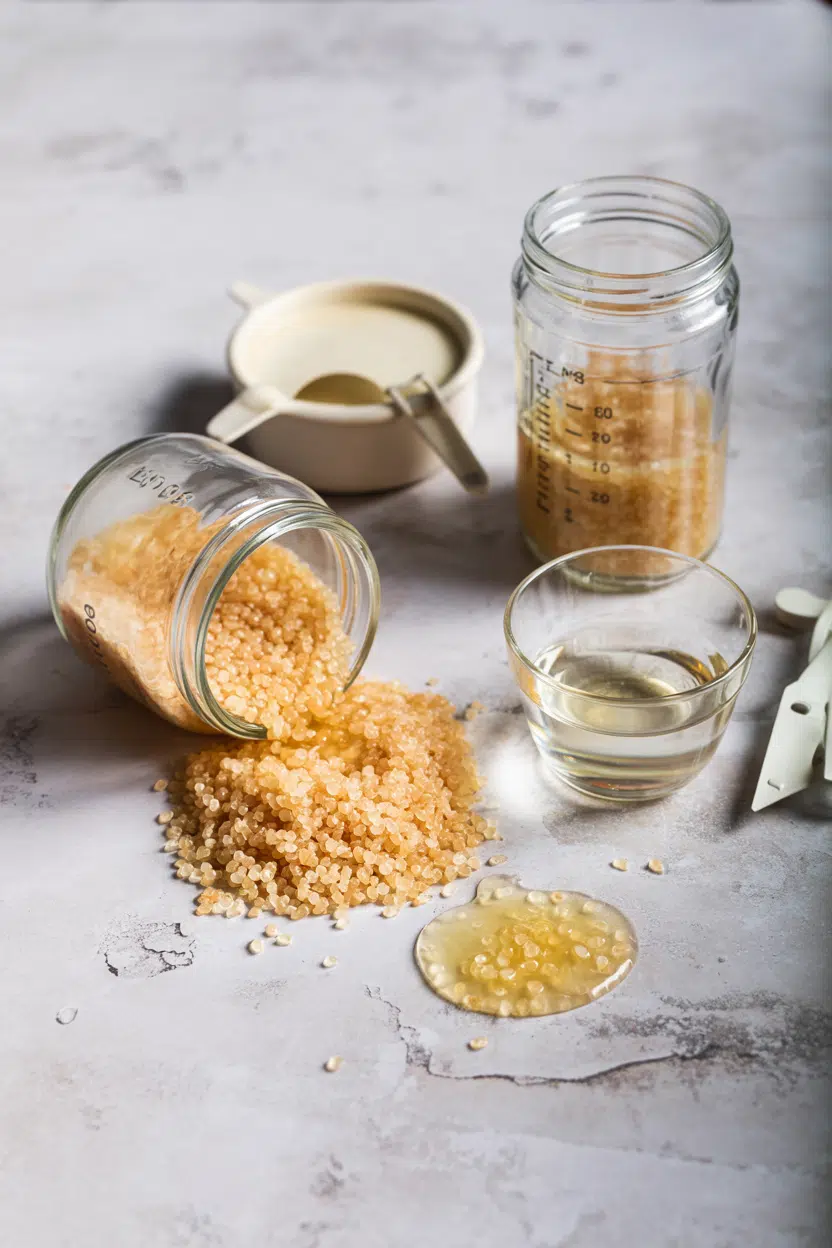
Understanding how it works makes the difference between a mousse that holds and one that weeps. Unlike cornstarch alternatives or whipped cream swaps, gelatin creates a uniquely clean, clear, melt-on-the-tongue texture nothing else replicates.
Gelatin is a colorless, nearly flavorless protein derived from animal collagen. It dissolves in warm liquid and sets to a firm, clear gel when chilled. Used in desserts, aspics, candies, and savory preparations, it's the standard thermoreversible gelling agent in professional and home kitchens alike.
What Is Gelatin?
Gelatin is an animal-derived protein extracted by boiling collagen-rich connective tissue - bones, skin, and cartilage - from cattle or pigs. The process strips collagen down to its soluble form, producing a substance that dissolves in hot water and gels on cooling.
Remember it later
Planning to try this recipe soon? Save it for a quick find later!
This behavior is called thermoreversible: the gel melts with heat and resets with cold, repeatedly. That property is what makes gelatin so useful across both pastry and savory cooking.
It comes in two main forms, each with loyal users:
- Powdered gelatin - the standard pantry form, measured by the teaspoon or packet (one standard packet sets about 500 ml of liquid to a soft set)
- Sheet (leaf) gelatin - thin, flexible leaves favored in professional pastry; results in a slightly clearer set and easier portion control
- Bloom strength - a grading system (typically 125-250) that measures gel firmness; higher bloom means a firmer set from less gelatin
Gelatin is also used in industrial food production to stabilize yogurt, clarify wine, and bind processed meats - though most home cooks encounter it only in its pure packet or sheet form.
It's worth noting that pectin, another gelling agent, works entirely differently and suits different applications.
What Does Gelatin Taste Like?
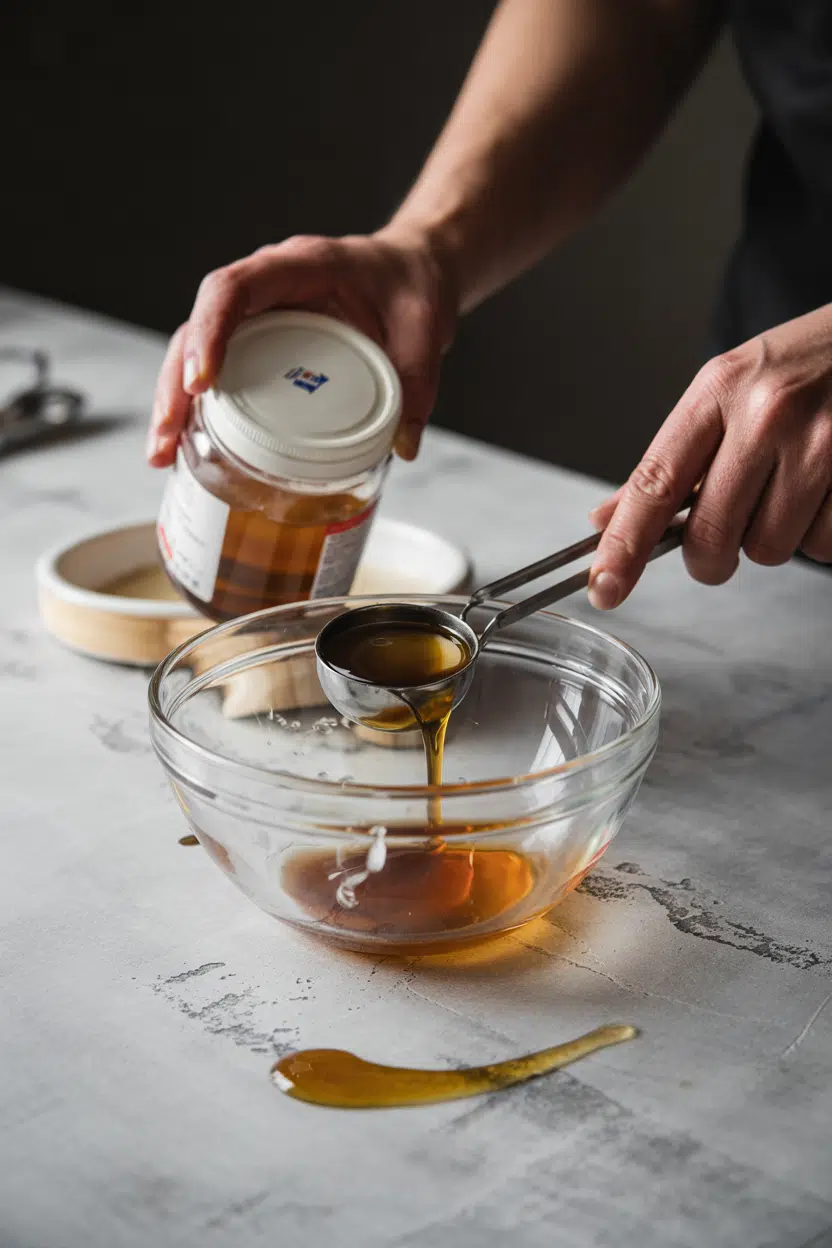
Gelatin is about as close to flavorless as a food ingredient gets. At normal working concentrations, you won't taste it at all - it functions as a structural invisible hand.
At very high concentrations - think an unseasoned aspic made with plain water - a faint musky, almost meaty undertone emerges. This resembles an extremely dilute, unsalted consommé.
In practice, the surrounding ingredients (stock, cream, fruit purée, sugar) completely mask it.
Aroma follows the same pattern. Dissolved gelatin in warm water produces a slight animal smell that dissipates once the liquid cools and sets.
Working with agar-agar produces a more detectable seaweed aroma by comparison, which is one reason some cooks prefer gelatin in neutral-flavored preparations.
How to Use Gelatin
Every gelatin preparation starts with blooming: soaking the gelatin in cold water for 5-10 minutes before adding heat. Skipping this step leads to lumps and incomplete dissolving.
For powdered gelatin, use about 60 ml of cold water per 7 g packet. For sheets, submerge them fully and squeeze out excess water before adding to warm liquid.
Gelatin performs across a wide range of techniques. Here's how those methods compare:
| Method | Best For | Tip |
|---|---|---|
| ❄️ Cold Set | Panna cotta, bavarois, mirror glaze | Chill at least 4 hours; overnight gives cleanest set |
| 🍬 Confectionery | Marshmallows, gummies, nougat | Beat into hot sugar syrup while still liquid for airy result |
| 🍖 Savory Gel | Aspic, terrines, clarified consommé | Use lightly salted stock as base; keep ratio lean for a soft set |
| 🧊 Stabilizer | Whipped cream fillings, chilled mousses | Temper dissolved gelatin into a small amount of cream first |
French pâtisserie leans on gelatin for bavarois, charlottes, and entremets that require overnight chilling. American dessert traditions use it in layered gelatin salads and fruit jellies.
Scandinavian cooking uses it to clarify and set cold fruit soups and aspics. Across all these, gelatin pairs cleanly with cream, sugar, fruit purées, and clear stocks.
Raw enzyme-rich fruits are the critical pairing to avoid. Fresh pineapple, kiwi, and papaya contain proteases - bromelain, actinidin, and papain respectively - that digest gelatin's protein chains before they can set. Cooking the fruit first denatures the enzymes and solves the problem entirely.
If you need a plant-based alternative, gelatin replacements include agar-agar and pectin, though both behave differently and require recipe adjustments. You can also explore agar-agar substitutes if you're working in reverse.
How to Buy and Store Gelatin
In the baking aisle, powdered gelatin comes in individual 7 g packets or bulk tubs. Look for fine, even granules with a translucent, pale-tan color.
Clumped or yellowed powder has likely taken on moisture. Sheet gelatin should feel flexible, not brittle, and have a consistent, glassy appearance without whitish patches.
Storage is straightforward:
- Unopened packets or sheets - store in a cool, dry pantry, away from strong-smelling foods; gelatin absorbs odors readily
- Opened powdered gelatin - transfer to an airtight container immediately; moisture is the main enemy
- Shelf life - unopened gelatin lasts 1-3 years; opened, up to 2 years if kept dry and sealed
For more detail on how long opened and unopened gelatin stays usable, see our full gelatin storage life guide.
Starting Points for First-Time Users
If you've never worked with gelatin, start with panna cotta. One packet (7 g) per 500 ml of cream gives a soft, spoonable set that's forgiving - and immediately shows you how blooming and temperature control work in practice.
From there, try a simple aspic or fruit jelly to see how the same technique scales across savory and sweet applications. Gelatin's neutrality means it stays out of the way - the recipe's other flavors lead, and the gel does its structural job quietly.
Frequently Asked Questions
At normal concentrations, no - it's effectively flavorless. Only at very high concentrations does a faint, mildly savory note appear, similar to very dilute unsalted stock. In most recipes, surrounding ingredients mask it entirely.
No. Gelatin is derived from animal collagen - typically from cattle or pig bones and skin. It is not suitable for vegetarians or vegans. Agar-agar and pectin are plant-based alternatives, though they behave differently in recipes.
Sprinkle powdered gelatin over cold water (about 60 ml per 7 g packet) and let it sit undisturbed for 5-10 minutes. It will absorb the water and swell into a soft, spongy mass before you dissolve it in warm liquid.
Not raw. Fresh pineapple contains bromelain, a protease enzyme that breaks down gelatin's protein structure before it can set. Cook or heat the pineapple first to denature the enzyme, then it's safe to use.
For a standard firm set, use about 14-16 g of powdered gelatin (two packets) per liter. A softer, spoonable set needs closer to 8-10 g. Bloom strength affects this - higher bloom gelatin requires less per liter.



