
You spot a box of cornstarch at the back of the spice cabinet and wonder if it's still any good - or, more likely, you're not sure what you bought it for in the first place. Cornstarch is one of those pantry staples that works quietly in the background, thickening a glossy stir-fry sauce, crisping a fried chicken coating, or keeping a lemon custard from weeping.

Unlike tapioca starch or potato starch, it's almost completely neutral in flavor, which is exactly why it's so useful.
Cornstarch is a fine white starch extracted from corn kernels. It's nearly flavorless, gluten-free, and used primarily to thicken sauces, crisp fry coatings, and stabilize baked goods. Shelf life runs 1-3 years depending on whether the container is open.
What Is Cornstarch?
Cornstarch - also called maize starch in much of the world - is the purified starch extracted from the endosperm of dried corn kernels.
Remember it later
Planning to try this recipe soon? Save it for a quick find later!
The process strips away the protein and fiber, leaving behind an almost pure carbohydrate powder that's bright white and extremely fine to the touch.
In the United States, some cooks confuse it with corn flour, which is whole-ground corn and has a distinctly different texture and flavor. They are not interchangeable.
In the UK and parts of Australia, "cornflour" actually refers to what Americans call cornstarch - so the name shifts depending on where you are.
Cornstarch belongs to the broader category of starch thickeners, alongside alternatives like arrowroot and potato starch. Here's how the common varieties compare:
- ⚪ Cornstarch - bright white, neutral flavor, produces a glossy and slightly opaque gel
- 🌿 Arrowroot - very similar thickening power, but clearer finish and works better in acidic sauces
- 🥔 Potato starch - thickens at lower temperatures, slightly heavier texture in sauces
- 🌾 All-purpose flour - thicker ratio needed, clouds liquids, adds faint wheaty flavor
What Does Cornstarch Taste Like?
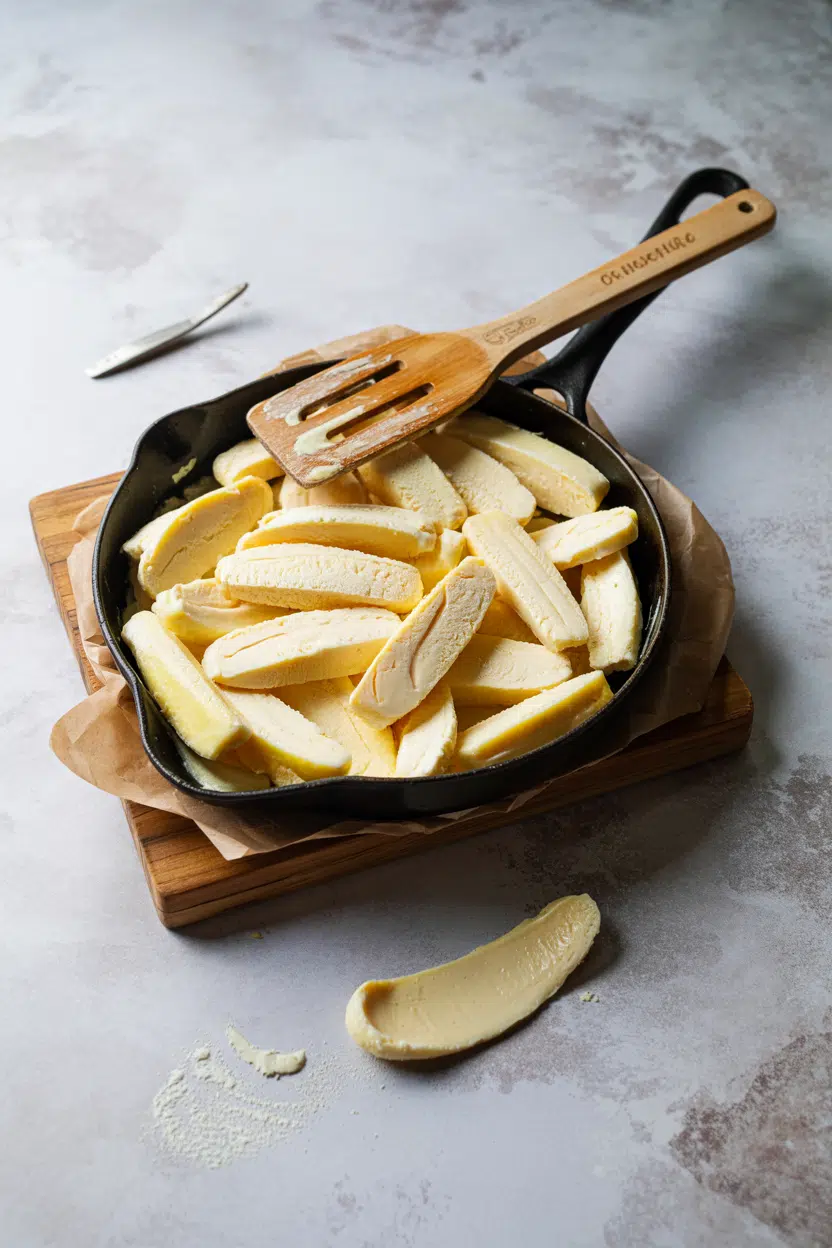
Raw cornstarch tastes like almost nothing. There's a faint, faintly sweet grain note - closer to plain white rice flour diluted in water, but milder and less detectable.
Most people wouldn't be able to identify it blind.
The more important flavor story happens during cooking. When cornstarch gelatinizes in a hot liquid, it disappears entirely into the sauce or filling.
It doesn't add a starchy or floury aftertaste the way all-purpose flour can.
One caveat: overcooking breaks the gel. Extended boiling causes starch retrogradation, where the thickened sauce thins out and turns watery - a sign the starch structure has collapsed.
How to Use Cornstarch
Cornstarch does its best work when you understand its two main jobs: thickening and coating. Each requires a slightly different technique.
For thickening, always mix cornstarch into cold liquid first to form a slurry before adding it to anything hot. Pouring dry cornstarch directly into a hot sauce creates lumps that won't dissolve.
The difference between a roux and a slurry matters here - a slurry is faster, produces a clearer finish, and is the standard method in Chinese stir-fry cooking. For coatings, toss proteins dry in cornstarch before frying to get a light, airy crust that stays crisper longer than an all-purpose flour coating.
Cornstarch also plays a supporting role in baking. Mixed into rice flour blends or wheat flour alternatives, it tenderizes the crumb and lightens the texture without adding flavor.
In custards and pie fillings, it stabilizes egg yolks and produces a clean, non-cloudy set.
| Method | Best For | Tip |
|---|---|---|
| 🥣 Slurry | Glossy sauces, gravies, soups, stir-fries | Mix 1 part cornstarch to 2 parts cold water before adding to hot liquid |
| 🍳 Dry Coating | Fried chicken, shrimp, tofu, potsticker fillings | Toss proteins dry; fry immediately for the crispest crust |
| 🧁 Baked Blends | Gluten-free cakes, shortbreads, tender pastry | Replace up to 25% of flour with cornstarch for a lighter crumb |
| 🍮 Custard Stabilizer | Lemon curd, pastry cream, fruit pie fillings | Whisk with sugar first to distribute evenly before adding liquids |
Avoid using cornstarch in high-alcohol sauces - alcohol inhibits full gelatinization and leaves the sauce thin. For acidic sauces with lots of citrus or vinegar, arrowroot powder holds up better.
How to Buy and Store Cornstarch
Look for a fine, bright white powder with no gray or yellow specks and a neutral smell when you open the container. Any off-color or damp clumps suggest moisture has already gotten in.
Buy food-grade cornstarch only - industrial grades exist and are not the same product.
Choose smaller packages if you cook with it occasionally. Once opened, transfer the contents to a sealed jar or airtight container and keep it in a cool, dry pantry.
Check your cornstarch freshness guide if you're unsure whether an old box is still good - clumping and off-smell are the main signals to toss it.
- Unopened - 2-3 years in a cool, dry pantry
- Opened - 12-24 months in an airtight container away from heat and humidity
Start With Sauces
If you've never cooked with cornstarch before, thickening a sauce is where to begin. Mix one tablespoon with two tablespoons of cold water, stir it into a simmering liquid, and watch it tighten in under a minute.
That single technique covers most of what cornstarch does well.
From there, try it in a fry coating - even a light dusting on chicken or shrimp before pan-frying makes a noticeable difference in crispness. Once you've used it those two ways, the rest of its applications follow naturally.
Frequently Asked Questions
Not in the US. Cornstarch is pure extracted starch; corn flour is whole-ground corn with a coarser texture and noticeable flavor. In the UK and Australia, "cornflour" refers to what Americans call cornstarch - the naming flips completely.
Yes, but use about half as much. Cornstarch has roughly twice the thickening power of all-purpose flour and produces a clearer, glossier result. It won't add the faint floury flavor that a roux-based sauce carries.
About 12-24 months in an airtight container stored away from heat and moisture. It doesn't spoil in a traditional sense but loses effectiveness when moisture causes clumping. A dry, sealed jar extends its usable life significantly.
Prolonged boiling breaks the starch gel - a process called retrogradation. Remove the sauce from high heat within 1-2 minutes of it thickening. Reheating a cooled cornstarch sauce can also thin it slightly.
It works, but acid weakens the gel over time. For sauces with heavy citrus or vinegar, arrowroot holds up better and stays clear longer. Use cornstarch in mildly acidic dishes and add it as late as possible.



