
Sprinkle turbinado sugar over a pan of scones before they go in the oven, and something specific happens: those large amber crystals hold their shape through the heat, cracking under a fork into a satisfying crunch that brown sugar or white sugar simply won't deliver.
That textural job - plus a mild, toasty sweetness - is exactly why cooks keep a bag of it around alongside their other sugar freshness guide staples.
Turbinado sugar is a partially refined raw cane sugar with large, amber crystals and a light molasses coating. It tastes like a milder version of light brown sugar - clean, toasty, and slightly caramel-forward - and works best where crystal texture matters.
What Is Turbinado Sugar?
Turbinado sugar is a raw cane sugar produced by spinning partially refined sugarcane juice in a turbine - that spinning process is where the name comes from. The crystals retain a thin film of natural molasses, which gives them their characteristic amber color and faint caramel note.
Remember it later
Planning to try this recipe soon? Save it for a quick find later!
It's sometimes labeled "Sugar in the Raw," a trademarked brand name that many people use generically. You'll also see it misidentified as demerara sugar, though the two are technically different products made by different refining processes.
Both come from sugarcane grown in Caribbean and tropical regions, and both fall into the broader category of raw cane sugar. Understanding the distinction matters if you're looking for demerara sugar swaps or trying to match a specific recipe texture.
- Crystal size - Large and irregular, significantly coarser than granulated white sugar
- Color - Uniform light amber; avoid bags with dark clumps, which signal moisture damage
- Molasses content - Very thin coating; far less molasses than dark brown sugar or molasses replacements would suggest
- Refinement level - Partially refined, meaning more cane character than white sugar but less than true raw sugar
What Does Turbinado Sugar Taste Like?
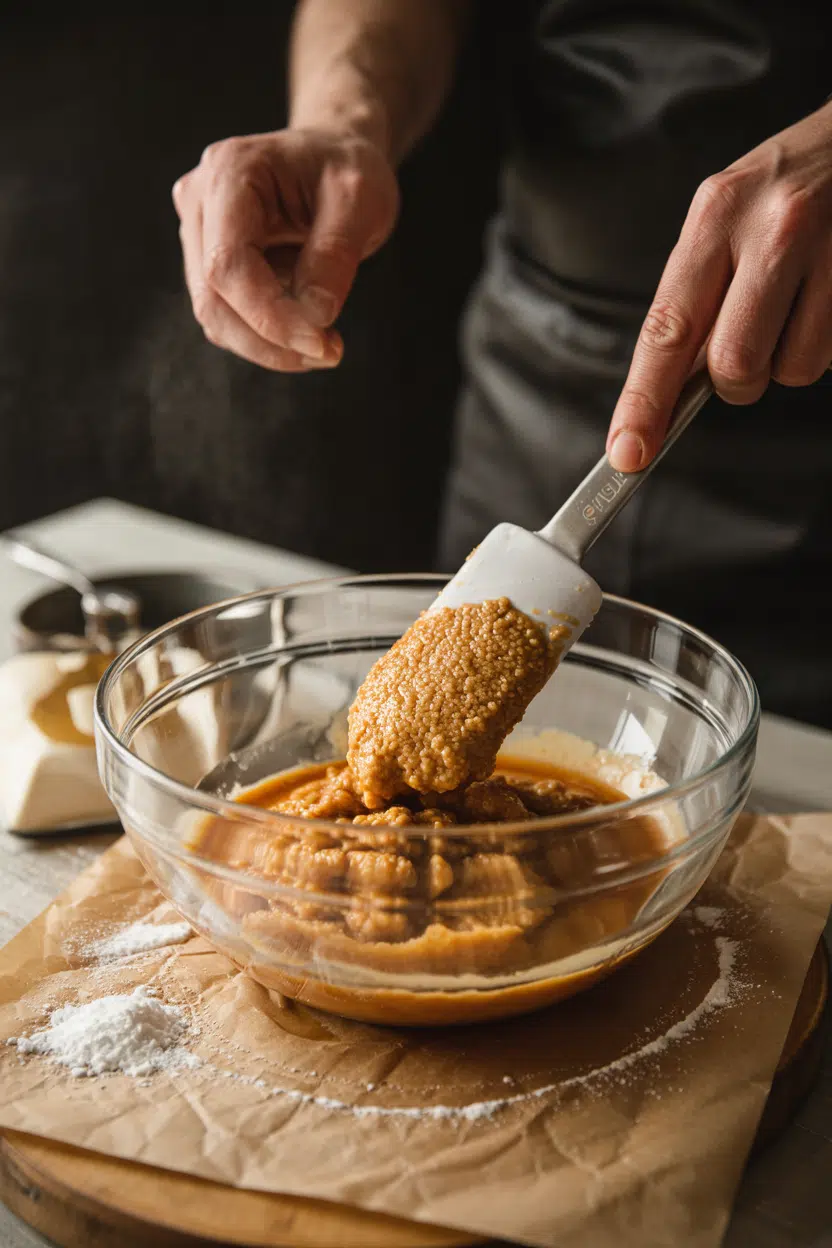
Turbinado tastes like sucrose with edges. The baseline is clean sweetness, but a mild caramel warmth and faint molasses note layer over it - enough to notice, not enough to dominate.
It reads closer to light brown sugar than to dark brown sugar, without the moisture and intensity that makes dark brown sugar assertive in baked goods.
White sugar tastes flat by comparison; turbinado has a toasty, almost nutty quality that registers especially well in hot liquids like coffee or tea.
With heat, the crystals caramelize quickly and develop a deeper, nuttier sweetness. That behavior makes turbinado a reliable finishing sugar - a spoonful dissolved into warm oatmeal or stirred into a hot cocktail syrup expresses its character better than it does in a cold application.
How to Use Turbinado Sugar
Texture is turbinado's primary argument. Its large crystals don't dissolve on contact, which makes it the right choice any time a crunch is part of the plan.
The most common application is as a pre-bake topping: scatter it over muffin batter, scone dough, or quick bread loaves and the crystals bake into a glassy, crunchy crust.
It works the same way pressed into pork tenderloin or chicken skin before roasting - the crystals caramelize into a lacquered glaze without turning sticky.
For beverages, turbinado dissolves cleanly in hot liquids. It pairs particularly well with rum and bourbon-based cocktail syrups, where its light molasses note adds a complementary depth.
Stir it into café drinks, granola mixes, or fruit crisps where its warmth echoes cinnamon, oats, and dark fruit like figs or plums.
| Method | Best For | Tip |
|---|---|---|
| ✨ Finishing | Muffin tops, scones, crème brûlée, fruit crisps | Apply just before baking; crystals hold shape in oven heat |
| 🍳 Glazing | Pork or poultry skin, roasted vegetables | Pat onto surface before high-heat roasting for caramelization |
| 🥄 Dissolving | Simple syrups, coffee, oatmeal, porridge | Use warm or hot liquid; turbinado dissolves slower than white sugar |
| 🍪 Baking In | Cookies, granola, quick breads | Expect slightly less spread and visible crystal pockets in finished bake |
One pairing to avoid: delicate meringues. The coarse crystals can disrupt the smooth foam structure before they dissolve, leaving a grainy result.
In that situation, reach for brown sugar alternatives that dissolve more reliably.
How to Buy and Store Turbinado Sugar
Look for a sealed bag with uniform amber crystals - glossy, dry to slightly tacky, with no dark clumps. Clumping or a heavy, stale molasses smell signals age or moisture damage; pass on that bag.
Transfer to an airtight container once opened and keep it in a cool, dry pantry away from sunlight. Humidity is the main enemy: it fuses crystals into hard chunks and dulls their texture.
On shelf life, turbinado lasts indefinitely when stored dry, but crystal quality peaks within two to three years. For a deeper look at how different sugar types compare over time, the turbinado sugar storage guide guide covers the specifics.
Start With the Topping
If turbinado is new to you, start on the outside of something baked. Scatter it over muffin batter or a quick bread before it goes in the oven, and you'll immediately understand why it earns a separate spot in the pantry from white or brown sugar.
Once that click happens, dissolving it into a cocktail syrup or pressing it onto a pork loin feels like a natural next step. For situations where you need to swap it out, turbinado sugar replacements and the closely related demerara sugar are worth knowing.
Frequently Asked Questions
No. Both are raw cane sugars with amber crystals, but demerara crystals are slightly harder and drier, while turbinado crystals are a touch stickier with a thinner molasses film. They're close enough to swap in most recipes.
Yes, with caveats. It dissolves more slowly and adds a faint molasses flavor, so expect subtle color and taste differences. Recipes relying on precise crystal dissolution - like meringues or certain custards - may not work as well.
Use hot liquid and stir actively. For simple syrups, combine it with equal parts boiling water over low heat; the coarse crystals dissolve fully in about three to four minutes.
Not meaningfully. It contains trace minerals like calcium and potassium from the cane, but amounts are nutritionally negligible. Calorie count and glycemic impact are essentially identical to white granulated sugar.
It doesn't spoil in the traditional sense, but moisture exposure causes the crystals to clump and lose their crunch. Stored airtight in a dry pantry, it remains usable indefinitely - though peak texture holds best within two to three years.



