
Sprinkle demerara sugar over a batch of scones before they go into the oven, and something specific happens at the surface: those large, pale-golden crystals don't dissolve - they hold their shape, toast slightly, and form a faintly crunchy, caramelized crust that finer sugars simply won't produce.
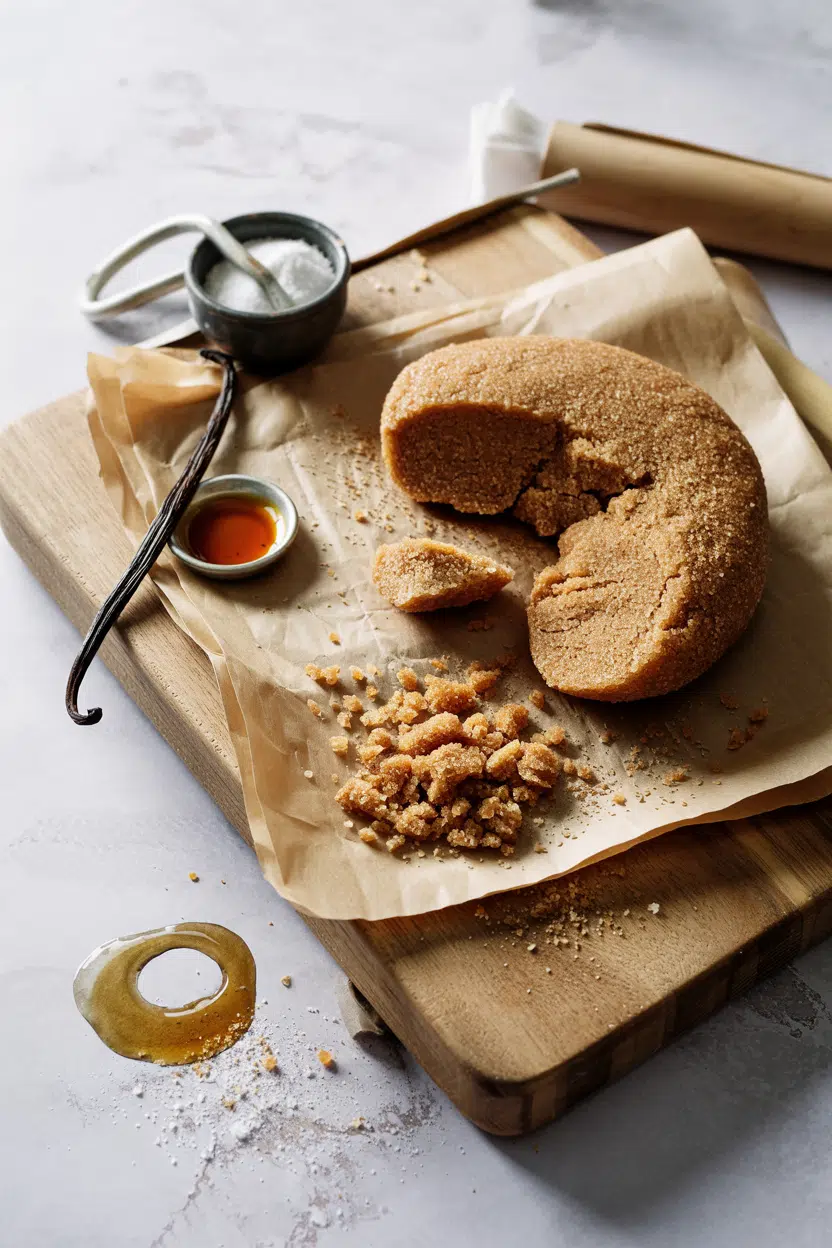
That texture is the whole point.
Demerara sugar is a coarse raw cane sugar with large golden crystals and a mild caramel-molasses flavor. It excels as a finishing sugar on baked goods, in hot drinks, and anywhere a crunchy caramelized crust is the goal.
What Is Demerara Sugar?
Demerara sugar is a raw cane sugar with large, coarse crystals and a natural coating of light molasses left from minimal processing.
Remember it later
Planning to try this recipe soon? Save it for a quick find later!
It takes its name from the Demerara region of Guyana, where sugarcane cultivation shaped the local sugar industry - though today it's produced across multiple cane-growing regions worldwide.
Unlike refined white sugar, demerara retains a thin molasses layer that gives each crystal its pale-golden color and mild caramel character. You'll find it sold as raw demerara, demerara sugar crystals, or Demerara cane sugar depending on the brand.
It sits in a category alongside turbinado sugar and brown sugar - all three share a molasses presence - however, demerara's crystals are distinctly larger and drier than both. Here's what separates them:
- Crystal size - Coarser than turbinado, significantly coarser than brown sugar
- Moisture content - Dry and free-flowing; brown sugar is deliberately moist and sticky
- Molasses intensity - Lighter than dark brown sugar, comparable to light brown sugar but cleaner
- Processing - Minimally refined; the molasses coating is natural, not added back like in brown sugar
What Does Demerara Sugar Taste Like?
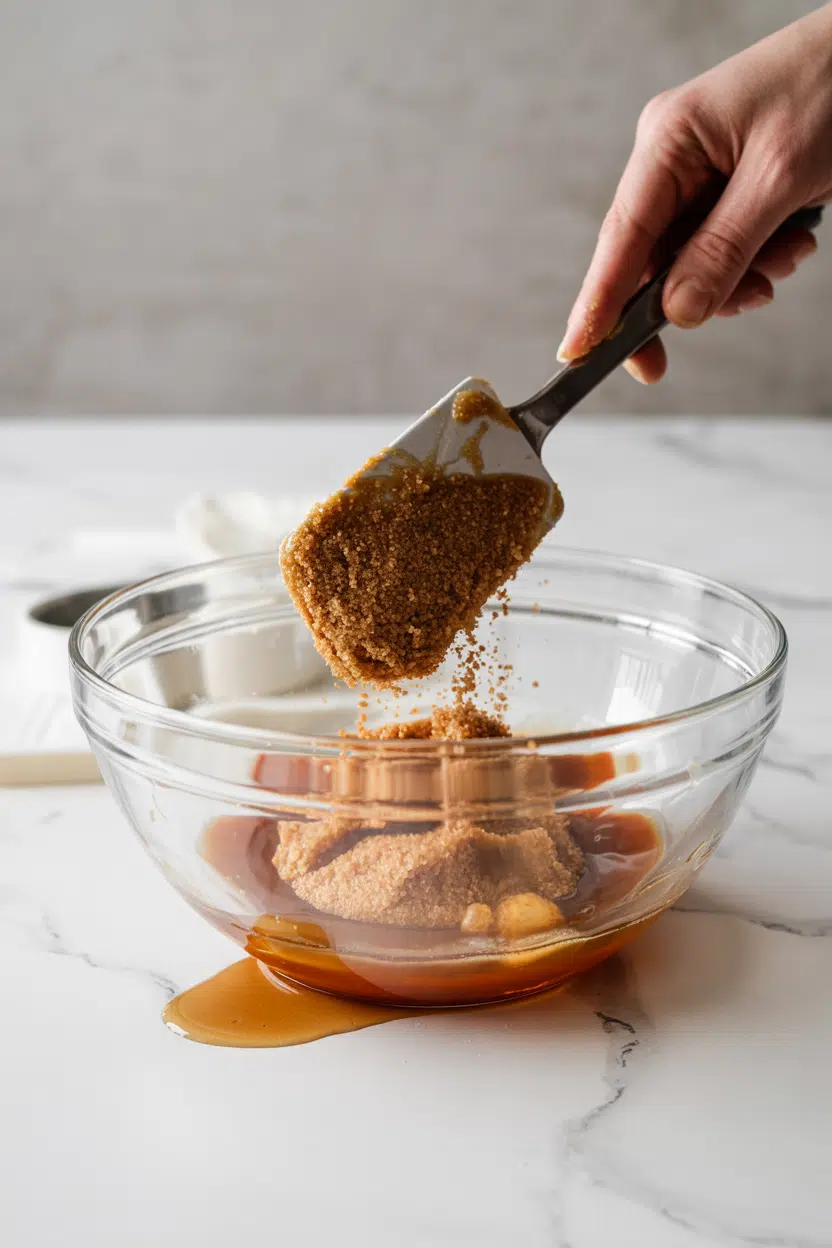
Demerara sugar's flavor is restrained - mild caramel at the front, a low hum of molasses in the background, and a quiet toffee note that surfaces when heat is involved. It's noticeably less sweet-forward than white sugar because the molasses adds complexity that cuts pure sweetness.
Under a broiler or torch, the crystals caramelize slowly and develop a deeper, slightly bitter edge - closer to butterscotch than straight sugar. Stirred into hot coffee or tea, they dissolve gradually, releasing that warm brown-sugar scent while adding mild body to the cup.
Compared to light brown sugar in baked goods, demerara reads as a cleaner molasses note with more physical texture rather than more flavor intensity.
How to Use Demerara Sugar
Finishing is where demerara earns its place. Sprinkle it over muffin tops, scone surfaces, or streusel before baking and the crystals stay mostly intact, producing a crackling crust. That's a result no fine sugar can replicate.
| Method | Best For | Tip |
|---|---|---|
| 🧂 Finishing | Muffins, scones, cookies, crumble toppings | Apply just before baking so crystals toast without fully dissolving |
| 🔥 Caramelizing | Broiled fruit halves, crème brûlée-style desserts, glazed vegetables | Spread in an even layer - coarse crystals need longer torch time than fine sugar |
| ☕ Dissolving | Hot coffee, tea, warm cocktails, tiki syrups with rum | Stir for 30-60 seconds longer than you would with white sugar |
| 🍞 Baking In | Granola, oatmeal, cookie dough where crystal bits should survive | Fold in gently at the end - heavy mixing breaks the crystals down |
| 🥩 Glazing | Pork rubs, roasted carrots, ham glazes | Combine with butter or fat to encourage even caramelization |
In British baking, demerara appears most often on top of shortbreads, tea loaves, and flapjacks - the crunch is part of the expected texture. Caribbean-influenced recipes use it in rum-based syrups and marinades, where the light molasses note deepens the spirit's character.
It pairs directly with butter, dark rum, oats, cinnamon, ginger, coffee, vanilla, and citrus zest. Avoid using it in applications that need complete, rapid dissolution - clear cocktail syrups, Swiss meringue, or any preparation where undissolved crystal grit is a problem.
If you need a swap with the same crystal structure, turbinado sugar behaves nearly identically in most of these methods. For flavor-only substitution in baked goods, brown sugar alternatives cover the molasses notes without the crunch.
How to Buy and Store Demerara Sugar
Look for packages labeled explicitly as "demerara" with visibly large, pale-golden crystals through the bag. Avoid anything with sticky clumps - that signals excess moisture, which means crystals are already breaking down.
Overly dark crystals can indicate older stock or heavier molasses content than standard demerara.
Prefer sealed retail bags or small glass jars over bulk bins, where humidity exposure is harder to track.
- Container - Transfer to an airtight jar or sealed container once opened
- Location - Cool, dry spot away from the stove and any moisture sources
- Avoid - Storing near strong aromatics; demerara absorbs odors over time
Shelf life is technically indefinite for sugar kept properly dry, however demerara's best quality window runs about 2-3 years before the faint molasses notes start to flatten.
Start With the Crust
If you've never used demerara, the muffin-top test is the right entry point. Swap it in for any recipe that calls for a sugar sprinkle before baking - the immediate difference in surface texture makes the ingredient's purpose obvious.
From there, try it in hot coffee or over broiled citrus halves, where the gradual dissolution and caramelization show a second side of what the crystal structure does under heat.
Those three uses cover most of what demerara does well, and they'll tell you quickly where it fits in your kitchen.
Frequently Asked Questions
Not exactly. Both are raw cane sugars with a natural molasses coating, but turbinado crystals are slightly finer and lighter in color. Demerara has a marginally deeper caramel note and coarser grain - in most recipes, they're interchangeable.
Yes, with a texture trade-off. Demerara is dry and coarse; brown sugar is moist and fine, which affects spread and density in baked goods. Substituting works best in recipes where a slightly drier, crunchier result is acceptable.
Partially. Crystals soften and caramelize at the surface but don't fully dissolve the way fine sugars do, especially when used as a topping. Folded into dough at high ratios, more of the crystal structure does break down over a full bake time.
Nutritionally, they're nearly identical - both are primarily sucrose at roughly the same calorie count. Demerara contains trace minerals from the residual molasses, but the amounts are too small to be nutritionally meaningful at normal serving sizes.
It dissolves poorly in cold liquid - the large crystals need heat to break down efficiently. For iced drinks, make a simple syrup with demerara first, then add it to the cold beverage for even sweetness without grit.



