
You spot it on the shelf and see three versions of the same bottle - one clear, one gold, one nearly black. Rum is one of the few spirits where the color alone tells you something real about flavor, aging, and where it fits in the kitchen or glass.

Unlike vodka swaps that aim for neutrality, rum leans into its sugarcane roots, trading on molasses, caramel, and oak in ways that make it genuinely useful far beyond cocktails.
Rum is a distilled sugarcane spirit ranging from light and clean to dark and oak-aged. Its flavor runs from subtle vanilla and caramel to deep molasses and tropical fruit. It works in cocktails, marinades, baked goods, and pan sauces - and an opened bottle holds flavor for up to three years.
What Is Rum?
Rum is a distilled spirit made from sugarcane byproducts - most commonly molasses, the thick residue left after sugar refining. Some styles, particularly French Caribbean rhum agricole, skip the molasses entirely and distill fresh-pressed cane juice instead, producing a grassier, more complex result.
Remember it later
Planning to try this recipe soon? Save it for a quick find later!
After distillation, the liquid becomes white rum - clear, lighter-bodied, and relatively clean on the palate. Aging in oak barrels deepens the color and builds layers of caramel, vanilla, and spice, giving us gold and dark rums.
The longer the aging, the more the barrel shapes the flavor.
The spirit goes by several names depending on origin:
- Ron - Spanish-speaking Caribbean (Cuba, Puerto Rico, Dominican Republic)
- Rhum - French Caribbean (Martinique, Guadeloupe)
- Rhum agricole - specifically from fresh cane juice, not molasses
- Aguardiente - a broader term used in Latin America for cane spirits
What Does Rum Taste Like?
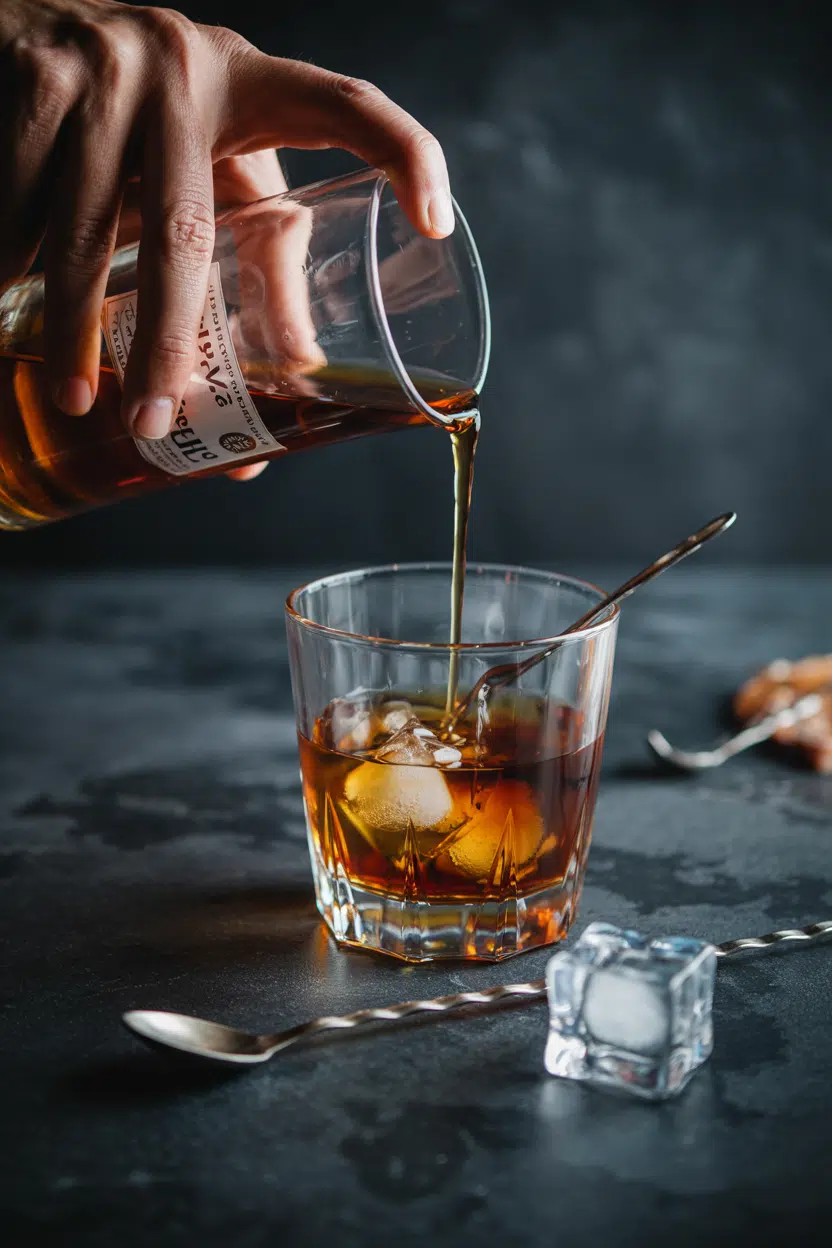
Dark rum delivers the fullest picture of what this spirit does: molasses depth, toffee sweetness, and warm spice - nutmeg and clove especially - undercut by vanilla and a gentle oak dryness from barrel aging. White rum is lighter and slightly sweet, with clean sugar and faint tropical fruit notes that don't compete with other ingredients.
Aged rum often draws comparisons to a whiskey on the sweeter, fuller end - less grain-forward, more caramel and baked fruit. Heat changes it.
When rum reduces in a pan or goes into a baked batter, the alcohol burns off and the molasses and vanilla notes concentrate.
How to Use Rum
Rum earns its place across a wider range of cooking than most spirits. In cocktails, white rum is the base for a classic daiquiri or mojito, where its clean sweetness amplifies lime and sugar without dominating.
Aged rum shifts those same drinks toward deeper, more complex territory.
In the kitchen, the flambé technique is where rum gets dramatic. Bananas Foster is the standard application - butter, brown sugar, and dark rum heated until the alcohol ignites, coating banana slices in a sticky, caramel glaze.
The same principle applies to crêpes Suzette when rum replaces the traditional orange liqueur.
Beyond flambé, rum handles several other kitchen jobs well:
| Method | Best For | Tip |
|---|---|---|
| 🍹 Cocktails | Daiquiri, mojito, mai tai, rum punch | Use white for fresh citrus drinks; aged for spirit-forward sips |
| 🔥 Flambéing | Bananas Foster, pan desserts | Warm the rum first - cold alcohol won't ignite easily |
| 🥩 Marinating | Jerk chicken, pork shoulder, ribs | Pair with lime juice, allspice, and brown sugar for Caribbean balance |
| 🍳 Deglazing | Ham pan sauce, rum glaze | Dark rum adds body; reduce fully to cook off sharpness |
| 🎂 Baking | Rum cake, rum raisin ice cream, fruit compote | Macerate raisins overnight in dark rum for maximum absorption |
Rum pairs naturally with lime, brown sugar, vanilla, dark chocolate, pineapple, and allspice. It suits Caribbean and Latin American food most directly, but British rum cakes and American Southern cooking have built long traditions around it too.
Avoid using it with delicate green salads or high-acid dairy sauces - the sweetness clashes, and dairy can curdle on contact with alcohol.
How to Buy and Store Rum
Start with the style you need. White rum suits cocktails and light marinades. Gold rum sits in the middle - some aging, more body, still approachable. Dark or aged rum is the pick for baking, sauces, and any recipe where caramel and molasses notes should dominate.
Rhum agricole is worth seeking out if you want a grassier, more nuanced flavor profile.
Check the proof and any age statement on the label. Higher proof means more intensity in cooking; older age statements signal more oak character.
Once opened, store the bottle upright in a cool, dark place with the cap tight. For a full breakdown of how long it keeps, see our guide to rum freshness guide.
Where to Start With Rum
White rum is the easiest entry point - grab it if cocktails or light cooking are the goal. If a recipe calls for dark rum and you don't have any, check our rum alternatives page before shopping.
For baking, dark aged rum makes the biggest impact and is worth buying a dedicated bottle. Start there, use it in a rum cake or a macerated fruit compote, and the difference from cheaper blended options becomes obvious fast.
Frequently Asked Questions
Most rum is made from molasses, the thick syrup byproduct of cane sugar refining. Rhum agricole is the exception - it's distilled from fresh sugarcane juice, producing a lighter, grassier flavor than molasses-based styles.
Dark rum is barrel-aged longer, which pulls color, tannins, and caramel notes from the oak. Light (white) rum is either unaged or briefly aged then filtered clear, leaving it cleaner and more neutral.
It won't spoil in a way that's unsafe, but opened bottles gradually lose flavor. Best quality holds for one to three years after opening, depending on how tightly sealed and how much air is in the bottle.
White rum reads as lightly sweet with a clean finish that lets citrus and mint lead. Aged rum in cocktails adds caramel, oak, and spice - closer to a spirit-forward drink than a refreshing one.
Plain rum is gluten-free - sugarcane contains no gluten, and distillation removes proteins regardless. Spiced and flavored rums may add extracts or additives, so check the label if gluten sensitivity is a concern.



