Most fried doughnuts turn out greasy or dense because the dough isn't properly proofed or the oil temperature swings wildly. The fix is a patient two-hour rise and holding the oil steady at 350°F with a thermometer.

The yeast does most of the heavy lifting. You mix, rest, shape, then fry when the dough has doubled and feels pillowy.
This works for Fat Thursday celebrations or weekend baking when you want something that actually tastes like it came from a Polish bakery instead of a grocery store box.
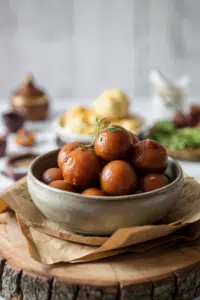
Polish pączki are yeast-raised doughnuts fried until golden and filled with fruit preserves. Success depends on proofing the dough fully and maintaining oil at 350°F so the exterior crisps without absorbing grease. Make these for festive gatherings when you want light, airy doughnuts with a traditional rose or plum jam center.
Why This Recipe Works
High-protein all-purpose flour builds enough gluten for structure while whole milk and butter keep the crumb tender. Most people skip the thermometer and end up with oil-logged doughnuts, but holding the frying temperature between 350-360°F means the exterior sets fast and blocks grease absorption. For a version that comes together quickly, this quick cheesecake dish skips the proofing but trades texture for speed.
Remember it later
Planning to try this recipe soon? Save it for a quick find later!
Prep Time
40 min
Cook Time
5-7 min per batch
Total Time
1 hour 30 min
Servings
12 pączki
Difficulty
Involved
Category
Dessert
Quick Tip
Fry at 350°F for fluffy, golden doughnuts
Best For
Holiday | Festive gatherings
Five things that make this work:
- Warm milk activates yeast properly - 100-110°F liquid wakes up the yeast without killing it; hotter temps destroy fermentation
- Room temperature eggs blend smoothly - cold eggs clump and create uneven hydration throughout the dough
- Two-stage rising develops flavor - first rise builds structure, second rise after shaping creates the pillowy texture
- Softened butter integrates fully - cold butter forms lumps that leave greasy pockets in the finished doughnuts
- Candy thermometer prevents oil swings - maintaining 350°F means even browning and minimal grease absorption
What You'll Need
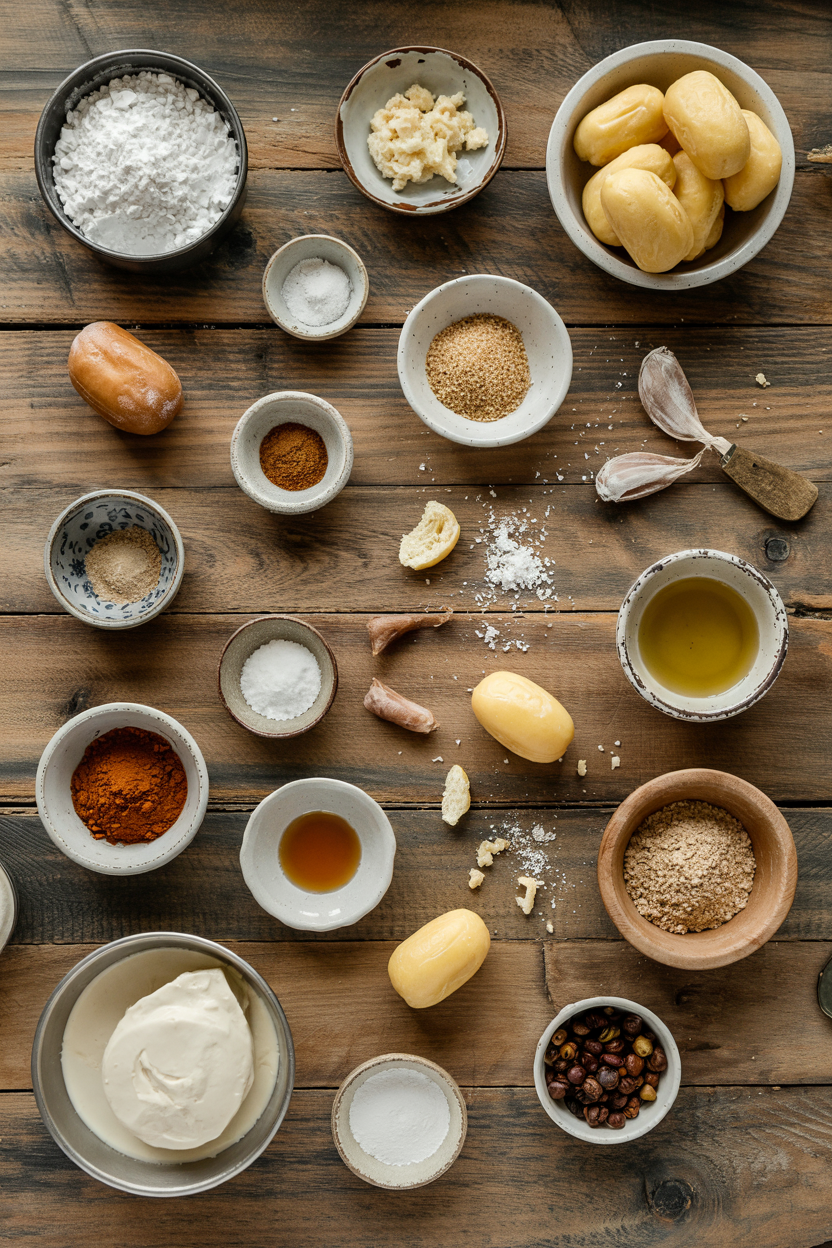
Shop for active dry yeast, whole milk, and fruit preserves in the baking aisle. Most people skip cheesecake, but it balances the meal - something simple like cheesecake adds contrast without extra work.
- all-purpose flour
- granulated sugar
- active dry yeast
- whole milk
- unsalted butter
- eggs
- vegetable oil
- vanilla extract
- powdered sugar
- fruit preserves or rose petal jam
Ingredient Details
- All-Purpose Flour
Builds gluten structure for chewy, elastic dough - bread flour makes them too dense, cake flour too fragile - Active Dry Yeast
Proof in warm milk for 10 minutes until foamy to confirm it's alive before mixing into dough - Whole Milk
Fat content adds richness and tender crumb - skim milk makes drier doughnuts - Unsalted Butter
Soften to room temp so it blends evenly without leaving greasy streaks in the dough - Vegetable Oil
Neutral flavor and 400°F smoke point handle high-heat frying without burning or off-flavors - Fruit Preserves
Rose petal jam is traditional, but plum, raspberry, or apricot work - avoid runny jams that leak during frying - Powdered Sugar
Dust while doughnuts are still slightly warm so sugar sticks without melting into a glaze
Ingredient Swaps
Whole milk can shift to almond or oat milk for dairy-free versions, though browning may lighten slightly. Rich mains need something to cut through, and rich beef side dish does exactly that without adding hours to your cook time.
Four swaps that work:
- Whole milk → almond milk or oat milk - slightly less rich with lighter browning; works for dairy-free diets but may need 1-2 extra minutes of frying time
- All-purpose flour → gluten-free flour blend - texture less elastic and requires xanthan gum to bind; expect denser crumb and shorter shelf life
- Unsalted butter → vegetable shortening or coconut oil - flavor shifts away from buttery richness; may yield drier dough that needs extra milk
- Active dry yeast → instant yeast - faster rise by 20-30 minutes; skip proofing step and mix directly into dry ingredients
Almond Milk
Works for: dairy-free diets, mild nutty flavor, similar liquid ratio
Skip if: you want maximum richness or traditional flavor profile
Gluten-Free Flour
Works for: celiac-safe baking, still fries well with xanthan gum added
Skip if: you want light, airy texture - these turn out denser and chewier
Instant Yeast
Works for: faster prep, skip proofing, reliable rise in 60 minutes
Skip if: you prefer traditional method and have time for full proofing
Instructions
Budget 90 minutes for rising time before you start frying batches. A good chicken can make or break the plate, and a juicy chicken side brings savory contrast to sweet desserts when you're building a full spread.
Proof the yeast. Warm whole milk to 100-110°F, stir in active dry yeast and 1 teaspoon sugar, then let sit 10 minutes until foamy on top. Cold milk won't activate yeast; hotter liquid kills it.
Mix and knead the dough. Combine flour, remaining sugar, and salt in a large bowl, add proofed yeast mixture, eggs, softened butter, and vanilla extract, then knead by hand or with a stand mixer for 8-10 minutes until smooth and elastic. Dough should pull away from the bowl and feel slightly tacky but not sticky.
First rise. Place dough in a greased bowl, cover with a damp towel, and let rise at 75°F for 60-90 minutes until doubled in size. Underproofed dough makes dense, heavy doughnuts that won't puff when fried.
Shape and second rise. Punch down dough gently, roll out to ½-inch thickness on a lightly floured surface, cut into 3-inch rounds, place on a parchment-lined baking sheet, cover, and let rise 30 minutes until puffy. Don't skip the second rise - it creates the airy crumb.
Fry until golden. Heat vegetable oil in a deep pan to 350°F, fry 3-4 doughnuts at a time for 2-3 minutes per side until deep golden brown, then drain on a cooling rack. Oil temperature drops when doughnuts go in, so wait 30 seconds between batches to let it recover.
What to Serve With It
Pączki need something to cut through the richness, and acidic fresh fruit or tangy yogurt does that without adding work. The chicken works best when it hits the table at the same time as the main - for a version that comes together quickly, a juicy chicken side keeps things balanced without extra prep.
| Side Dish | Prep | Why It Works | How to Serve |
|---|---|---|---|
| Fresh Fruit | Easy | Natural acidity cuts sweetness and adds bright, clean contrast | Slice strawberries, oranges, or kiwi and arrange on the side |
| Hot Tea | Easy | Traditional Polish pairing - warmth complements fried doughnuts | Brew black tea or herbal tea and serve in cups alongside |
| Plain Yogurt | Easy | Tangy creaminess balances sweet jam filling and fried dough | Spoon into small bowls for dipping or dolloping |
| Vanilla Custard | Medium | Rich sauce amplifies dessert feel for special occasions | Drizzle warm custard over pączki or serve in a small pitcher |
| Whipped Cream | Easy | Light texture adds sweetness without competing with filling | Whip heavy cream with sugar and pipe or spoon on top |
Three ways to serve it:
- Traditional Polish style - dust with powdered sugar and serve warm with black tea on Fat Thursday
- Indulgent dessert plate - drizzle with lemon glaze or chocolate and add a scoop of vanilla ice cream
- Brunch spread - arrange on a platter with fresh fruit, yogurt, and hot coffee for weekend gatherings
Store and Reheat
Store pączki at room temperature in an airtight container for 3-4 days or loosely covered in the fridge if your kitchen runs warm. The this side works best when it hits the table at the same time as the main, but something simple like sauce works as a dip for day-old doughnuts when you reheat them in the oven.
| Method | Time | Best For |
|---|---|---|
| 🔥 Oven | 5-7 min at 350°F | Restoring crisp exterior after refrigeration |
| 📦 Microwave | 15-20 seconds | Quick reheating when you don't care about crispness |
| 🍳 Stovetop | 1-2 min per side | Reviving crispness gently in a non-stick pan |
For best results when storing:
- Cool completely before storing - trapping steam in the container makes pączki soggy and encourages mold growth
- Skip paper towels for storage - they wick moisture and dry out the doughnuts faster than airtight containers
- Freeze unfilled doughnuts - fry, cool, freeze for up to 3 months, then thaw and fill just before serving for best texture
- Revive stale pączki in the oven - 5 minutes at 350°F brings back crispness and warms the filling
- Don't refrigerate unless necessary - room temp storage keeps texture better for 3-4 days in cool kitchens
Frequently Asked Questions
Skip bread flour - the higher protein content builds too much gluten and makes pączki dense and chewy instead of light and airy.
Store at room temperature in an airtight container for 3-4 days or freeze unfilled doughnuts for up to 3 months. Reheat in a 350°F oven for 5-7 minutes to restore crispness.
Fry until deep golden brown on both sides - the exterior color matches the interior doneness at 350°F. If you're unsure, cut one open to check for raw dough in the center.
Oil temperature too low causes dough to absorb grease instead of crisping. Hold the oil at 350°F with a candy thermometer and drain pączki on a cooling rack, not paper towels.
Yes - double or halve all ingredients proportionally, but rising times stay the same. Larger batches may need an extra 10-15 minutes on the first rise if your bowl is crowded.
Polish Pączki Doughnuts
Ingredients
Equipment
Method
- Warm whole milk to 100-110°F, stir in active dry yeast and 1 teaspoon sugar, then let sit 10 minutes until foamy on top. Avoid milk temperatures colder or hotter than recommended.2 teaspoons active dry yeast, 1 ¼ cups whole milk, 2 teaspoons granulated sugar
- Combine flour, remaining sugar, and salt in a large bowl. Add proofed yeast mixture, eggs, softened butter, and vanilla extract. Knead by hand or with a stand mixer for 8-10 minutes until smooth, elastic, and slightly tacky.4 cups all-purpose flour, 2 teaspoons granulated sugar, 3 eggs, ¼ cup unsalted butter, 1 teaspoon vanilla extract
- Place dough in a greased bowl, cover with a damp towel, and let rise at 75°F for 60-90 minutes until doubled in size.
- Punch down dough gently, roll out to ½-inch thickness on a lightly floured surface, cut into 3-inch rounds, place on parchment-lined baking sheet, cover, and let rise 30 minutes until puffy.4 cups all-purpose flour
- Heat vegetable oil in a deep pan to 350°F. Fry 3-4 doughnuts at a time for 2-3 minutes per side until deep golden brown. Drain on a cooling rack and wait 30 seconds before frying the next batch to maintain oil temperature.for frying vegetable oil
- Inject each fried doughnut with fruit preserves using a pastry bag or spoon if desired. Dust doughnuts with powdered sugar while still slightly warm.½ cup fruit preserves, to dust powdered sugar
Notes
- Maintain oil temperature at 350°F with a candy thermometer to prevent greasy doughnuts.
- Allow two rises totaling 90 minutes for a light and airy texture.
- Use room temperature eggs and softened butter for even dough hydration and richness.