You're halfway through a Vietnamese slaw when you realize jicama isn't in the produce aisle. The recipe counts on that crisp crunch and mild sweetness to anchor the vegetables.
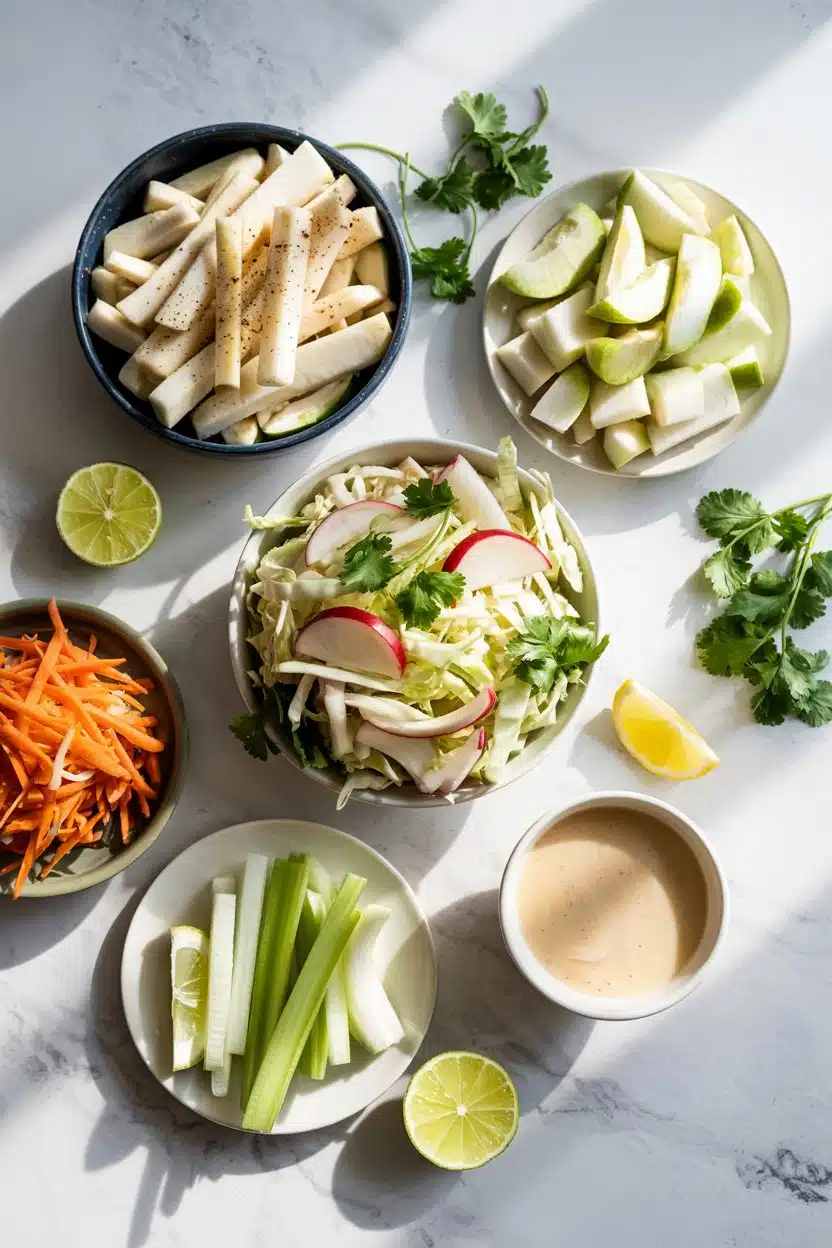
Jicama adds moisture and a sturdy bite that doesn't wilt in dressing. It stays crunchy raw and holds up in cooking without turning mushy.
Most grocery stores don't stock it year-round. A handful of vegetables and roots match that texture with small flavor adjustments.
Water chestnuts and kohlrabi replace jicama 1:1 in raw salads and slaws-both deliver crisp texture and mild sweetness. Daikon radish works in cooked dishes but brings more pepperiness. For fruit salads, firm pears add similar crunch with extra juiciness.
7 Substitutes for Jicama: Crunch and Mild Sweetness 🥗
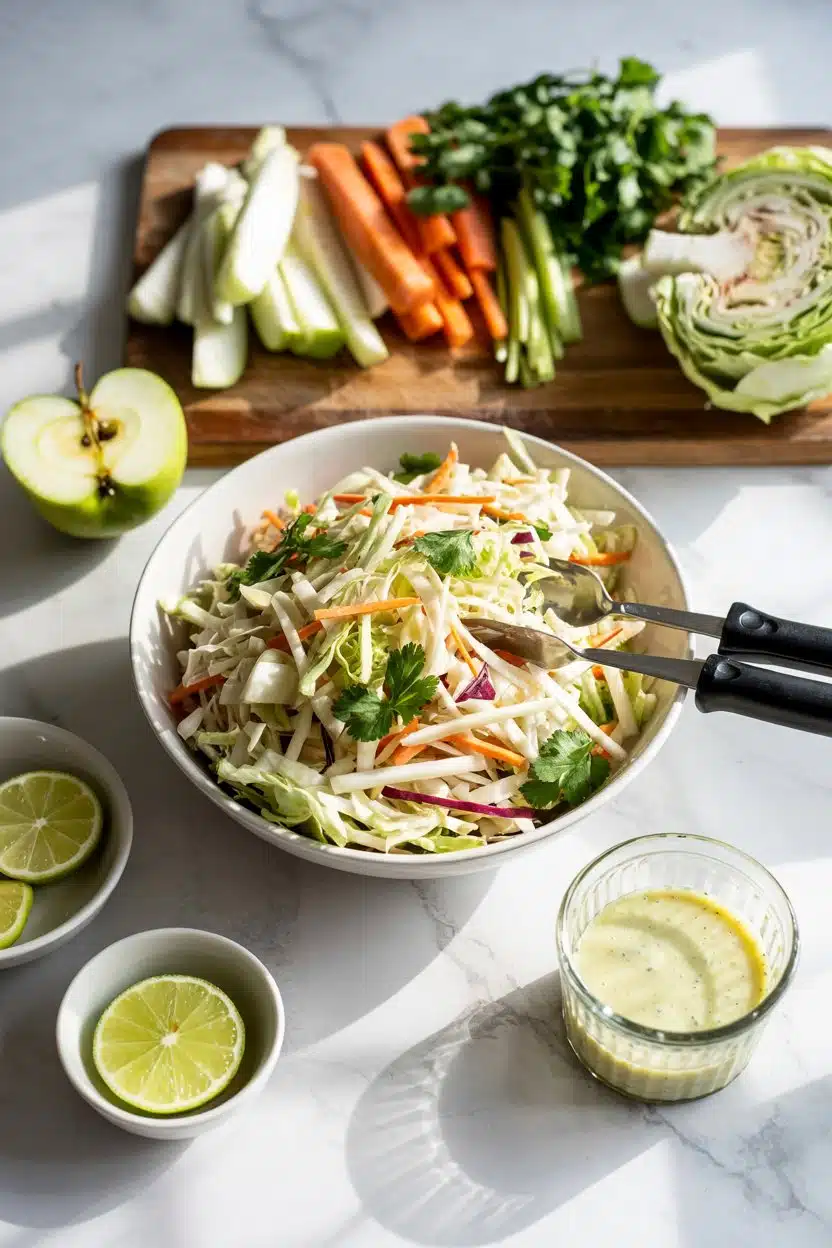
Each swap below matches different aspects-some bring the crunch, others focus on the subtle sweetness or moisture.
Remember it later
Planning to try this recipe soon? Save it for a quick find later!
| # | Substitute | Best For | Ratio | Key Note |
|---|---|---|---|---|
| 1 | Water Chestnuts | 🥗 Raw | 1:1 | Slightly denser texture |
| 2 | Daikon Radish | 🍳 Cooking | 1:1 | More pepper, less sweet |
| 3 | Kohlrabi | 🥗 Raw | 1:1 | Denser with vegetal notes |
| 4 | Pear | 🥗 Raw | 1:1 | Juicier and sweeter |
| 5 | Celery | 🥗 Raw | 1:1 | Herbal, no sweetness |
| 6 | Carrot | 🥗 Raw | 1:1 | Denser, earthier flavor |
| 7 | DIY Blend | ✨ Both | 1:1 | Mix water chestnuts + daikon |
1. Water Chestnuts 🥗
Water chestnuts deliver crisp crunch and subtle sweetness that comes closest to jicama's texture. They add moisture without turning soggy in dressings or salsa.
Use them 1:1 by volume. Slice or julienne to match your recipe's cut.
- ✅ Holds crunch in raw preparations longer than most swaps
- ⚠️ Slightly denser bite than jicama's lighter texture
Water chestnuts work best in Asian-inspired salads, spring rolls, and fresh slaws. They're less juicy than jicama but won't weep liquid.
2. Daikon Radish 🍳
Daikon radish brings crisp texture and moisture similar to jicama but with a peppery edge. It works better in cooked dishes where heat mellows the sharpness.
Use 1:1 in stir-fries, braised dishes, and pickles. Peel before using-the skin can be tough. If you're out of daikon too, what to use for Daikon Radish covers radish swaps.
Daikon softens faster than jicama when cooked. Add it later in the cooking process to keep some texture. In raw applications, it's sharper and less sweet than jicama, so it works better in savory contexts like banh mi or kimchi-style preparations.
3. Kohlrabi 🥗
Kohlrabi offers sturdy crunch and mild sweetness that makes it a solid raw jicama swap. The texture is denser and the flavor leans slightly more vegetal.
Peel the tough outer skin-use only the pale inner flesh. Slice thin or julienne for salads and slaws. Need tested Kohlrabi replacements for other recipes? We've got options there too.
Kohlrabi's cabbage-like undertone shows up more when raw. It works well in preparations with bold dressings that mask the vegetal notes. The crunch holds up longer than most vegetables-great for make-ahead salads that sit a few hours before serving.
4. Pear (Firm, Crisp Varieties) 🍐
Firm pears add crisp texture and mild sweetness to fresh dishes. Pick varieties like Bosc or Asian pears-they stay crunchy instead of turning mushy.
Use 1:1 in fruit salads, salsas, and fresh spring rolls. Slice just before serving to prevent browning.
- ✅ Naturally sweet with refreshing juiciness
- ✅ Adds crisp texture similar to jicama
- ⚠️ Oxidizes quickly-toss with citrus juice
- ⚠️ Too soft and sweet for savory cooked dishes
Pears shine in fruit-forward applications where extra sweetness works. They're too fragrant for savory dishes like tacos or Vietnamese salads.
5. Celery 🌿
Celery delivers crisp crunch and moisture but skips jicama's sweetness. It brings herbal, slightly bitter notes instead.
Replace 1:1 in salads and slaws where crunch matters more than sweetness. Slice thin on the bias for maximum surface area. Out of celery too? Check common Celery Powder swaps ranked for seasoning alternatives.
- ✅ Readily available year-round
- ✅ Adds crunch and moisture in raw dishes
- ⚠️ Bitter-green flavor instead of mild sweetness
Celery works best in applications where you don't need sweetness-think Greek salads or crudité platters. It's too assertive for fruit salads or dishes relying on jicama's neutral-sweet profile.
6. Carrot 🥕
Carrots bring firm crunch and natural sweetness but with denser texture and earthy flavor. They're less juicy than jicama and more assertive.
Use 1:1 in slaws and salads. Julienne or shred for best results-thin cuts make the density less noticeable.
- ✅ Sweet and readily available
- ⚠️ Denser bite and stronger earthy flavor
Carrots work in applications where their color and sweetness enhance the dish-Asian slaws, spring rolls, and grain bowls. They're too dense and earthy to truly mimic jicama's delicate crunch. If you need carrot swaps for other recipes, see Carrot substitutes ranked.
7. DIY Jicama Blend 🔧
Mix equal parts water chestnuts and daikon radish to balance mild sweetness with crisp texture. This combo gets closer to jicama's profile than either ingredient alone.
Use ½ cup water chestnuts + ½ cup daikon to replace 1 cup jicama. Dice or julienne both to the same size for even texture.
Water chestnuts bring the sweetness and lighter crunch. Daikon adds the juiciness and neutral base that rounds out the blend. Together, they mimic jicama's moisture and bite better than single swaps, though the flavor won't match exactly.
This blend works best in applications where texture matters more than precise taste-fresh spring rolls, slaws, and raw salads. It's more work than a single swap but pays off in dishes where jicama's unique character is the star.
Picking Your Jicama Swap by Dish Type
- For raw salads and slaws: Water chestnuts or kohlrabi match crunch and mild sweetness
- For stir-fries and cooked dishes: Daikon radish holds texture with peppery notes
- For fruit salads: Firm pears add crisp sweetness with extra juice
- For crudité or simple crunch: Celery works if you skip the sweetness
Match your swap to what jicama does in the recipe. If the dish relies on neutral sweetness and crunch, stick with water chestnuts or kohlrabi. If you're cooking the vegetable, daikon handles heat better.
Frequently Asked Questions
Yes, jicama is most commonly eaten raw. It adds crisp texture and mild sweetness to salads, slaws, and crudité platters. The crunch stays intact in dressing without wilting like other vegetables.
Jicama tastes mildly sweet with subtle nutty notes and a very neutral vegetal base. It's crisp and juicy like a cross between an apple and a water chestnut. The flavor is subtle enough to work in both sweet and savory dishes.
Yes, always peel jicama before eating. The brown papery skin is tough and fibrous-it won't soften even when cooked. Use a vegetable peeler or paring knife to remove the entire outer layer until you reach the white flesh.
Yes, jicama holds up well when cooked. It stays crisp-tender in stir-fries, roasts evenly in the oven, and absorbs flavors in braises. Cook it like you would potatoes or turnips-it won't turn mushy as fast as most vegetables.
Turnip works in cooked dishes but not raw applications. It's sharper and more pungent than jicama's mild sweetness. Roasted or braised turnips soften similarly to cooked jicama, but they lack the crisp crunch and neutral flavor needed for raw salads.
7 Best Substitutes for Jicama
Ingredients
Method
- Select a substitute based on your dish type-water chestnuts or kohlrabi for raw, daikon for cooked, pear for fruit salads.
- Peel and prepare the substitute as needed; julienne or slice to replicate jicama's texture.
- Measure the substitute using a 1:1 volume ratio to replace jicama in the recipe.
- Adjust for flavor differences-skip sweetness when using celery or add citrus to pears to prevent browning.
- For the DIY blend, combine equal parts water chestnuts and daikon radish, ensuring uniform size and texture.
Notes
- Water chestnuts and kohlrabi are best for preserving jicama's crisp crunch in raw dishes.
- Daikon radish works better in cooked applications but softens faster than jicama.
- Firm pears add juiciness and sweetness but oxidize quickly; toss with citrus juice.