You're plating sushi and the wasabi tube squeezed out its last pale green smear two rolls ago. The sharp, nasal heat that balances fatty fish isn't there.
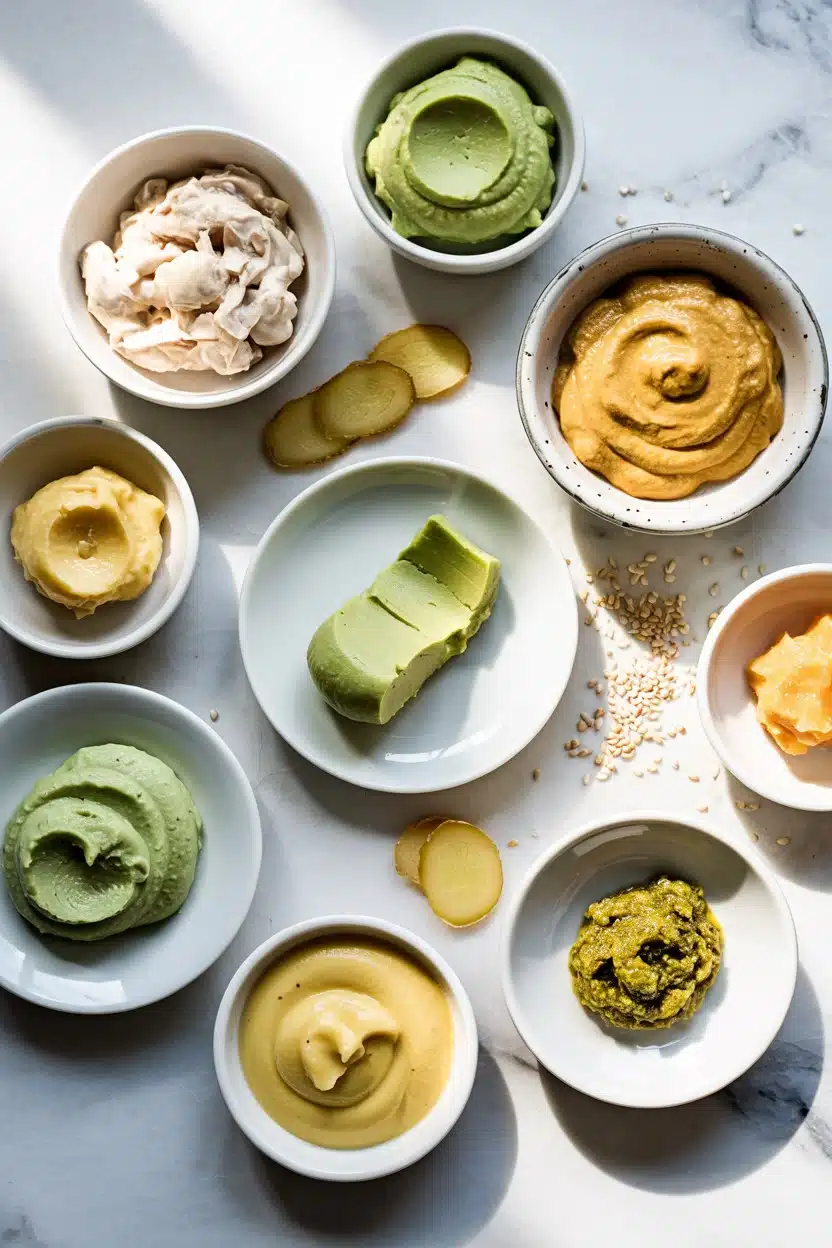
Wasabi wakes up raw fish and cuts through rich flavors with a brightness soy sauce can't match. Without it, the dish feels incomplete.
A few swaps can bring back that bite.
For dipping sauces and raw fish, we turn to prepared horseradish first-it mimics that sharp nasal heat closest. Watch the texture since horseradish runs coarser and lacks the green color. Fresh grated horseradish root brings even brighter heat if you can find it.
| # | Substitute | Best For | Ratio | Key Note |
|---|---|---|---|---|
| 1 | Prepared Horseradish | ✨ Both | 1:1 | Closest nasal heat match |
| 2 | Wasabi Powder | ✨ Both | 1 teaspoon + water | Needs rehydration time |
| 3 | Mustard Mix | 🥗 Raw | 1 tablespoon + ¼ tsp | Milder with mustard tang |
| 4 | Fresh Horseradish | 🥗 Raw | 1:1 | Sharpest fresh heat |
| 5 | Chili Paste | 🍳 Cooking | ½ tbsp | Different heat profile |
1. Prepared Horseradish 🌿
Prepared horseradish is wasabi's botanical cousin-both pack that distinctive nasal heat that clears your sinuses. Use it 1:1 in place of wasabi for dipping sauces and marinades.
Remember it later
Planning to try this recipe soon? Save it for a quick find later!
The flavor runs earthier and more intense than wasabi. The texture is coarser, and there's no green color to speak of.
It works best when mixed into sauces where color doesn't matter. We reach for Horseradish swaps that match when that option runs out too.
2. Wasabi Powder Rehydrated 🥄
Wasabi powder bridges the gap when fresh wasabi paste isn't available. Mix 1 teaspoon powder with 1 teaspoon water to match 1 tablespoon of paste.
Let it sit for 5 minutes before using-the flavor needs time to bloom. The taste runs milder and slightly more artificial than fresh wasabi.
- ✅ Closest flavor when fresh isn't an option
- ✅ Shelf-stable for months
- ⚠️ Can taste flat if not bloomed properly
The green color matches what you'd expect from wasabi paste. It works in any context-sushi, dressings, or finishing sauces.
3. Mustard + Horseradish Mix 🥫
Mixing prepared mustard with horseradish creates a spicy accent that mimics wasabi's bite. Use 1 tablespoon mustard plus ¼ teaspoon horseradish per tablespoon of wasabi.
The heat is milder than straight horseradish. The mustard brings its own tangy sharpness that complements raw fish and cold cuts.
- 🥗 In dipping sauces: Thin with rice vinegar for a lighter texture
- 🍱 With sushi: Mix in a small dish rather than spreading directly
- ⚠️ Color difference: Expect yellow instead of green
- 🔄 Ratio tweak: Dial up horseradish if you need more heat
If you need more heat without adding mustard tang, instead of Horseradish try these for cleaner swaps.
4. Fresh Grated Horseradish Root 🌱
Fresh horseradish root brings the brightest, sharpest heat of any swap. Grate it fine and use 1:1 in place of wasabi for raw applications.
The heat hits harder than prepared horseradish and fades faster. Grate it just before using-the pungency weakens within minutes of exposure to air.
- ✅ Sharpest nasal heat available
- ✅ No preservatives or additives
- ⚠️ Fades fast-use immediately after grating
Skip this for cooked dishes since heat mellows too much. Horseradish substitutes for cooking work better when heat needs to last.
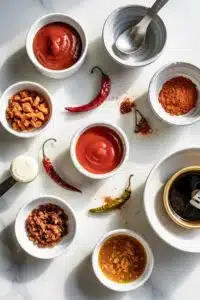
5. Sriracha or Chili Paste 🌶️
Chili paste brings general heat but misses wasabi's sharp nasal bite entirely. Use ½ tablespoon per tablespoon of wasabi if you just need spice without the specific flavor.
The taste runs garlicky and fruity rather than clean and sharp. Color varies from red to orange-never green.
It works in cooked applications where wasabi would be a finishing accent. Don't use it for sushi or raw fish-the flavor profile clashes too much.
We keep swaps when Chili Paste runs out handy for when that bottle empties too.
Matching Your Wasabi Swap
- For sushi and sashimi: Prepared horseradish or rehydrated wasabi powder
- For dipping sauces: Mustard-horseradish mix if you need milder heat
- For cooked dishes: Skip wasabi swaps entirely-they lose their bite with heat
Frequently Asked Questions
Yes, but add a pinch of horseradish to bring the nasal heat closer. Mustard alone tastes tangy without that sharp bite wasabi provides. Mix 1 tablespoon mustard with ¼ teaspoon horseradish for a closer match.
No, it's milder and slightly more artificial. Fresh wasabi brings brighter, more complex heat that fades quickly. Powder works well for most home cooking but won't match restaurant-quality sushi bars that use fresh wasabi root.
You can, but the heat mellows significantly with cooking. Wasabi's sharp bite fades fast when exposed to heat. For cooked dishes, add substitutes at the very end or use them raw in finishing sauces.
Drain it through a fine-mesh strainer and press gently to remove excess liquid. Don't squeeze too hard or you'll lose flavor along with the moisture. The drained version works better in dipping sauces where you need thicker consistency.
The volatile compounds that create heat break down quickly when exposed to air. Grate fresh horseradish just before serving and use it within 15 minutes. Store grated horseradish in an airtight container with a splash of vinegar to slow the loss of pungency.
5 Best Substitutes for Wasabi
Ingredients
Method
- Choose your substitute based on the use case: prepared horseradish or wasabi powder for raw fish and sauces, mustard mix for milder dipping, fresh horseradish for brightest raw heat, and chili paste for cooked dishes.
- Prepare the substitute by draining excess liquid from prepared horseradish, rehydrating wasabi powder, mixing mustard with horseradish, or finely grating fresh horseradish just before use.
- Apply the substitute using suggested ratios: 1:1 for prepared and fresh horseradish, 1 teaspoon powder + 1 teaspoon water, 1 tablespoon mustard + ¼ teaspoon horseradish, or ½ tablespoon chili paste per tablespoon wasabi.
- Allow rehydrated wasabi powder to bloom for 5 minutes before serving; mix mustard-based substitutes with rice vinegar if thinning is desired for dipping sauces.
- Check final flavor and consistency, adjusting horseradish amount in mustard mix or the amount of substitute to suit heat preference and dish compatibility.
Notes
- Prepared horseradish lacks wasabi's green color but closely mimics the heat.
- Fresh grated horseradish heat fades quickly-use immediately after grating.
- Chili paste should only be used in cooked dishes as its flavor profile is very different from wasabi.